Vertical Aerospace picks New York to prove eVTOL air taxi in real-world urban operations

January 21, 2026
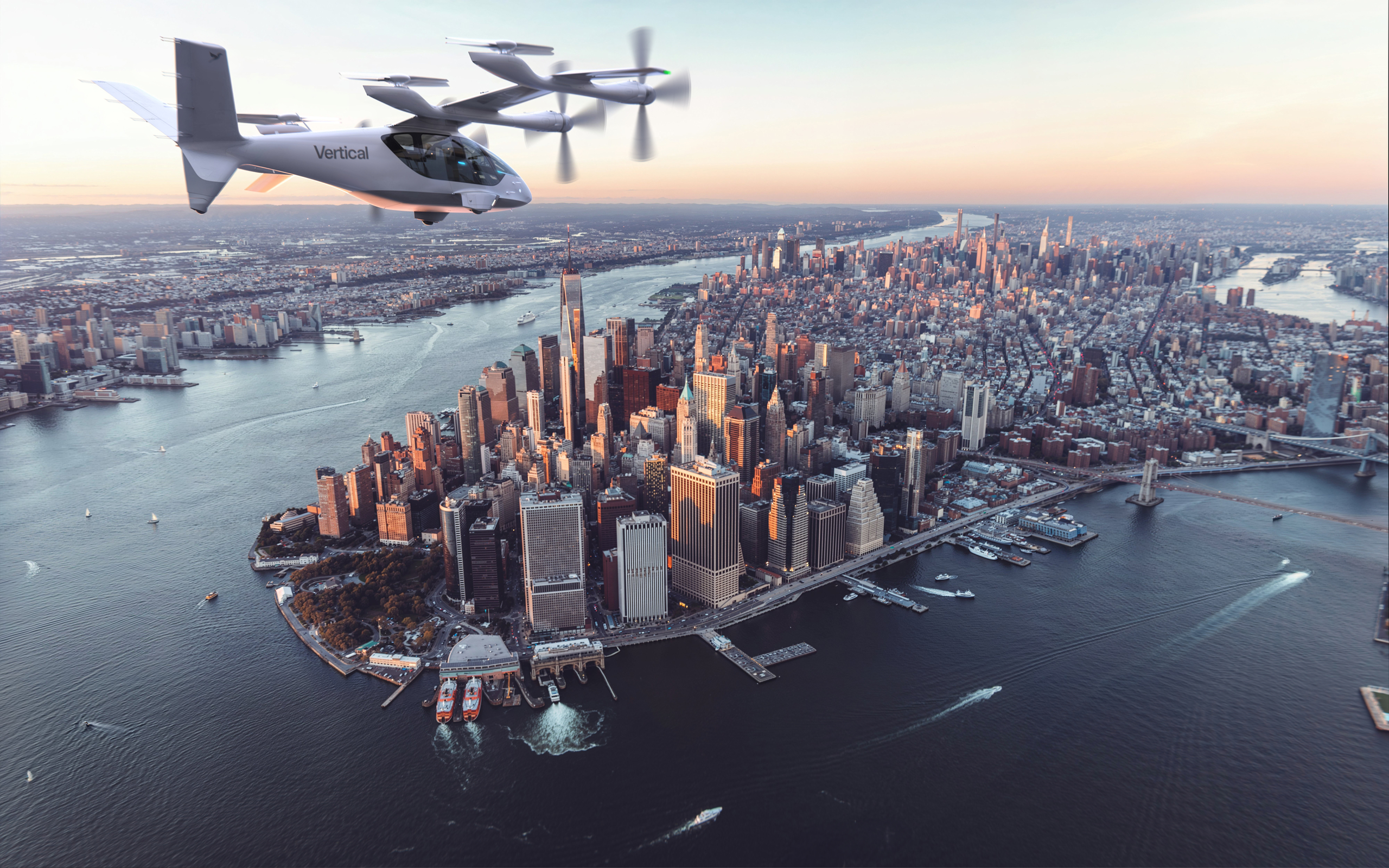
UK-based Vertical Aerospace has chosen New York City for the US debut of Valo, its new commercial eVTOL aircraft, as the company begins laying out how electric air travel could operate in one of the world’s most demanding and operationally complex urban markets.
For Vertical, New York is not just another stop on a promotional tour. It is a deliberate test case.
Dense, congested, premium-heavy and tightly regulated, the city represents both the hardest proving ground and one of the clearest opportunities for electric vertical take-off and landing aircraft to move from concept to credible transport solution.
This week’s US tour builds directly on Valo’s full-scale unveiling in London in December and marks the next phase in Vertical’s engagement with regulators, investors, operators and infrastructure partners, ahead of a planned entry into service in 2028.
From London unveiling to US debut: Valo eVTOL arrives in New York
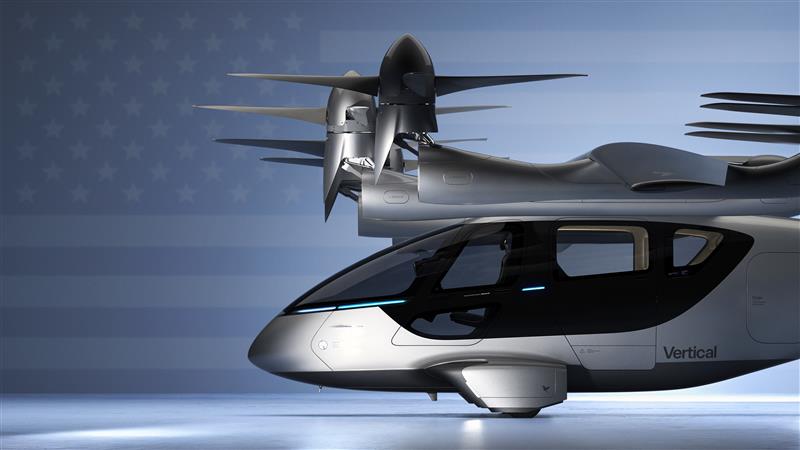
Valo’s arrival in New York marks the first time the aircraft has been shown at full scale in the United States, giving American stakeholders their first close look at a platform designed not as a demonstrator, but as a certification-ready commercial product.
The aircraft will go on public display on 23 January at the Classic Car Club in Manhattan, where visitors will be able to experience Valo’s cabin layout, size and configuration at close quarters. No tickets are required, underscoring Vertical’s intent to demystify electric aviation and place the aircraft in front of a broad audience.
“The US Valo tour builds on the momentum from our London unveiling and a year of strong execution across testing, partnerships and certification,” said Stuart Simpson, chief executive of Vertical Aerospace. “New York is a natural next step to explore how electric aviation could support urban and regional travel in the US, working with partners like Bristow and Skyports to keep safety, certification and real-world operations at the core.”
Why New York is a natural test case for electric air taxis
New York City presents a unique combination of challenges and advantages for advanced air mobility. Chronic congestion routinely turns short ground journeys into multi-hour ordeals, while demand for premium, time-sensitive travel remains strong.
At the same time, the city already hosts one of the world’s most established helicopter networks, complete with multiple heliports and well-defined operating procedures.
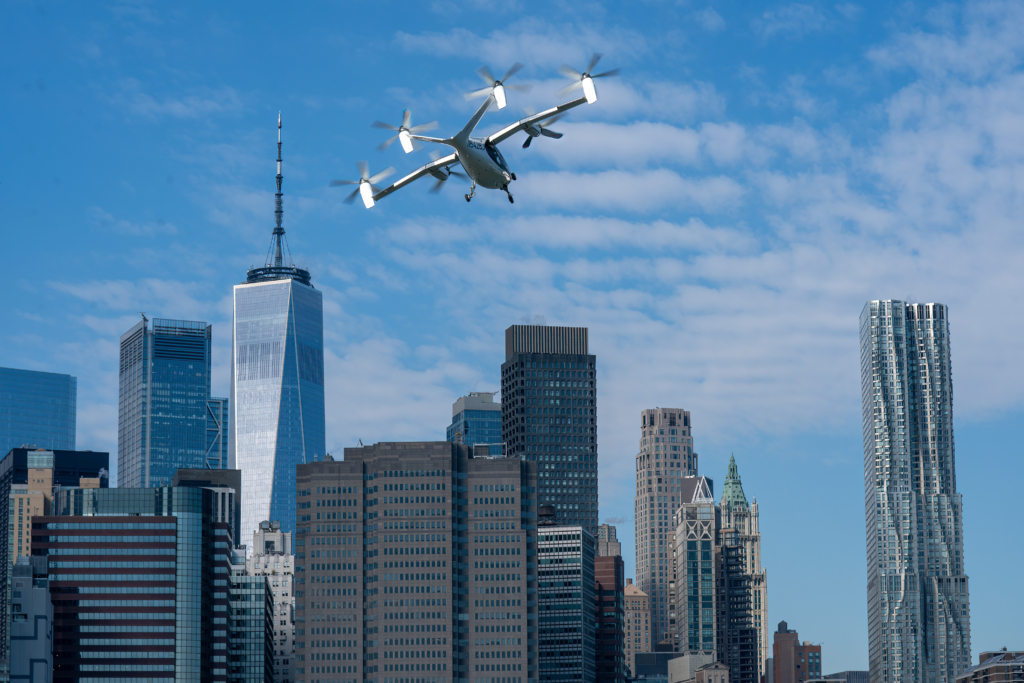
Vertical believes those characteristics make New York a natural early market for electric air taxis, provided they can be integrated safely and responsibly into existing infrastructure.
The company is working with Bristow Group and Skyports Infrastructure to explore practical, near-term use cases for Valo in and out of Manhattan, focusing on routes that convert hours on the road into minutes in the air.
From aircraft to operations: How the Valo eVTOL could fly in New York
Rather than leading with abstract visions of future cities, Vertical’s New York plans are grounded in operational realism. Bristow brings decades of experience operating complex aviation missions across passenger transport, offshore energy and government services, while Skyports contributes established infrastructure, including its Downtown Skyport facility in Manhattan.
“Bristow operates complex aviation services all over the world, from offshore energy to government and passenger transport,” said Chris Bradshaw, president and chief executive of Bristow Group. “Exploring future eVTOL use cases in a market like New York allows us to apply that operational experience to new, sustainable aviation concepts as the technology and regulatory environment continue to mature.”
The work focuses on feasibility, infrastructure integration and real-world use cases, rather than speculative point-to-point networks that would require entirely new city approvals.
Air taxi routes to cater to demand
The routes being evaluated around New York reflect existing travel patterns rather than hypothetical ones.
Airport transfers form a central pillar, with concepts linking Downtown Skyport to major regional airports such as John F Kennedy International Airport, significantly reducing journey times for business and leisure travellers. Event travel is another focus, including game-day access to MetLife Stadium, potentially routed via established aviation hubs such as Teterboro Airport.
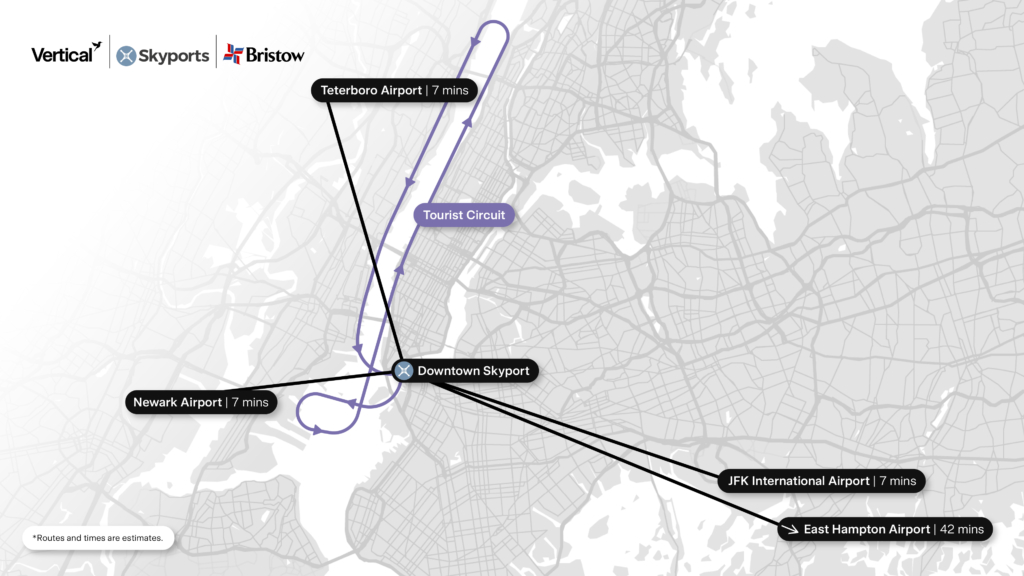
Other use cases include aerial sightseeing and air tours departing from Manhattan, weekend leisure routes connecting the city with East Hampton, and cross-town urban transfers between Downtown Skyport and heliports such as West 30th Street and East 40th Street.
Emergency medical services are also under consideration, with potential transfer routes linking facilities such as Westchester County Medical Center and NYU Langone, where speed and reliability can be critical.
Operating partners such as Bristow would fly Valo in and out of Downtown Skyport, integrating electric aircraft into workflows already familiar to aviation authorities and city agencies.
Heliports and infrastructure will determine eVTOL success in New York
Skyports’ involvement reflects the growing recognition that infrastructure, rather than aircraft performance alone, will determine how quickly electric aviation scales.
“Skyports creates and operates the essential infrastructure that will support the integration of new eVTOL aircraft into existing cities and transport networks,” said Duncan Walker, chief executive of Skyports Infrastructure.
“Evaluating potential use cases around Downtown Skyport helps demonstrate how our infrastructure could support a wide range of journeys, from airports and events to leisure and urban connections, as electric aviation develops.”

This mirrors Vertical’s work in the UK, where it has outlined planned electric air-taxi routes from Canary Wharf to major transport hubs, including London Heathrow Airport, demonstrating how electric aircraft could be layered onto existing aviation ecosystems.
The Vertical Aerospace Valo eVTOL
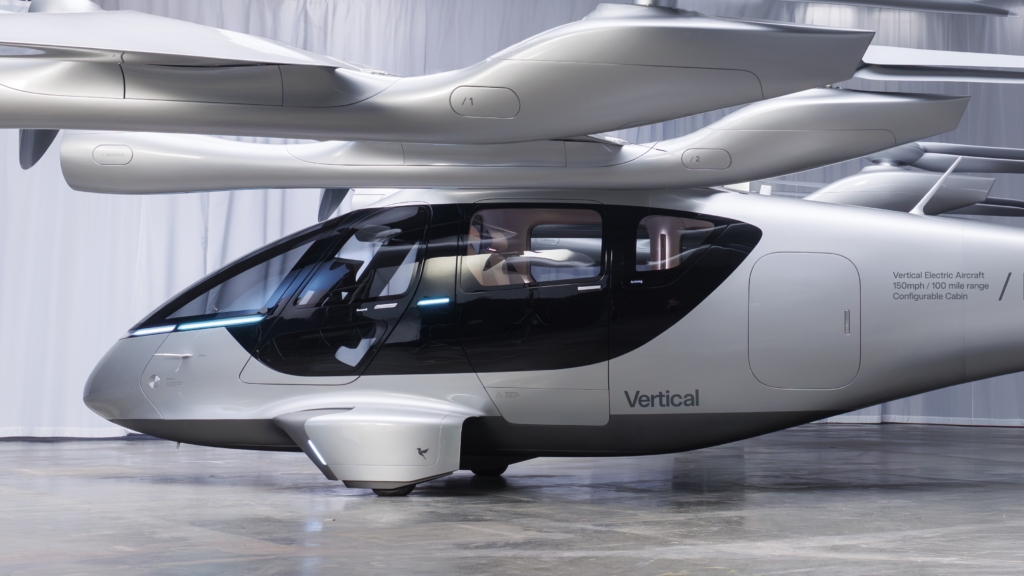
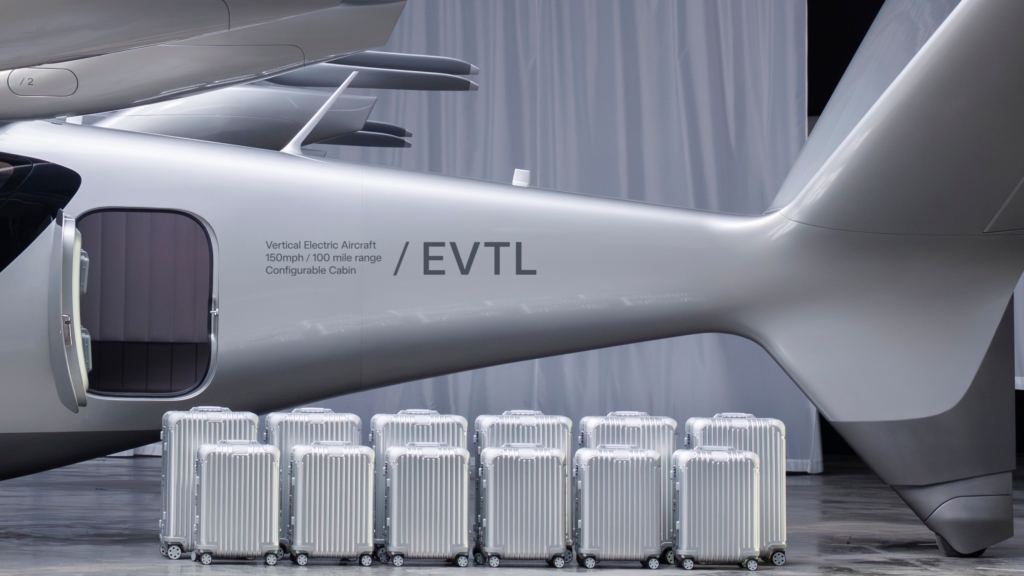
Valo is designed to fly up to 100 miles at speeds of up to 150 mph with zero operating emissions, targeting airliner-level safety standards.
The aircraft will initially launch with a four-seat premium cabin featuring panoramic windows, generous personal space and class-leading luggage capacity, before expanding to six seats to improve operator economics and lower passenger fares.
Vertical is targeting certification in 2028, enabling entry into service in the US and globally with airline and operator customers, including American Airlines.
The design reflects extensive airline and operator input, with flexibility to support passenger transport, emergency medical services, cargo missions and future variants.
Certification and regulation remain critical for eVTOL operations
Vertical has been careful to frame the New York debut as engagement rather than imminent deployment. Certification remains the critical milestone, with the company continuing to work through regulatory pathways in the UK, Europe and the United States.

By introducing Valo early to US regulators, city authorities and infrastructure partners, Vertical aims to align expectations and smooth the path toward commercial operations.
The approach reflects a broader shift across the eVTOL sector, away from aggressive timelines and towards demonstrable progress on safety, certification and operational credibility.
Why Vertical Aerospace is starting its US eVTOL push in New York
Valo’s public display in Manhattan is designed to anchor that message. Rather than flying demonstration sorties, the aircraft will sit at street level, inviting scrutiny of its scale, layout and intent.
If electric air travel is to work anywhere, Vertical is betting it must first make sense in New York.
Featured image: Vertical Aerospace