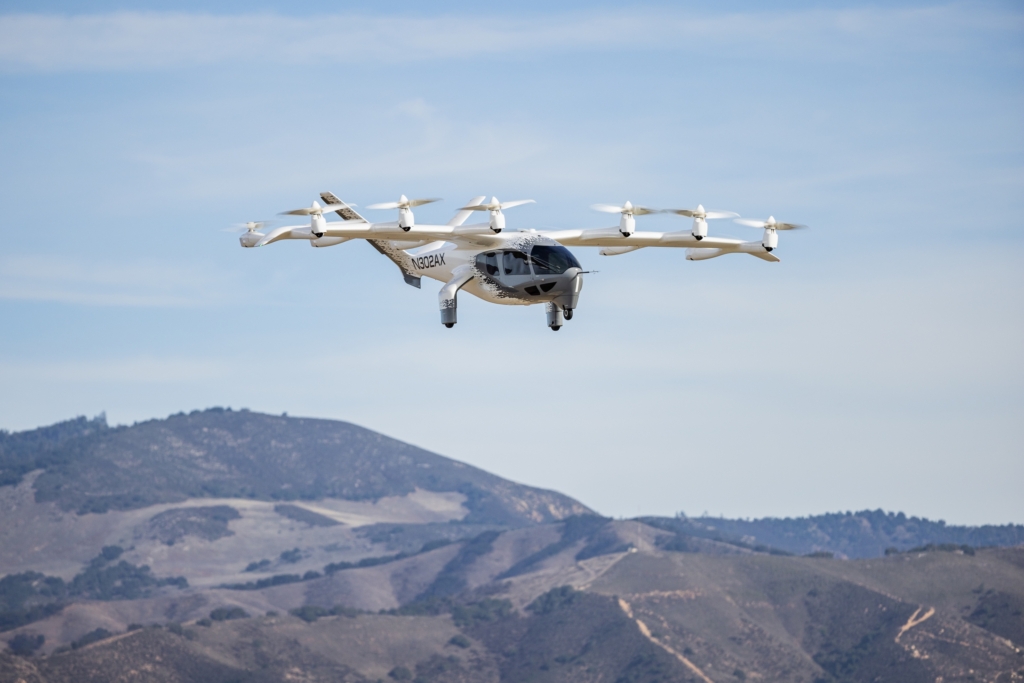
Archer plans to embed safety-critical AI computing into next-generation eVTOL aircraft

January 16, 2026
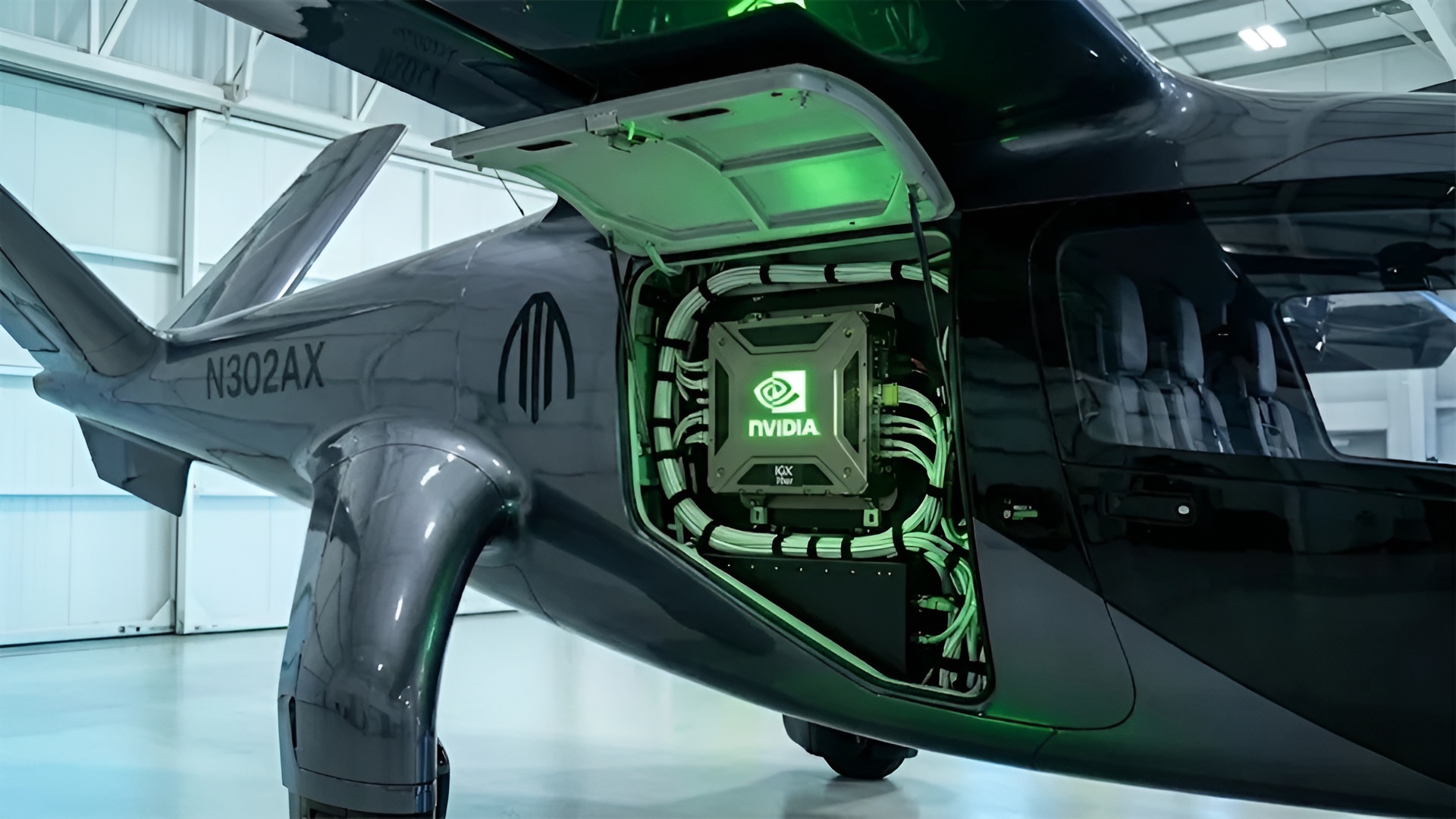
US aircraft developer Archer Aviation has outlined plans to integrate high-performance artificial intelligence computing directly into future iterations of its Midnight eVTOL. This, it says, will improve flight safety, airspace integration and long-term readiness for autonomous operations.
The initiative marks a shift towards placing advanced AI processing onboard the aircraft itself, rather than relying primarily on ground-based systems.
Archer believes this approach will allow aircraft to sense their surroundings more accurately, process flight and traffic data in real time, and provide pilots with clearer and earlier decision support in complex airspace.
The plans were disclosed at CES 2026, where Archer confirmed it is working with NVIDIA to integrate the NVIDIA IGX Thor platform into future aircraft programmes, as well as into its wider aviation technology ecosystem.
What onboard AI computing changes inside Archer’s eVTOL
At the centre of the effort is NVIDIA IGX Thor, an industrial-grade onboard computing platform designed for safety-critical environments.
Unlike conventional avionics computers, which are typically limited to specific flight functions, IGX Thor is designed to process large volumes of sensor data simultaneously and run multiple AI models in real time.
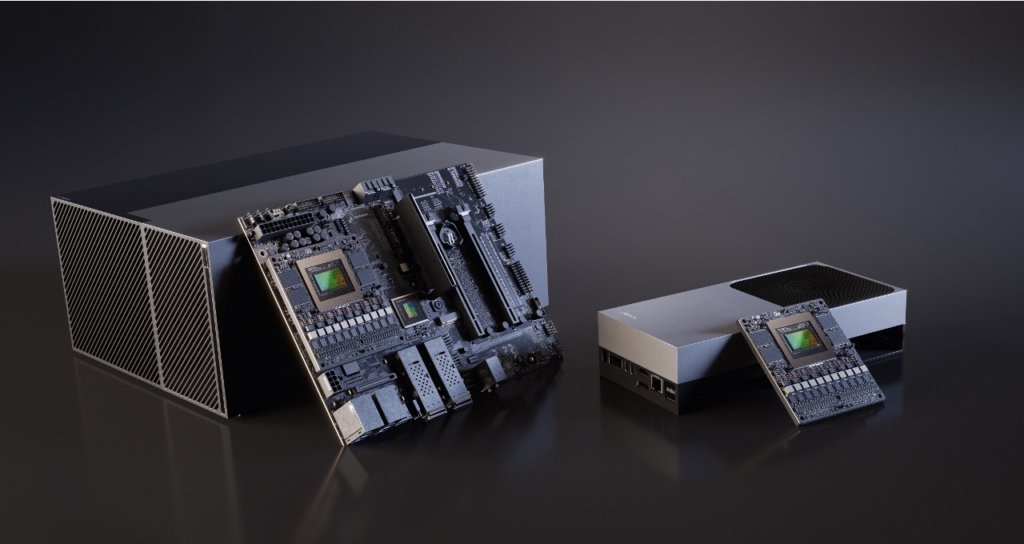
In practical terms, this allows radar, cameras, navigation systems and flight-path data to be analysed together onboard the aircraft, rather than being processed in isolation or sent back to ground systems for analysis.
The goal is to give pilots earlier warning of potential hazards, improved situational awareness, and more precise guidance in congested or highly dynamic airspace.
Archer says the system is being developed with aviation safety requirements in mind, including redundancy, fault tolerance and long-term operational reliability.
Archer’s plan for AI: Flight safety, airspace integration and autonomy
According to Archer, the AI integration is being structured around three core areas.
The first is pilot safety and predictive awareness. By continuously processing environmental and flight data, the system is designed to detect potential conflicts or anomalies earlier than traditional systems, helping pilots respond before situations escalate.

The second area is airspace integration. As urban air mobility and advanced aircraft concepts begin to share airspace with conventional traffic, Archer is developing AI-based tools to support smarter routing, traffic-aware flight planning and improved interaction with existing air traffic management systems.
The third pillar is autonomy readiness. While Archer stresses that its aircraft will initially be piloted, the onboard computing architecture is intended to support future semi-autonomous or autonomous functions as regulatory frameworks evolve.
Onboard AI computing matters for aviation safety
Aviation has traditionally relied on systems that behave in predictable, pre-programmed ways. The introduction of onboard AI changes this by allowing aircraft systems to interpret patterns, adapt to changing conditions and support more complex decision-making.
This shift also brings certification and safety challenges. IGX Thor is designed specifically for such environments, combining high computing performance with enterprise-grade security, functional safety features and long-term support cycles of up to 10 years.
NVIDIA says the platform is already being evaluated or adopted in other safety-critical sectors, including rail transport, industrial automation, robotics and medical systems, where real-time decision-making and reliability are essential.
Hawthorne Airport as a testbed for AI-enabled flight operations
Archer plans to debut the NVIDIA-powered systems at Hawthorne Airport, which it recently acquired.
The site is expected to serve both as the operational hub for Archer’s planned Los Angeles air taxi network and as a testbed for AI-enabled aviation technologies.
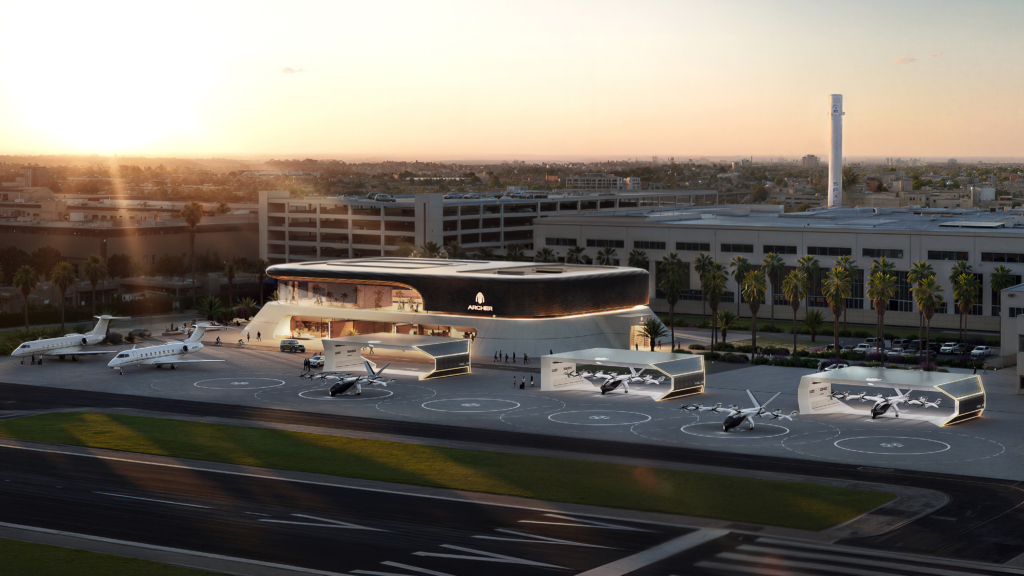
Beyond flight operations, Archer says the AI platform could also be applied to manufacturing processes, fleet monitoring and pilot training, allowing aircraft performance data to be analysed and fed back into operations more efficiently.
AI for a safer aviation future
While Archer’s immediate focus is on its own aircraft programmes, the move towards onboard AI computing reflects a wider shift underway across the aviation sector.
As aircraft become more connected, sensor-rich and digitally managed, the ability to process data at the edge, inside the aircraft, is increasingly seen as critical.
Industry observers note that such systems could eventually reduce pilot workload, improve safety margins in dense airspace, and enable new operational concepts without requiring radical changes to existing air traffic infrastructure.
Featured image: Archer Aviation