


Embraer delivers first A-29N to Portugal as talks begin on European assembly line for Super Tucano

4 min read
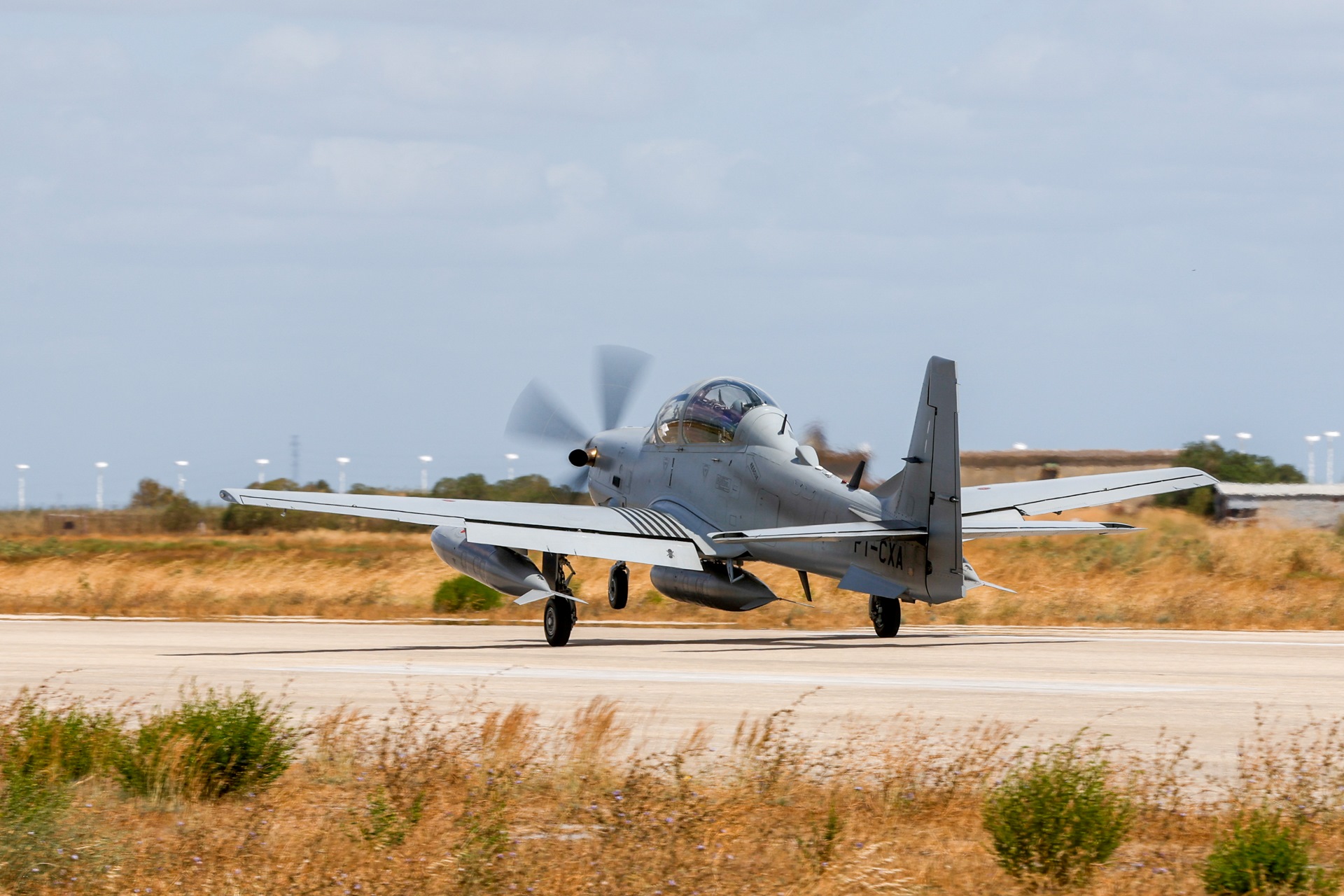
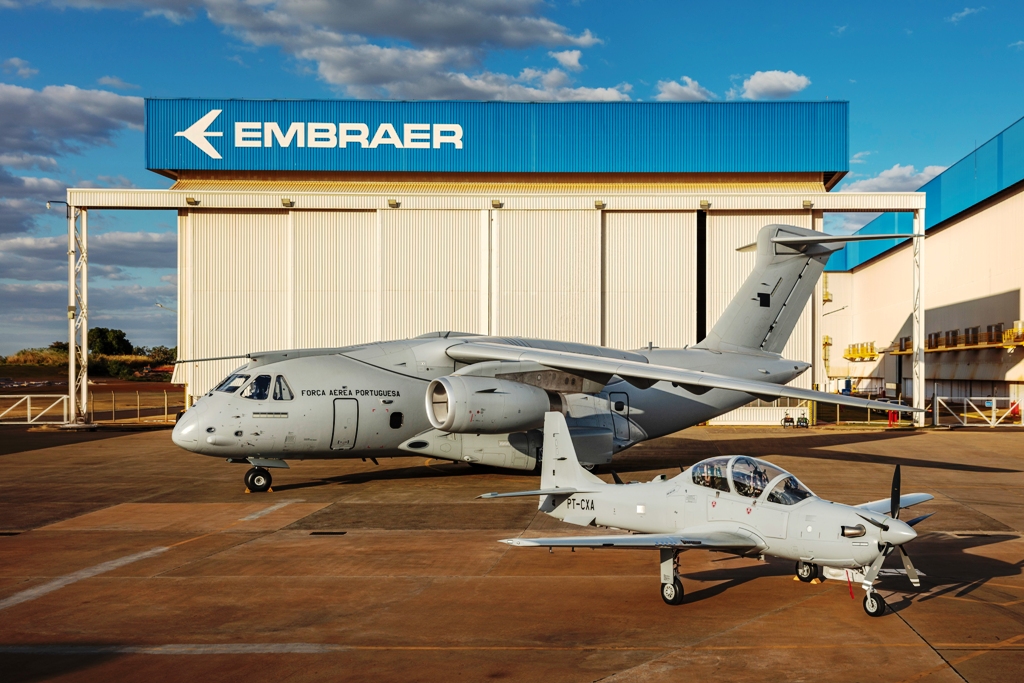
Embraer has delivered the first A-29N Super Tucano to the Portuguese Air Force, while opening the door to the possible establishment of a final assembly line for the aircraft in Portugal, a move that could position the country as a European production hub for the NATO-configured turboprop.
The Brazilian manufacturer handed over the first five aircraft during a ceremony at OGMA’s facilities, attended by Portuguese government officials, air force leadership and Embraer executives.
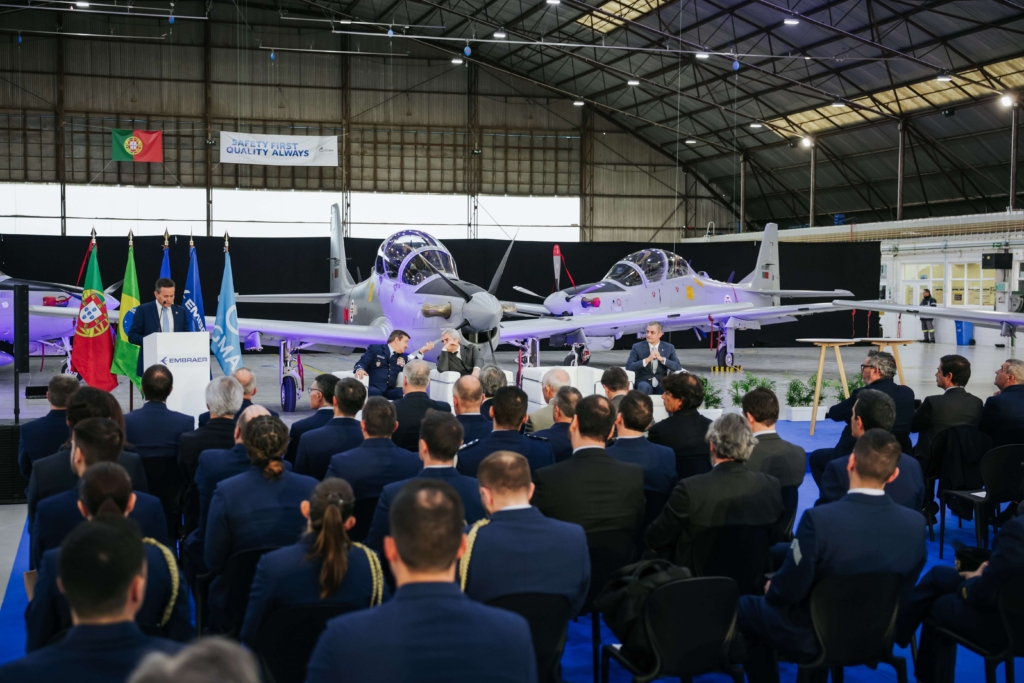
At the same event, Embraer and the Portuguese state signed a Letter of Interest to explore setting up a final assembly line for the A-29N in Portugal. The initiative would aim to support potential future demand from other European nations, primarily through government-to-government procurement agreements.
Portugal’s A-29N Super Tucano to reach full operational capability by 2027
Portugal is the first operator of the A-29N, a variant developed specifically to meet NATO operational requirements.
The aircraft form part of a 12-unit order approved in December 2024 and valued at around €200 million ($235 million).
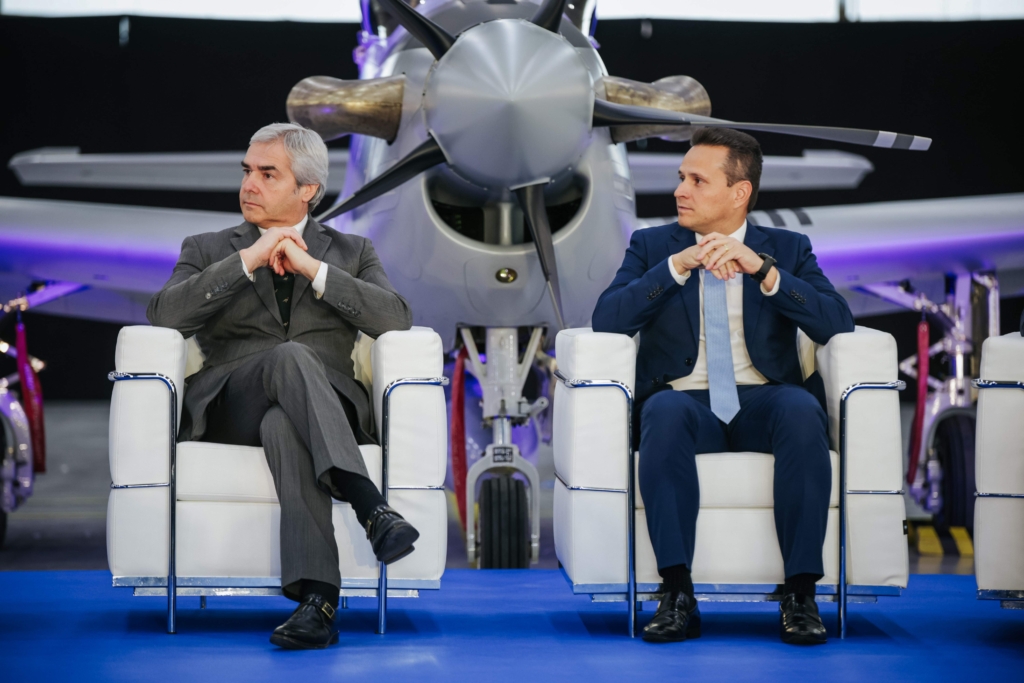
The contract includes pilot training, a simulator, logistical support and military modifications, with the first aircraft now entering service and full operational capability expected by the end of 2027.
A-29N Super Tucano introduces new air attack capability for Portugal
For Lisbon, the programme represents both a military and industrial milestone. Defence minister Nuno Melo said the aircraft introduces a new air attack capability while also addressing emerging mission profiles, including counter-drone operations.
He stressed that the Super Tucano was selected by the air force on technical grounds, with political decisions following professional military assessments.
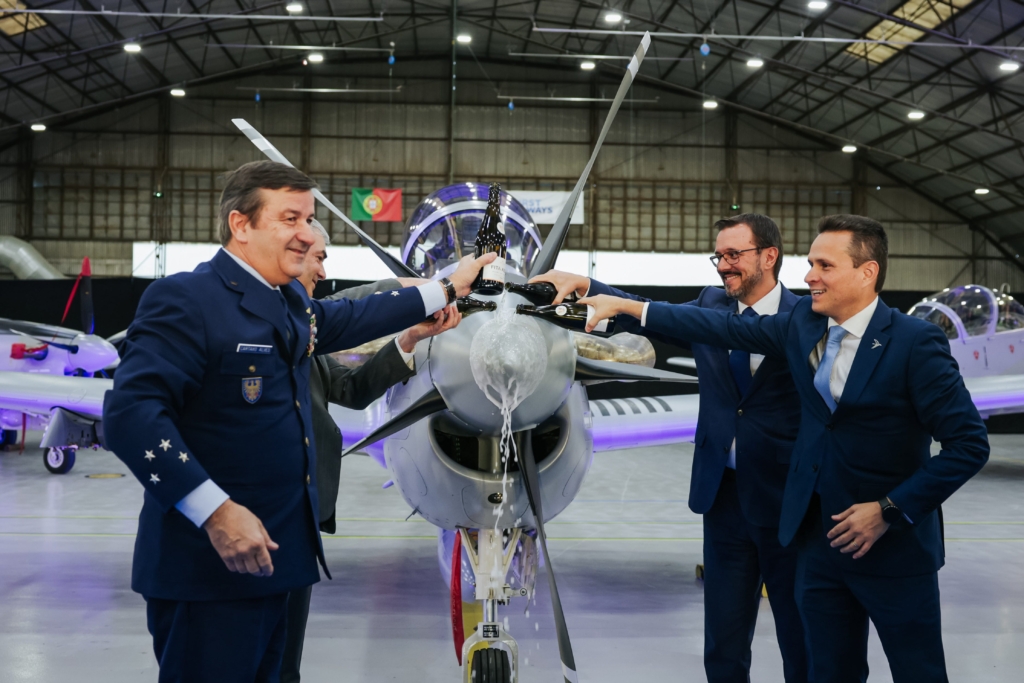
The Chief of Staff of the Portuguese Air Force, General João Cartaxo Alves, described the delivery as a decisive step in modernising the service.
Beyond replacing pilot training aircraft that have been in service for nearly four decades, he said the A-29N would strengthen close air support capabilities in joint and combined operations while ensuring armed protection for forces on the ground.
Operating the first NATO-configured Super Tucano also gives Portugal a strategic edge and an economic return, he added.
Embraer builds on KC-390 success as A-29N deepens Portugal partnership
Embraer views the programme as a natural extension of its growing defence footprint in Portugal, which already includes the KC-390 Millennium transport aircraft.
Bosco da Costa Junior, president and chief executive of Embraer Defense & Security, said interest in the A-29 for counter-UAS missions is rising across Europe, driven by evolving threat environments and the need for cost-effective solutions.
A potential assembly line in Portugal, he said, could support new business opportunities while deepening cooperation with the local defence industry.
OGMA, Embraer’s joint venture with the Portuguese government, will play a central role in integrating NATO-standard systems on the aircraft.
Production of the A-29N draws on more than 60 Portuguese and international suppliers, reinforcing Lisbon’s ambition to strengthen its defence industrial base while maintaining sovereign aerospace capabilities.
Why air forces are turning to the A-29 Super Tucano for low-cost missions
At the heart of renewed interest in the Super Tucano is a broader shift in air power thinking.
While high-end fighters such as the F-35 and Rafale dominate contested airspace missions, air forces are increasingly seeking affordable, flexible aircraft that can operate persistently from austere locations at a fraction of the cost.

The A-29 fits that niche, offering a multi-mission platform capable of pilot training, close air support, armed ISR, border patrol and air interdiction, an Embraer official noted.
Its turboprop design allows operations from unpaved runways with minimal infrastructure, while modern avionics, weapons integration and communications systems enable precise operations in complex environments.
“With low maintenance requirements and high availability rates, the Super Tucano has built a reputation for reliability across diverse theatres,” the official added.
Embraer Super Tucano in service with 22 air forces worldwide
That appeal is translating into renewed global demand. Embraer has delivered Super Tucanos to 22 air forces worldwide, with the fleet accumulating more than 600,000 flight hours.
In recent months, the company delivered aircraft to Paraguay, while the United States Air Force Test Pilot School has begun integrating A-29s into its curriculum to support training across a wide range of flight and mission evaluation tasks.

In Europe, the rise of low-cost aerial threats, particularly drones, has sharpened interest in aircraft that can loiter, identify and engage targets economically. The NATO-configured A-29N has been adapted with Alliance-compatible systems to meet those requirements, positioning it as a practical response to evolving security challenges.
For Portugal, the programme combines operational modernisation with industrial opportunity.
If a final assembly line is established, the country could become a focal point for European Super Tucano production, supporting jobs, skills and long-term aerospace growth.


