US Army retires 2 iconic spy plane: Guardrail & ARL sunsetted as HADES & ATHENA take over

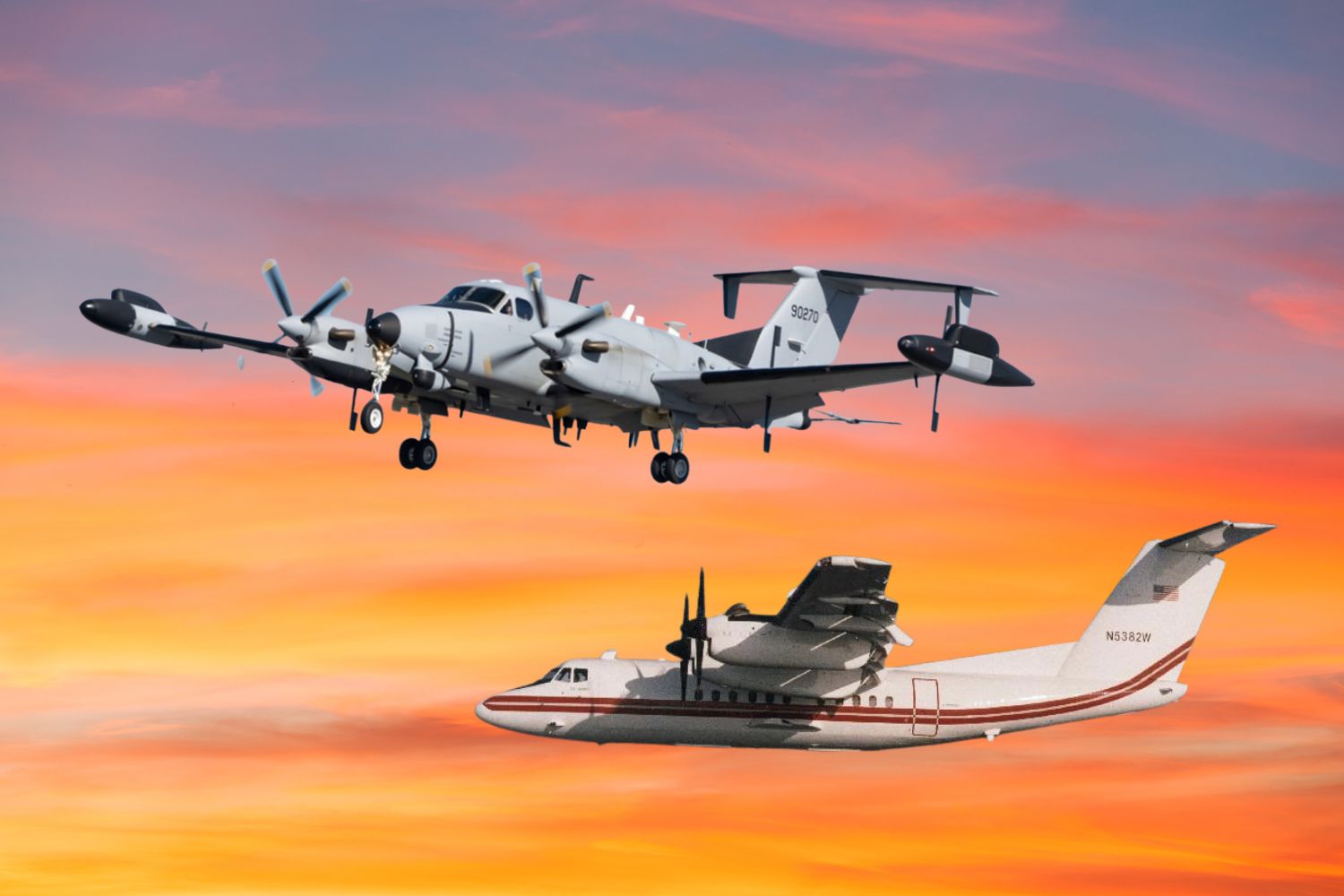
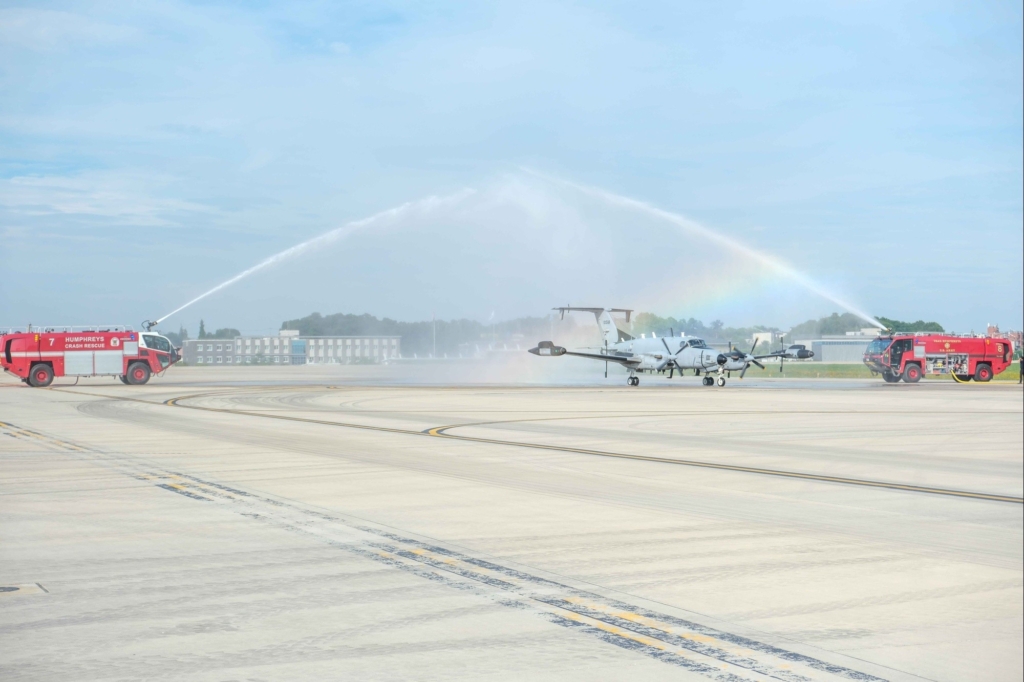
With a commemorative flypast and a salute from soldiers of the Republic of Korea, the US Army bid farewell to two of its longest-serving aerial intelligence platforms – Guardrail and RC-7 Airborne Reconnaissance Low (ARL).
These were probably the last of its turboprop-powered intelligence, surveillance, and reconnaissance (ISR) aircraft.
The ceremony, held on 30-31 July 2025 and designated Operation Pacific Sunset, marked the end of an era in military intelligence.
At Desidario Army Airfield, the 501st Military Intelligence Brigade-Theatre (MIB-T) hosted final flights, exhibition displays, and tributes to the aircraft and the generations of soldiers who flew and maintained them.
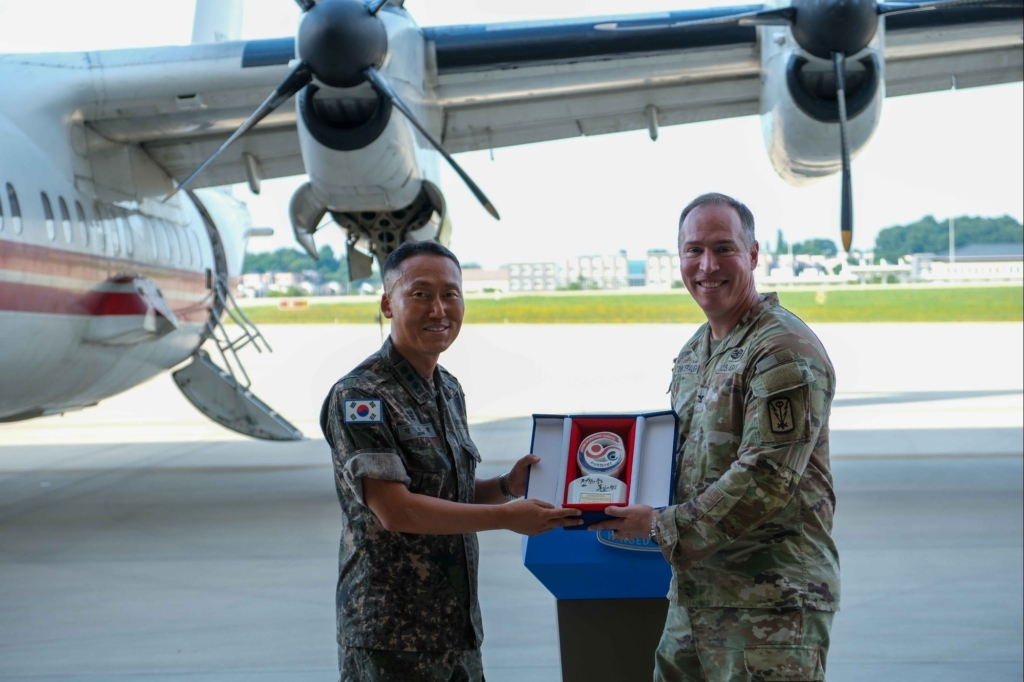
It was a moment steeped in both pride and poignancy, as the Army’s “eyes in the sky” of five decades handed the mission to a new generation of platforms.
Guardrail: Half a century watching the DMZ
Since 1975, Guardrail has been at the heart of the US Army’s intelligence, surveillance and reconnaissance (ISR) mission in Korea. Tasked with providing early warning and indications of hostile activity, the system monitored the tense border of the Demilitarised Zone (DMZ) through some of the most difficult years on the peninsula.
“[Guardrail] is our longest serving US Army ISR asset in the [Korean Theatre of Operations], and our only true [programme of record] aircraft,” recalled Lt. Col. Derrick J. Zantt, commander of the 3rd Military Intelligence Battalion.
By 1988, the Guardrail Common Sensor (GRCS) entered service under the 3rd MI Battalion, introducing a new generation of capabilities. Each successive version of Guardrail brought state-of-the-art technology, and at its height, the system was standard across six aerial military intelligence battalions worldwide.
The RC-12X, the final and most advanced version of the GRCS, was a twin-engine aircraft based on the Beechcraft King Air.
Outfitted with a sophisticated signals intelligence package and a ventral sensor turret carrying electro-optical and infrared full-motion video cameras, the RC-12X represented the culmination of decades of incremental improvement.
Until about three years ago, the Army still operated 14 GRCS aircraft, along with five RC-12X(T) pilot trainers stripped of sensors for instruction.
ARL: A quick reaction capability that endured
If Guardrail’s legacy was shaped on the Korean peninsula, ARL’s roots were in the jungles and mountains of South America.
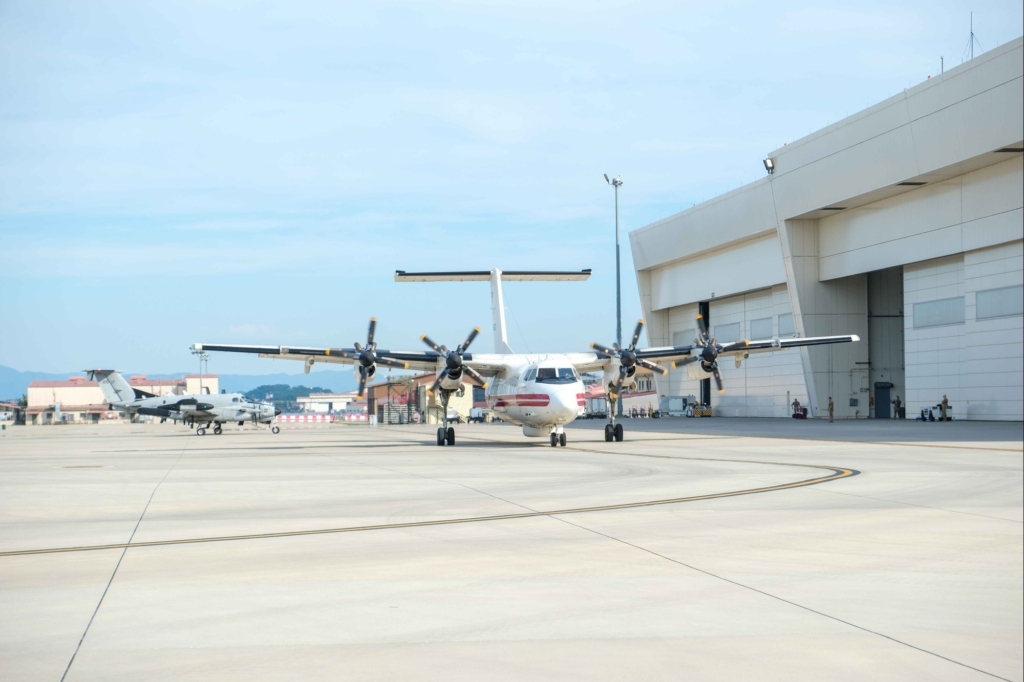
The RC-7 ARL system is a modified DeHavilland DHC-7 fixed-wing aircraft. The dual-pilot aircraft was modified to operate for extended 8 to 10-hour missions.
Developed in the 1990s as a quick reaction capability to meet US Southern Command’s counter-drug priorities, ARL rapidly proved its worth as a multi-intelligence platform.
“JSTARS couldn’t do it. The Air Force U-2 couldn’t do it. Even satellites couldn’t do it,” remembered Dr Thomas Hauser, historian for the US Army Intelligence and Security Command (INSCOM).
“INSCOM came through at the last minute with a solution: the versatile ARL. Their ever-watchful eyes stayed open all these years. It was always on the flightline or in the air, ready to serve the Army.”
Originally meant to fill a short-term gap, ARL became a trusted workhorse, staying in service well beyond the retirement of the OV-1D Mohawk and adapting to meet a wide range of intelligence requirements.
Service measured in hours, sorties, and lives
Across five decades, Guardrail and ARL together flew over 120,000 hours and completed more than 30,000 sorties. More than 800 military pilots cycled through their cockpits under the 3rd MI Battalion, each inheriting the responsibility of watching over soldiers on the ground.
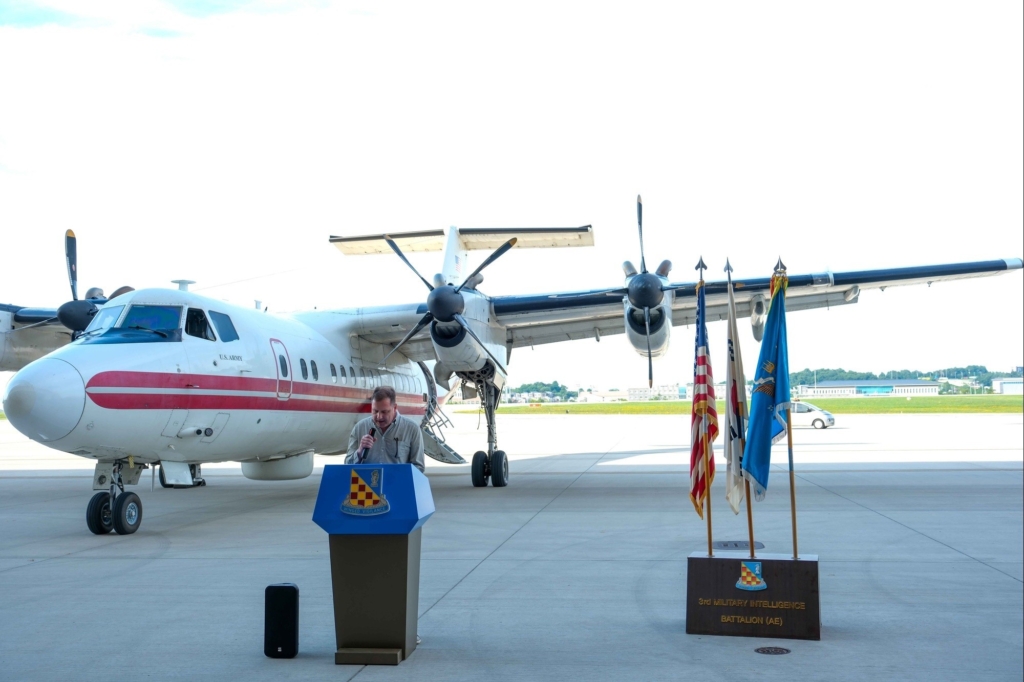
“Through the end of [its] life, the aircraft continued [its] operational collection mission until the last day and was able to effect a seamless handoff to the ATHENA programme,” said Col. Brian Tinklepaugh, commander of the 501st MI Brigade-Theatre.
ATHENA: A bridge to the future
The Army’s transition is now underway. The Aerial Theatre-level High-altitude Expeditionary Next Airborne (ATHENA) platform consolidates multiple intelligence disciplines into a single system.
Combining signals, electronic and geospatial intelligence, ATHENA is designed to give commanders a sharper picture of the battlefield by fusing data into a more complete view of a single target.
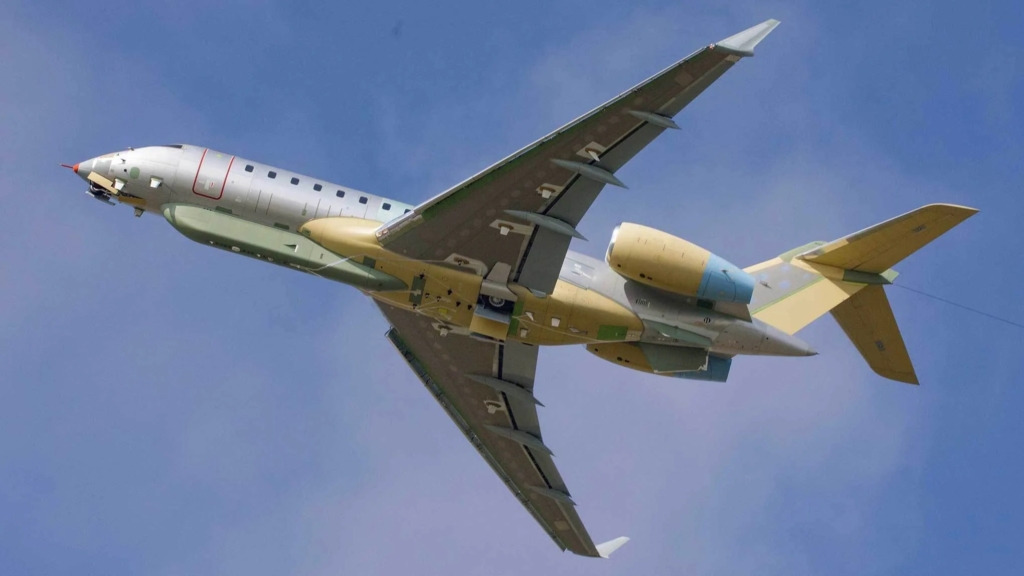
“These bridge aircraft will continue to inform HADES programmatic requirements, facilitate early implementation of new training concepts and fielding strategies, and ultimately ensure ‘No Cold Starts’ for the HADES program,” explained Jordan Rubin, chief of INSCOM G3 ISR Operations.
HADES: Shaping the next era of intelligence
Beyond ATHENA lies the High Accuracy Detection and Exploitation System (HADES), a crewed aerial platform optimised for high-intensity, multi-domain conflict.

Equipped with artificial intelligence and machine learning, HADES will process vast amounts of data on board, linking sensors directly to shooters to shorten the kill chain and accelerate battlefield decisions.
The aim is simple but transformative: to enable US commanders to see deeper, decide faster, and strike more effectively across complex theatres of war.
Honouring legacy, embracing the future
For many in uniform, however, Operation PACIFIC SUNSET was less about technology and more about people, the generations who kept Guardrail and ARL flying, day and night, for five decades.
“As we move forward to the Army’s aerial future with HADES, I’m incredibly proud of not just the [legacy] aircraft, but the men and women who have flown the aircraft, maintained the aircraft, and who have provided that intelligence watch over more than five decades,” Col. Tinklepaugh said.
The aircraft may have flown their last sorties, but their legacy endures in the safety they provided and in the new systems they helped make possible.
Operation Pacific Sunset was both a farewell and a bridge, from the trusted watch of Guardrail and ARL to the promise of ATHENA and HADES, ensuring that the Army’s eyes in the sky never close.