


Forced labour, Section 301 and the aerospace exemption worth checking
5 min read

Tony Nogueras is Founder and CEO of Alliance Drawback Services and a licensed US customs broker with nearly four decades of experience in duty drawback and customs compliance. He is a recognised drawback specialist who works with US Customs and Border Protection on policy and implementation matters.
On 24 July 2026, a new set of Section 301 tariffs took effect. Acting on findings that dozens of governments fail to enforce prohibitions on goods made using forced labour, the US Trade Representative imposed an additional duty of 10% on imports from economies that maintain a forced-labour import ban and 12.5% on those that do not.
The measures cover roughly 60 economies, including the European Union. The action replaced the expiring Section 122 tariffs and is applied on top of ordinary import duties.
For most industries, this represents a substantial new cost. For aerospace, however, the headline is different and worth examining closely.
Civil aircraft are exempt from the forced-labour tariff
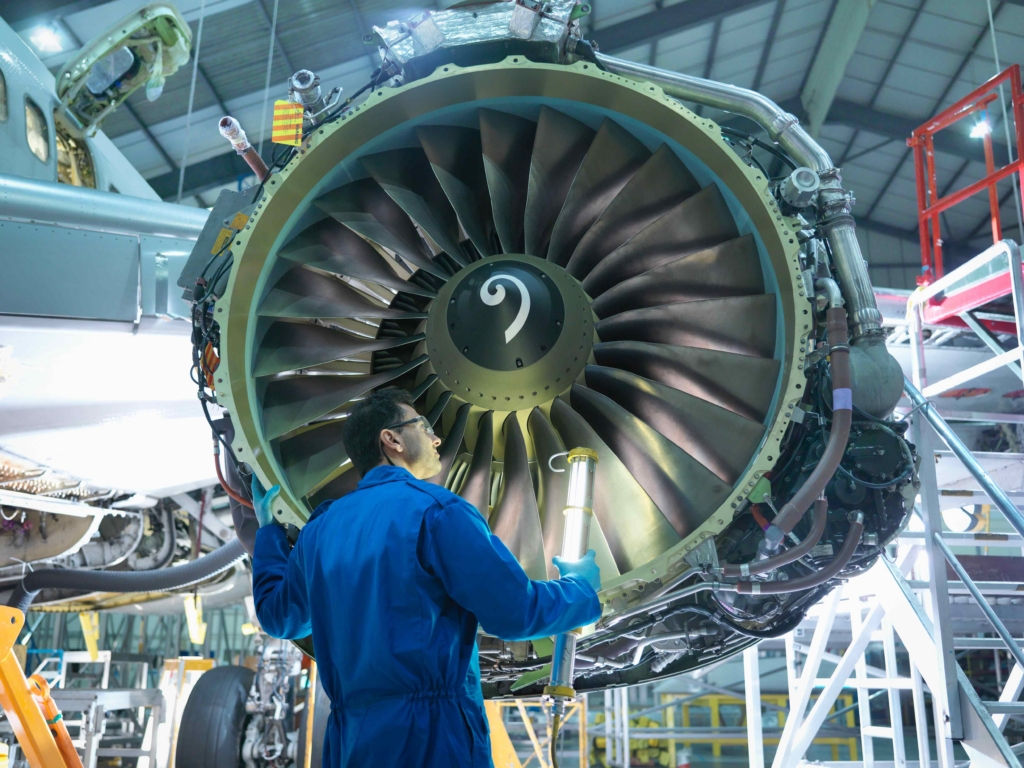
The forced-labour action includes a generally applicable exemption for civil aircraft, engines, parts, components, subassemblies and ground flight simulators. It applies regardless of which investigated economy the goods originate from.
In practical terms, the core civil aerospace bill of materials is largely shielded from this particular tariff. As a rule, a civil aircraft part sourced from an affected country is not subject to the additional 10% or 12.5% forced-labour duty.
This is a meaningful carve-out, reflecting the integrated and export-oriented nature of the civil aviation supply chain.
If the story ended there, aerospace could set the forced-labour tariff aside. It does not end there.
Which aerospace imports could still face Section 301 duties?
The exemption is written around civil aircraft and their parts, and an aerospace enterprise imports far more than that.
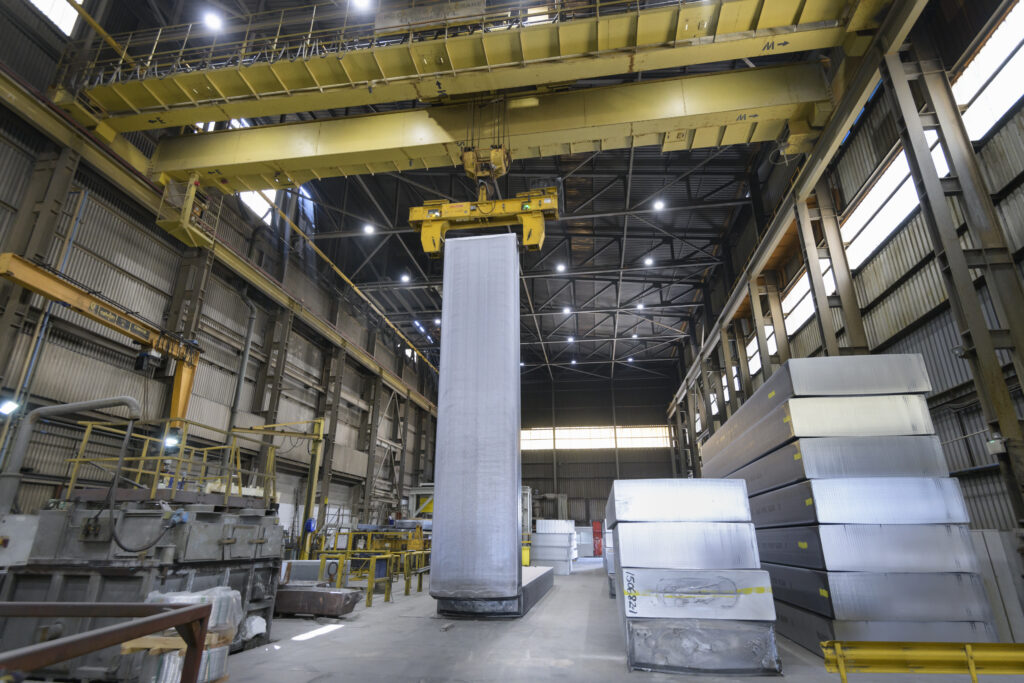
Raw materials and feedstocks, chemicals, coatings and adhesives, interior textiles, general hardware, electronics not classified under aircraft-parts headings, tooling, ground-support equipment, shop and MRO consumables, and packaging can all fall outside the aircraft carve-out.
Items within the defence and space sectors may also be excluded because the exemption is drawn specifically around civil aircraft. Whether an individual product qualifies is a classification question, decided at the eight-digit level of the tariff schedule, rather than by which division purchased it.
Two practical consequences follow.
First, some aerospace importers will be paying the forced-labour duty on inputs that fall just outside the exemption. Others may be paying it on parts that should have qualified but were incorrectly classified or flagged at entry. Both are worth identifying.
Second, the forced-labour action is only one of three active Section 301 tariffs affecting aerospace supply chains. The China technology-transfer lists, in force since 2018, impose tariffs of 25% on Lists 1 to 3 and 7.5% on List 4A. These reach a wide range of machined parts, electronics and materials.
The Brazil action, effective from 22 July 2026, adds 25% to most Brazilian goods. This is relevant to any company sourcing products from a country that is home to a major aircraft manufacturer. Both actions carry their own carve-outs, and both affect inputs routinely imported by aerospace companies.
Aerospace companies can recover Section 301 duties
Here is where tariff exposure can become an opportunity. Section 301 duties are eligible for duty drawback.
Under 19 USC 1313, a claimant can recover up to 99% of the duties, taxes and fees paid on imported merchandise that is subsequently exported or used to manufacture an exported product.
This applies across all three Section 301 actions: the forced-labour duties, the China lists and the Brazil action. It does not apply to every tariff. The IEEPA fentanyl tariff is excluded from drawback, while Section 232 steel and aluminium duties are recoverable only through the narrower manufacturing route. Section 301 duties, by contrast, are eligible.
Aerospace businesses are particularly well placed to benefit because the industry exports at scale. Finished aircraft, engines and parts are shipped worldwide, tier suppliers export subassemblies, and MRO businesses return serviced assets across the border.
Each of these movements can support a claim. As claims can be filed within five years of the date on which goods were imported, duties already paid on several years of previous entries may still be recoverable.
Satellite launches can qualify as exports for duty drawback
One point specific to the space and defence sectors is particularly important: goods launched into orbit qualify as exports for drawback purposes, even though outer space belongs to no nation.
US Customs and Border Protection has maintained this position for decades, based on the 1967 Outer Space Treaty, under which outer space is not subject to national appropriation. In ruling HQ H282698, it confirmed that the principle also extends to commercial launches conducted by private companies.
The test is not whether a specific altitude has been reached, but whether the goods enter permanent orbit and are therefore permanently removed from the United States.
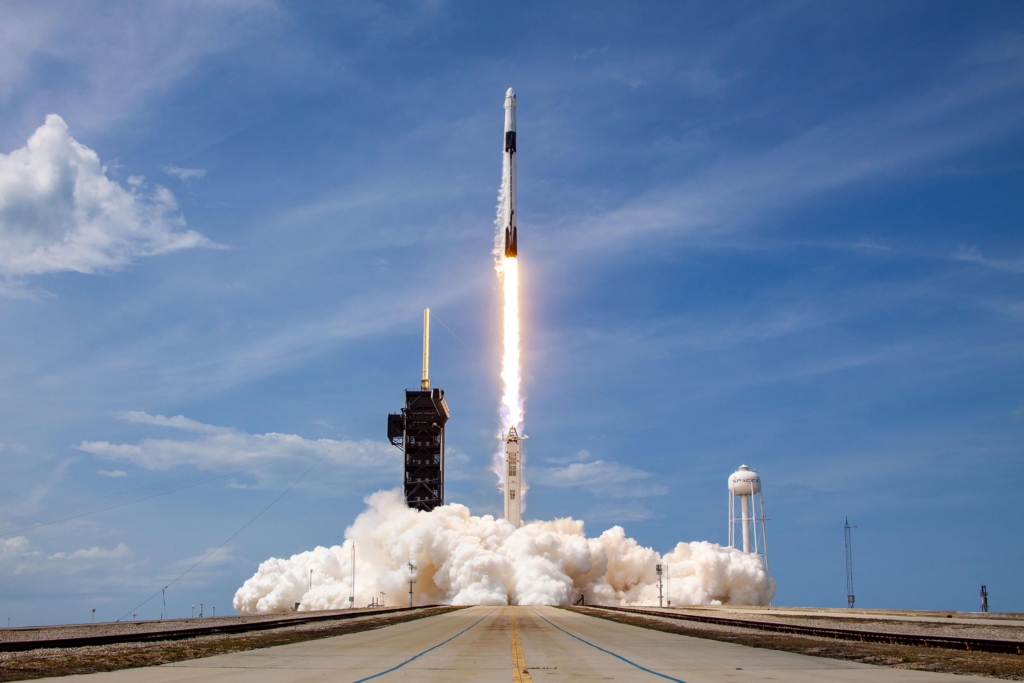
In practice, duty-paid components incorporated into a satellite can support a manufacturing drawback claim when the satellite is launched. Imported propellant that remains unused and is repackaged for return can qualify for unused-merchandise drawback.
Proof of export is documentary, typically comprising the launch company’s cargo manifest alongside evidence of the launch and entry into orbit.
Two duty drawback checks for aerospace importers
For aerospace importers, the forced-labour tariff should prompt two checks.
First, companies should confirm that the civil aircraft exemption is being applied correctly to their entries, ensuring they are not paying a duty from which they are exempt.
Second, businesses should establish a drawback programme for legitimately dutiable inputs that subsequently leave the country, whether across an ocean or into orbit. This can enable them to recover Section 301 duties arising from the forced-labour action, the China lists or the Brazil measures.
Both steps depend on accurate classification. Together, they can determine whether tariffs are treated as a fixed cost or a recoverable one.
Sign up for our newsletter and get our latest content in your inbox.


More from


January 15, 20251 min read

January 15, 20251 min read


April 18, 20241 min read


July 22, 20222 min read


November 21, 20232 min read