


What happens when an aircraft is de-iced?

4 min read
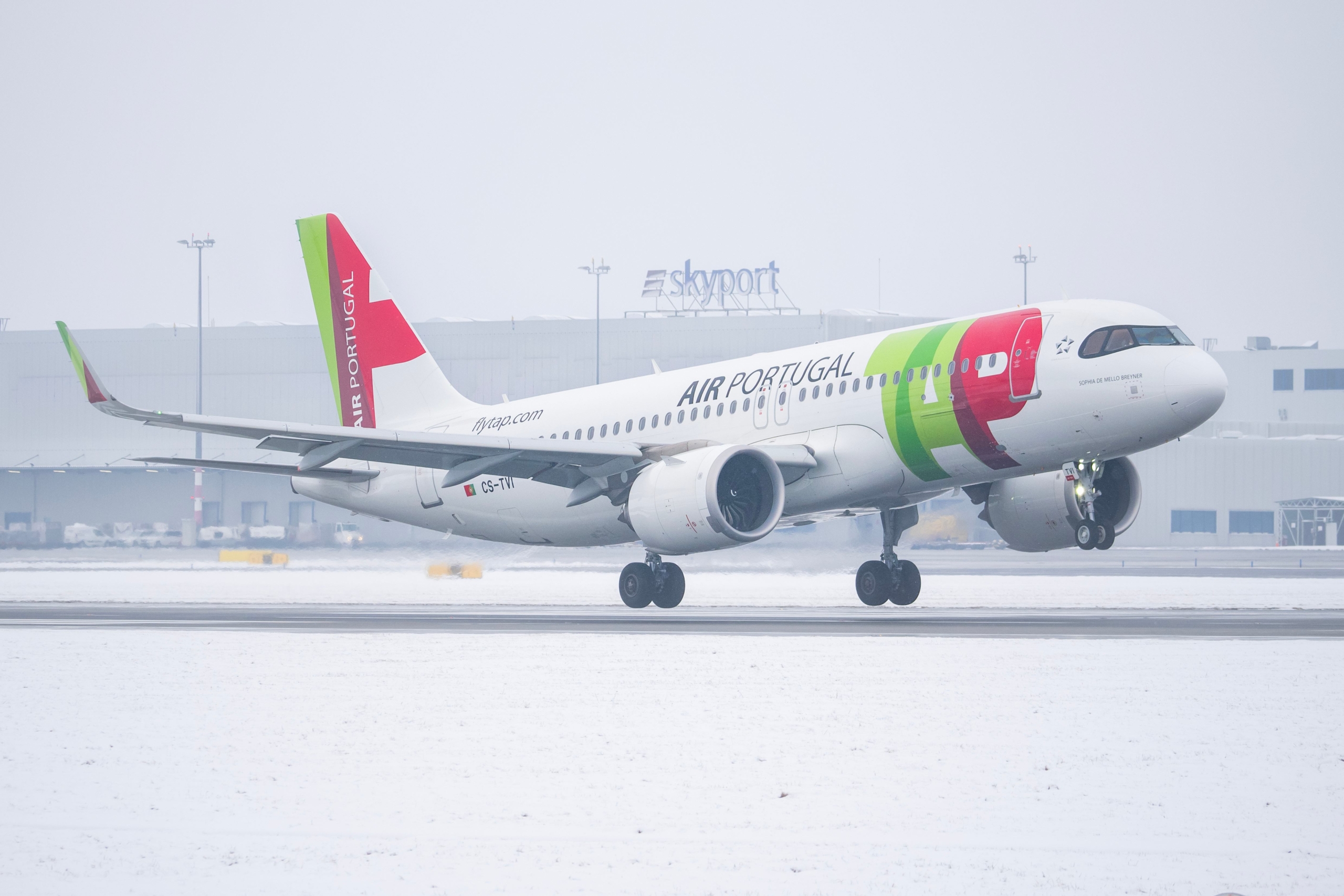
A slightly inconvenient but essential part of winter ops (or even occasionally summer ops) – aircraft de-icing.
But what exactly is happening during de-icing, and why is it so crucial to safe flight?
Ice and aerodynamics don’t mix
The reason is simple: ice is the enemy of lift. Even a thin layer of frost, often as rough as sandpaper, can disrupt the smooth airflow over a wing, reducing its performance. This increases drag, reduces lift, and in the worst cases, can prevent an aircraft from taking off safely.
Ice has long been a dangerous challenge, with Airbus recently issuing new cold-weather restrictions for A320neo Pratt & Whitney GTF engines after an Air Astana icing incident.
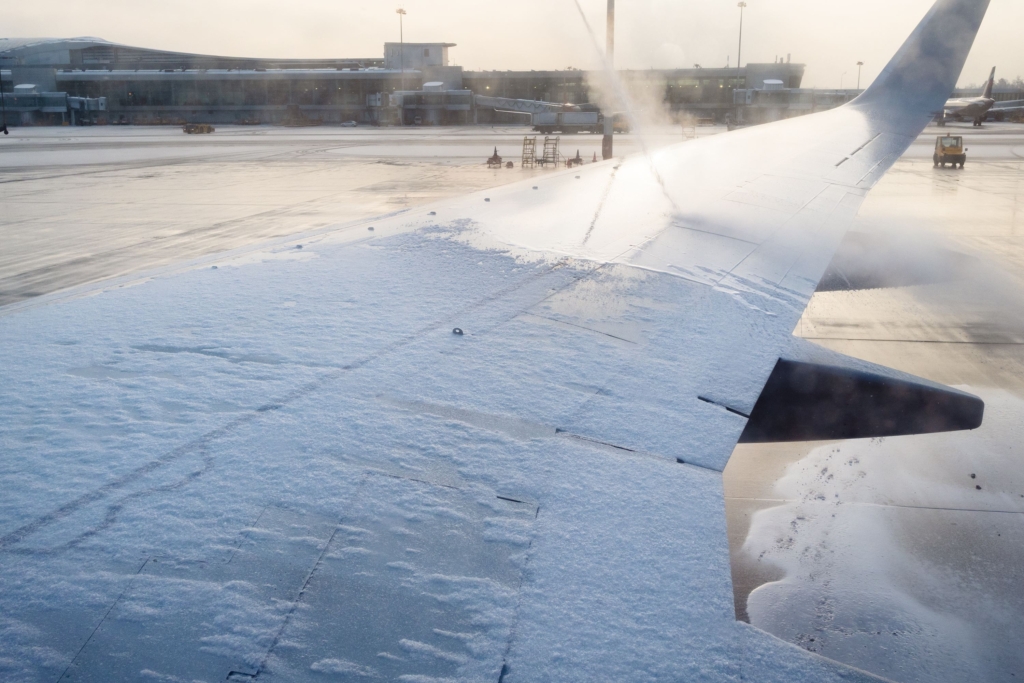
De-icing technology is also evolving all the time, with German researchers at Fraunhofer having developed a vibration-based de-icing system that removes ice using precise wing vibrations instead of heat.
Ice can also jam control surfaces, block sensors and affect engine performance. Because of these hazards, all surfaces must be contaminant-free before departure.
How the aircraft de-icing process begins
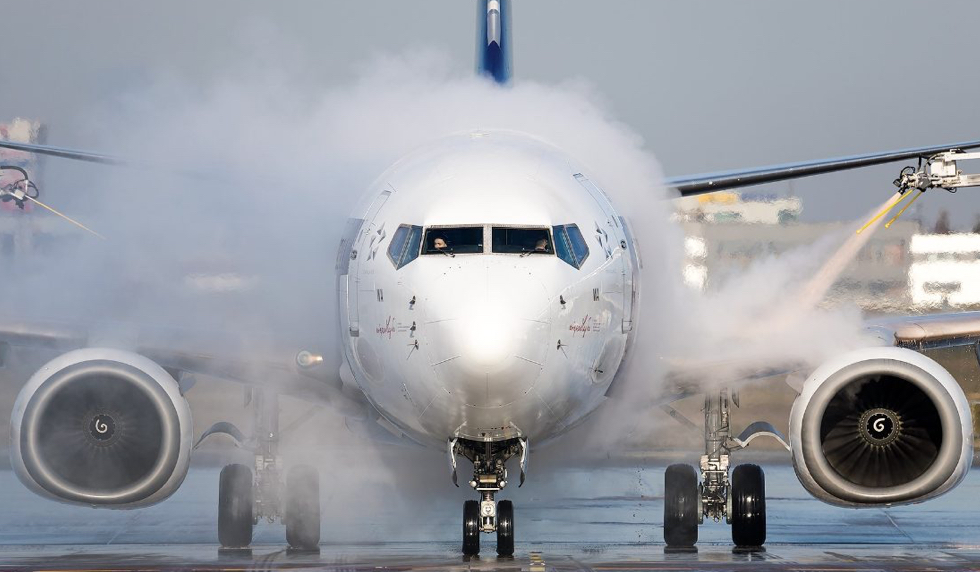
The de-icing process typically starts with Type I fluid, a heated mixture of glycol and water. This orange-coloured solution is sprayed at high pressure to remove existing ice, frost and snow. It works something like washing a car: the hot fluid loosens and melts frozen contamination, cleaning the aircraft’s wings, tail and fuselage.
Ground crews coordinate closely with pilots, confirming which surfaces need treatment and verifying that the aircraft is ready for the next stage. This collaboration means that all aerodynamic surfaces meet strict safety standards before flight.
What is the role of anti-icing fluids?
Once the aircraft is clear of ice, crews often apply anti-icing fluid, usually Type II, III or IV. These thicker, longer-lasting fluids – often green or yellow – are designed to prevent fresh ice from forming before take-off.
Anti-icing fluid acts as a protective shield. It absorbs falling snow or sleet and keeps the wing surface clean until the aircraft accelerates down the runway.
Once take-off speed is reached, the airflow shears the fluid away, restoring an aerodynamically smooth wing surface.
Holdover Time (HOT) and weather conditions
A major concept in winter operations is Holdover Time (HOT) – that is, the time during which anti-icing fluid is expected to remain effective.
This window varies based on weather factors such as precipitation type, temperature and intensity. Pilots and dispatchers use detailed HOT tables to determine whether the aircraft remains protected.
If a delay pushes the flight beyond its holdover time, the aircraft must return for another round of de-icing. This ensures that the protective coating remains effective right up until takeoff.
Communication between pilots and de-icing crews
De-icing is a major part of a pilot’s winter pre-flight checklist and communication during the process is essential. De-icing teams provide the flight crew with a de-icing report, confirming which fluids were used, their concentration, and the time the procedure was completed. Pilots rely on this data to calculate holdover time and ensure regulatory compliance.
Who maintains de-icing trucks and equipment?
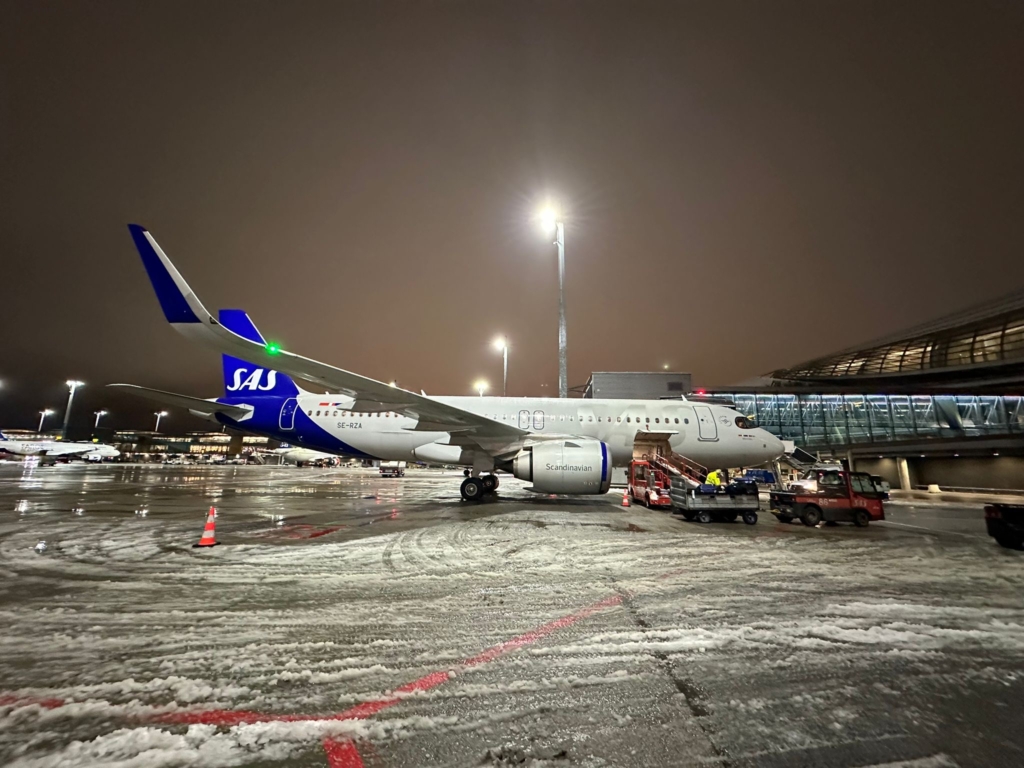
De-icing trucks and related equipment are generally maintained by specialised ground handling companies or dedicated airport GSE teams, depending on the airport’s structure and service contracts.
These organisations employ trained technicians who carry out routine inspections, servicing and repairs to keep the vehicles and spray systems operating safely and reliably.
Many airports also work closely with equipment manufacturers and certified maintenance providers to meet strict regulatory and safety standards, so that de-icing operations run smoothly even during the harshest weather.
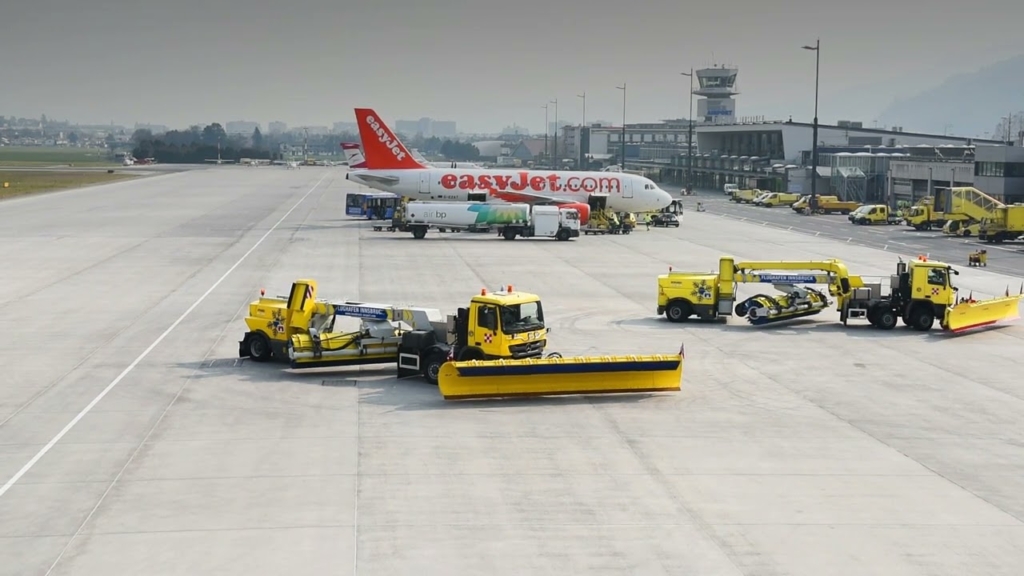
Aviate Engineering, based at Bournemouth Airport, services and maintains the de-icing and other essential ground ops equipment there.
Director Ryan Baker told AGN: “Throughout winter, scheduled maintenance is completed on the de-icers, including full service, LOLER/PUWER test, full calibration of temperature system, calibration of delivery system, fire suppression system testing and glycol heater service and set-up.
“The maintenance is a lengthy process, but it ensures the equipment is in optimum condition with minimum downtime.
“Breakdowns are inevitable with any GSE, but we keep stock of common components to keep downtime to a minimum and avoid disruption. To avoid delays, we have a team on site before the first departures, so if any problems do occur, we can respond as quickly and as efficiently as possible.”
Get all the latest commercial aviation news on AGN here.
Featured image: TAP Air Portugal


