US Army seeks contractors to deliver 11 Bombardier Global 6500-based spy planes

January 30, 2026
For more than five decades, the US Army’s airborne intelligence mission has relied on turboprop aircraft circling patiently over the battlefield. That era is now drawing to a close.
A newly issued Request for Information (RFI) shows the Army preparing to replace much of its legacy Intelligence, Surveillance and Reconnaissance (ISR) fleet with high-altitude, long-range business jets, a shift driven by the demands of modern warfare and near-peer competition.
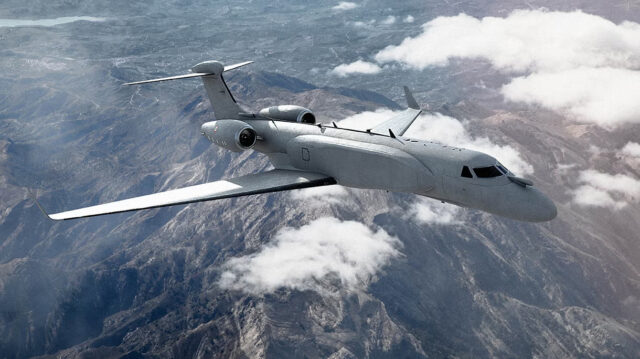
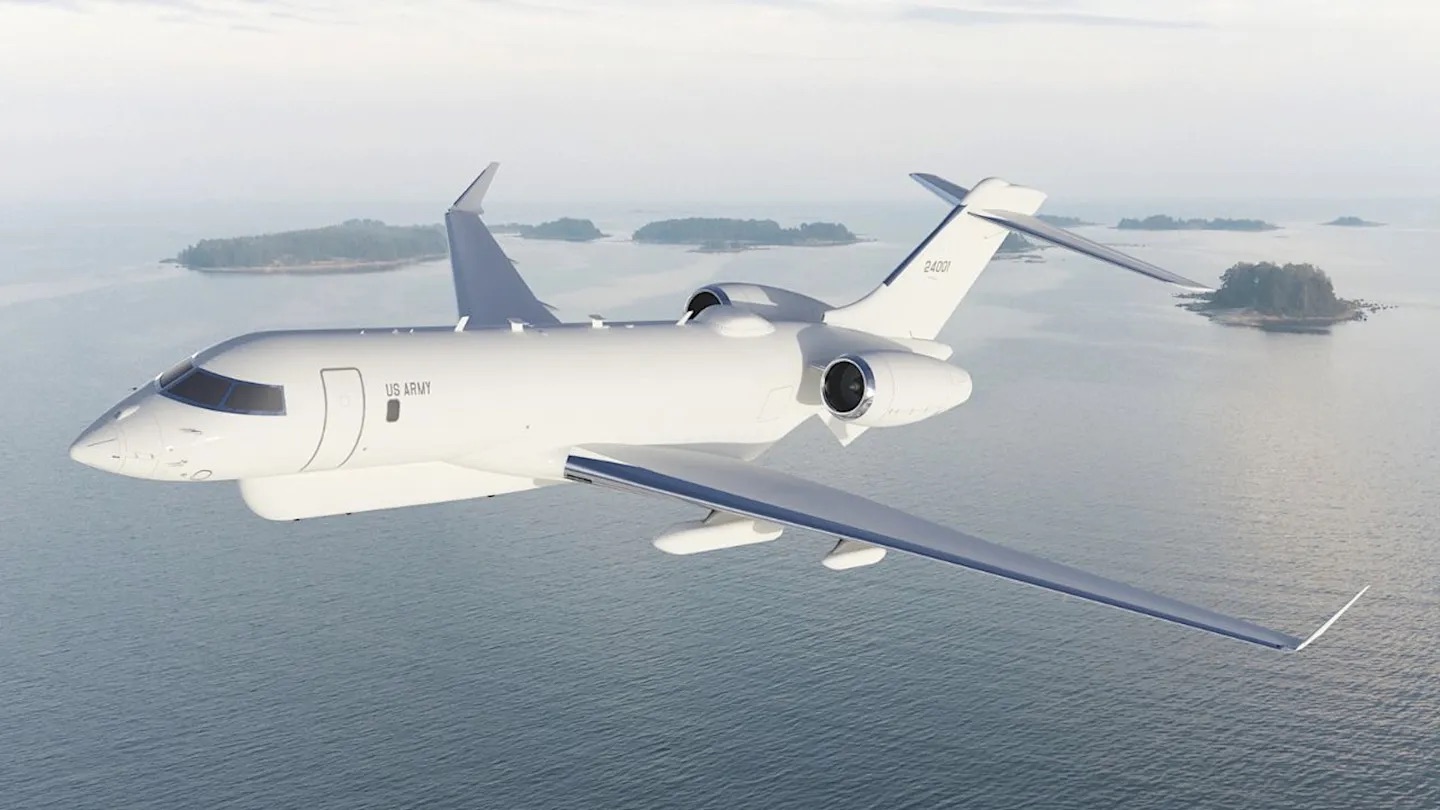
At the centre of that transition is the Army’s High Accuracy Detection and Exploitation System (HADES), a next-generation ISR programme built around the Bombardier Global 6500.
According to the RFI, the Army is seeking information on the acquisition of up to 11 aircraft to support HADES, part of a broader objective of 14 systems when prototypes are included.
The move marks a decisive break from aircraft such as the RC-12X Guardrail, MC-12 EMARSS and EO-5C ARL-M, platforms derived from the Beechcraft King Air that have served since the Cold War but now struggle to survive and perform in contested airspace.
What the US Army is asking for in its HADES ISR aircraft RFI
The RFI sets out unusually detailed performance expectations, underscoring how central the aircraft itself has become to the ISR mission.
The Army is seeking jets capable of operating between 41,000 and 51,000 feet, carrying at least 14,000 lb of payload while remaining airborne for a minimum of 12 hours, plus fuel reserves.
The aircraft must sustain speeds of at least 450 knots at altitude, self-deploy over 6,000 nautical miles, and loiter in defined racetrack patterns, a mission profile tailored for wide-area sensing rather than close-in surveillance.
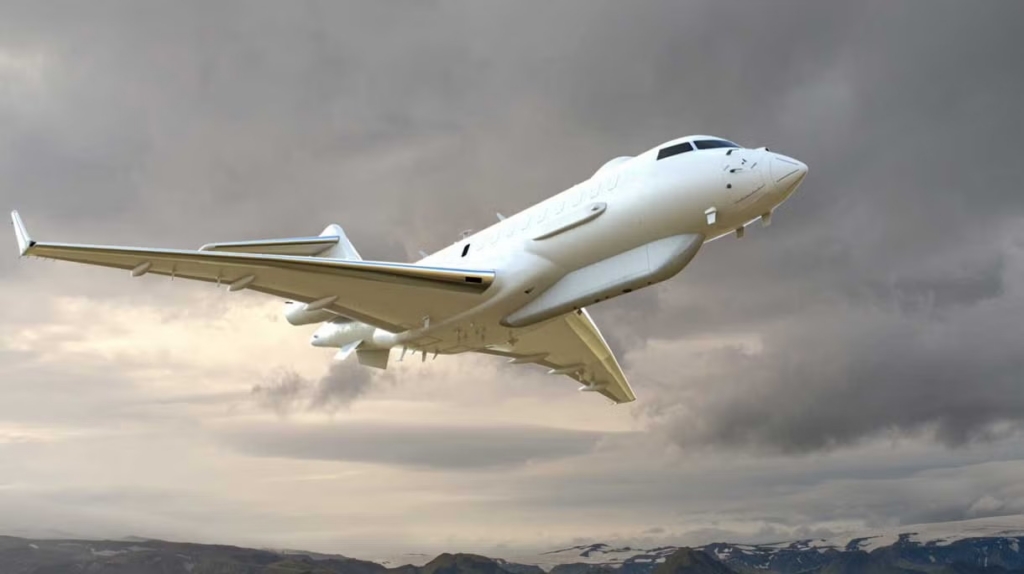
Importantly, the Army specifies that the fuselage and primary structure must not use composite materials, allowing only limited composite use for areas such as radomes and fairings, a requirement linked to certification, survivability and long-term sustainment.
Contractors are also expected to secure FAA certification for extensive modifications, including wing hard points, belly installations and sensor housings, and to demonstrate sufficient power, cooling and weight margins to support advanced ISR payloads.
Assuming a contract award in October 2026, the Army expects industry to be capable of delivering up to four aircraft per year.
Turboprop ISR aircraft no longer meet US Army requirements
The Army has been explicit about the limits of its legacy fleet. Turboprop ISR aircraft lack the speed, altitude, range and electrical power needed to operate safely and effectively against modern air-defence systems and long-range threats.
As the service shifts its focus to theatre-level operations and multi-domain warfare, ISR aircraft must be able to stand off at greater distances while still collecting and processing vast amounts of data.
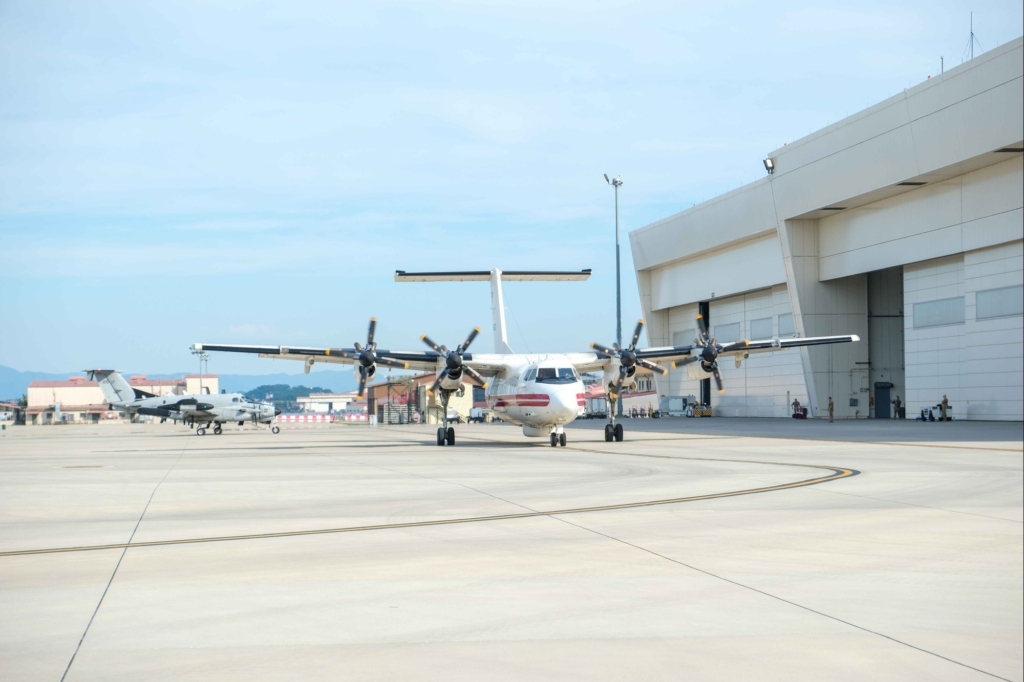
That requirement has pushed the Army toward large-cabin business jets, platforms originally designed for intercontinental travel but increasingly adapted for military roles.
The Global 6500 offers endurance of up to 18 hours, high-altitude performance, long maintenance intervals and dispatch reliability above 99 per cent, characteristics that align closely with the Army’s emerging ISR needs.
From ARTEMIS to HADES: How the US Army’s Global 6500 ISR evolved
The shift did not happen overnight. In recent years, the Army has already flown contractor-owned Bombardier Challenger 650 aircraft under interim programmes such as ARTEMIS and ARES, gathering operational data and refining concepts for high-altitude ISR.
Those lessons fed directly into the Army Theatre-Level High Altitude Expeditionary Next Airborne ISR (ATHENA) effort, which uses Global 6500 aircraft as an operational bridge while HADES matures. Data from ATHENA missions informed everything from sensor selection to aircraft performance requirements and data-exploitation workflows.
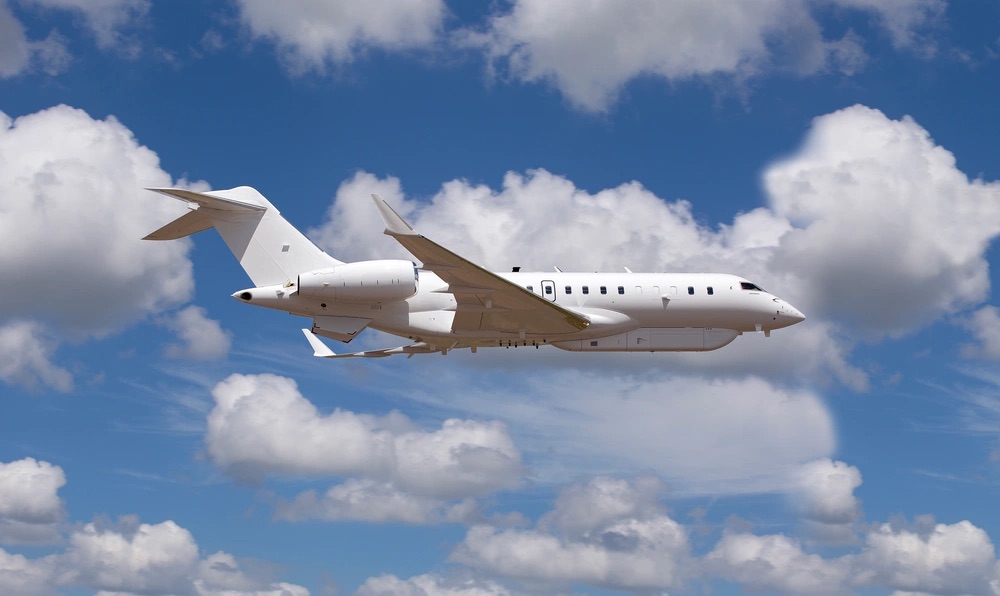
HADES builds on that experience but goes further, integrating radar, signals intelligence and electronic intelligence sensors into a modular, open-architecture system designed to shorten the time between collection and decision-making.
SNC has an edge in the US Army’s Bombardier Global-based HADES programme
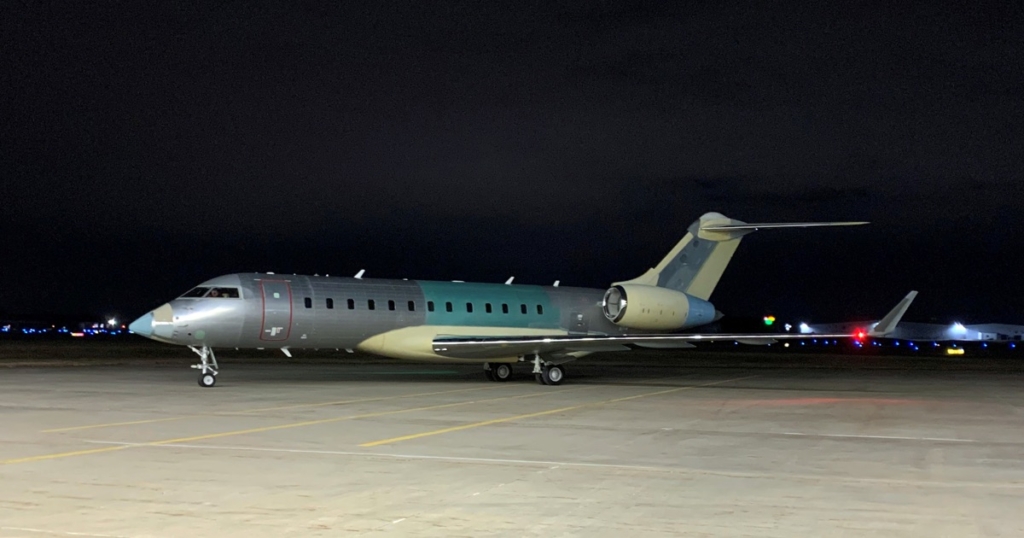
In early January 2026, aerospace and national security firm Sierra Nevada Corporation (SNC), the Army’s lead systems integrator for HADES, purchased a Global 6500 at its own expense to serve as the first non-prototype aircraft for the programme.
The move brings the number of Bombardier Global 6500s associated with HADES to four and allows integration and flight-test activity to proceed in parallel with prototype work. SNC said the early acquisition was intended to reduce integration risk, accelerate certification milestones and protect the programme against supply-chain disruption.

Even with SNC as lead integrator, the Army is using the RFI to:
- Pressure-test cost assumptions
- Benchmark alternatives
- Ensure it is not locking itself prematurely into a single industrial solution
Potential competitors include:
L3Harris Technologies
Operating the ARES ISR jet, also Global 6500-based, and previously partnered on ATHENA-R. L3Harris brings a strong radar and electronic warfare pedigree but relies more heavily on proprietary architectures. The company previously protested the awarding of the initial HADES contract to SNC, and last year won the contract for South Korea’s new AWACS platform, also based on the Global 6500.
Leidos
Developer of ARTEMIS, a Global 6000-based ISR platform used as an interim capability. ARTEMIS informed many HADES requirements, but lacks the same level of modularity and altitude performance.
Raytheon Technologies
Competing primarily at the sensor and mission-system layer, particularly through work on the Multi-Domain Sensing System (MDSS) and advanced ELINT and COMINT payloads, often demonstrated on Gulfstream platforms.
What differentiates SNC in this field is its RAPCON-X open architecture, early readiness for ultra-long-range launched effects, and the reuse of nearly 90 per cent of the Army’s Theatre-Level High-Altitude Expeditionary Next Airborne ISR–Signals Intelligence (ATHENA-S) engineering, which compresses timelines and lowers risk.
Army officials have publicly welcomed the decision.
“The Secretary of the Army has challenged the industrial base to take risks, invest private capital and innovate on behalf of the nation,” said Andrew Evans, director of strategy and transformation within the Army G-2. “SNC has unequivocally answered that call.”
A smaller but more capable Global 6500 fleet for the US Army
While the RFI points to a requirement for up to 11 aircraft, the final size of the HADES fleet remains under review. The Army has previously indicated it could reduce the total buy depending on budget guidance and operational assessments.
What is clear, however, is the strategic direction. Rather than operating dozens of relatively slow, low-altitude aircraft, the Army is betting on a smaller number of highly capable platforms that can cover larger areas, operate further from threats and deliver data faster to commanders.
HADES is being developed under the Pentagon’s middle-tier acquisition framework, designed to field capabilities within two to five years rather than traditional decade-long timelines. Its reliance on a commercial airframe, rapid prototyping and early industry investment is being closely watched across the defence sector.
Whether the Army ultimately fields six aircraft, 11, or the originally envisioned 14 systems, the RFI makes one thing clear: the future of Army ISR will fly higher, farther and faster than ever before, and it will look far more like a business jet than a turboprop from the Cold War.
Add a button.
Featured image: Bombardier