Why large military tankers like the KC-135 are not equipped with parachutes

March 13, 2026
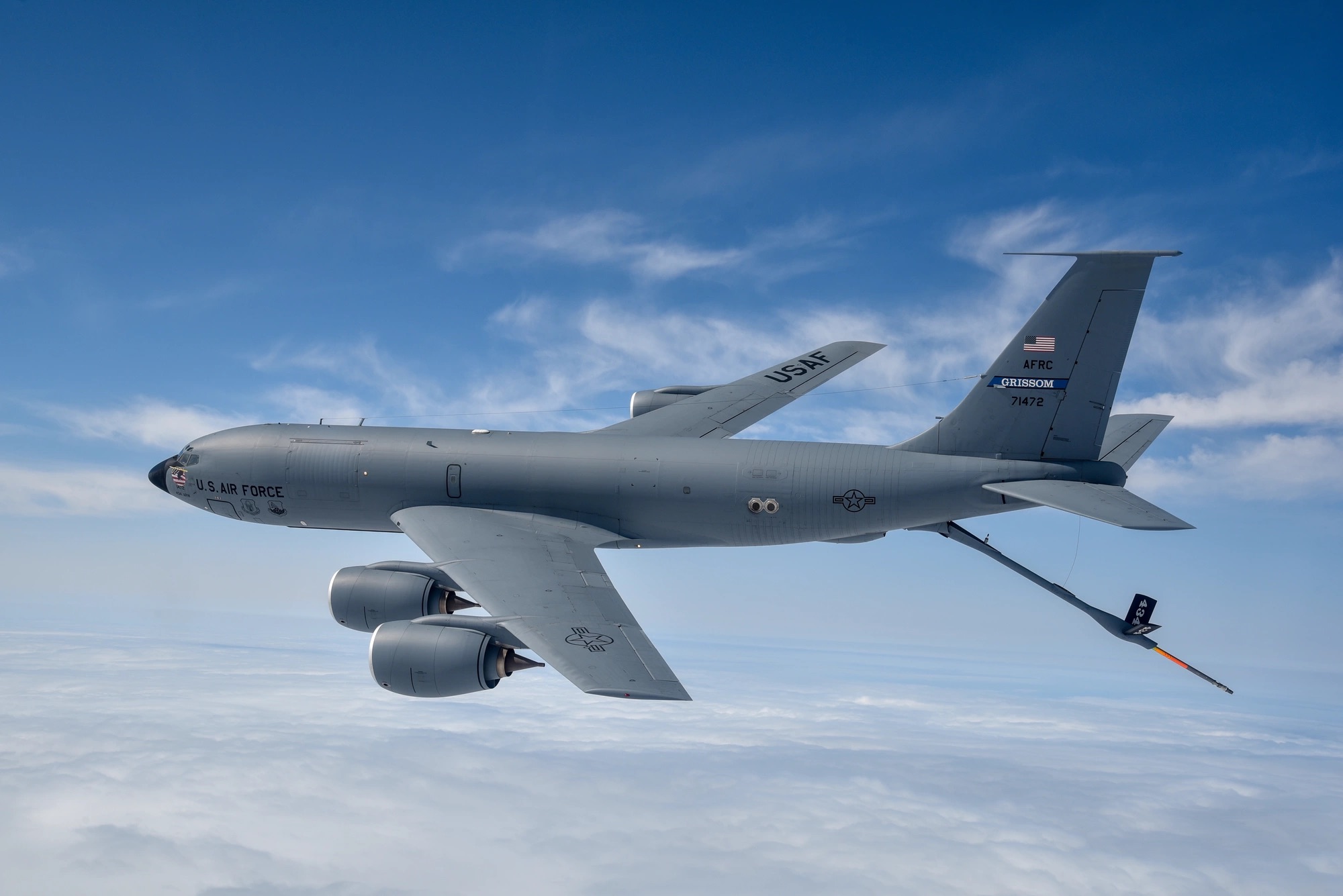
Large military aircraft like aerial refuelling tankers operate very differently from fighter jets, and that difference extends to emergency procedures.
Unlike many combat aircraft, tanker crews typically do not carry parachutes. Instead, the aircraft are designed around the assumption that crews will remain on board and attempt to land safely in the event of a major problem.
The approach reflects decades of operational experience and the realities of operating very large aircraft at high altitude and speed.
Modern tanker aircraft do not carry parachutes
Despite their size and importance, none of the major tanker aircraft in global service carry parachutes for their crews.
| Tanker aircraft type | Active fleet | Share of global tanker fleet | Crew parachutes carried |
|---|---|---|---|
| Boeing KC-135 Stratotanker | 385 | 47% | No |
| Lockheed C-130 tanker variants | 195 | 24% | No |
| Boeing 767 tanker variants | 108 | 13% | No |
| Airbus A330 MRTT | 59 | 7% | No |
| Ilyushin Il-78 | 34 | 4% | No |
| Boeing 707 tanker variants | 17 | 2% | No |
| Xi’an Y-20 tanker variants | 7 | 1% | No |
| Boeing 747 tanker variants | 3 | 1% | No |
| Airbus A310 tanker variants | 2 | 1% | No |
| Total | 810 | 100% | No major type carries parachutes |
Source: FlightGlobal World Air Forces Directory 2026; parachute carriage status based on tanker operating practice and aircraft design.
These aircraft typically operate with crews of three or more people, including pilots and refuelling operators working from stations inside the fuselage.
Unlike fighter aircraft equipped with ejection seats, large transport-based aircraft do not have a practical way for crew to exit the aircraft safely during flight.
Why tanker aircraft are not designed for parachute escape
There are several reasons why parachutes are generally not used on tanker aircraft.
Aircraft size and layout
Large aircraft have complex interiors, narrow access routes and limited escape points. Reaching a parachute and exiting the aircraft quickly during an emergency would be extremely difficult.
High altitude and speed
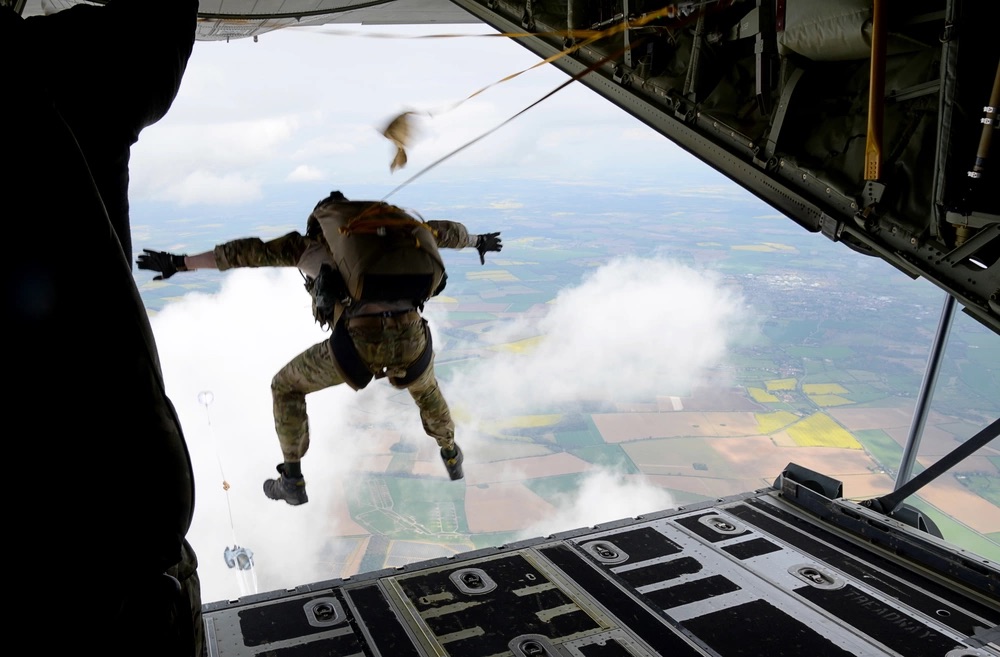
Tankers typically cruise at altitudes above 30,000 feet and at speeds of several hundred miles per hour. Jumping from an aircraft in these conditions without specialised equipment would be extremely dangerous.
Aircraft controllability
Large multi-engine aircraft are designed to remain controllable even after serious failures. In many emergencies, crews have enough time to divert to an alternate airport and land safely.
Operational reality
Most emergencies that occur in large aircraft are not sudden, catastrophic failures. Instead, they develop over time, giving crews the opportunity to manage the situation and attempt a controlled landing.
The KC-135 once carried parachutes
Earlier in its service life, the KC-135 did carry parachutes for its crew.
The aircraft entered service during the Cold War, when bailout procedures were still common on many military aircraft derived from bomber operations. Crew members were trained to use parachutes, and the aircraft included equipment designed to help them exit the aircraft in flight.
However, the US Air Force reassessed the system decades later.
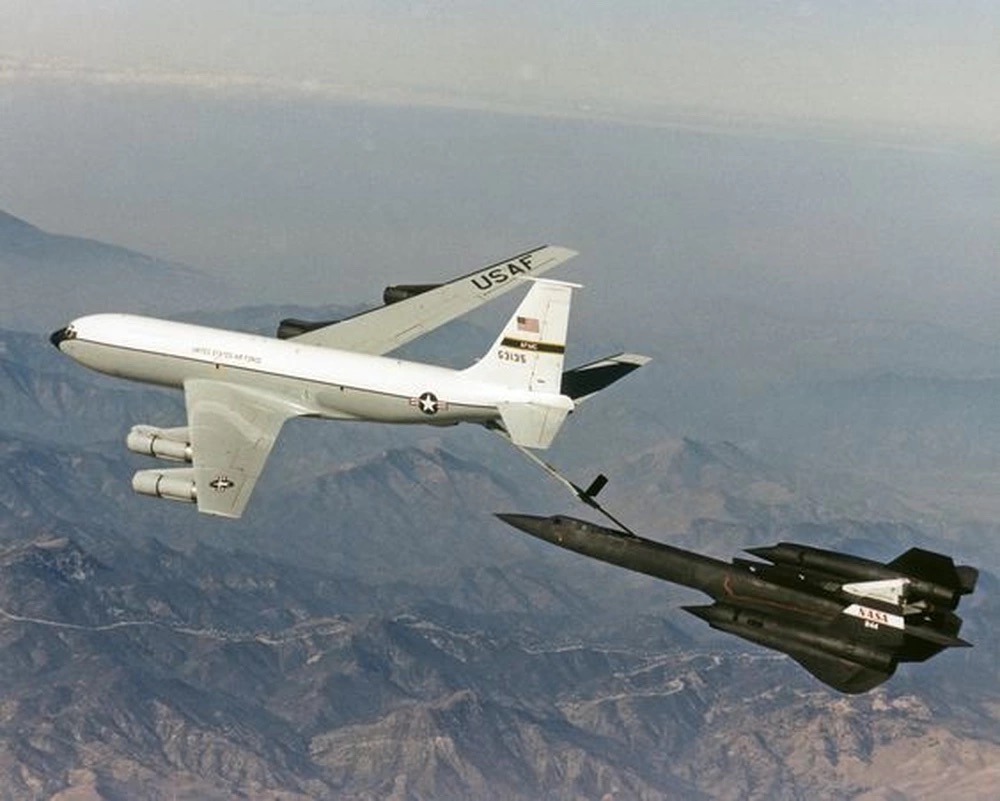
In 2008, the service removed parachutes from KC-135 operations after concluding that the likelihood of a successful bailout from the aircraft was extremely low. Maintaining parachutes also required regular inspection, specialised equipment and additional crew training.
Air Force officials determined that the time and effort involved in maintaining parachute capability provided little practical safety benefit.
Why staying with the aircraft is usually safer
For crews of large aircraft such as tankers, remaining with the aircraft is often the safest course of action during an emergency.
Unlike smaller aircraft, large transports are designed to remain stable even with significant damage or system failures. Crews can often continue flying the aircraft long enough to attempt an emergency landing.
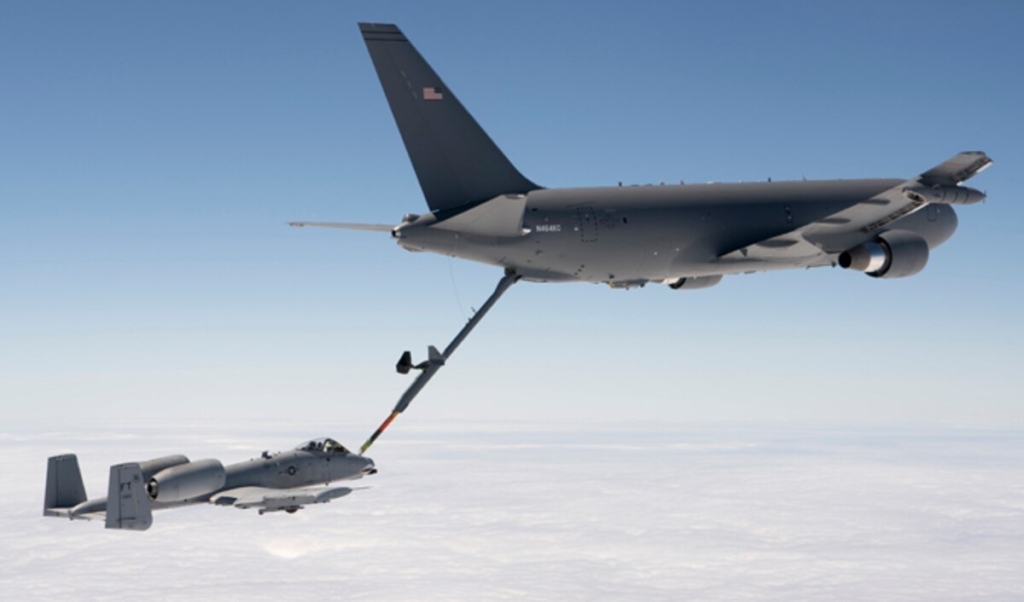
In addition, the practical challenges of exiting a large aircraft in flight, particularly at high altitude, make parachute escape extremely difficult.
As a result, modern tanker aircraft are designed around controlled emergency landing procedures, rather than mid-air bailout.
Featured image: USAF