HEFA, Fischer-Tropsch, Alcohol-to-Jet, eSAF: Sustainable aviation fuel production pathways explained

January 4, 2026
The global aviation industry accounts for approximately 2.5% of all carbon dioxide (CO2) emissions, contributing to nearly 4% of the total climate change. With the aspirational goal of achieving net-zero carbon emissions by 2050, extensive efforts are being made to replace fossil fuels with cleaner, more sustainable fuel alternatives.
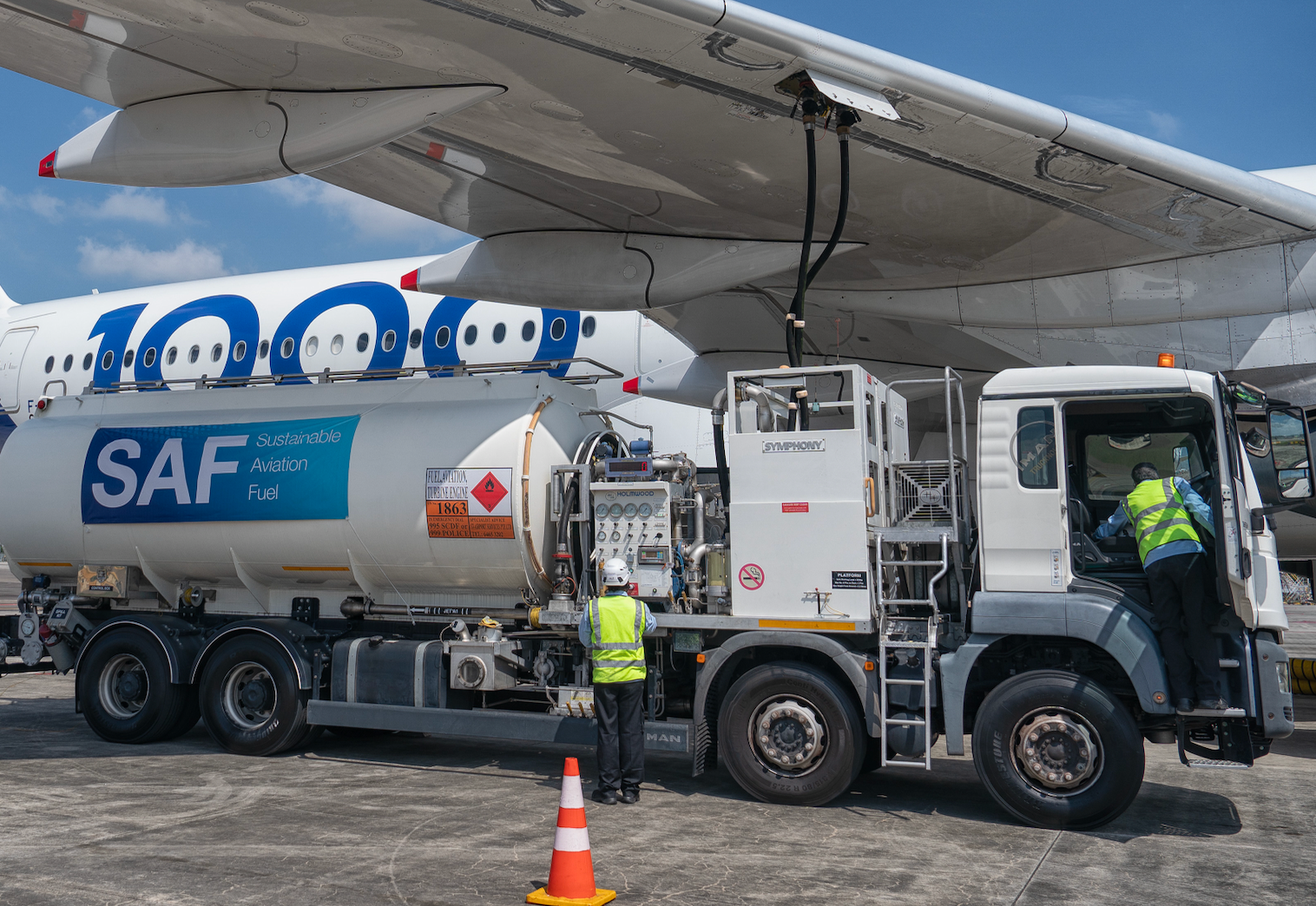
Sustainable Aviation Fuels (SAF) are produced from non-petroleum wastes and feedstocks to minimize emissions from air transportation. SAF can reduce carbon emissions by up to 90% compared to conventional jet fuel. Produced from various non-petroleum bio sources, SAFs are approved by ASTM International for use as a drop-fuel with specific blend limits.
Biofuel and synthetic feedstocks
There are various types of SAF being produced, a majority of which are derived from organic wastes and feedstocks. The primary types are biofuel feedstocks and synthetic fuel feedstocks. Biofuel feedstocks include biowastes from forests, crops, animal fats, and greases, which are used to produce SAF. Notably, some biofuels are produced through hydrothermal liquefaction of fatty acid oils and water.
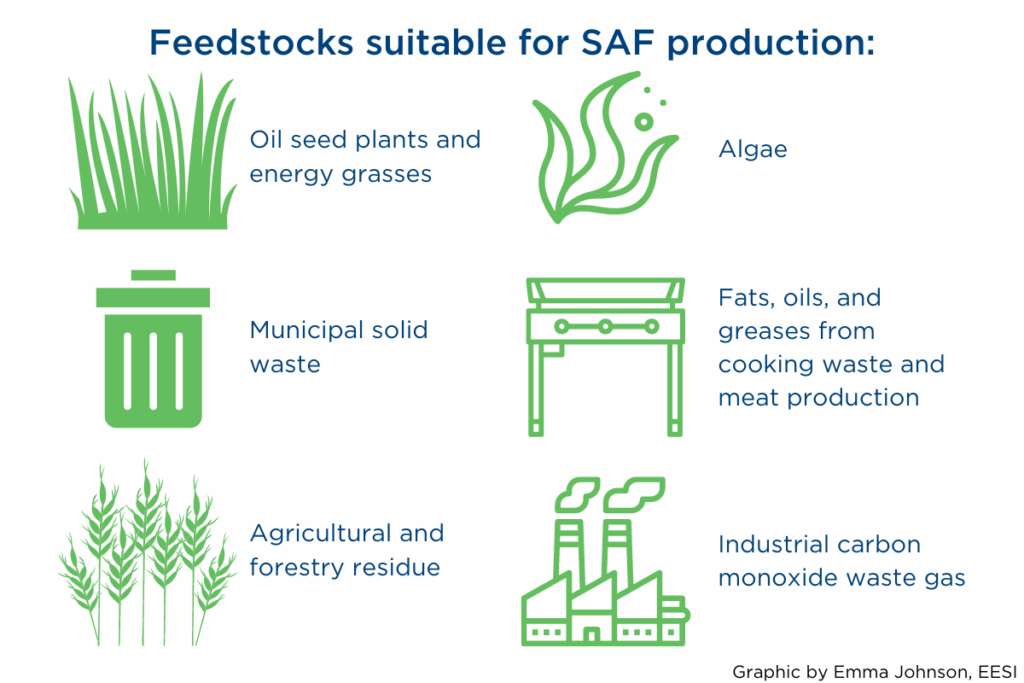
Synthetic fuel feedstocks utilize electrochemical processing of hydrogen and carbon dioxide to produce electro-fuels (e-SAF). These do not use organic compounds as feedstocks, but instead utilize natural elements from industrial and other sources as feedstocks.
Key pathways for producing SAF
There are multiple pathways to produce low-emission, fossil-free fuels that can help curb environmental emissions from aviation. SAF production pathways include Hydroprocessed Esters and Fatty Acids (HEFA), Fischer-Tropsch Synthetic method, Alcohol-to-Jet, and renewable electricity (e-SAF).
Approved by ASTM International, these fuels can be blended (up to 50%) with regular jet fuel without modifying engines or fuel systems. It is noteworthy that not all sustainable fuels are created equal, and hence, they differ in effectiveness.
| SAF Production Pathway | ASTM blending limitation | Feedstocks | Production process | Life-Cycle Assemssment (LCA) emissions |
|---|---|---|---|---|
| Hydroprocessed Esters and Fatty Acids (HEFA-SPK) | 50% | Plant oil, animal oil, waste fats, and greases | Hydroprocessing | Max kg CO2e/gal: 8.1 |
| Fischer-Tropsch Synthetic Paraffinic Kerosene (FT-SPK) | 50% | Agricultural, forest wastes, and energy crops like corn, sugarcane, etc. | Gasification | Max kg CO2e/gal: 1.7 |
| Alcohol-to-Jet Synthetic Paraffinic Kerosene (ATJ-SPK) | 50% | Cellulosic biomass or starch-based mass | Alcohol-to-Jet | Max kg CO2e/gal: 8.8 |
| Power-to-Liquid (PtL) fuels (electro-SAF) | 50% | Captured CO2, water, and renewable electricity | Electrochemical processing | Max kg CO2e/gal: 0.8 |
| Catalytic hydrothermolysis synthesised kerosene (CH-SK) | 50% | Clean free fatty acid oil and water | Hydrothermal liquefaction | Max kg CO2e/gal: 8.1 |
| Hydrocarbon-Hydroprocessed esters and fatty acids (HC-HEFA) | 10% | Algae oil | Hydroprocessing | Max kg CO2e/gal: 8.1 |
Hydroprocessed Esters and Fatty Acids (HEFA-SPK)
Oil-based feedstocks are hydroprocessed to break apart the long chain of fatty acids. The process allows the removal of oxygen and hydrogen, followed by the adjustment of molecules through hydrocracking and isomerization. This process produces drop-in fuel for aviation use.
HEFA is the most mature and inexpensive SAF on the market. The accessibility of oils from plants and animals, and greases, makes it simpler to produce. However, the availability and supply of low-emission waste feedstocks limit how much HEFA can be produced.
Fischer-Tropsch Synthetic Paraffinic Kerosene (FT-SPK)
In 1923, chemists Franz Fischer and Hans Tropsch converted coal into a synthetic fuel through gasification. A century later, the Fischer-Tropsch process is one of the major ASTM-approved methods for producing SAF.
Biomass is converted to syngas using gasification, then a Fischer-Tropsch synthesis reaction converts the syngas to jet fuel. The catalytic chemical process creates kerosene-like hydrocarbons, offering an efficient alternative to conventional jet fuel.
These types of waste feedstocks are limited in supply, restricting the amount of SAF that can be produced through gasification.
Alcohol-to-Jet Synthetic Paraffinic Kerosene (ATJ-SPK)
The fermentation or gasification of cellulosic and starchy feedstock takes place. Fatty alcohols are produced as a result of a series of chemical reactions, including dehydration, hydrogenation, and oligomerization.
The process uses fermentation to convert sugars, starches, or hydrolyzed cellulose into an intermediate alcohol, such as ethanol, propanol, and pentanol. The feedstocks are obtained from agricultural residues or solid wastes. Notably, the production of AtJ-SPK depends on the availability of suitable feedstocks, which can vary by agricultural practices in different regions.
Power-to-Liquid (PtL) fuels (Electro-SAF)
Electro-SAFs are produced using captured CO2, water, and renewable electricity through the Fischer-Tropsch (FT) synthesis method. There are no direct organic compounds involved in the production of e-SAFs. According to Airbus,
“One of the major advantages of PtL is that it can be transported and distributed via the existing network of fossil-fuel infrastructure, including pipelines and filling stations.”
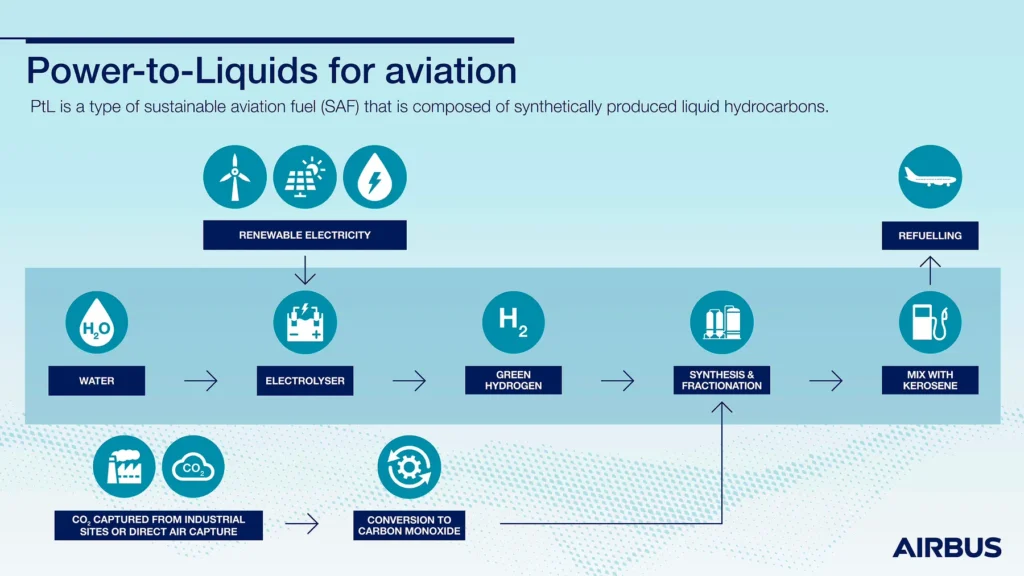
Twelve, a leading e-SAF producer, states that e-SAFs have the potential to reduce existing emissions by up to 90%, while using 30 times less land and 1,000 times less water compared to other SAFs.
Catalytic hydrothermolysis synthesised kerosene (CH-SK)
The hydrothermal liquefaction method combines fatty acid oils with pre-heated water and passes them through a reactor with a catalyst. The process converts fats into hydrocarbons and oxygenates (biocrude oil).
The resultant material undergoes hydrocracking and hydro-isomerization for further refinement, eliminating remaining oxygen and saturating olefins. Moreover, the mixture goes through a fractionation process to meet jet fuel specifications.
Hydrocarbon-Hydroprocessed esters and fatty acids (HC-HEFA)
Similar to the HEFA process, the HC-HEFA converts triglyceride oil, derived from Botryococcus braunii, into drop-in hydrocarbon fuels. As a result, the adjusted molecules match the specifications of jet fuel, making it a low-carbon alternative for use in aviation.
Which SAFs offer the most advantage against carbon emissions
Electro-Fuels (e-SAF) offer the greatest effectiveness in reducing environmental emissions. Unlike biofuels, e-fuels are produced through a power-to-liquid process, converting captured CO2, water, and renewable electricity into energy-dense fuels.
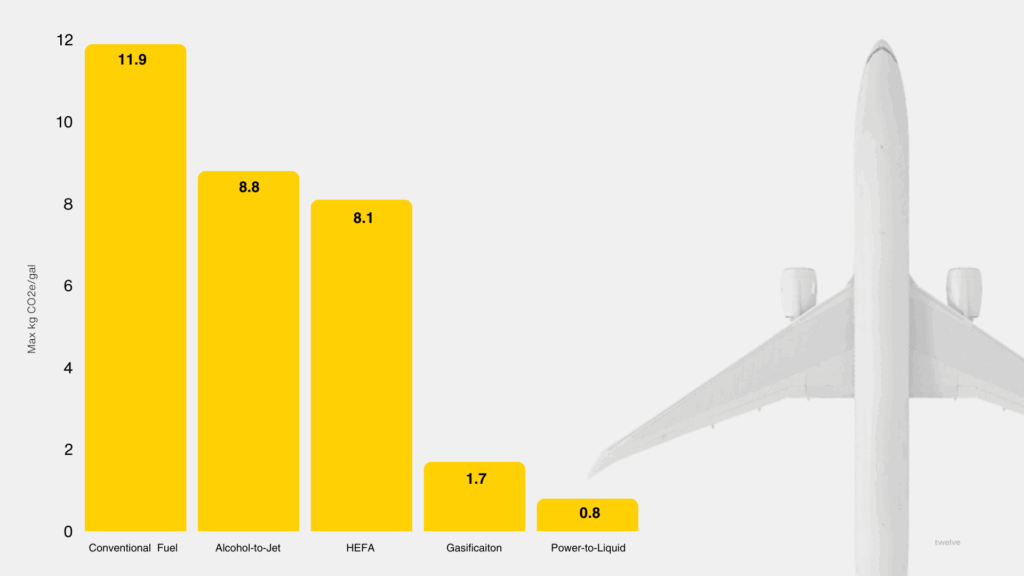
Twelve is the producer of E-Jet® fuel, an e-SAF made from carbon, hydrogen, oxygen, and renewable energy. The drop-in ready fuel is approved by ASTM standards, and cuts lifecycle emissions by up to 90%, with lower sulfur dioxide, nitrogen oxides, and particulate emissions. According to Twelve,
“Unlike biofuels, which are constrained by land use and deforestation risks, E-Jet SAF is electrochemically produced from CO2, water, and renewable energy. Compared to biofuels, it uses up to 1,000 times less water and 30 times less land, with up to 30% more reduction in lifecycle GHG emissions compared to bio-based SAF.”
With multiple pathways available for fossil-free aviation fuels, it is important to identify the trade-offs between SAF options. Decision-makers in the industry must have a clear focus on the most efficient and sustainable options that would help achieve the industry-wide net-zero emission goals.
Featured Image: Airbus