Rare chance to fly in a Spitfire as UK celebrates fighter’s 90th anniversary

March 11, 2026
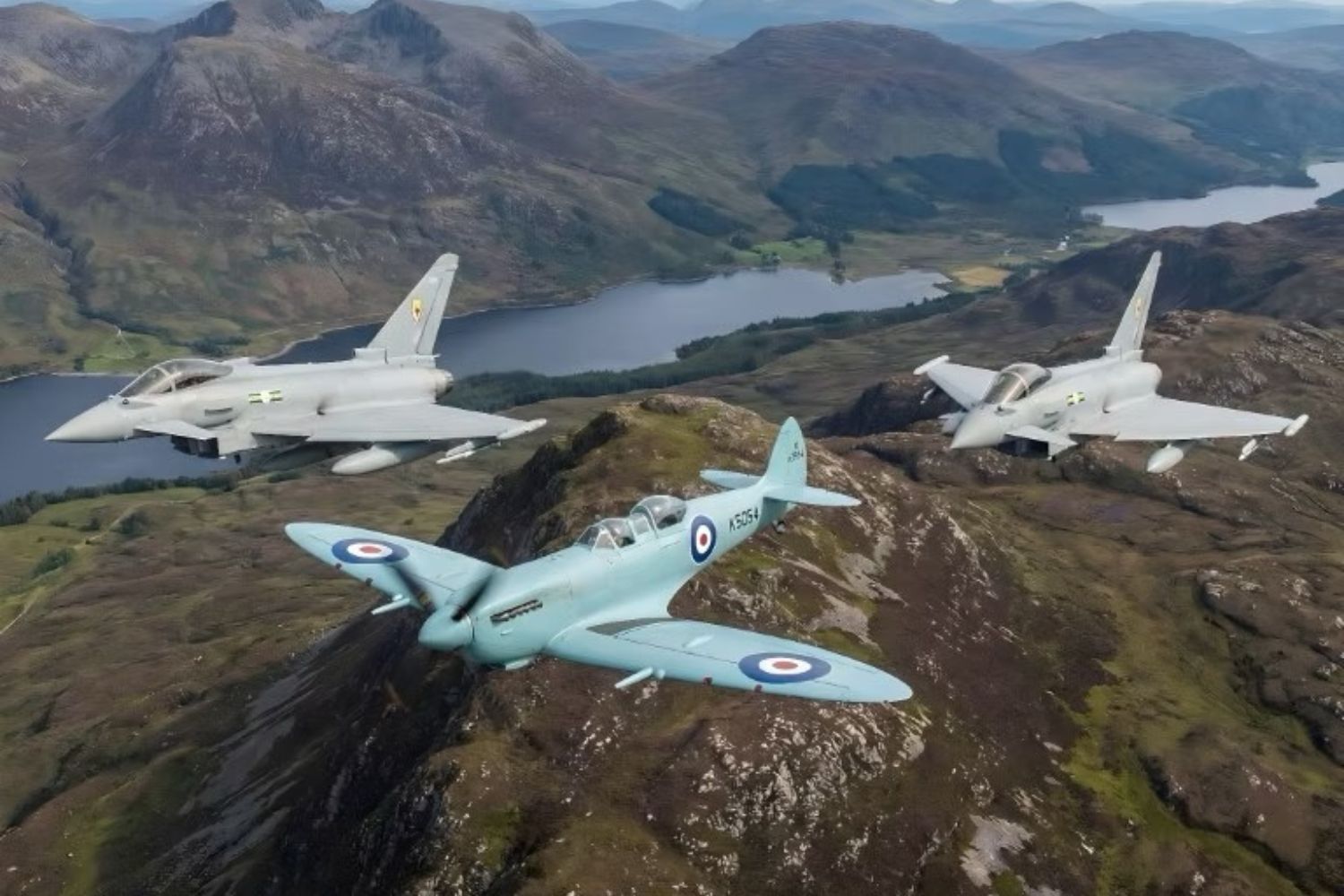
Ninety years after the Supermarine Spitfire first took to the skies, the aircraft that helped define Britain’s wartime story will once again fly across the country, and this time with members of the public in the cockpit.
A restored two-seat Spitfire painted to represent the original prototype will undertake a commemorative tour of the United Kingdom in April, marking the 90th anniversary of the fighter’s first flight.
At each stop along the route, aviation enthusiasts will have the chance to bid for a seat in the aircraft as it travels between airfields associated with its history.
The flights, organised with Spitfires.com and supported by the Royal Air Force, aim to bring one of Britain’s most iconic aircraft closer to the public, not just as a museum piece, but as a living reminder of the country’s aviation heritage.
For those fortunate enough to secure a seat, it will be a rare chance to experience the aircraft that helped shape the outcome of the Second World War.
The first flight of the Supermarine Spitfire in 1936
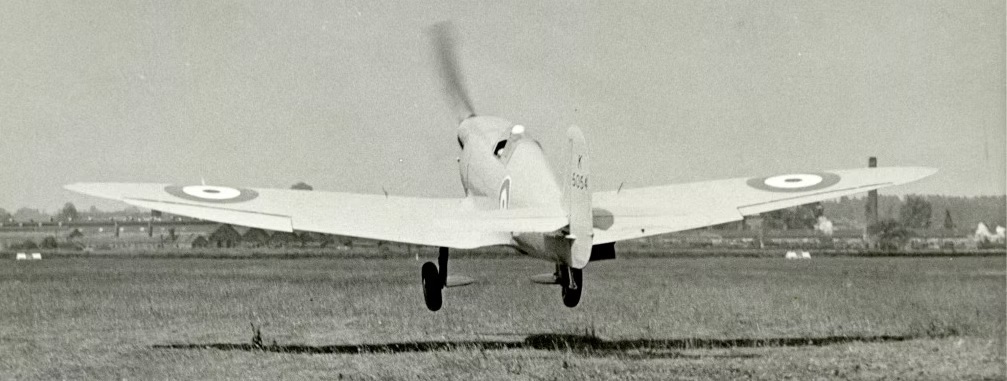
The story of the Spitfire began on 5 March 1936, when prototype K5054 lifted off from Eastleigh Aerodrome, now Southampton Airport.
At the controls was test pilot Joseph “Mutt” Summers, who flew the aircraft for around eight minutes before returning safely to the ground. His brief verdict afterwards — “Don’t change a thing” — quickly became part of aviation folklore.

What Summers had flown that day was the product of years of design work led by R. J. Mitchell, chief designer at Supermarine.
The aircraft’s sleek fuselage and distinctive elliptical wings made it instantly recognisable, while its performance would soon prove revolutionary.
Over time, the design would evolve dramatically, with increasing engine power and numerous variants, eventually culminating in the Griffon-powered late-war versions that were significantly larger and more powerful than the original prototype.
The Spitfire’s role in the Battle of Britain
The Spitfire entered Royal Air Force service in 1938, just a year before the outbreak of the Second World War. Its defining moment came in the summer of 1940, during the Battle of Britain.
Alongside the Hawker Hurricane, the aircraft helped defend the United Kingdom against sustained Luftwaffe attacks, becoming one of the most powerful symbols of the country’s wartime resistance.
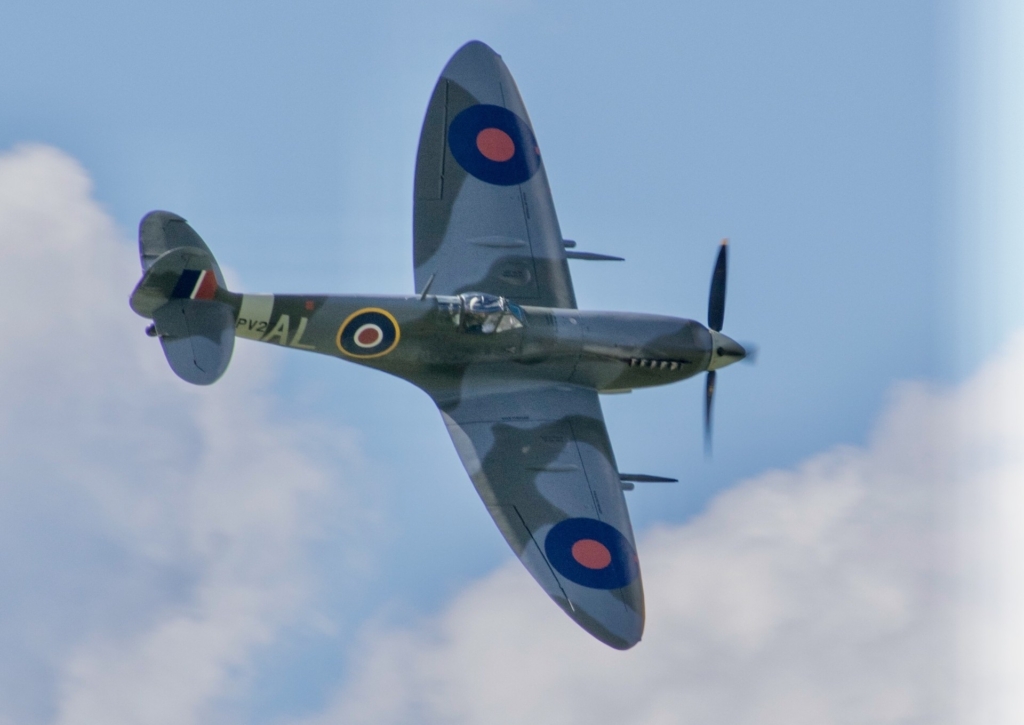
Although Hurricanes actually accounted for more enemy aircraft destroyed during the battle, the Spitfire’s speed and agility allowed it to challenge the German Messerschmitt Bf 109 on equal terms.
By the end of the war, the Spitfire had served in almost every major theatre of operations. It flew missions ranging from air defence and ground attack to photo reconnaissance and maritime patrol.
More than 20,000 aircraft were produced, and the fighter was eventually operated by around 30 countries worldwide, making it one of the most widely recognised aircraft of the era.
The Spitfire 90th anniversary tour across the UK
The anniversary tour planned for April will reflect the aircraft’s long legacy, linking locations across the UK that are closely tied to the Royal Air Force and its wartime history.
Between 7 and 17 April 2026, the Spitfire will undertake nine flights across England, Scotland and Wales, each representing a decade of the aircraft’s enduring influence.
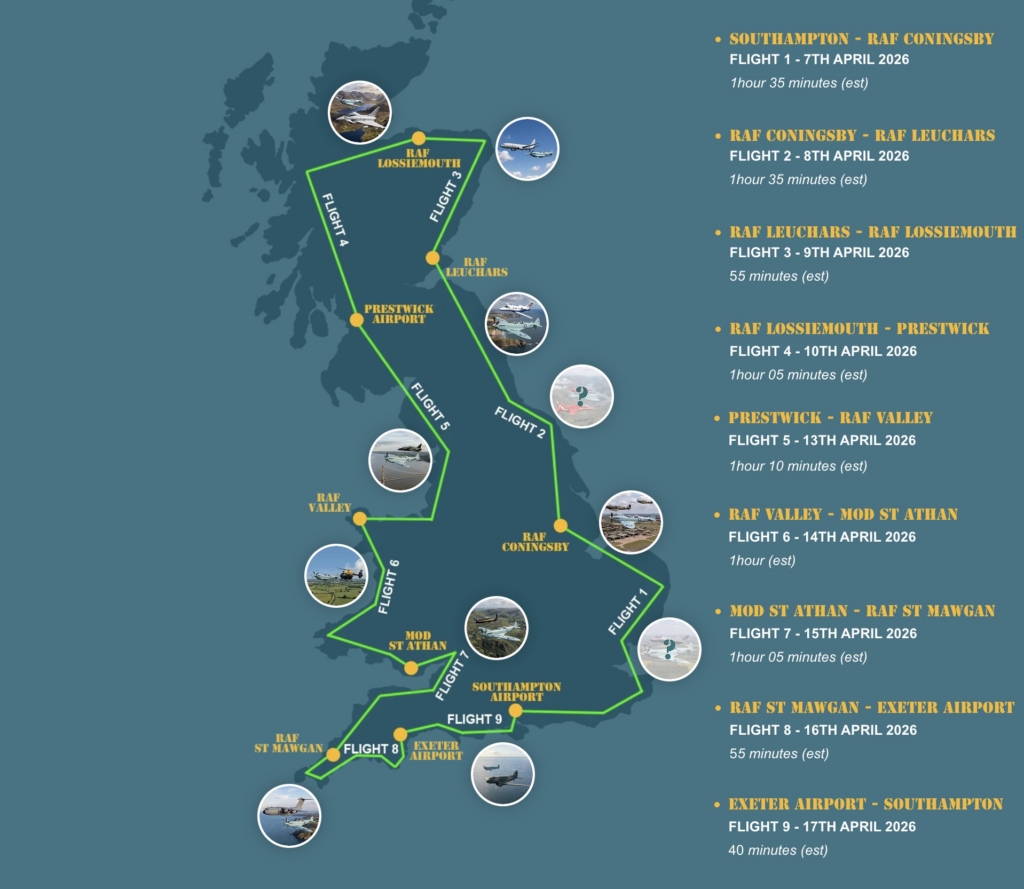
The planned route includes:
- 7 April – Southampton Airport to RAF Coningsby
- 8 April – RAF Coningsby to RAF Leuchars
- 9 April – RAF Leuchars to RAF Lossiemouth
- 10 April – RAF Lossiemouth to Glasgow Prestwick Airport
- 13 April – Glasgow Prestwick Airport to RAF Valley
- 14 April – RAF Valley to MOD St Athan
- 15 April– MOD St Athan to RAF St Mawgan
- 16 April– RAF St Mawgan to Exeter Airport
- 17 April– Exeter Airport to Southampton Airport
Seats for each leg are being auctioned online, which started on 5 March 2026, exactly ninety years after the aircraft’s first flight.
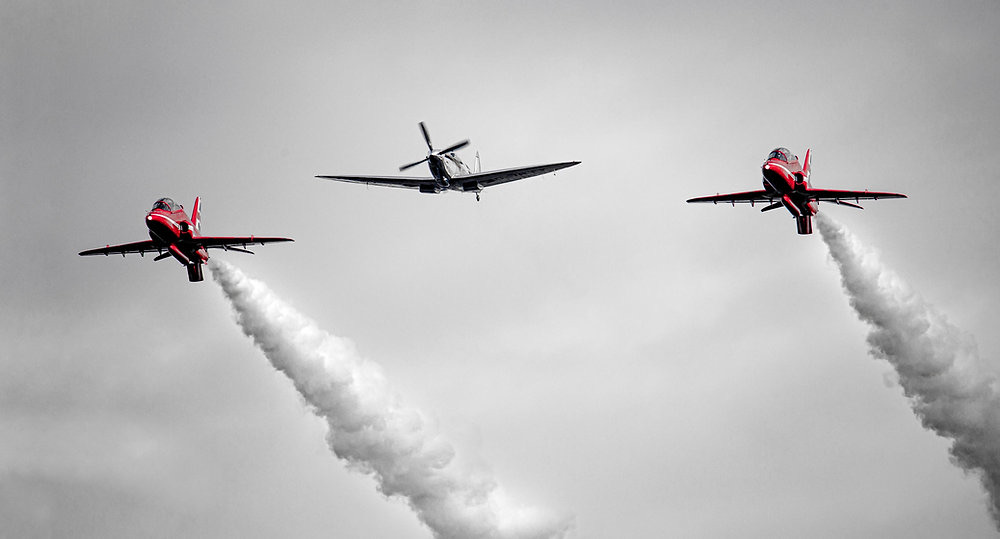
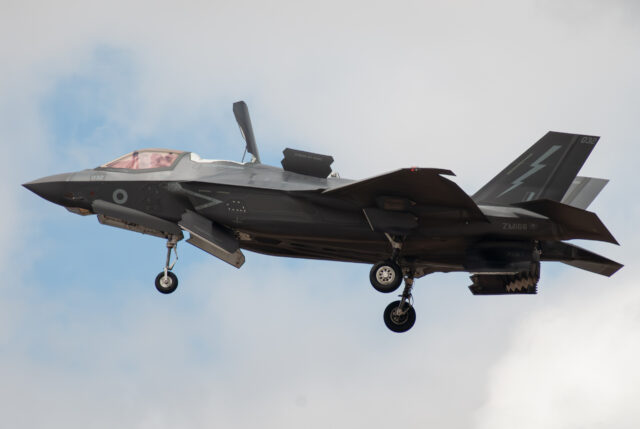
To mark the 90th anniversary flights, the Royal Air Force is expected to provide escort aircraft on several legs of the tour. These could include modern front-line aircraft such as Typhoons or F-35 Lightning IIs, as well as historic aircraft from the Battle of Britain Memorial Flight. Helicopters such as the Chinook and training aircraft, including the Hawk T1 of the Red Arrows, may also appear alongside the Spitfire during parts of the journey.
The legendary Spitfires still flying today
Despite the passage of time, the Spitfire has never disappeared from the skies entirely.
Today, around 80 aircraft remain airworthy, maintained by museums, heritage flights and private operators. Many more are undergoing restoration around the world.
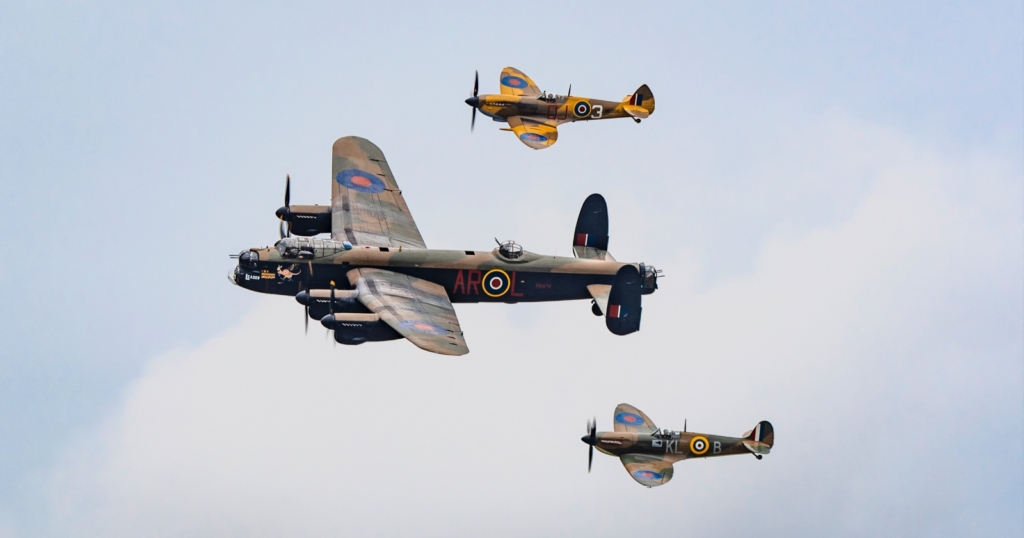
In Britain, the Royal Air Force’s Battle of Britain Memorial Flight, based at RAF Coningsby, continues to operate several Spitfires alongside Hurricanes and a Lancaster bomber, flying them at commemorative events and national ceremonies.
The aircraft has also remained a cultural icon long after the war. The 1969 film Battle of Britain revived public fascination with the fighter, while more recent projects, including a round-the-world Spitfire flight in 2019, have introduced it to new generations.
Even during the COVID-19 pandemic, a Spitfire became a symbol of national solidarity when a warbird pilot flew regular tribute flights with the message “THANK U NHS” painted beneath the wings.
Spitfire anniversary tour raising funds for RAF charities
The anniversary tour will also raise funds for two aviation-related charities.
Proceeds from the auctioned flights will support the Mark Long Trust, which offers flying opportunities for disabled people, and the Royal Air Force Benevolent Fund, which provides welfare and financial support to RAF personnel, veterans and their families.
Both organisations reflect a central theme behind the commemorative flights: honouring the people connected with the aircraft as much as the machine itself.
Few aircraft have left as deep an impression on a nation as the Spitfire. Its graceful silhouette, distinctive Merlin engine sound and wartime story have made it an enduring symbol of courage and technological achievement.
Ninety years after its first flight, the aircraft continues to draw crowds wherever it appears.
For those lucky enough to climb into the rear cockpit during the April tour, the experience will offer something even more powerful. It will be a chance to briefly share the sky with a living piece of history.
Featured image: Spitfires.com