Ryanair brands Which? advice ‘fake news’ as row erupts over bundled airline fares

February 10, 2026
Ryanair has gone on the offensive after a consumer watchdog accused the airline of charging passengers more than necessary through its bundled fares, dismissing the advice as “fake news” and “spurious”.
The clash follows the publication of a money-saving guide by Which?, advising customers to avoid certain Ryanair extras and claiming it was often cheaper to build a booking piece by piece rather than selecting a pre-packaged bundle.
For an airline built on aggressive pricing and equally aggressive messaging, the response from Ryanair was entirely on brand and highlights just how contested the true cost of a ‘cheap’ flight has become.
Which? claims Ryanair passengers can save money by avoiding bundles
Which? says Ryanair passengers can reduce the cost of their bookings by sticking to the airline’s strict baggage limits and avoiding optional extras during the initial purchase process.
The consumer group advises travellers to ensure any cabin or checked bags fall within the size and weight allowances of their ticket, and to skip Ryanair’s own travel insurance, which it argues rarely represents good value compared with standalone policies.

Ryanair’s bundled fares, which combine perks such as a larger cabin bag, a checked bag, seat selection and priority boarding, were also criticised. Which? claimed these packages often cost more than booking the lowest base fare and adding only the specific extras a passenger actually needs.
According to the group, passengers who take a piecemeal approach to add-ons can frequently undercut the price of Ryanair’s bundles, particularly on short leisure trips where fewer extras are required.
Ryanair brands Which? advice ‘fake news’ and defends bundle pricing
Ryanair has strongly rejected claims that its bundled fares fail to offer value for money, dismissing the consumer advice as “fake news”.
A spokesperson for the airline told Sky News: “This is more fake news from Which?
“Thankfully, no one reads, or takes any notice of Which’s fake recycled news articles or your spurious ‘advice’, as our traffic growth from 200 million to 208 million passengers in 2025 proves.”

Responding directly to the assertion that passengers could save money by booking individual add-ons separately, Ryanair said its bundles are designed purely as a convenience for customers rather than a pricing premium.
“The Ryanair bundles are a facility, which make it easier for passengers to buy and book the bundles,” the airline said. “They are however dynamically priced, using the cheapest available fare at time of booking, and so the Ryanair bundles are the same price as the underlying air fare, plus the extras if booked separately.”
A familiar Ryanair response amid wider booking changes
The sharp tone of Ryanair’s response will come as little surprise to observers of the airline, given its long-standing reliance on confrontational messaging and the outspoken style of its chief executive, Michael O’Leary, who has built much of the brand’s public profile around unapologetic bluntness and attention-grabbing disputes.
For regular passengers, the row also taps into a broader reality: booking a Ryanair flight is rarely straightforward, and the final price often depends on a series of tightly defined choices around baggage, seating and add-ons.
In recent months, Ryanair has made several changes to how customers book and travel, including a shift towards digital-only boarding passes and adjustments to optional services.
Most notably, the airline quietly scrapped its Prime subscription after just eight months. Launched in March 2025 at £79 or €79 per year, the scheme promised monthly members-only fare sales, free reserved seating on eligible flights, bundled travel insurance and the option to add a discounted “Prime companion”.
Take-up was limited, however, with only around 55,000 passengers signing up during the trial period, suggesting muted appetite for subscription-style pricing in Ryanair’s core leisure market.
Ryanair lifts profit forecast as demand and fares rise
Despite the upheaval for some passengers, Ryanair continues to demonstrate remarkable resilience and financial strength.
At its latest results announcement in January, the carrier sharply upgraded its profit outlook for the current financial year, forecasting earnings around a third higher than last year after a stronger-than-expected third quarter underscored resilient demand and rising fares.
Europe’s largest airline said it now expects full-year profit after tax of between €2.13bn and €2.23bn ($2.52bn–$2.64bn) on a pre-exceptional basis, up from €1.61bn ($1.91bn) in FY25.
The revised guidance implies a 33% to 38% year-on-year increase, exceeding the airline’s previous expectations and highlighting the scale of the earnings rebound, even as Ryanair navigates regulatory pressure and ongoing scrutiny of its customer policies.
While consumer groups question its pricing tactics, Ryanair’s financial results suggest most passengers continue to vote with their wallets. In that context, criticism may be uncomfortable, but it remains a price the airline is clearly willing to pay.
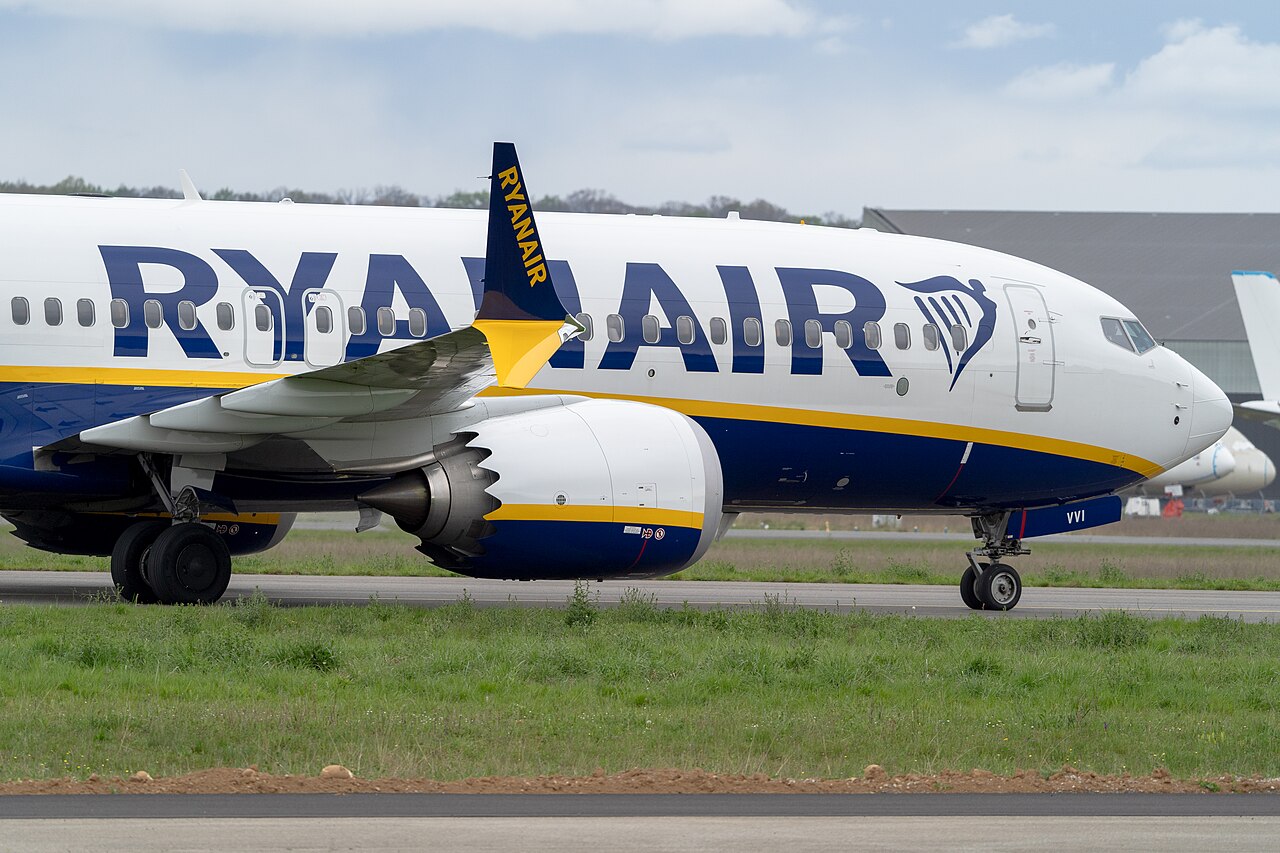
Featured image: Hugo LUC / Wikimedia Commons