Multirotor, lift + cruise, or tiltrotor: The pros and cons of different eVTOL designs

January 3, 2026
The rapid growth in the development of electric Vertical Take-Off and Landing (eVTOL) aircraft signifies a strong boom in the Advanced Air Mobility sector. The growing demand for faster, efficient, and sustainable transport for people and goods is pushing the limits of eVTOL designs.
Whether it is for passenger air taxis, cargo delivery, or emergency response services, the future of urban air mobility relies on modern eVTOLs. The design and architecture of an eVTOL shape its mission-specific capabilities, limitations, and certification pathway.
Different designs serve different purposes and cater to a specific market. We explore various VTOL architectures and highlight distinct advantages and challenges that influence the aircraft’s operability and performance.
Multirotor eVTOL design
A multirotor design is the simplest and most intuitive, featuring multiple vertical rotors for takeoff, hover, cruise, and landing. In other words, the multirotor eVTOL design utilizes quieter and cleaner electric motors that operate continuously throughout all phases of flight. Trust generated through the spinning of rotors keeps the aircraft in the air, without the need for aerodynamic lift from wings.
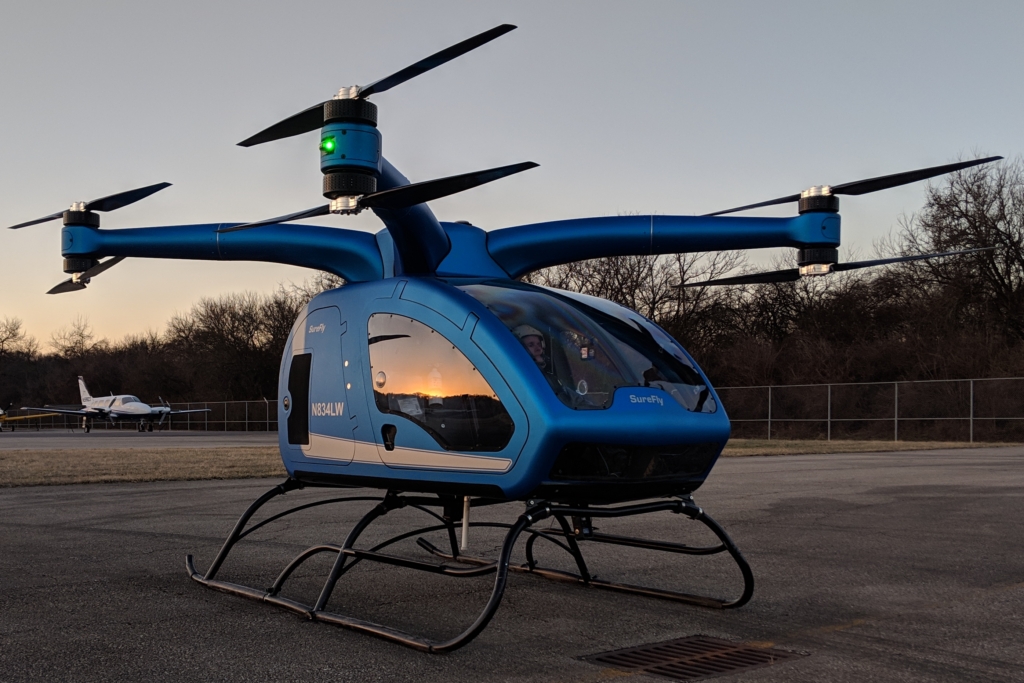
They are more efficient than conventional helicopters, offering greater maneuverability through multiple rotors. The design significantly benefits from direct thrust vectoring. Pilots achieve the desired position and altitude with the help of differential rotor speeds. The relatively simpler controls allow greater stability, particularly during low-speed operations such as takeoff and landing.
A significant downside of the multirotor design is its poor energy efficiency. With the absence of aerodynamic lift, continuous power is required to remain airborne. This limits the aircraft’s operational range and endurance. The multirotor design is generally limited to shorter, lighter, and less complex missions. Small-scale cargo services can be offered using multirotor eVTOLs.
Lift + Cruise eVTOL design
A lift + cruise design features dedicated rotors for vertical takeoff, hovering, and landing, while offering a separate propulsion system for cruise flight. A pusher propeller is generally installed to aid during forward flight. Such designs have a fixed wing, enabling the generation of aerodynamic lift.
Once the aircraft transitions to cruise, vertical rotors can be disengaged, conserving power. Compared to the multirotor design, the lift + cruise architecture significantly improves energy efficiency. This results in greater endurance and range.
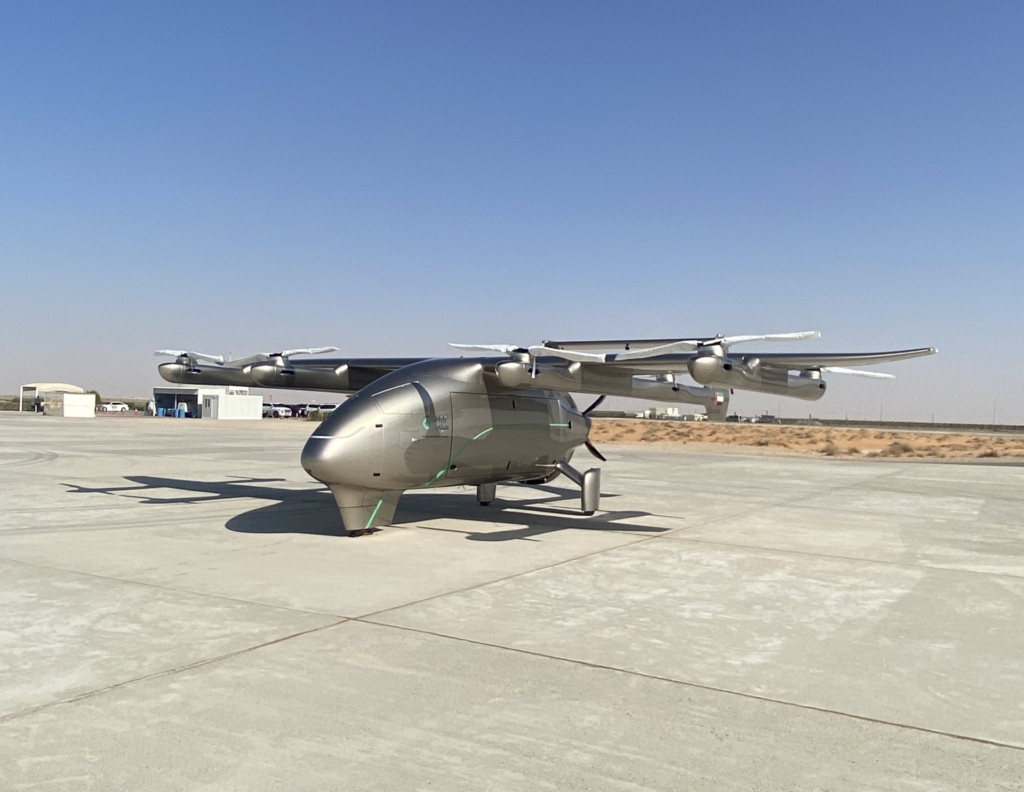
A major downside of the lift + cruise design is the introduction of structural weight and complex systems. Managing distinct power systems during the course of flight requires precise transition, repeatability, and robustness. Lift + cruise is the most common design for passengers and cargo movement, offering higher efficiency and operational performance.
Tilt-Rotor eVTOL design
In a tilt-rotor eVTOL, the same rotors are used for both vertical lift and forward cruise flight. This is achieved by physically tilting the rotors from a vertical to a horizontal position. Compared to the lift-and-cruise configuration, the transition between vertical and forward flight is relatively smooth.
With just one kind of propulsion system, the operational efficiency is greatly improved. Moreover, enhanced cruise performance and range are obtained for a variety of missions. Tilt-rotor eVTOL designs are ideal for regional air services, particularly for passenger and essential cargo transport.
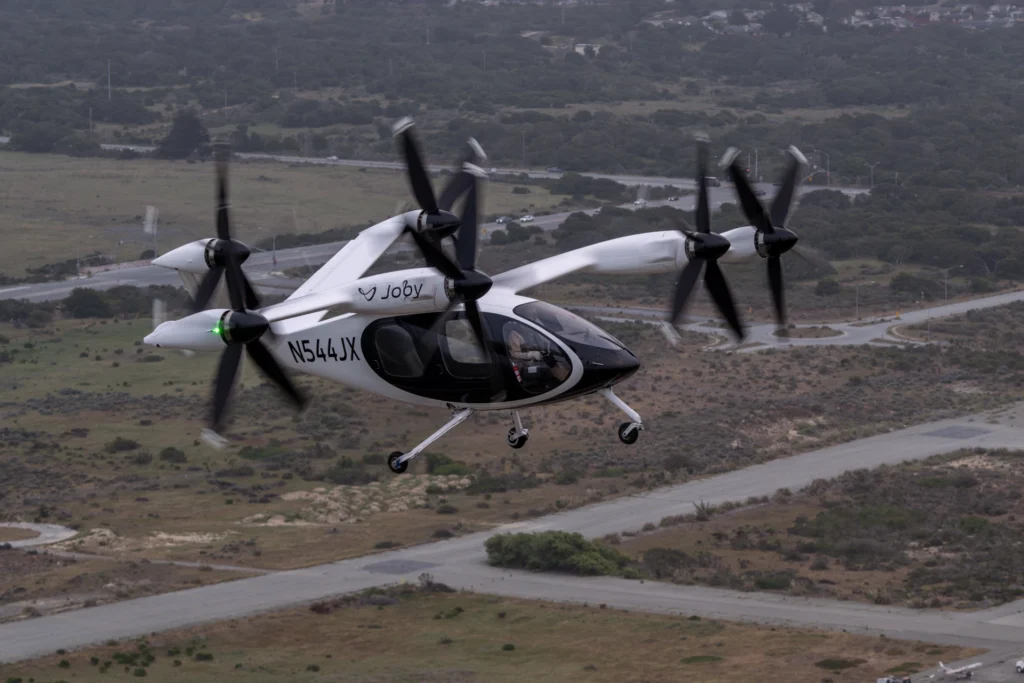
Tilt mechanisms associated with spinning rotors introduce mechanical and control complexity. Highly sophisticated flight control algorithms are required to ensure the safe transition of rotors during flight. These designs undergo stringent scrutiny by certification authorities to ensure that comprehensive failure analysis and risk mitigation are performed.
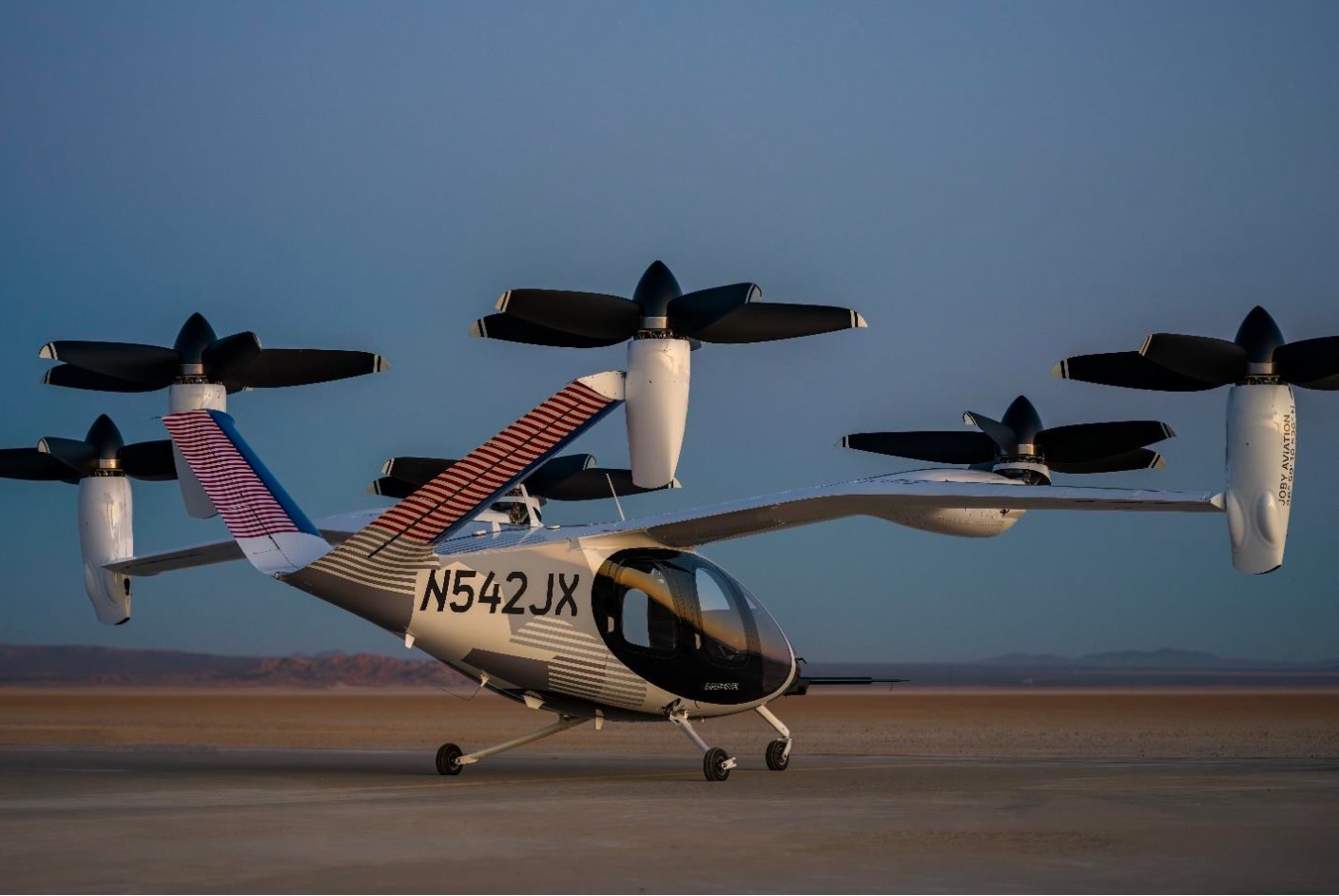
Featured Image: Joby Aviation