Pilots must have final say over flying into conflict zones, says IFALPA

April 9, 2026
Pilots must be given the final say over whether to operate into conflict zones, the International Federation of Air Line Pilots’ Associations (IFALPA) has said, as the industry scrambles to adjust to the unfolding conflict in the Gulf.
The issue of operating in areas at war has climbed up the agenda in recent weeks after the situation in Iran and the wider region escalated, with wide-scale airspace closures, flight re-routings and the temporary closure of some airports.
IFALPA warns against ‘normalisation of degraded conditions’
In a new position paper, IFALPA, which describes itself as the global voice for pilots, said operations in or near conflict zones should still be considered exceptional circumstances despite the protracted fighting both in the Middle East and Ukraine.
IFALPA said that a safety risk existed where the “passage of time does not reduce risk or diminish operational complexity”.
“Normalisation of degraded conditions must be actively prevented,” the body said, “particularly where repeated uneventful outcomes may mask underlying and evolving hazards.”
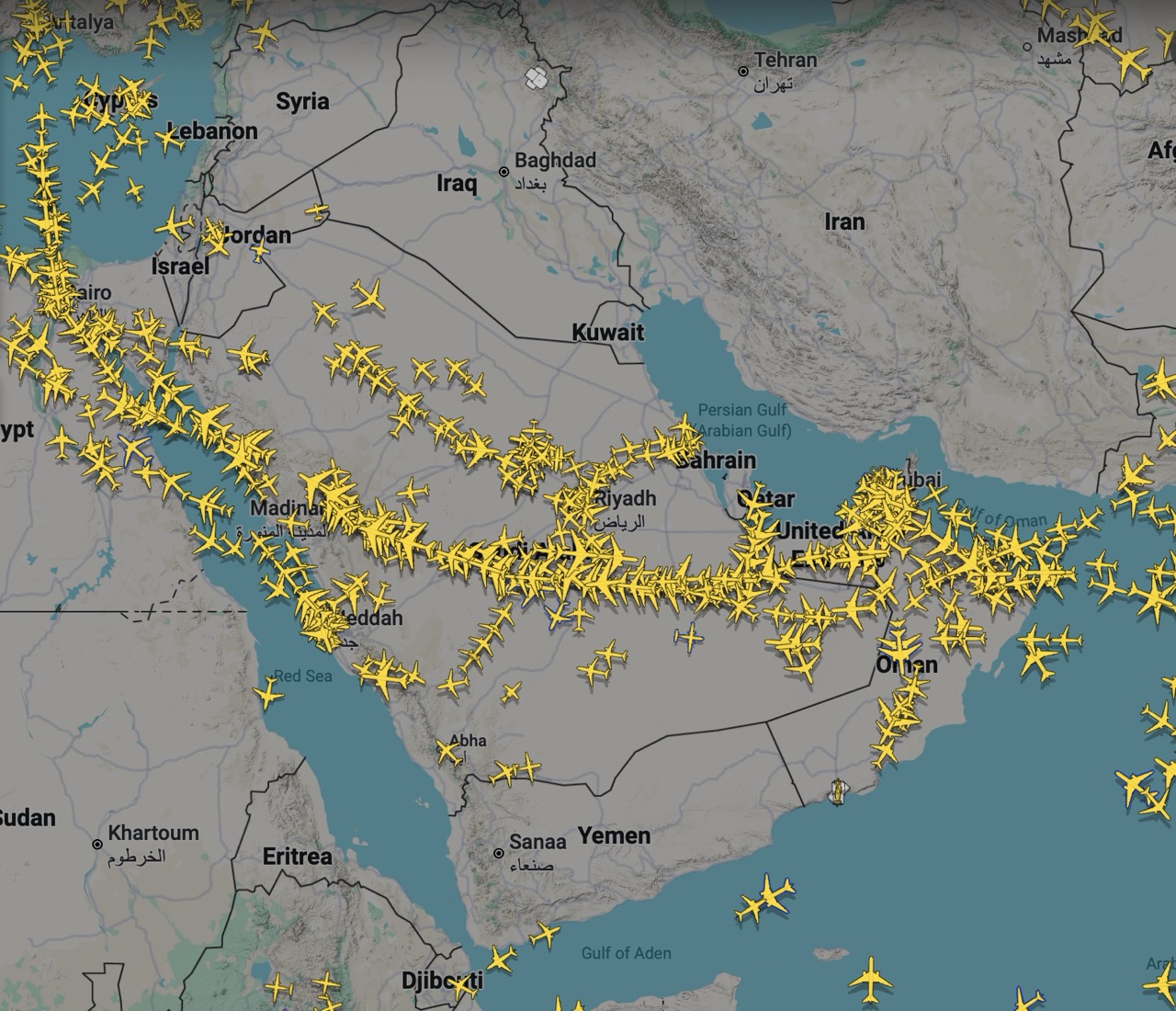
The US-Israel-Iran conflict has upended flight networks and schedules across the Middle East.
But while some airlines have trimmed or entirely cancelled aircraft rotations into the region, many are continuing to operate.
The Middle East plays a vital role in global travel, with the big three Gulf airports (Dubai, Doha and Abu Dhabi) together handling more than 3,000 flights on a typical, pre-war day. It is not, therefore, a part of the world which can be easily avoided without significant disruption to the industry.
‘Commander’s decision must be final and non-negotiable’
Despite the temporary pause in fighting during a proposed two-week ceasefire, operating in conflict zones remains an active and complex problem for carriers to solve.
As a result, IFALPA is urging operators to recognise both the “mental and emotional strain” that conflict zone operations can have on pilots.
It says that the “commander’s decision regarding the conduct or rerouting of a flight, including refusal to overfly a conflict zone, must be final and nonnegotiable. Additionally, this decision must not be influenced by financial or other incentives, career repercussions or other penalties, or commercial pressures.”
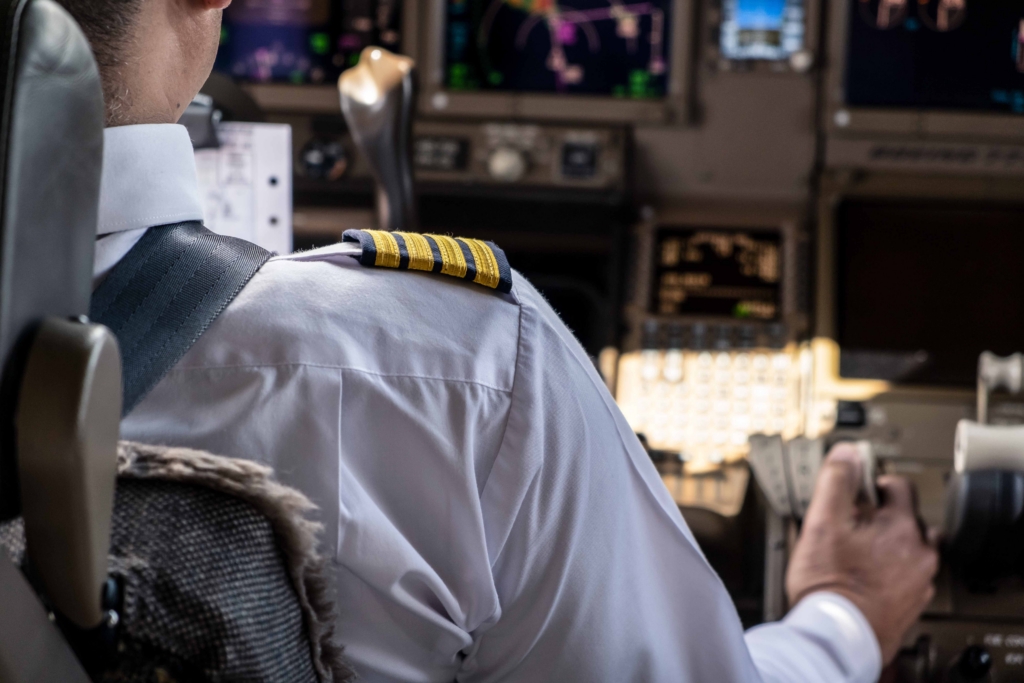
IFALPA reaffirms the position that the commander must make their decision solely based on safety and security factors, and urges airlines to “explicitly codify these provisions in their Safety/Security Policy and clearly communicate them internally.”
How operating in conflict zones takes its toll on crews
The pilot association also highlights some of the impacts of operating in conflict zones on crews.
IFALPA notes that exposure to complex and high-risk environments may lead to “acute stress symptoms, sleep disturbance and insomnia, impaired concentration, and heightened anxiety reactions in the short term.”
It adds that “without appropriate safeguards, this exposure may result in the longer-term development of unhealthy coping mechanisms, relationship breakdown, and/ or progress into psychological conditions leading to the potential loss of medical certification.”
Airlines should adopt measures to deal with this, including providing opportunities to recuperate after a flight and offering confidential support.

Another threat that needs to be mitigated is the impact on human performance. IFALPA states that “hypervigilance, cognitive overload, stress-induced fatigue with reduced recovery, automation mistrust due to GNSS interference, and operational uncertainty associated with rapidly changing conditions” are all factors which increase workload and degrade decision-making and situational awareness.
BALPA, the British pilot union, has said that its representatives are “working hard with the airlines to ensure that everything is done to keep our members protected and safe.”
Featured image: Nigel Harris / stock.adobe.com