The new A320 issue: Quality control problems compound a difficult week for Airbus

December 1, 2025

Industry sources have told Reuters that Airbus is working through a newly identified industrial-quality problem affecting fuselage panels on “several dozen” A320-family aircraft currently in production.
The defect appears to stem from supplier or manufacturing faults, although Airbus has not publicly provided a detailed root-cause analysis.
The issue has triggered additional inspections across the production line, and several handovers are already understood to have been postponed.
As with most structural non-conformities, Airbus is treating the checks conservatively, slowing the build flow until the source and scope of the problem are fully understood.
Update: Airbus has now cut its delivery forecast for 2025 as it works to inspect the fault
No in-service Airbus A320s affected, say sources
Crucially, the sources speaking to Reuters stressed that “there are no immediate indications that the defect has reached aircraft in service”.
The risk, therefore, appears confined to jets still on the line or awaiting repaint, cabin fit-out or customer acceptance.
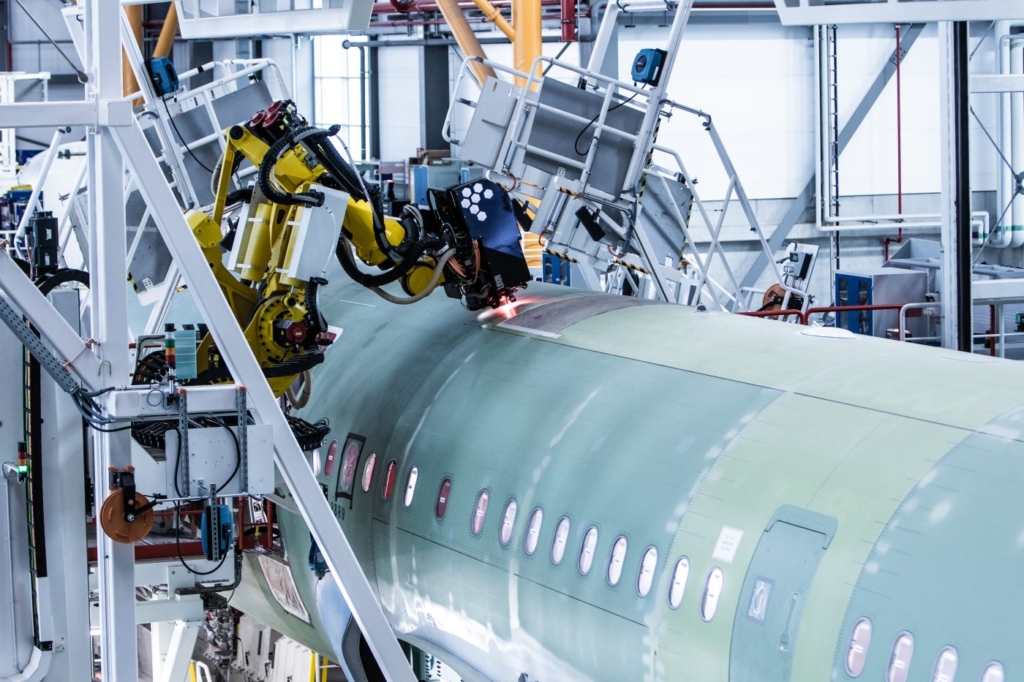
While the flaw is serious enough to delay handovers, there is no evidence at this stage of a direct safety threat to passengers. Airlines operating the global A320 fleet have not been asked to conduct structural inspections or adjust their operations.
Find the latest aviation industry news right here.
Airbus A320 family under pressure after solar-radiation recall and cold-weather engine limits
The fuselage-panel issue comes at the end of a difficult month for Airbus and its best-selling single-aisle family.
On 28 November, Airbus issued a global alert covering approximately 6,000 A320-family aircraft, after a software anomaly linked to intense solar radiation interfered with flight-control data. The glitch reportedly contributed to a serious altitude-loss incident on a JetBlue flight earlier this year. Most affected aircraft have now been updated, and fewer than 100 remain to be modified.
Read more: ELACs explained – the A320 software that caused JetBlue’s pitch down incident
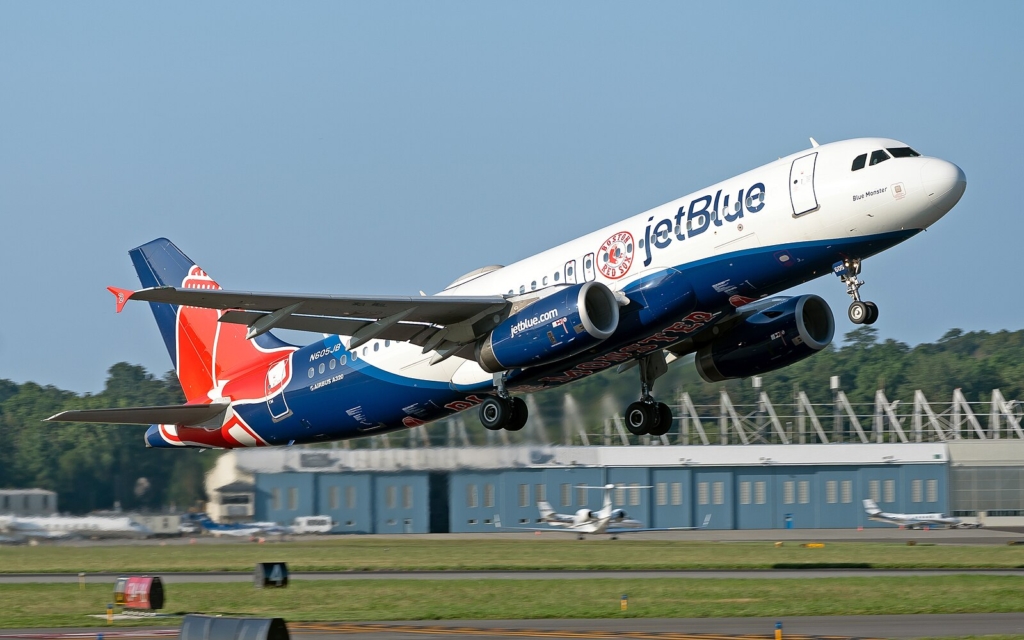
Separately, Airbus and Pratt & Whitney are dealing with new cold-weather engine restrictions after icing incidents involving Air Astana’s A320neo fleet. In freezing fog and temperatures below –9 °C, ice build-up was observed on PW1100G-powered aircraft during taxi. Airbus has since issued procedures requiring ice-shedding run-ups and banning take-offs in certain conditions. These limitations do not apply to CFM LEAP-powered A320neos.
Together, the solar-radiation recall, the GTF cold-weather restrictions and now a structural non-conformity have created unusually intense scrutiny for the A320 family, which has historically maintained a reputation for reliability and steady production.
What the new quality issue means for Airbus’s 2025 delivery targets
Airbus has not yet published its official November delivery results. Analysts cited by Reuters estimate around 72 handovers in November, bringing the projected year-to-date total to about 657 aircraft. These figures remain unverified until Airbus releases its monthly report.
The manufacturer is targeting around 820 deliveries in 2025. To reach that number, it would need to hand over more than 160 aircraft in December, an output level never achieved before.
With fuselage-panel inspections now slowing the production rhythm, and with residual disruption still flowing from the recent software recall, several analysts believe Airbus may fall short. Some expect a final total closer to 800 deliveries, depending on the duration and depth of the new checks.
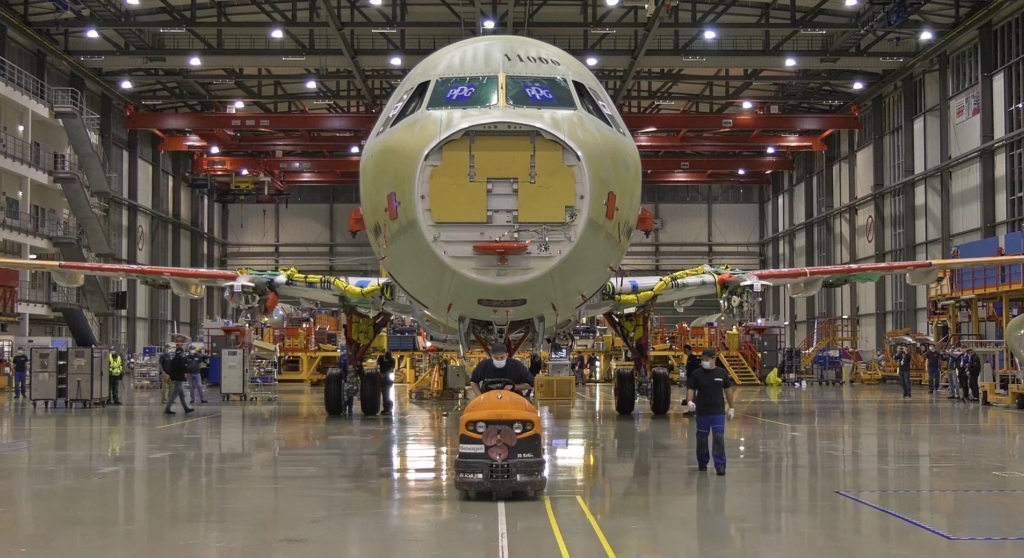
For airlines, the immediate risk is slippage in December handovers. If affected airframes require re-work or panel replacement, the resulting bottleneck may strain Airbus’s traditional year-end surge, which historically accounts for a large portion of annual output.
Airbus shares fell around 9 to 10% following the publication of the A320 quality reports, underlining investor sensitivity to production and reliability headlines during a high-volume ramp-up.
Read more: Airbus vs Boeing – Which planemaker is more likely to hit its 2025 delivery target?
A rare quality-control lapse for Airbus
While Airbus has dealt with high-profile disputes before, most notably the A350 paint and skin-surface degradation that led to a bitter multi-year clash with Qatar Airways, sustained, systemic production problems have been relatively rare for the company.
Historically, Airbus’s challenges have tended to fall into three categories:
- cosmetic or materials-related issues, such as the A350 paint cracking and UV-sensitivity problem
- supplier variation, such as cabin-interior or structural-component inconsistencies
- software and avionics anomalies, typically resolved with service bulletins
In contrast, Boeing has spent much of the past five years grappling with recurring, highly visible production failures, including:
- large-scale 787 manufacturing defects, including fuselage shimming, structural gaps and quality lapses at major suppliers
- repeated 737 MAX quality issues, such as loose fasteners, missing shims, mis-drilled holes and the widely publicised door-plug blowout
- FAA-mandated production slowdowns, with lines capped and expanded regulatory oversight
- a chronic struggle to stabilise its supply chain and workforce after pandemic attrition
The difference is not merely reputational. Boeing’s problems have resulted in months-long delivery halts, regulatory investigations and repeated cash-flow hits. Airbus, by contrast, has largely kept its factories stable and its delivery cadence predictable, even while wrestling with global supply-chain pressures.
That is what makes the newly disclosed A320 fuselage-panel defect notable: it is rare for Airbus to encounter a structural quality lapse significant enough to slow production during a year-end push, especially at a time when the company is carrying record backlog pressure and dealing with two other operational issues simultaneously.