


Airbus A320 ELACs explained: How a software glitch caused a JetBlue pitch-down and forced urgent inspections

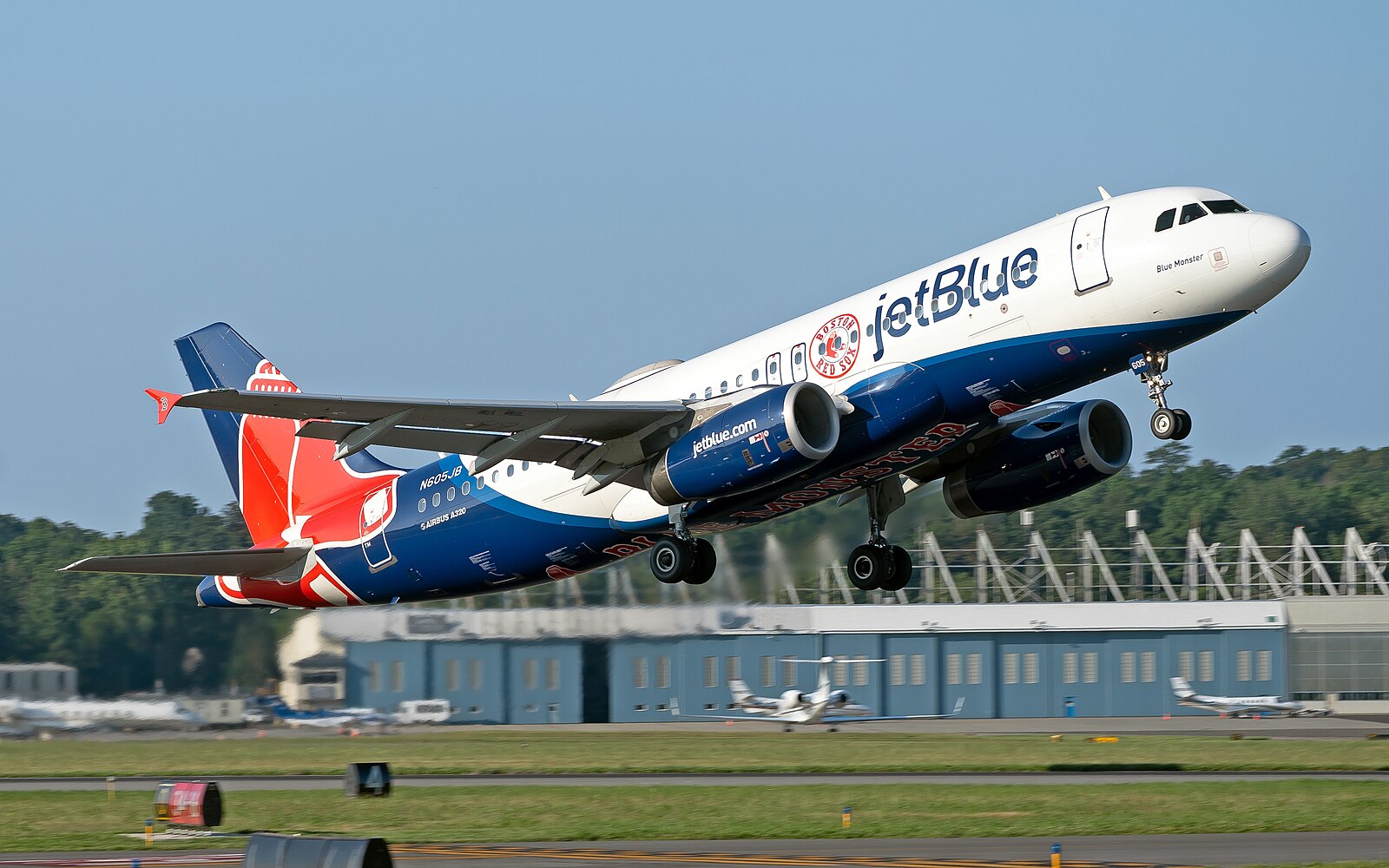
Built by Thales, the ELACs are the system that triggered the uncommanded pitch-down on JetBlue Flight 1230 back in October. An emergency airworthiness directive on the Airbus A320 fleet followed, and you can bet the industry will be talking about it for a while.
Here, we take a look at what the ELACs actually are and why they are such a big deal.
Why ELACs are central to A320 pitch and roll control
Seven flight control computers process the pilot and autopilot inputs according to Airbus fly-by-wire flight control laws. There are two ELACs, three SECs (Spoiler and Elevator Computers) and two FACs (Flight Augmentation Computers).
The ELACs are a pair of computers that essentially act as the aircraft’s brain for its pitch and roll axes. These boxes take whatever the pilot or autopilot demands and convert it into the crisp, precise movements of the elevators and ailerons.
The ELACs also take input from seven other aircraft systems, such as the three ADIRUs (Air Data Inertial Reference Units), FMGC (Flight Management Guidance Computer) and radio altimeters.
For pilots flying an A320, the ELACs are one of the key systems making sure everything feels stable, controlled and predictably “Airbus”.
So what exactly is an ELAC?
As mentioned, ELAC stands for Elevator Aileron Computer, and the A320 carries two of them – ELAC 1 and ELAC 2.
Together, they form a cornerstone of the fly-by-wire system. Instead of old-school pulleys and cables, everything flows through electrical signals. The pilot moves the sidestick, the ELACs interpret it, and the aircraft reacts.
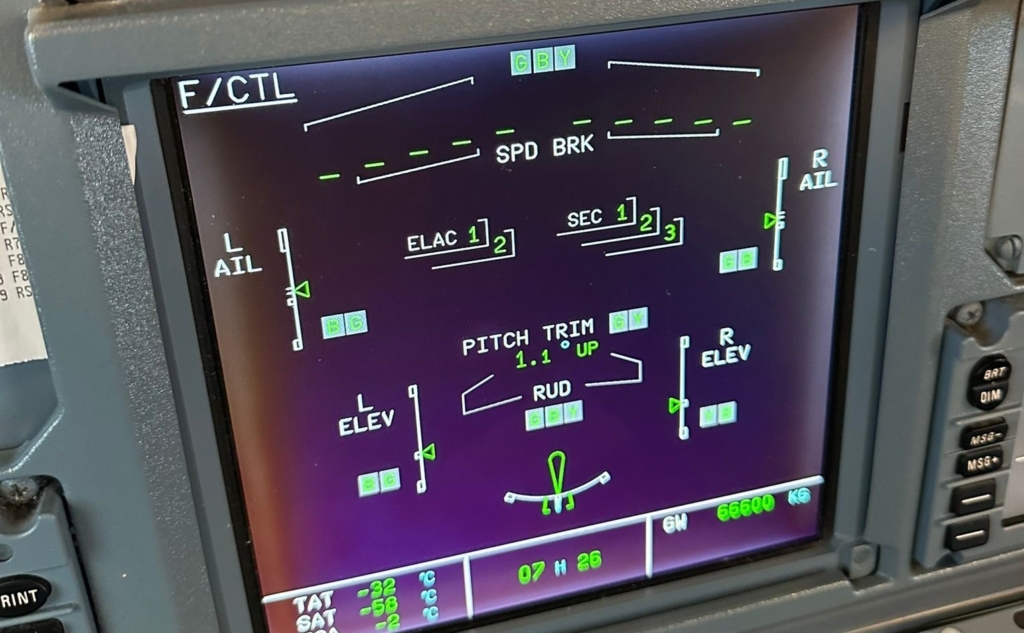
Incidentally, even if both ELACs fail, the aircraft will still fly – albeit with some of the flight control protection lost, and minus the autopilot.
What the ELAC system actually does
The ELACs are responsible for several functions:
Elevator control
The elevators sit on the horizontal stabiliser and are the surfaces that make the aircraft pitch up or down. When the pilot pulls or pushes on the sidestick, or the autopilot commands a pitch change, the ELACs translate those movements into exact elevator deflections to give the aircraft the correct pitch attitude.
Aileron control
Out on the wingtips, the ailerons manage the aircraft’s roll – its ability to bank left or right. The ELACs read the pilot’s or autopilot’s roll input and command the ailerons to create the desired bank angle.
Enforcing flight control laws
This is one of the most important parts of Airbus’ design philosophy. The ELACs help enforce the built-in control laws – the rules that determine how the aircraft responds to pilot and autopilot inputs and how it protects itself from things like overspeed or unacceptable angles of attack.
These protections keep the aircraft within safe operating limits, even if a pilot over-controls or encounters severe turbulence.
Fault detection and redundancy
Airbus designs its systems assuming that things can go wrong, and ELACs are no exception. Both computers constantly monitor themselves and the control surfaces they manage.
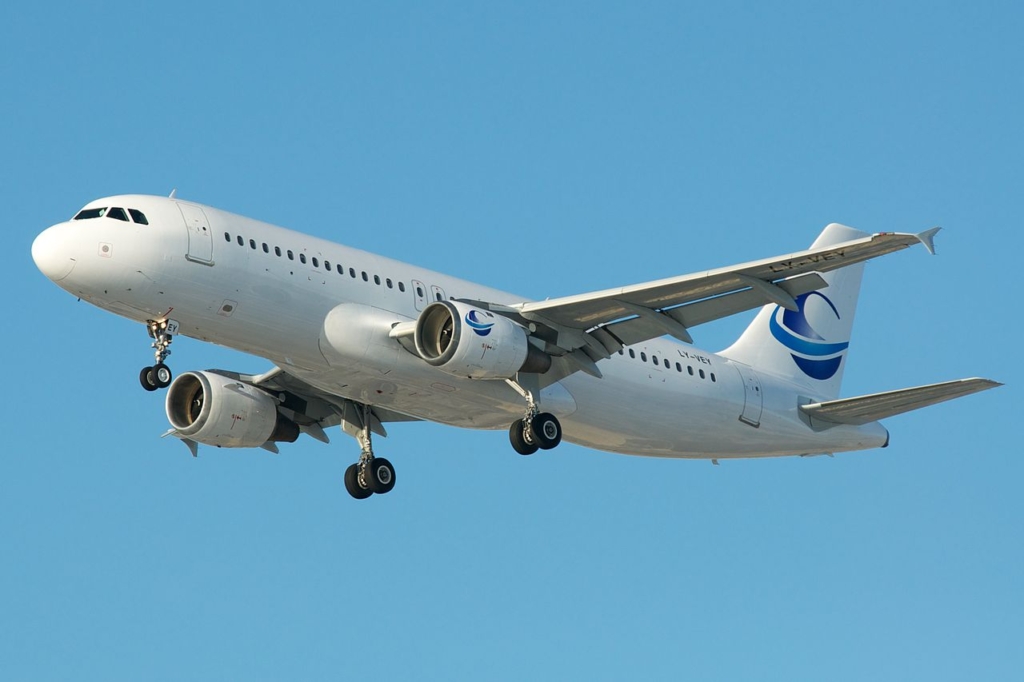
If one ELAC has an issue, the other seamlessly takes over. Any abnormalities get flagged to the flight deck so the crew can take appropriate action via the ECAM (Electronic Centralised Aircraft Monitoring).
What’s the difference between ELAC 1 and ELAC 2?
Even though they’re twins, they don’t both do the same things:
ELAC 1: Is mostly in charge of the ailerons and some elevator functions, especially those powered by the blue hydraulic system.
ELAC 2: Handles the elevators and the Trimmable Horizontal Stabiliser (THS), working through the green and yellow hydraulic systems.
If the A320’s fly-by-wire setup is the nervous system, the ELACs are the part of the brain that keeps pitch and roll smooth, predictable and protected. And with the recent solar radiation issue affecting A320s putting it under the microscope, expect a lot more attention on these two little computers in the weeks and months ahead.
How a fault with the ELACs caused a JetBlue pitch down
On 30 October 2025, JetBlue Airways Flight 1230, an Airbus A320 registered N605JB, departed Cancún, Mexico (CUN) bound for Newark, New Jersey (EWR).
Roughly two hours into the cruise, at flight-level 350 (about 36,000 ft), the aircraft experienced a sudden uncommanded pitch-down lasting 4–5 seconds, prompting the crew to declare an emergency and divert to Tampa, Florida (TPA).
Around 15–20 passengers suffered minor injuries.
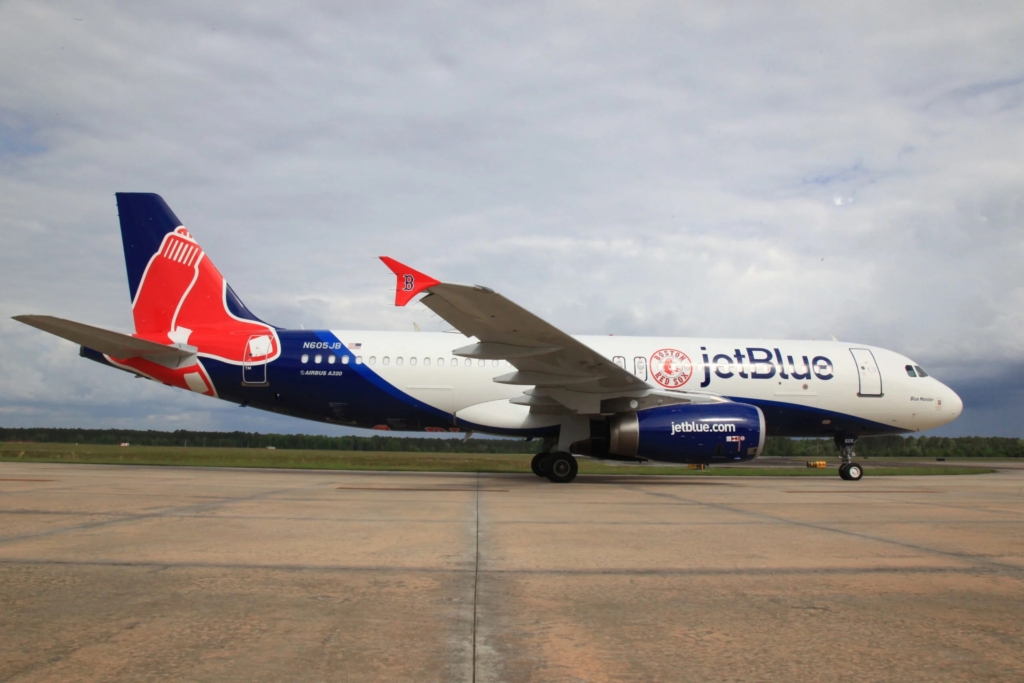
Investigators concluded the incident was triggered by a fault in the ELAC flight-control computer on the Airbus A320 involved. That ELAC unit, fitted with software version L104, apparently suffered data corruption, a vulnerability linked to intense solar radiation, which allowed erroneous elevator commands to be issued without pilot input.
The resultant uncommanded pitch-down forced the aircraft to descend rapidly and make an emergency diversion, an outcome serious enough that regulators issued a global fleet-wide directive requiring all affected A320s to receive revised software or replacement ELAC hardware before flying again.
Airlines have complied rapidly, with Airbus saying on Monday, 1 December, that just 100 or so aircraft remain needing software updates.
Get all the latest commercial aviation news on AGN here.
Featured image: Dave Montiverdi / Wikimedia


