NASA study finds urban residents are more irritated by the noise of air taxis

February 20, 2026
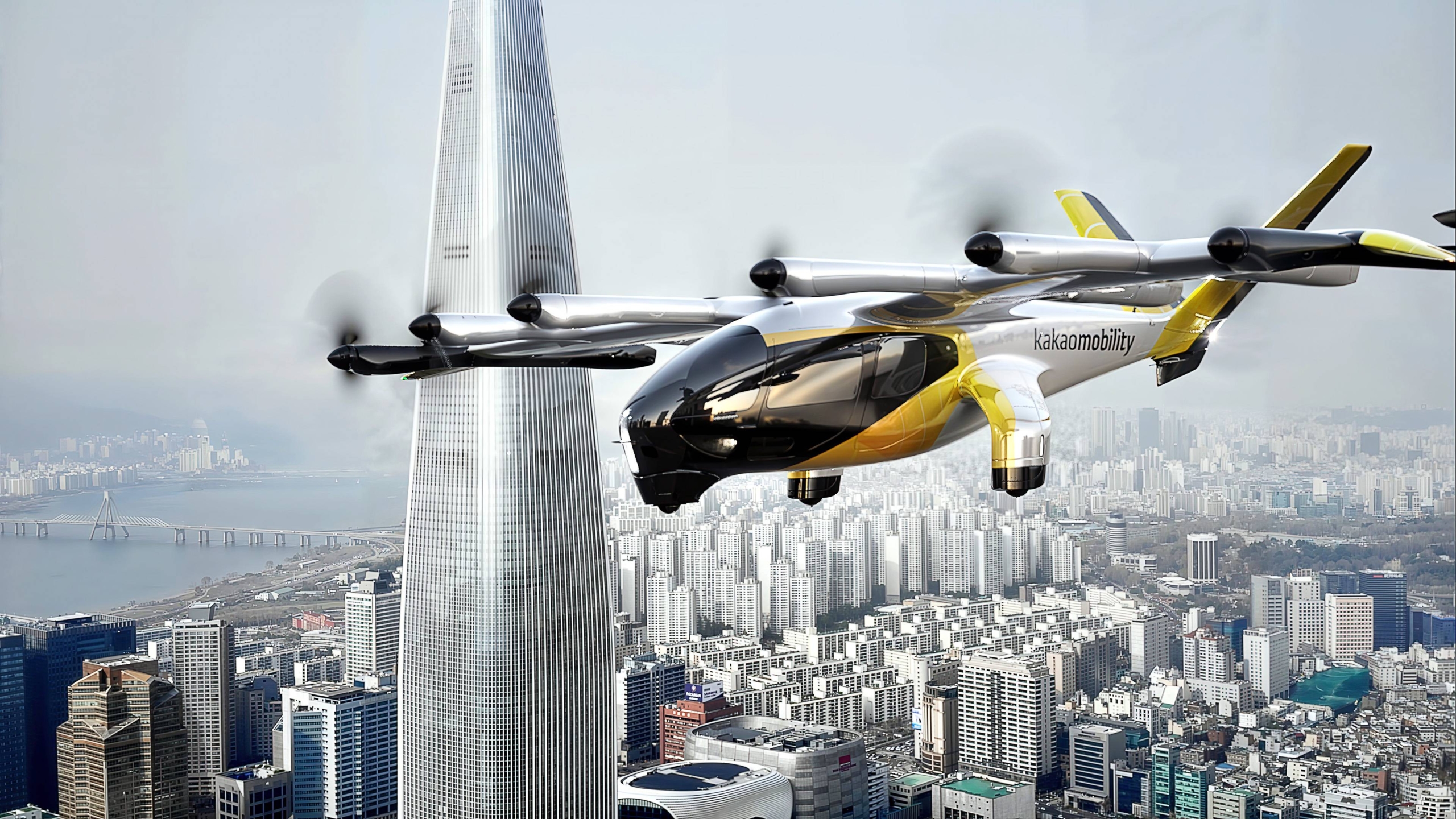
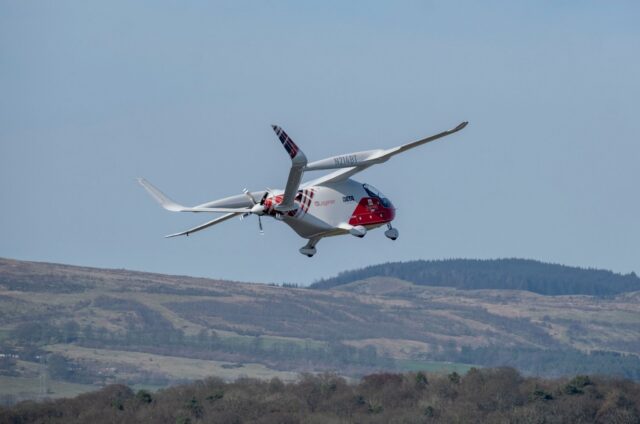
The unfamiliar whine of future air taxis could prove more irritating to people living in already noisy cities than to those in quieter suburbs, according to new NASA research that offers an early glimpse of how communities might react as advanced air mobility moves closer to reality.
The findings come from NASA’s Varied Advanced Air Mobility Noise and Geographic Area Response Difference (VANGARD) study, conducted between late August and September 2025.
The work forms part of the agency’s wider effort to prepare communities for the arrival of electric vertical take-off and landing aircraft (eVTOLs) and other short-range urban air vehicles.
NASA study finds urban residents are more annoyed by air taxi noise
NASA researchers surveyed 359 participants across Los Angeles, New York City and the Dallas-Fort Worth region. Volunteers listened to 67 different simulated aircraft flyover sounds and rated how bothersome they found each one.
To preserve objectivity, the research team deliberately withheld aircraft manufacturer names and avoided showing participants any images of the vehicles.
Most participants completed the listening exercise at home using their own audio equipment, while a smaller control group of 20 people took part at NASA’s Langley Research Center under fixed audio conditions.
Initial analysis revealed a clear trend: people living in high-noise urban areas reported greater annoyance to air taxi sounds than those in quieter neighbourhoods.

Researchers believe the result may reflect heightened sensitivity among city residents to additional noise sources.
Lead researcher Sidd Krishnamurthy of NASA Langley said the study fills a key knowledge gap as the industry moves toward real-world operations.
“With air taxis coming soon, we need to understand how people will react to a variety of future aircraft sounds,” he noted, adding that the results will help guide both aircraft design and operational planning.
NASA VANGARD research supports integration of advanced air mobility
The VANGARD work sits within NASA’s broader aeronautics push to enable new transportation options while maintaining community acceptance. Participants were asked to provide their ZIP codes, allowing researchers to classify responses according to local background noise levels.
Importantly, the study did not attempt to answer every noise-related question. For example, it did not examine whether high ambient noise might mask aircraft sounds in real operations.
Instead, NASA describes the work as an initial step toward building more accurate predictive models of human response.
The research is being conducted under the Revolutionary Vertical Lift Technology project within NASA’s Advanced Air Vehicles Program (AAVP), which focuses on enabling safer, quieter and more efficient next-generation aircraft.
US air taxi strategy signals phased rollout through 2035
The timing of NASA’s findings is significant. According to the Advanced Air Mobility National Strategy published in December 2025, air taxis and powered-lift aircraft are now formally recognised as part of the future US transportation system.
The federal roadmap outlines a phased rollout:
- Demonstrations and limited early operations expected by 2027
- Regular services in selected areas by around 2030
- More advanced, potentially autonomous use cases emerging by 2035.
Crucially, the strategy emphasises that early services will be tightly controlled and piloted, reflecting a deliberately cautious approach to scaling the sector.
It also highlights that the biggest structural challenge is not aircraft certification but airspace management, with current air traffic systems unable to support thousands of low-altitude vehicles without significant automation and new traffic models.
Air taxi infrastructure and public acceptance remain key barriers
Beyond noise, the national strategy identifies several practical barriers that could shape the pace of adoption. These include electrical power availability for large-scale charging, improved low-altitude weather detection and sufficient radio spectrum capacity.
Infrastructure funding is also expected to rely heavily on private investment rather than federal spending, with operators encouraged to use existing airports and heliports in the early years.
Taken together, the policy direction suggests that while the air taxi market is advancing, its growth will likely be measured rather than explosive.
NASA noise research may shape future eVTOL aircraft design
For manufacturers and regulators, NASA’s early findings carry practical implications. If urban populations prove more sensitive to new aircraft sounds, designers may face additional pressure to reduce acoustic signatures, particularly for operations over dense cities where the commercial case for air taxis is strongest.
NASA says further analysis of the VANGARD data is underway, and follow-on studies are expected. As advanced air mobility moves from concept to deployment later this decade, understanding community tolerance and not just technical capability is increasingly emerging as a decisive factor in whether the sector can scale successfully.
The message from the latest research is clear: the technology may be nearly ready, but public acceptance will help determine how fast the air taxi era truly takes off.
Featured image: Archer Aviation