The longest and shortest scheduled flights of 2025

November 24, 2025
Ever wondered what it’s like to fly nearly 19 hours nonstop? Oh how fun it would be to hop between islands in under two minutes?
From ultra-long-haul flights connecting major global hubs to micro-routes serving tiny remote communities, these flights highlight the incredible range and innovation of modern air travel.
Here we look at the longest and shortest scheduled flights of the moment, the planes that make them possible, and why they matter.
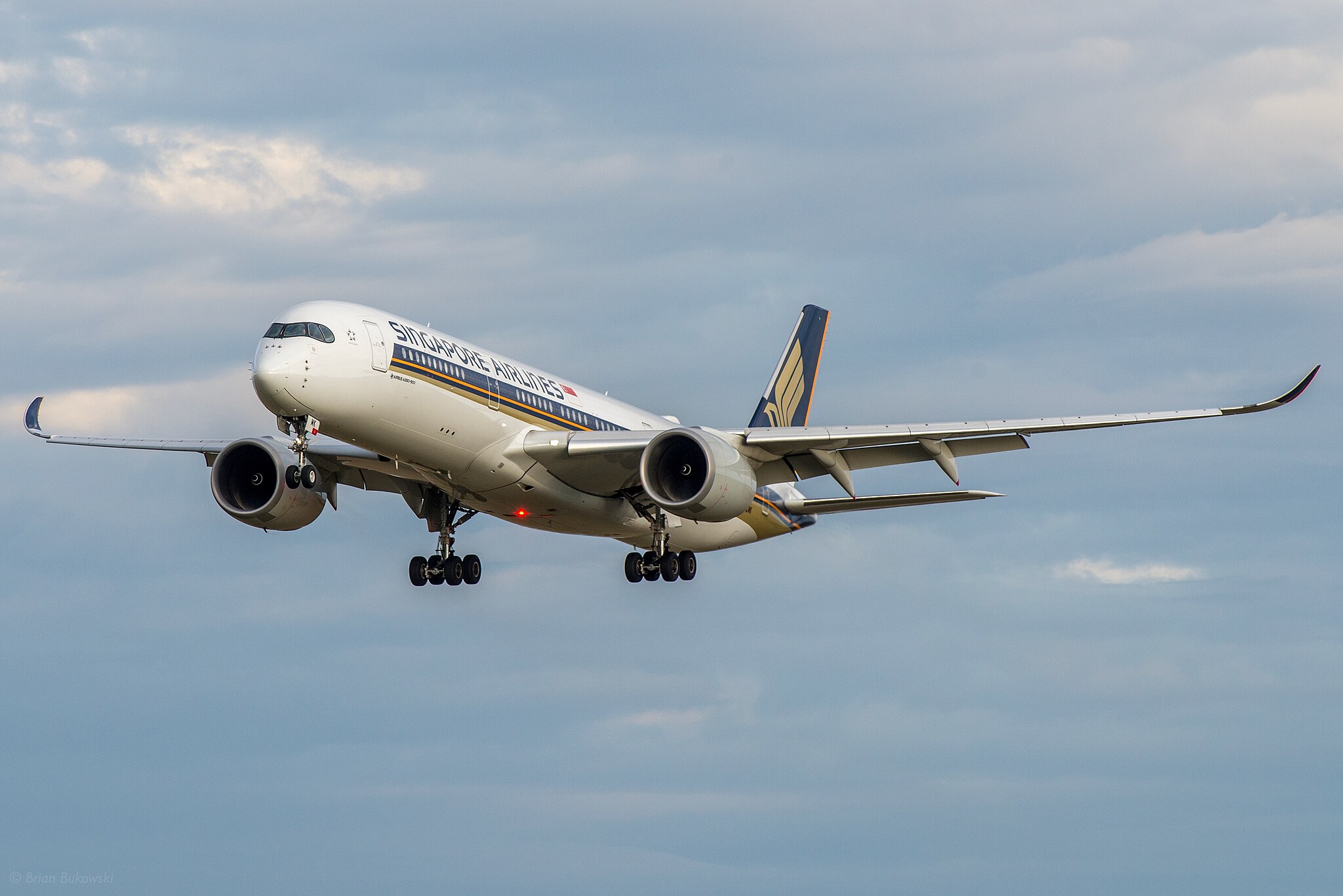
Singapore Airlines JFK to Singapore
The crown jewel of long-haul flights in 2025 has to be Singapore Airlines’ nonstop service between New York’s John F. Kennedy International Airport (JFK) and Singapore Changi Airport (SIN).
Spanning an impressive 15,349 km (9,537 miles) and clocking in at about 18 hours and 50 minutes, this flight takes passengers on an epic journey across half the globe aboard the Airbus A350‑900ULR.

Designed specifically for ultra-long-range travel, the A350‑900ULR offers better fuel efficiency, quieter cabins and a more comfortable passenger experience, making those nearly 19 hours in the air as pleasant as possible.
Newark to Singapore (with extra flexibility)
A very similar route, flying from nearby Newark Liberty International Airport (EWR) to Singapore, covers 15,344 km in roughly 18 hours and 45 minutes, also aboard the A350‑900ULR. While the routes are alike in distance and duration, scheduling flexibility between JFK and Newark gives travellers more options for departing from the New York metropolitan area, which is handy for both business and leisure flyers.
Qatar Airways Auckland to Doha
Meanwhile, on the other side of the globe, Qatar Airways operates one of the world’s longest routes between Auckland Airport (AKL) in New Zealand and Doha Hamad International Airport (DOH) in Qatar. This flight covers about 14,535 km and takes roughly 17 hours and 15 minutes.
For much of 2025, Qatar Airways has operated the Boeing 777‑200LR on this route. However, during peak seasons or high-demand periods, the airline occasionally switches to the Airbus A350‑1000, offering passengers slightly more cabin space and the latest in onboard amenities.

London Heathrow to Perth, Australia
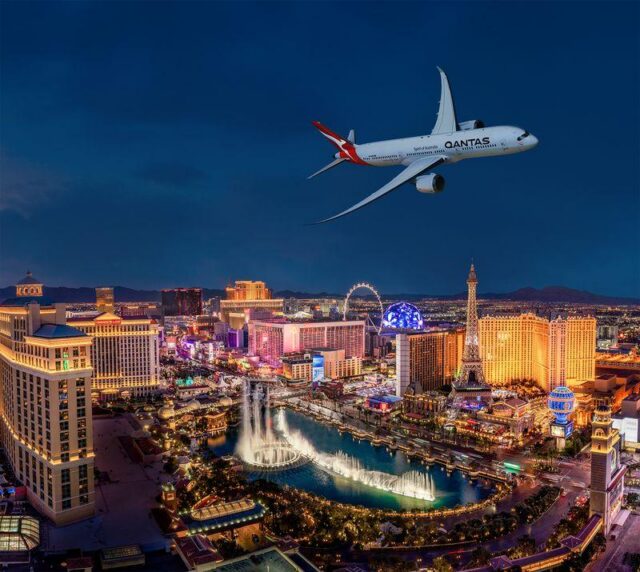
This non-stop route, racking up 14,500 kilometers (9,000 miles), takes approximately 17 hours. The service is operated by Qantas using the Boeing 787-9 Dreamliner, known for its fuel efficiency and long-range capabilities.
Initially launched in March 2018, the flight is now operated multiple times a week. It’s become a game-changer in providing a convenient and efficient option between Europe and Western Australia without a layover.
Why ultra-long-haul flights matter for airlines and passengers
For airlines, these ultra-long-haul routes are multifaceted. Often attracting premium travellers who value convenience and a nonstop service, they allow carriers to showcase the reach of their global networks.
For passengers, the benefits are clear: fewer connections, less time spent in transit and a smoother, more productive journey. Business travellers can get work done or rest uninterrupted, while those heading off on holiday can arrive at exotic destinations without the stress of multiple stopovers.
What is the world’s shortest scheduled flight?
At the other end of the scale, some flights barely take off before landing. The most famous is the Westray to Papa Westray route in Scotland’s Orkney Islands, operated on a Britannia ATP by Loganair.
Covering just 1.7 miles (2.7 km), it’s scheduled at around 90 seconds – though the actual airtime can be as little as 53 seconds. This flight is a lifeline for remote communities where ferries or roads aren’t practical.

Why these extremes matter for aviation
These flights highlight the incredible range of modern aviation, not least with the likes of Qantas’ Project Sunrise continuing in 2026 and 2027. They push aircraft to the limits of fuel efficiency, range and onboard comfort.
Short hops focus on frequency, reliability and essential service for niche markets – even if the journey is measured in minutes rather than hours.
In terms of ultra-long-haul passenger experience, longer flights are all about comfort, sleep and amenities, while short-haul prioritises connectivity, speed and simplicity. For airlines, both extremes show strategic thinking: linking distant global hubs while maintaining essential local routes.
Featured image: WikiCommons