A, B, C: What’s the difference between the different Lockheed Martin F-35 variants?

March 1, 2026
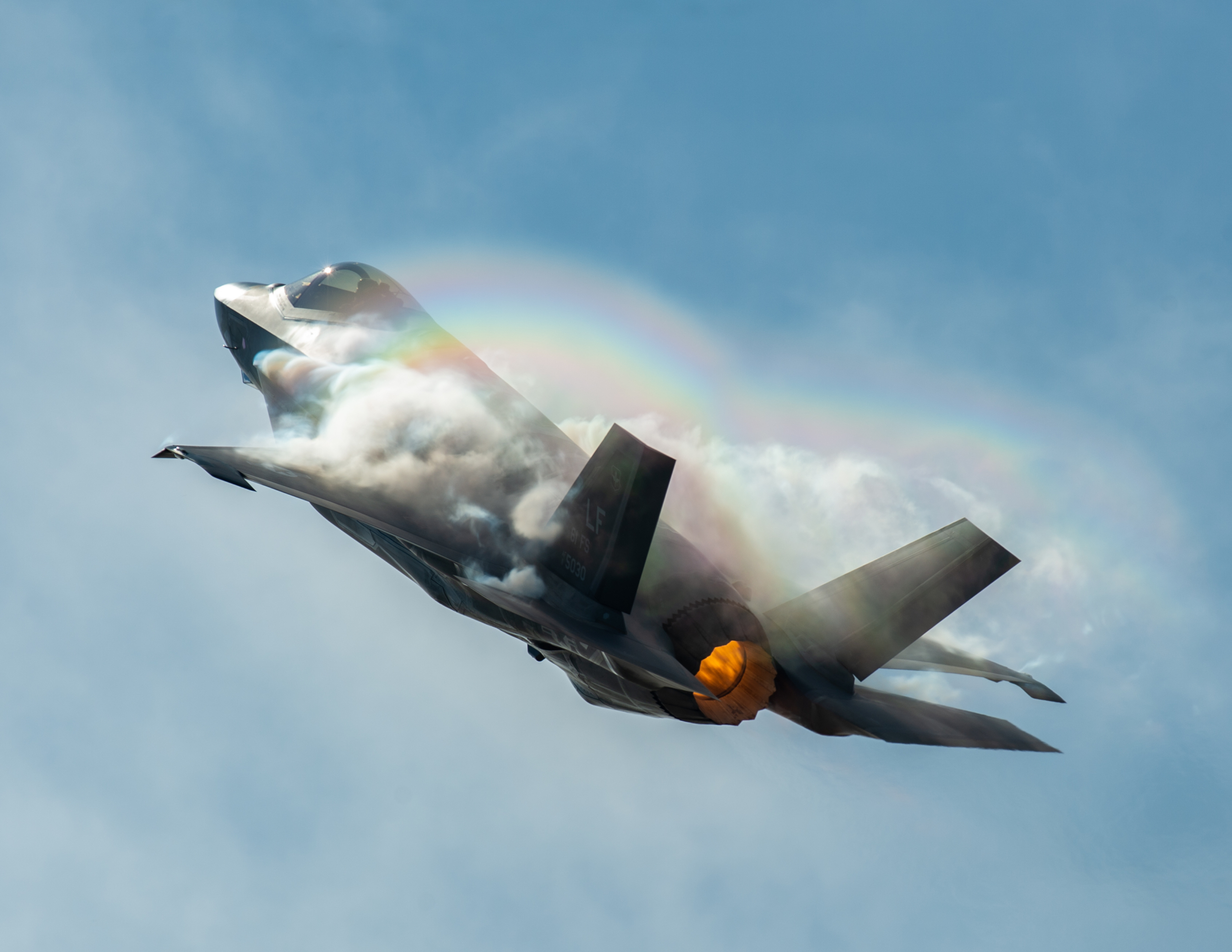
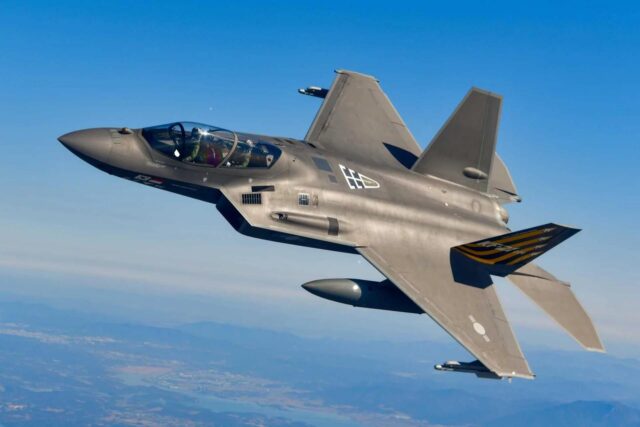
The Lockheed Martin F-35 Lightning II is a fifth-generation air dominance fighter aircraft. With unmatched stealth and network capabilities, the supersonic jet offers superior agility and unprecedented combat endurance. To maintain combat superiority across air, land, and sea, the multirole aircraft is designed with three major variants: F-35A, F-35 B, and F-35C.
The F-35A is a conventional takeoff and landing (CTOL) variant designed for optimised speed, range, and payload. The F-35B is a short/vertical takeoff and landing (SVTOL) variant designed to operate from a variety of austere locations, including ships.
The F-35C is a carrier-based variant featuring catapult-assisted takeoff but arrested recovery (CATOBAR) system. With a robust undercarriage, larger wings, and greater fuel capacity, the F-35C is designed specifically for aircraft carrier operations.
| F-35A CTOL | F-35B SVTOL | F-35C CV | |
|---|---|---|---|
| Length | 51.4 ft (15.7 m) | 51.2 ft (15.6 m) | 51.5 ft (15.7 m) |
| Wingspan | 35 ft (10.7 m) | 35 ft (10.7 m) | 43 ft (13.1 m) |
| Height | 14.4 ft (4.39 m) | 14.3 ft (4.36 m) | 14.7 ft (4.48 m) |
| Internal fuel | 18,250 lb (8,278 kg) | 13,500 lb (6,123 kg) | 19,750 lb (8,958 kg) |
| Weapons payload | 18,000 lb (8,160 kg) | 15,000 lb (6,800 kg) | 18,000 lb (8,160 kg) |
| Range | 1,200 nm (2,200 km) | 900 nm (1,700 km) | 1,200 nm (2,200 km) |
F-35A – a powerhouse of stealth and situational awareness
The F-35A is designed for conventional runway operations, securing air dominance and ensuring mission success across multiple domains. It is the primary variant operated by the United States Air Force (USAF) and its international allies. Featuring an internal 25mm cannon, the F-35 is ready to lead the fight and deliver a decisive advantage.
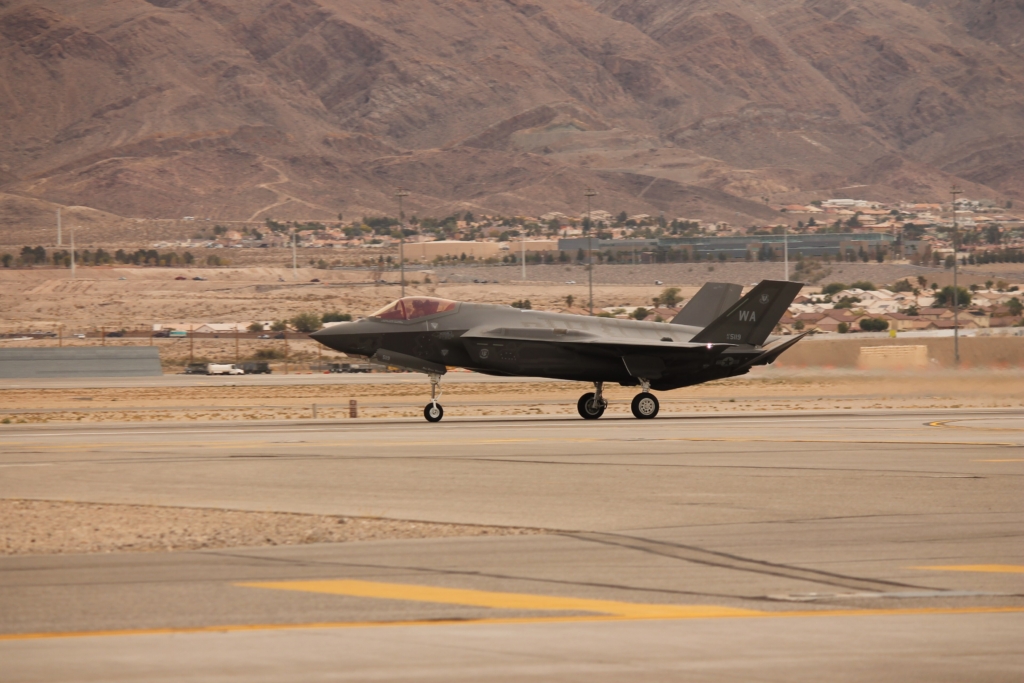
According to the US Air Force,
“The F-35A’s advanced sensor package is designed to gather, fuse, and distribute more information than any fighter in history, giving operators a decisive advantage over all adversaries.”
Apart from the USAF, most international operators of the type use the conventional F-35A variant.
F-35B – a SVTOL masterclass for high-performance combat missions
The F-35B is the most unique and capable variant, particularly due to its short/vertical takeoff and landing capability. With the capability to operate from austere locations and forward operating bases, the aircraft expands the horizon of air power. Apart from the USAF, the F-35B is operated by Italy, Japan, and the United Kingdom.
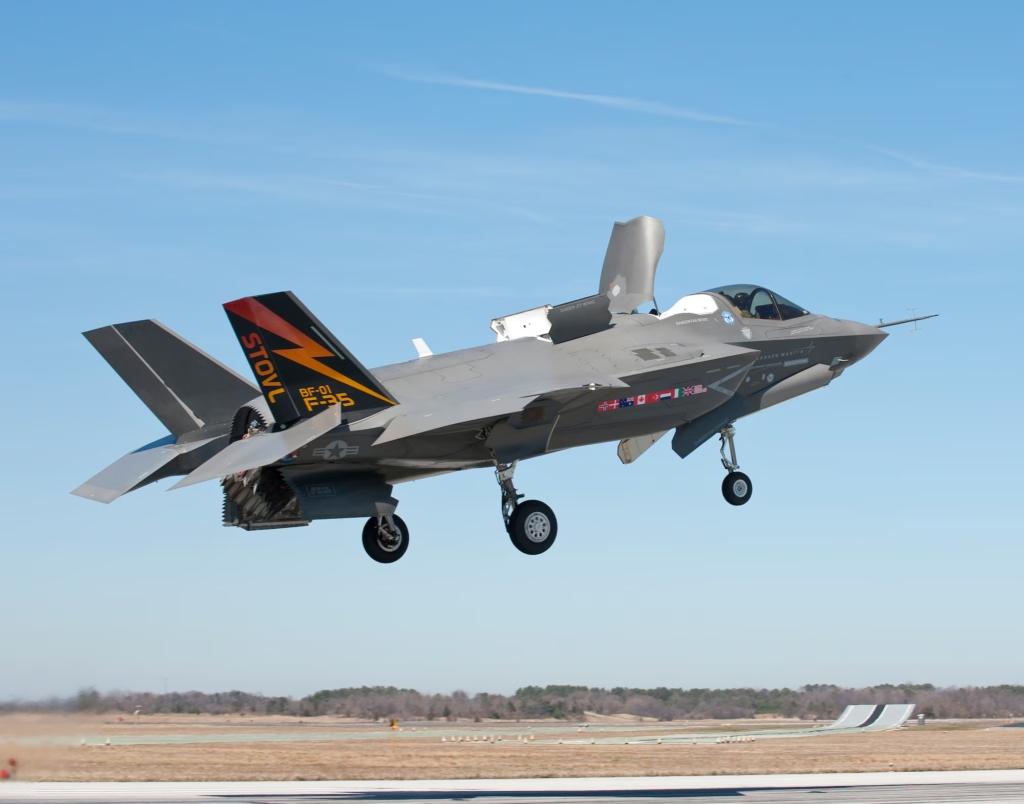
The aircraft delivers unmatched stealth and survivability, particularly in areas with limited infrastructure. To combat evolving threats, the F-35B’s strength lies in its flexibility, combat compatibility, and deterrence.
F-35C – designed explicitly for aircraft carrier operations
The F-35C is the world’s only fifth-generation stealth strike fighter. Primarily operated by the US Navy and Marine Corps, the type offers flexibility and mission readiness to carrier decks. To fulfil carrier-based missions, the F-35C is designed with a robust landing gear and larger, foldable wings. These capabilities make the type suitable for catapult launches and fly-in routines onboard aircraft carriers.
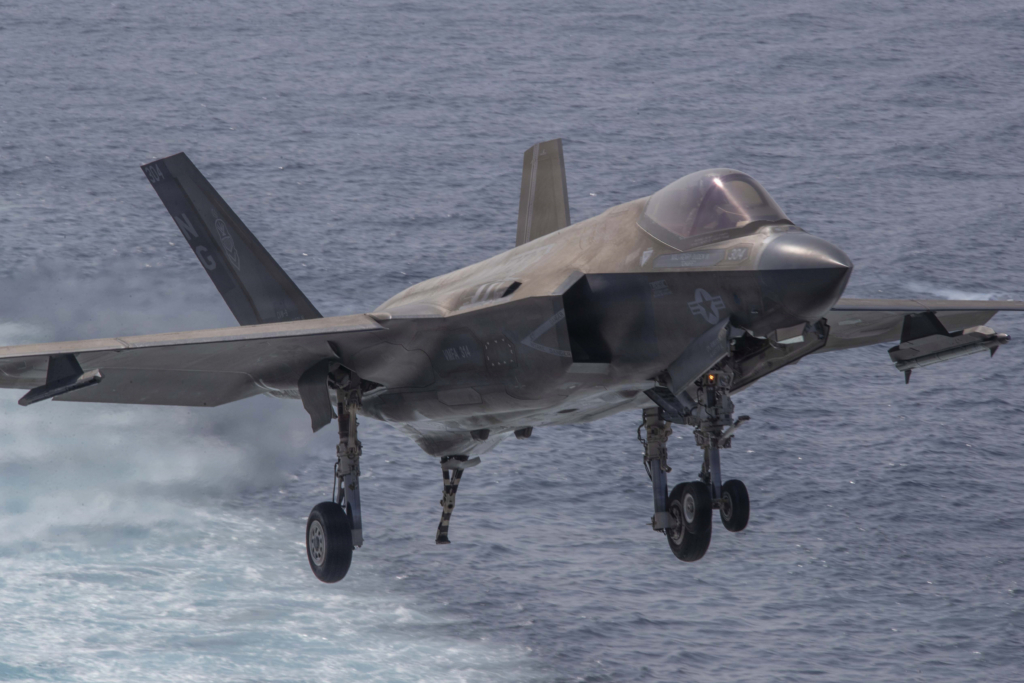
Moreover, the type has a large internal fuel capacity for carrier operations. It can carry 19,500 lbs of fuel, allowing a range of 1,200 nautical miles. The F-35C has the capacity to carry over 18,000 lbs of weapons, making it an extremely lethal aircraft.
The F-35 platform offers vital counter-air-defence capability
Irrespective of the variant, the F-35 is equipped with a range of enemy detection and defence features for air dominance. Northrop Grumman states that the next-generation AARGM-ER strike missile is capable with all three F-35 variants. Lockheed Martin states,
“More than a fighter jet, the F-35 is a force multiplier. Its unmatched ability to gather, process, and share data empowers joint forces, strengthens global partnerships, and keeps pilots ahead of emerging threats all while helping them return home safely.”
The AN/APG-81 multifunction advanced sensor onboard the F-35 delivers unparalleled capability to suppress and destroy the most advanced enemy air defences. Moreover, the Integrated Communication, Navigation, Identification (CNI avionics suite enables F-35 pilots with multiple mission capabilities.
Featured Image: Airman 1st Class Alexander Cook / Wikimedia Commons