Boeing F-15IA commitment secured as Israel moves ahead on $8.6bn fighter deal

December 31, 2025
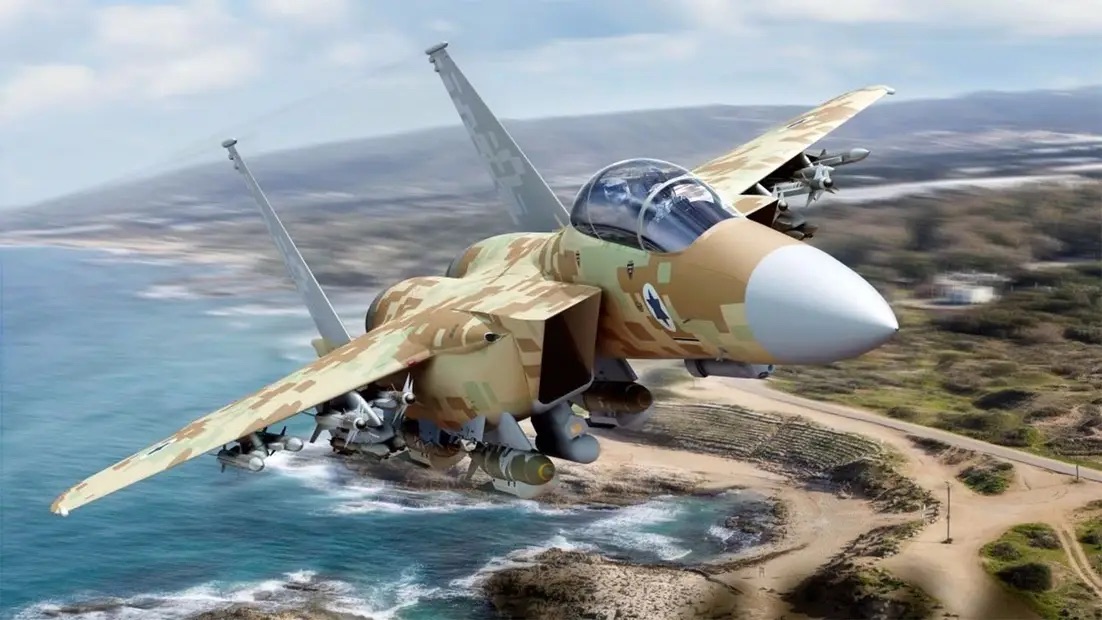
The United States has approved a major new fighter aircraft programme for Israel, awarding Boeing an $8.6 billion contract to supply a new generation of F-15 fighters that will underpin the Israeli Air Force’s heavy strike capability well into the 2030s.
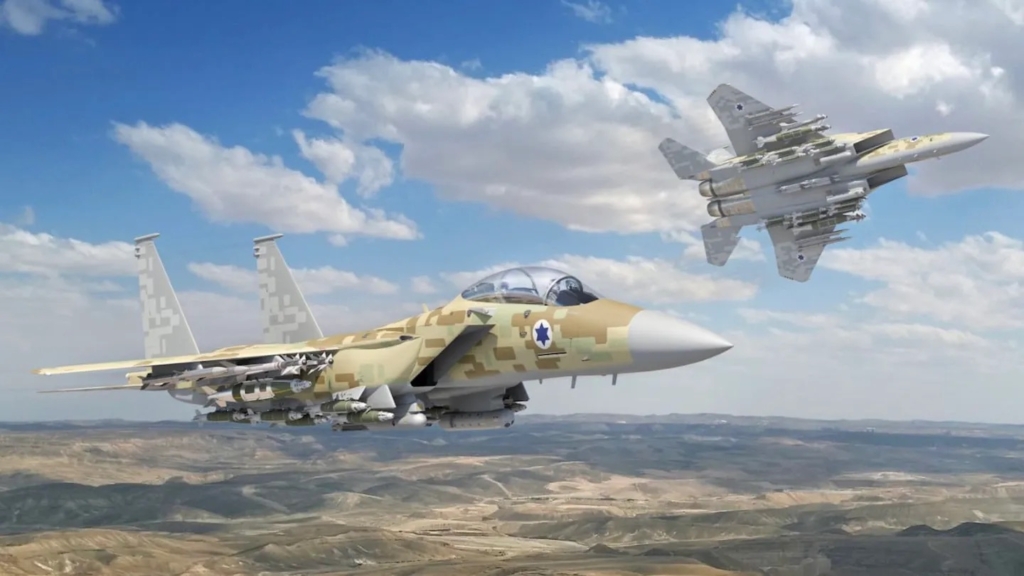
Under the Foreign Military Sales (FMS) framework, the Pentagon said Boeing will design, integrate, test, produce and deliver 25 F-15IA aircraft for Israel, with options for a further 25 jets. Work will be carried out in St. Louis, Missouri, with the programme scheduled to run through to the end of 2035.
The award ranks among the largest recent US defence contracts linked to Israel and comes amid heightened regional tensions, as well as renewed debate in Washington over military support to the country.
Israel moves forward with long-delayed F-15IA fighter replacement programme
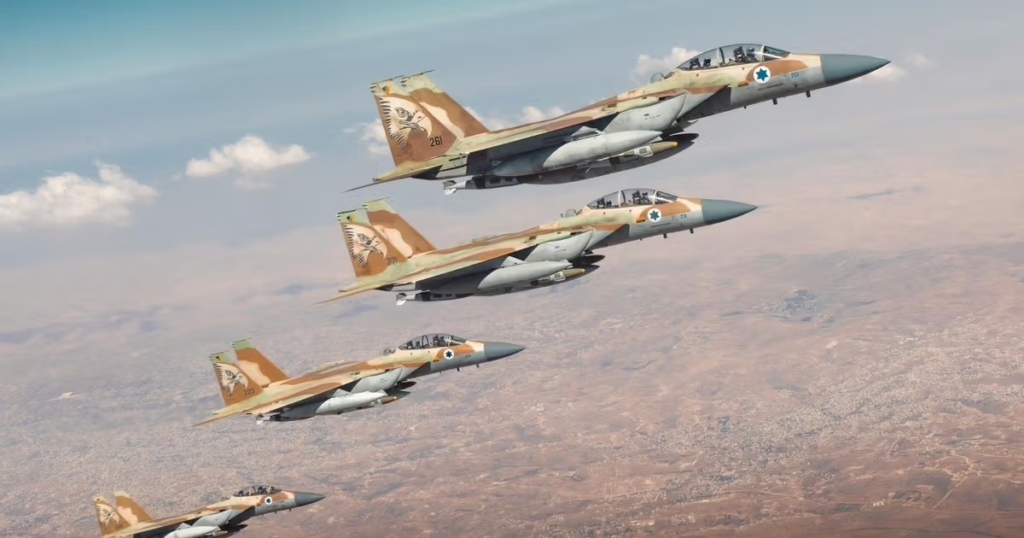
The F-15IA programme is intended to replace Israel’s ageing fleet of F-15A, B, C and D fighters, some of which date back to the late 1970s, while also complementing the 25 F-15I “Ra’am” strike aircraft already in service.
Israel’s defence establishment had originally planned to retire much of its legacy F-15 fleet by the middle of this decade. That timeline slipped following years of political instability, including six election cycles, alongside evolving operational requirements and the outbreak of the Israel–Hamas war.
An official Letter of Request for new aircraft was submitted to Washington in January 2023, but the final configuration has since been adjusted to reflect Israeli-specific needs, contributing to the extended delivery schedule.
F-15IA capabilities boost Israeli Air Force long-range strike power
The F-15IA is expected to be based on Boeing’s F-15EX Eagle II, adapted to Israeli requirements. Boeing says the platform offers significantly lower operating costs than earlier F-15 variants, citing reductions of around 25 per cent per flight hour driven by more efficient engines, digital fly-by-wire flight controls and reduced maintenance demands.
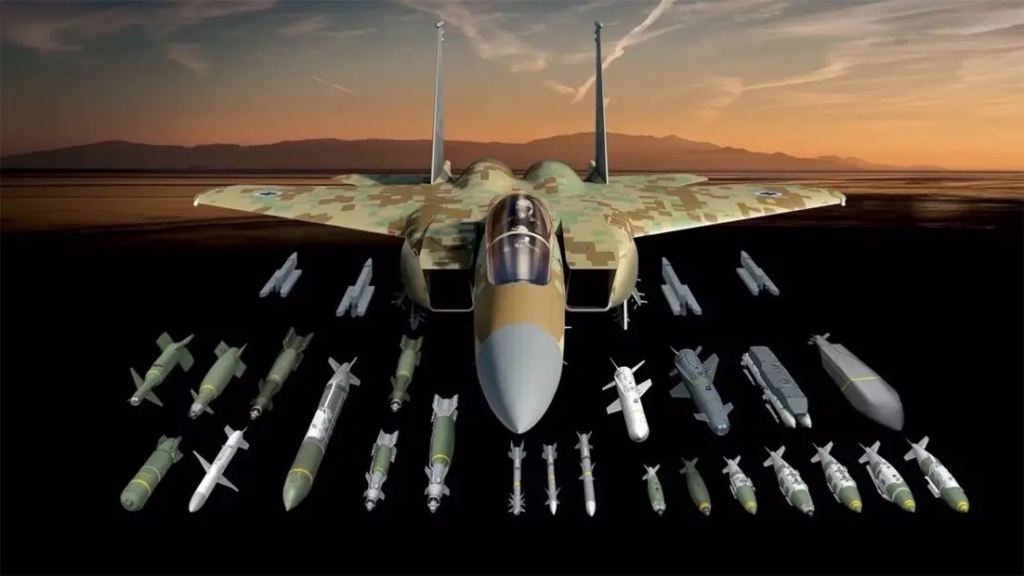
Unlike stealth-focused fighters such as the F-35I, the F-15IA is optimised to carry very large weapons loads over long distances. Boeing says the aircraft can carry more weapons than any fighter in its class, including heavy munitions that cannot be accommodated internally on stealth aircraft.
The jet is also equipped with an active electronically scanned array (AESA) radar and an advanced cockpit featuring wide-area displays, designed to provide crews with enhanced situational awareness across air-to-air and air-to-ground missions.
Israeli planners have long argued that heavy strike aircraft remain essential for scenarios requiring long-range operations, including potential contingencies involving Iran or heavily defended targets elsewhere in the region.
How the F-15IA complements Israel’s F-35I Adir stealth fighters
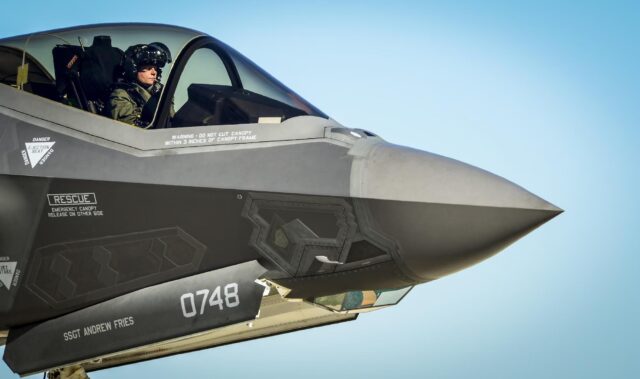
Israel operates the F-35I Adir as its primary stealth strike platform and has used the aircraft extensively in recent years for early-phase operations that prioritise penetration and intelligence gathering.
However, the F-35’s internal weapons bays limit payload size when operating in stealth mode. In past operations, Israel has relied on its F-15 and F-16 fleets to carry out the bulk of sustained strike missions once enemy air defences have been degraded.
The F-15IA is therefore viewed as complementary to the F-35I rather than a competitor, offering endurance, payload and mission flexibility that stealth aircraft alone cannot provide.
The contract was announced shortly after a meeting between US President Donald Trump and Israeli Prime Minister Benjamin Netanyahu in Florida, drawing attention amid ongoing protests in the United States calling for restrictions on arms transfers to Israel over its conduct in Gaza.
Despite those calls, successive US administrations have continued to frame military support for Israel as a central pillar of regional security policy.
The Pentagon confirmed the Boeing award was a sole-source acquisition and that $840 million in FMS funding was obligated at the time of contract award.
Boeing’s long-standing defence and industrial ties with Israel
The F-15IA deal builds on a defence and industrial relationship between Boeing and Israel that spans more than seven decades. Boeing aircraft have played a central role in the Israeli Air Force since the country’s early years, beginning with platforms such as the B-17 Flying Fortress and Douglas DC-3.
Today, Israel operates multiple Boeing platforms, including several F-15 variants, Apache attack helicopters and, in the near future, the KC-46 aerial refuelling tanker.
Boeing also maintains a significant industrial footprint in Israel, working with more than 45 local suppliers and investing billions of dollars through reciprocal procurement agreements that tie major defence contracts to in-country industrial spending. Israeli companies supply components for both Boeing’s military aircraft and commercial programmes, including the 737, 777 and 787.
F-15IA deliveries to Israel extend into the mid-2030s
While the contract secures funding and programme authority, deliveries will unfold over more than a decade. The 2035 completion date reflects both the scale of the programme and the customised nature of the aircraft.
For Israel, the deal ensures continuity in its heavy fighter force as regional air power continues to evolve. For Boeing, it reinforces the F-15’s continued relevance in an era increasingly shaped by stealth, autonomy and networked warfare.