Tidy Daleks: Heathrow wants your help to name its lovable cleaning robots

December 9, 2025

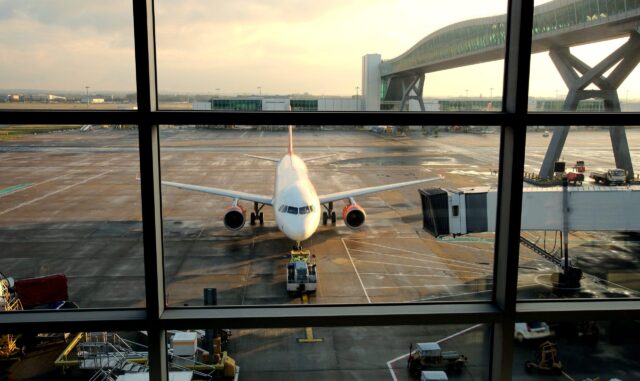
Heathrow Airport has launched a public naming contest for its popular fleet of autonomous cleaning robots, and the suggestions are expected to get delightfully nerdy.
The airport has invited passengers and the public to submit name ideas for its 23 “cobots,” the autonomous cleaning robots that glide around the terminals keeping floors spotless. The contest runs until December 15, with shortlisted names going to a public vote before Heathrow reveals the final winners later this year.
Naming Heathrow’s cobots: from sci-fi icons to clever puns
The cobots have become an unexpected hit with travellers thanks to their Dalek-like shape and R2-D2-style movements, earning them a kind of cult status around the airport. Heathrow says many passengers already stop to take photos, wave or follow the robots as they work.
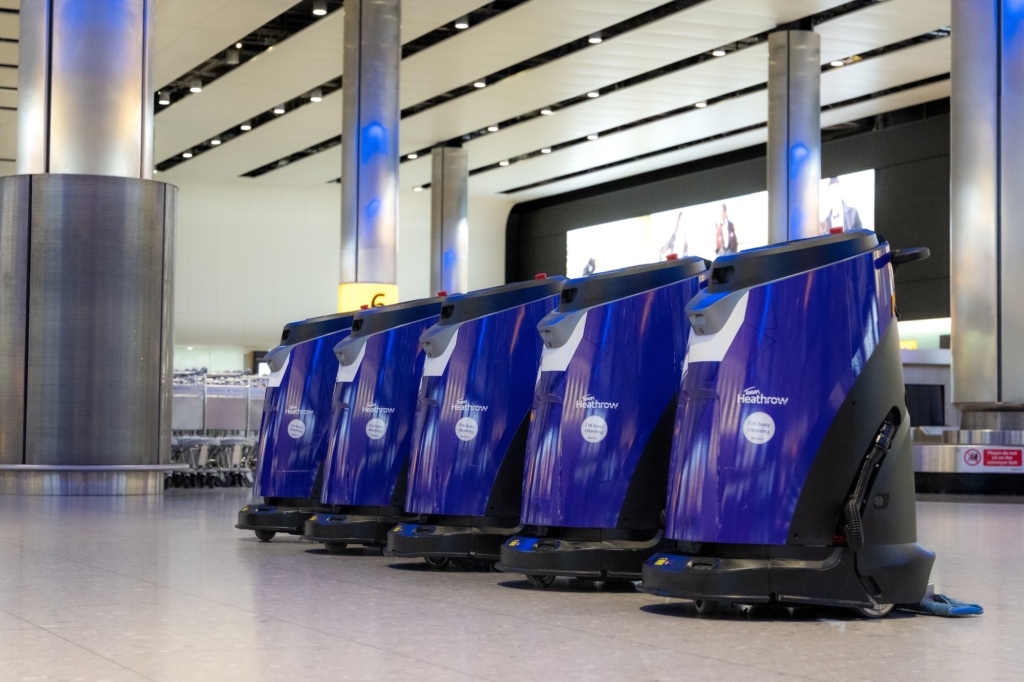
“Amidst the hustle and bustle of the airport, our endearing fleet of cobots work diligently to keep our terminals safe and squeaky clean,” said Daniel Edwards, Director of Services at Heathrow. “Now, having achieved ‘icon’ status amongst Heathrow colleagues and passengers, we are excited to invite the public to help us award each cobot its own unique name.”
Pun lovers and sci-fi fans are expected to get creative. Heathrow says it welcomes clever wordplay, pop culture nods, or completely unexpected ideas.
How to take part in Heathrow’s robot naming contest
The airport is accepting submissions now at: www.heathrow.com/at-the-airport/help-us-name-our-cobots
- Submit your name suggestions: until 15 December
- Shortlist revealed: 16 December
- Public voting: Opens with the shortlist
- Final 23 robot names announced: Later this year
Each cobot will receive a unique name badge after the vote — meaning Heathrow’s busiest helpers will soon have official identities.
How Heathrow’s cleaning robots work
Heathrow’s cute cobots are also highly capable. Each unit:
- Cleans up to 4,800m² per day, the size of eight football pitches
- Recycles water as it goes
- Navigates safely using a sophisticated mapping system
- Operates for up to three hours before returning to recharge
The airport introduced the fleet in partnership with its cleaning services provider, Mitie, which has provided cleaning services at Heathrow’s terminals since 2022. The firm employs 850 cleaning and hygiene specialists who work across the airport, supported by the autonomous cobots. It is the largest deployment of autonomous cleaning robots in the UK.
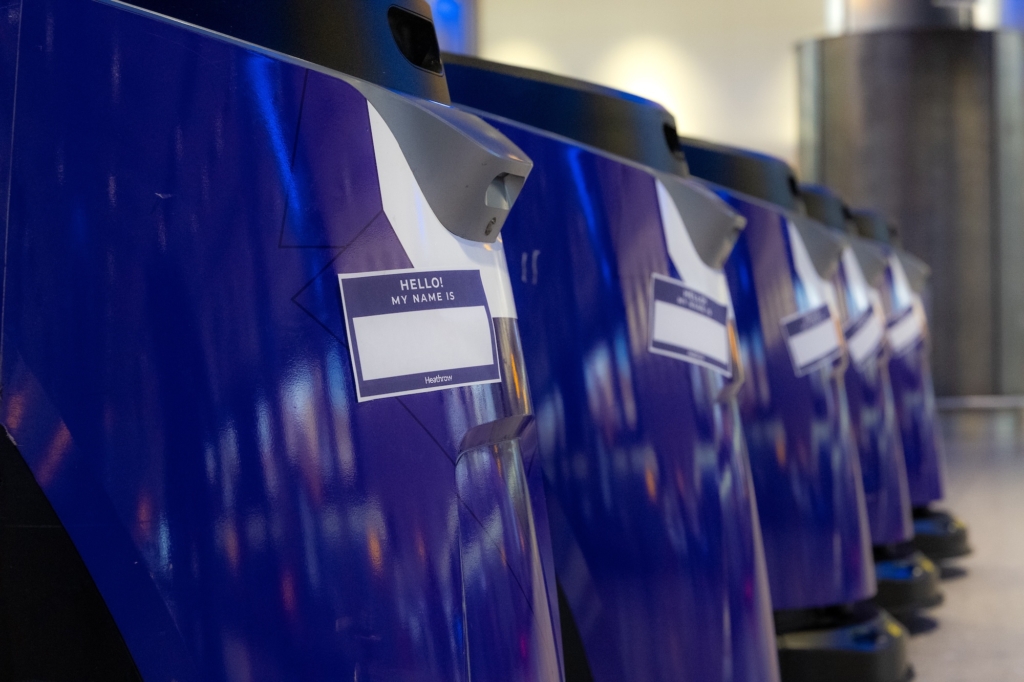
The naming contest is a light-hearted moment at Heathrow, though the cobots have a serious role to play as part of the airport’s technology transformation efforts. The cobots have become a highly visible example of automation that supports a smoother passenger experience. A cobot, by any other name, will clean just as well, but it will also get a personality upgrade.
Robots have a role to play in aviation
Several interesting robot deployments at airports around the world are supporting passenger services and operations.
In August, Halifax Airport deployed its way-finding robot, which can answer travellers’ questions on flights and amenities. It will even escort travellers to places within a pre-set geofenced area and provide a static map for other locations.
Munich Airport, in collaboration with Lufthansa, trialled a similar humanoid guide in 2018. “Josie Pepper,” answered questions and gave directions in Terminal 2. The airport has deployed other robots for customer assistance and even food service, including its Jeeves snackbot.
Seoul’s Incheon Airport has also been active in deploying robotics. Its robot fleet includes the Airstar Robot, a multilingual AI-powered airport guide; the baggage-carrying Air Porter Robot; the Air Ride Robot, which provides transport for passengers with limited mobility; and the Air Dilly Robot, which delivers food to passengers at the gates.
Not all airport robots are customer-facing; robotics also play an essential role in other airport operations. At Amsterdam Schiphol Airport, some robots help take the strain off baggage handlers’ backs, while others do the heavy lifting of positioning ground power units at the aircraft’s nose.
Airlines have been less active in employing robots, though Aeroflot’s low-cost subsidiary Pobeda Airlines recently deployed a robot cabin crew member for a flight.
Airport robots keep clear of Uncanny Valley
Putting the right face on robots that will interact with the public is tricky, as those that look too close to but not quite human tend to make people uncomfortable. The dynamic, known as the “Uncanny Valley,” was first proposed by robot designer Masahiro Mori, though it doesn’t apply only to robotics.
The positive emotional response to robots and virtual humans (such as AI characters) first declines as human likeness increases, but then rises again when robots and illustrations become virtually indistinguishable from real people.
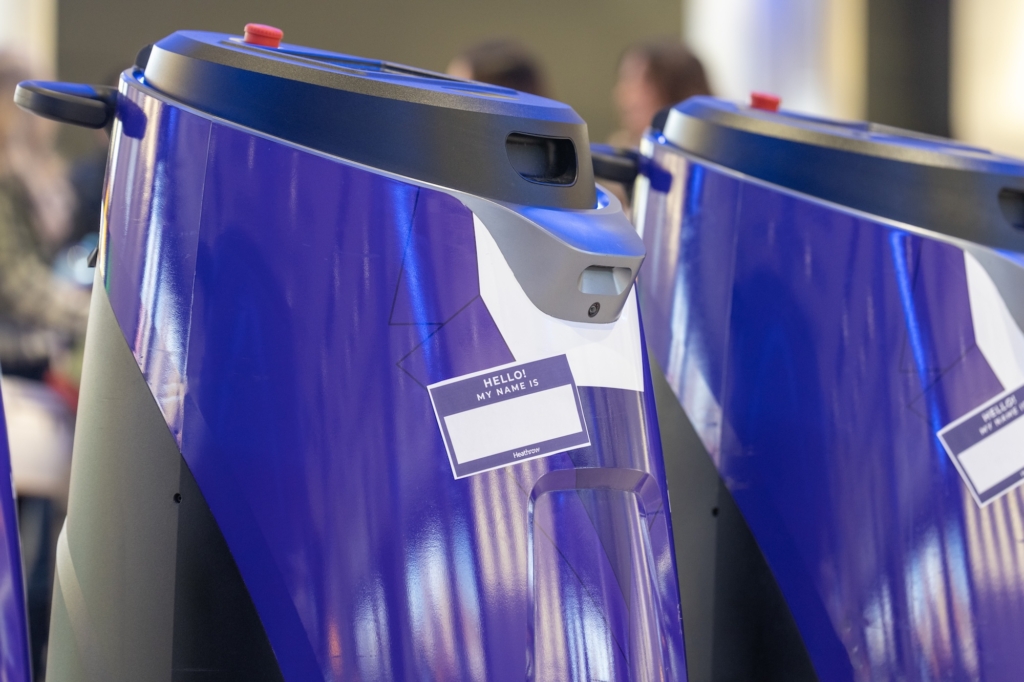
It’s a delicate balance that airport robots have avoided entirely by maintaining a shape that’s better suited to their function. Heathrow’s cobots look more like Daleks because they need that shape to hold the tools that help them keep the airport tidy. Heathrow Airport’s shiny floors and the warm public reaction to the cobots prove the design has been successful, and giving them funny names adds a bit more charm.
Featured Image: Heathrow Airport