FTAI will turn used aircraft engines into power plants for AI data centres

December 31, 2025
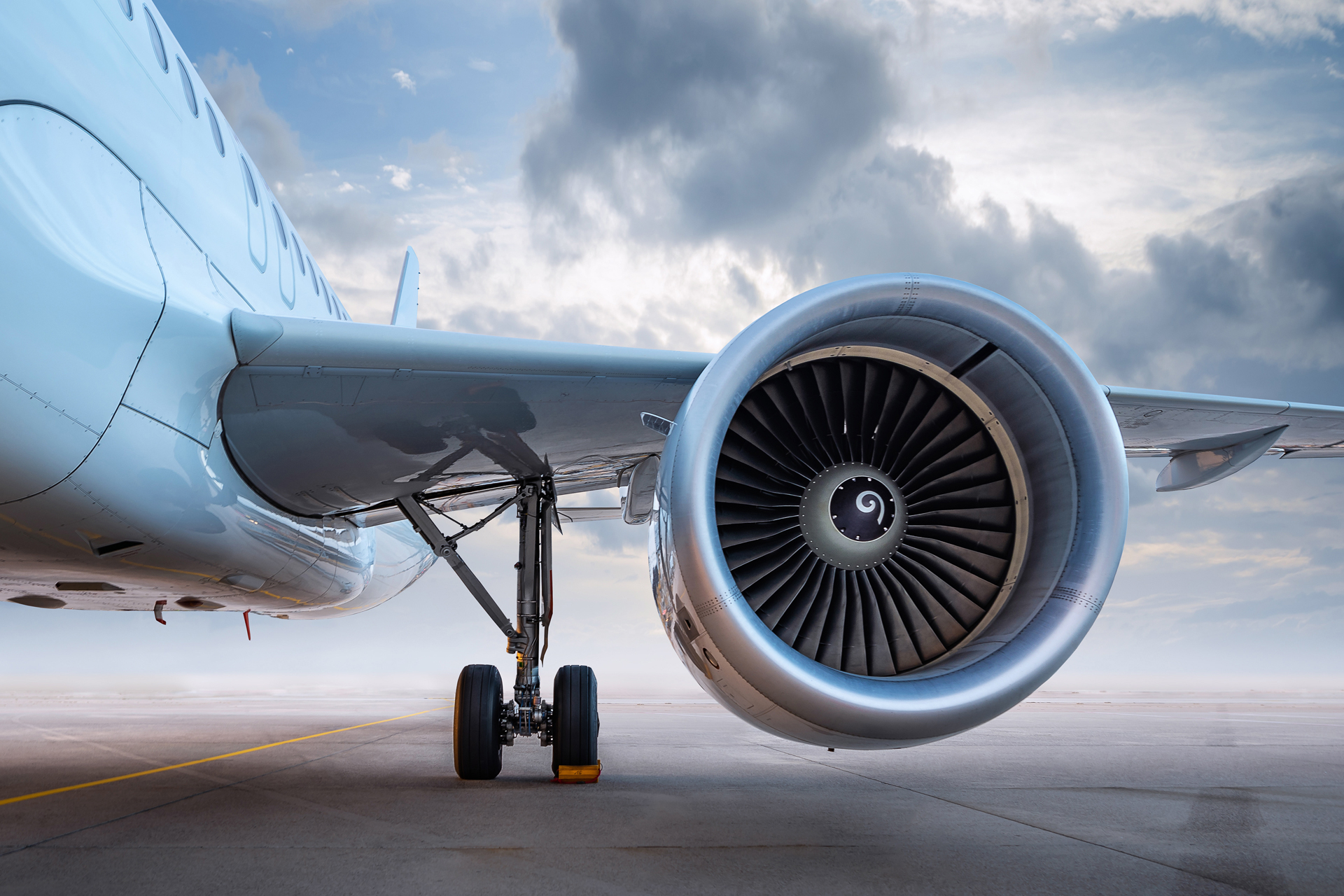
FTAI Aviation has launched a new business, FTAI Power, aimed at converting surplus CFM56 aircraft engines into aeroderivative gas turbines to supply electricity to data centres, a move that underlines how acute the global power crunch has become as AI infrastructure scales.
The CFM56, one of the most widely used jet engines in history, powers aircraft including the Boeing 737 and Airbus A320 family. As older aircraft reach the end of their commercial service lives, CFM56 engines are increasingly becoming available off-wing, opening the door to alternative applications beyond aviation.
FTAI says its adapted aeroderivative will deliver 25 megawatts per unit and is designed to offer faster deployment and finer output control than larger industrial turbines. Production is expected to begin in 2026, with the company targeting capacity to deliver more than 100 units per year once the programme is fully ramped.
The announcement reflects a broader trend, as data-centre developers turn to aircraft-derived turbines to bypass multi-year grid connection delays and shortages of new heavy-frame gas turbines.
FTAI Power explained: Converting CFM56 jet engines into data-centre power
FTAI’s pitch rests on scale and vertical integration. More than 22,000 CFM56 engines have been produced globally, creating a vast pool of mature hardware. FTAI already owns or controls access to over 1,000 engines, supported by more than one million square feet of maintenance facilities worldwide and long-standing parts supply agreements.
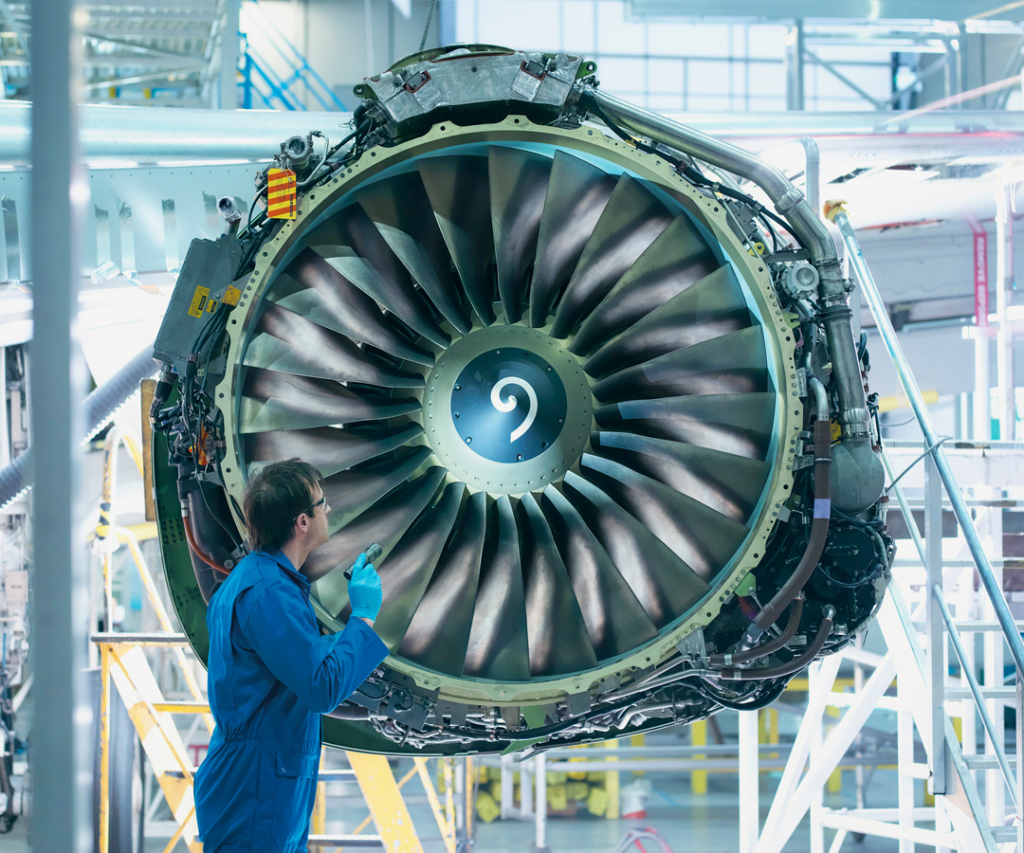
Under the FTAI Power model, the CFM56 core is remanufactured and adapted with aeroderivative components, effectively extending the engine’s economic life beyond aviation. Engines that may no longer be optimal for flight, due to cycles, fuel efficiency or emissions considerations, can still offer many years of reliable service in a stationary role, operating at steady loads and maintained on a different schedule.
FTAI has positioned the platform as a modular solution for data centres needing power quickly, either as a primary source while grid connections are pending or as long-term supplementary capacity. The company argues that its existing aviation maintenance model can be transferred directly into the power market, maximising uptime and predictability.
Why aeroderivative gas turbines are being used to power AI data centres
While the FTAI announcement is new, aeroderivative gas turbines themselves are not. For decades, aviation-derived turbines have been used for peaking power, offshore energy and grid stabilisation. What has changed is demand, driven by AI workloads that require vast amounts of electricity on tight timelines.
Aircraft-derived turbines offer several advantages that appeal to data-centre operators:
- rapid start-up and flexible output
- high power density in a compact footprint
- modular maintenance and faster delivery than heavy-frame turbines
These characteristics have made aerospace technology one of the quickest ways to bring large blocks of power online.
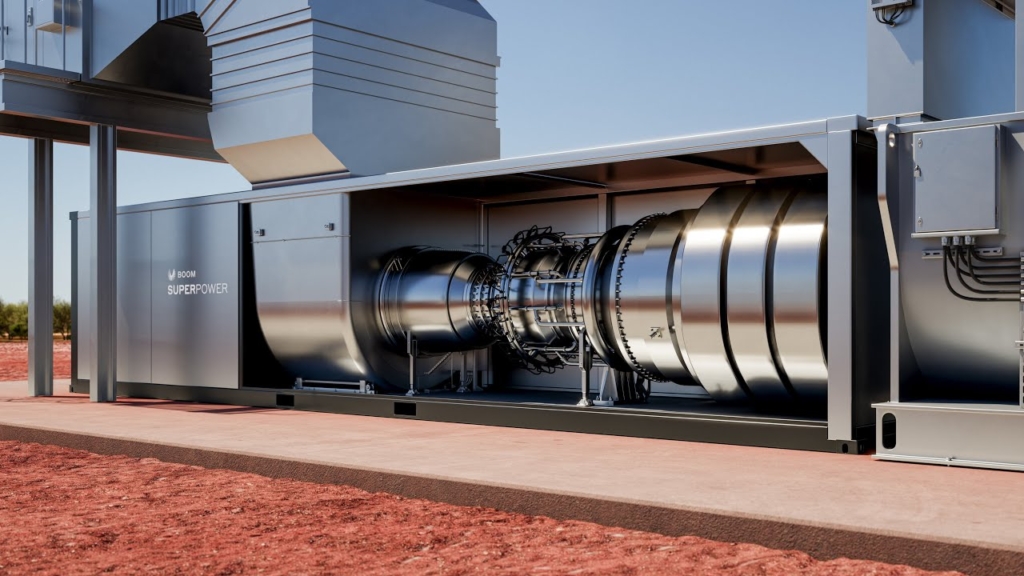
While reused aircraft engines are drawing attention, much of the growth is also coming from purpose-built aeroderivative turbines, with companies such as Boom Supersonic positioning jet-engine technology for both flight and stationary power applications.
ProEnergy and the use of retired Boeing 747 engines for data-centre power
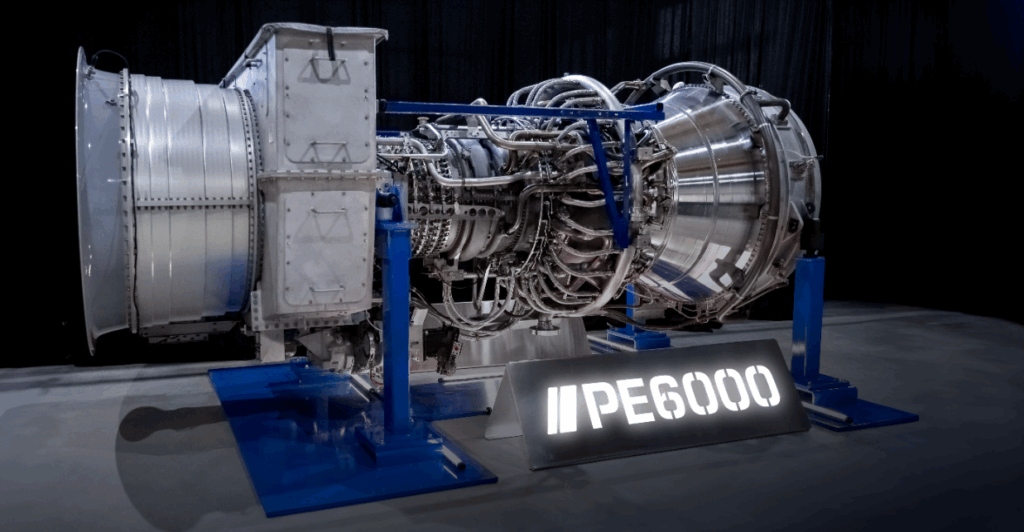
FTAI is not alone in repurposing retired flight hardware. ProEnergy has been converting CF6-80C2 engine cores, best known for powering aircraft such as the Boeing 747, into its PE6000 aeroderivative turbines.
Each unit can deliver up to 48 MW, and the company has already sold more than 1 GW of capacity for data-centre projects, typically deployed as interim or “bridge” power.
Together, these developments point to a convergence between aerospace and energy infrastructure. Jet engines, once valued solely for flight cycles, are increasingly being judged on their full life potential, including years of productive service on the ground.
FTAI Power may be the clearest sign yet that, in the AI era, aircraft engines are becoming as important for keeping servers running as they once were for keeping aircraft in the air.
Featured image: GE Aerospace