Airlines advance wake-energy formation flight trials across Atlantic in Airbus fello’fly project

December 11, 2025
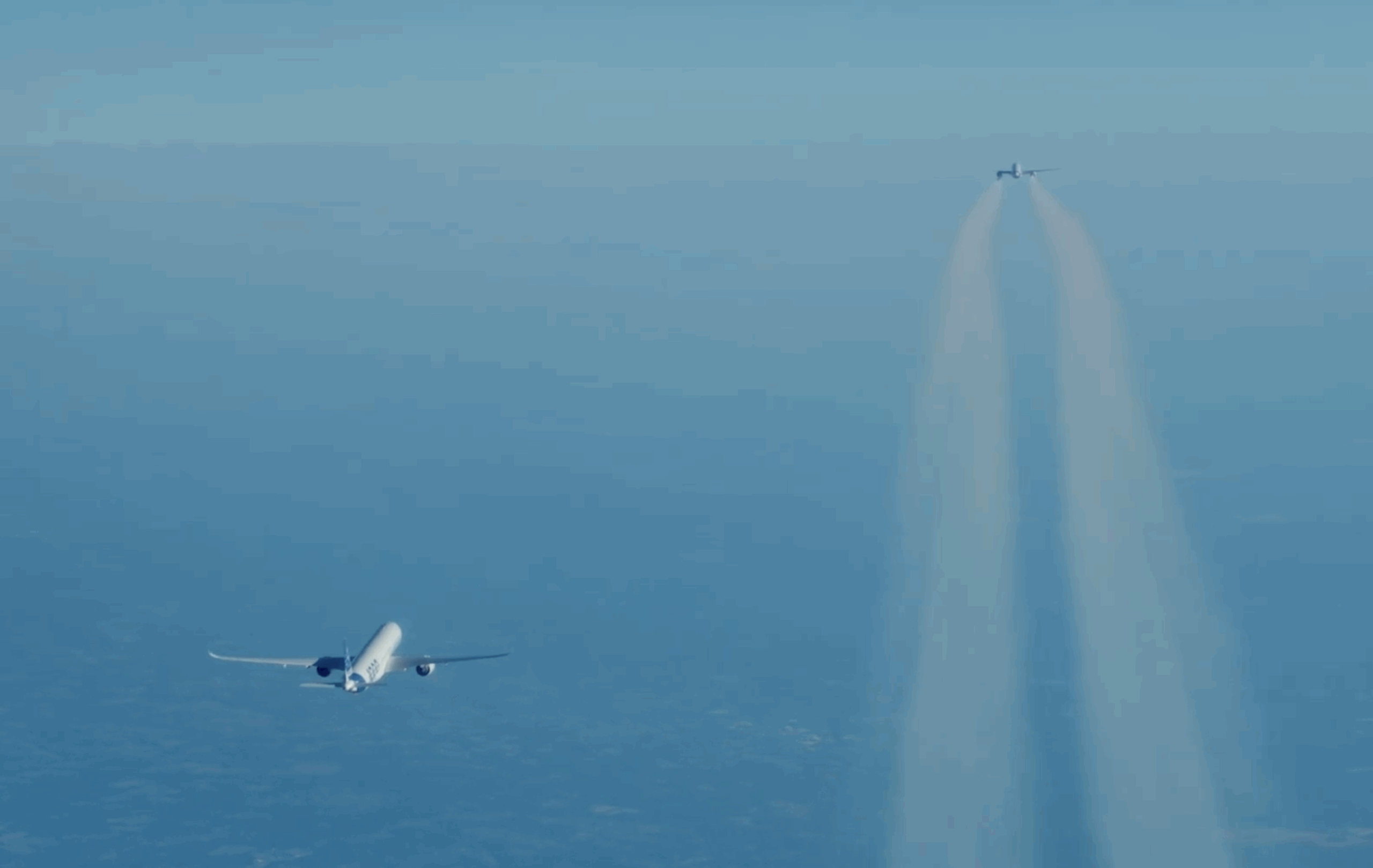
Air France, Delta Air Lines, French bee, Virgin Atlantic and Airbus have completed a series of high-precision flight trials designed to advance wake energy retrieval operations – a fuel saving initiative inspired by the V-shaped flight pattern of migrating geese.
The trials mark a significant step toward a new generation of long-haul fuel-saving procedures with input from AirNav Ireland, DSNA, EUROCONTROL and NATS.
Flying in formation across the Atlantic
Airlines on both sides of the Atlantic have now demonstrated that commercial aircraft can be accurately guided to converge at the same point in space and time while maintaining full regulatory separation, a prerequisite for paired-flight fuel optimisation in the future.
The work forms part of Airbus’s fello’fly initiative, which borrows from the aerodynamic principles observed in migrating birds.
Launched in 2019, fello’fly is a flight demonstrator project within Airbus UpNext using biomimicry, the design and production of materials, structures and systems inspired by nature.
The project falls under the EU’s SESAR Joint Undertaking GEESE project, which stands for “Gain Environmental Efficiency by Saving Energy,” but also alludes to the way migrating geese fly in formation, covering long distances while taking advantage of each other’s wake energy.
Significant fuel savings
By positioning a following aircraft in the upwash region of a leading aircraft’s wake, aircraft operators could ultimately reduce fuel burn by up to 5 percent, Airbus says.
Although the energy-retrieval segment itself has yet to be trialled in commercial service, the so-called rendezvous demonstrations carried out over the North Atlantic between September and October 2025 provide the first operational validation that coordinated pairing can be managed safely in real-world airspace.
Eight flights participated, each requiring close synchronisation between the partnering airlines’ operations control centres, multiple air navigation service providers, and the two flight crews involved.
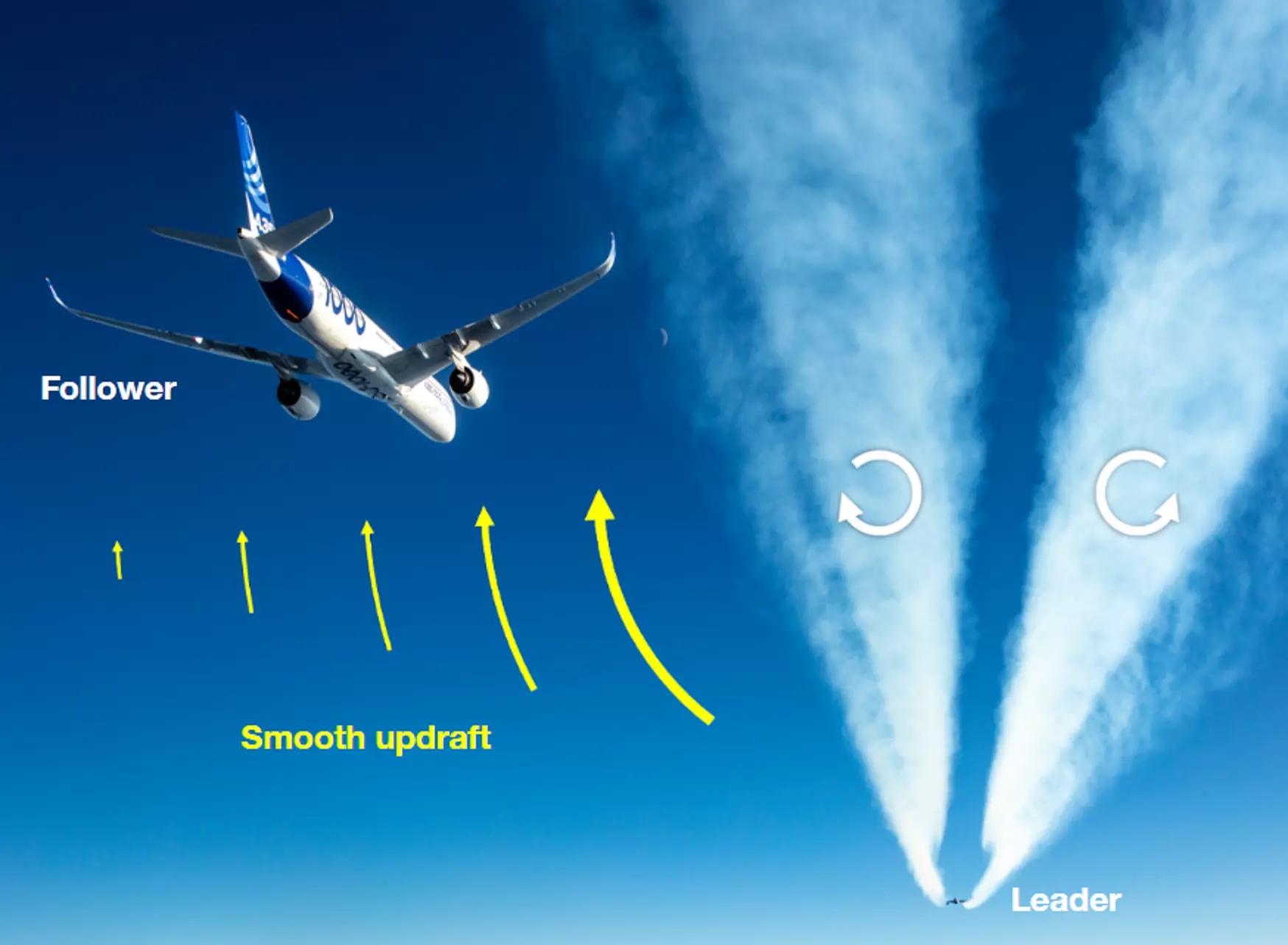
The trials used EUROCONTROL’s Innovation Hub interface to ensure all of the involved parties could monitor trajectory changes and decision points in real time.
Also central to the process was Airbus’s Pairing Assistance Tool, which recalculates trajectories and generates shared rendezvous instructions for evaluation by dispatchers, crews and air traffic controllers before one aircraft adjusts course to join the other and both commit to a precisely timed meeting point.
First A350 long-haul formation flight
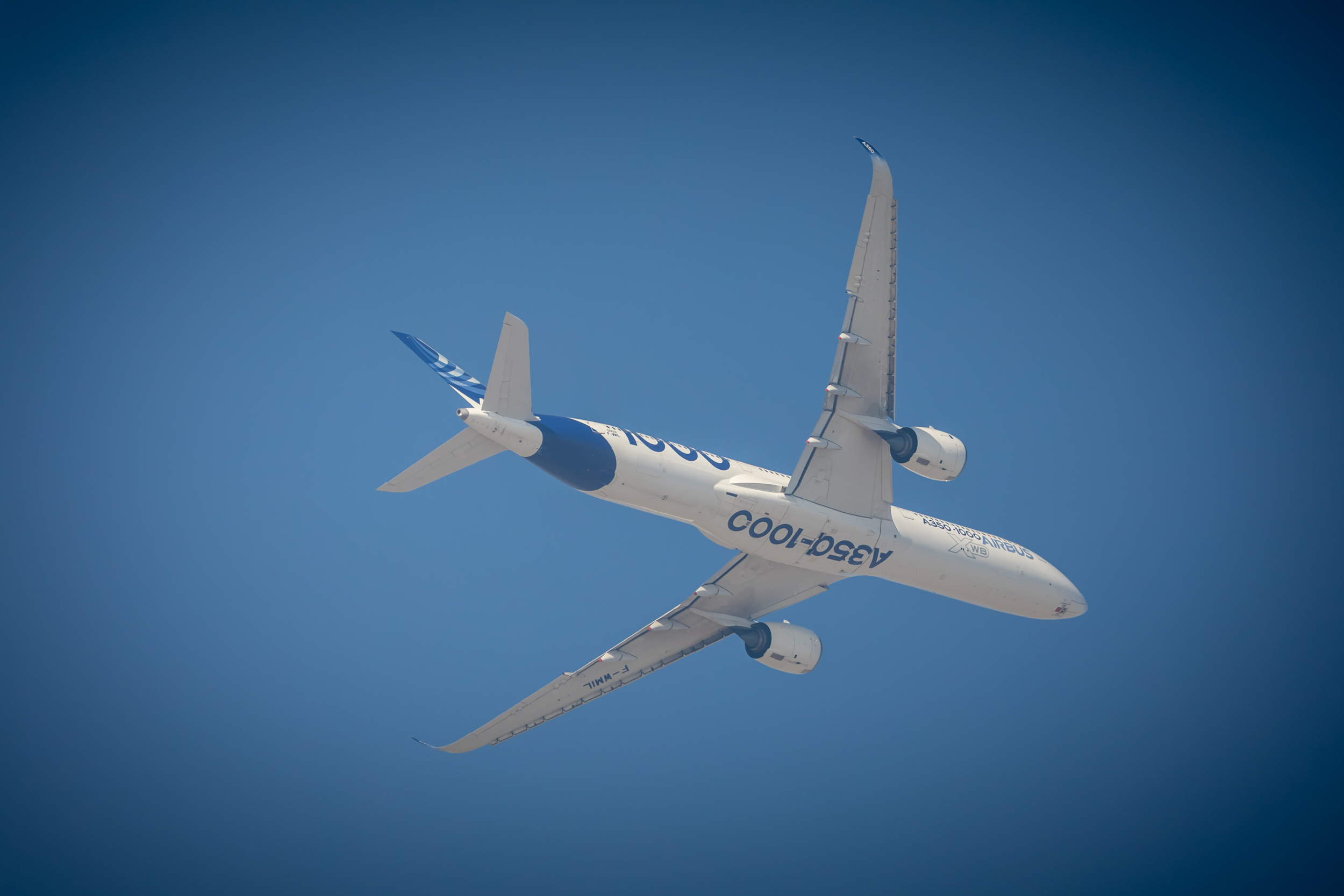
In 2021, Airbus conducted a long-haul formation flight of two A350 aircraft, which flew three kilometres apart between Toulouse and Montreal.
Over 6 tons of CO2 emissions were saved on the trip, confirming the potential for more than a 5% fuel saving on long-haul flights.
Pilots from SAS Scandinavian Airlines and Frenchbee were on board to witness the transatlantic flight as observers.
The latest announcement from Airbus regarding the high-precision flight trials in October is the first update since 2021.
Featured image: Airbus