F-16V: The upgraded fighter that earns Taiwan $80m in royalties each year

March 29, 2026
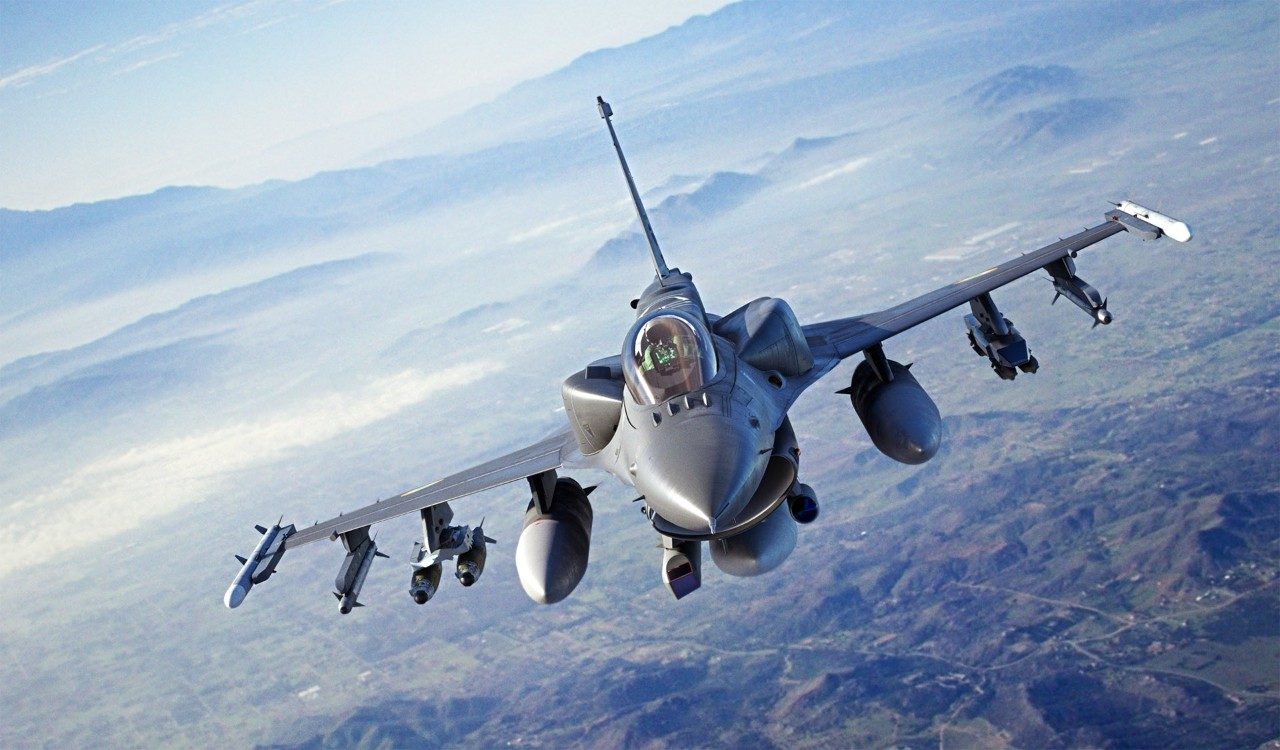
The Lockheed Martin F-16V Viper, also known as the F-16 Block 70/72, is the latest variant of the General Dynamics F-16 Fighting Falcon.
With upgraded cockpit systems, radars, and electronic warfare suites, the manufacturer offers both new production and retrofit options to its customers. The F-16 has a long history of receiving warfare upgrades, currently equipping it with fifth-generation combat capabilities.
What is most surprising is that the upgraded supersonic fighter aircraft earns Taiwan millions in royalties each year. Taiwan was one of the few countries that committed to the development of the F-16V program.
While the country funded the developmental program, other nations withdrew in favour of fifth-generation fighter jets.
As the popularity of the Viper variant grows, Taiwan earns approximately $80 million in royalties. As more countries purchase or upgrade their existing F-16 aircraft, Taiwanese royalties are expected to grow in the hundreds of millions in the coming years.
The Lockheed Martin F-16V Viper
The F-16V Viper offers a significant upgrade over its predecessor, featuring advanced radar and communication capabilities. The new system achieves hardware and software commonality with fifth-generation platforms like the F-35 Lightning jet.
Unveiled during the Singapore Air Show in 2012, the manufacturer integrated the Active Electronic Scanned Array (AESA) into the Viper variant.
The technology enables all-weather targeting and survivability through advanced imaging and detection. The new targeting capability through dedicated sniper pods enhances warfighting in varying weather conditions.
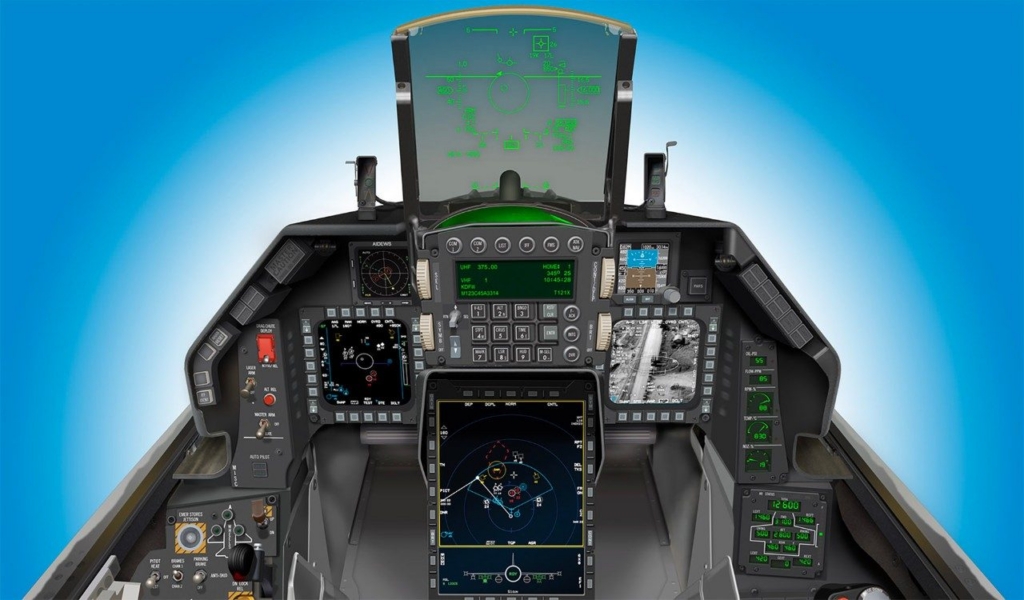
The Lockheed Martin F-16V features an advanced glass cockpit with multi-function, intuitive displays, enhancing situational awareness and flight safety. The system offers the capability to distinguish between friend and foe through the use of accurate identification and communication techniques.
The precision GPS navigation system is fitted within the F-16V platform to provide pilots with critical alerts during the mission. Lockheed Martin replaced multiple computers onboard the previous variants with high-performance, modular mission systems to control all aspects of combat.
The F-16V has the capability to carry a range of air-to-air missiles (AAMs), including short-range and intermediate-range AAMs. Moreover, the platform supports the integration of air-to-ground and anti-ship missiles.
Advanced munition dispensers enable high precision and accuracy even during severe weather conditions. The Viper Shield system, designed by L3Harris, enhances aircraft survivability and mission success.
Lockheed Martin states that the Automatic Ground Collision Avoidance System (Auto GCAS) is purpose-built to prevent deadly crashes. Assisted with advanced jammers, flare dispensers, and threat warning receivers, the Viper is designed for complex battlefield scenarios.
The F-16V Viper’s popularity is earning Taiwan millions
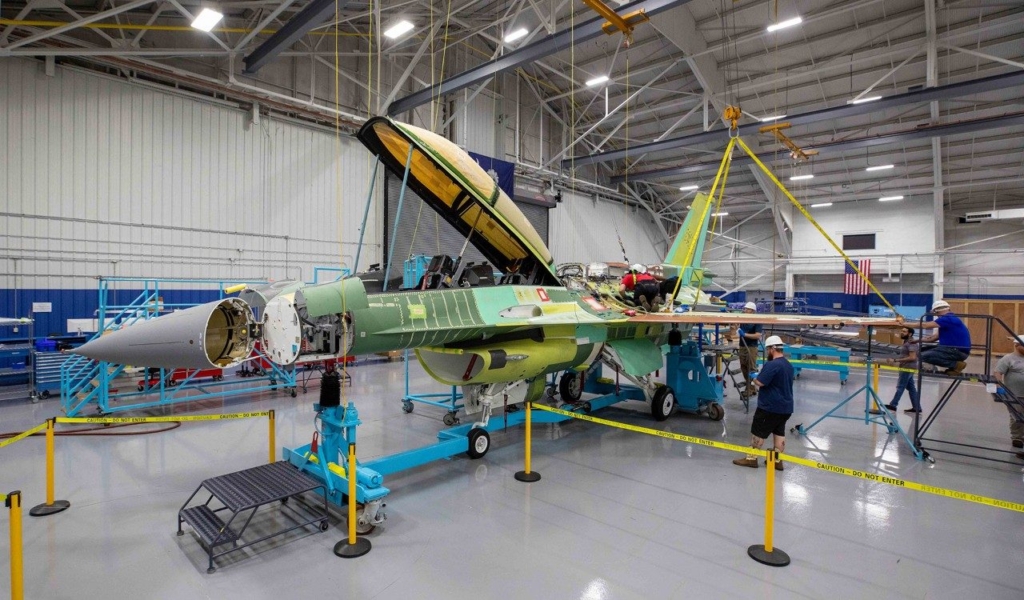
More than 5,000 of the original F-16s have been produced and operated by over 30 countries worldwide. With Lockheed’s Viper offering as a retrofit upgrade, it is becoming increasingly popular. Customers willing to acquire the new variant, through a new production purchase or an upgrade, must pay Taiwan a royalty.
The Taipei Times states that Taiwan was the sole investor in developing the Viper variant when the United States and Egypt withdrew funding for the program. The contract was designed so that a portion of the purchase goes to Taiwan as development royalty. The country received its first royalty payment in 2019.
VisionTimes reports that Taiwanese military sources have confirmed that the national treasury has received approximately NT$2.2 billion ($72 million) in cumulative royalties.
A sharp increase in project payments is expected in the coming years as more countries finalise the purchase of new production aircraft or V-standard upgrades. Taiwan’s estimated royalty is projected to reach several hundred million dollars from the Viper program.
Featured Image: Lockheed Martin