Eurofighter Typhoon trials APKWS rocket as low-cost answer to drone swarms

April 8, 2026
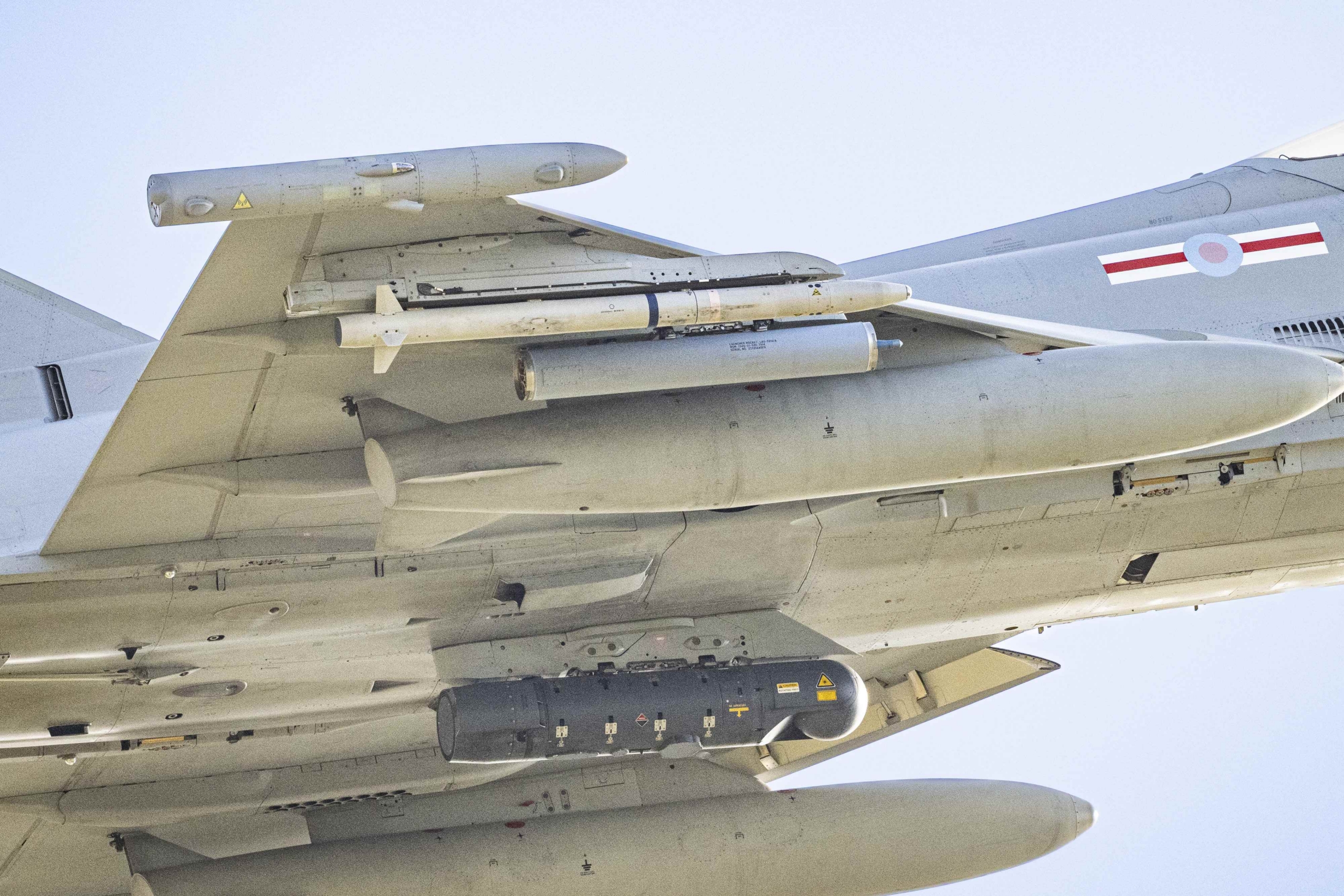
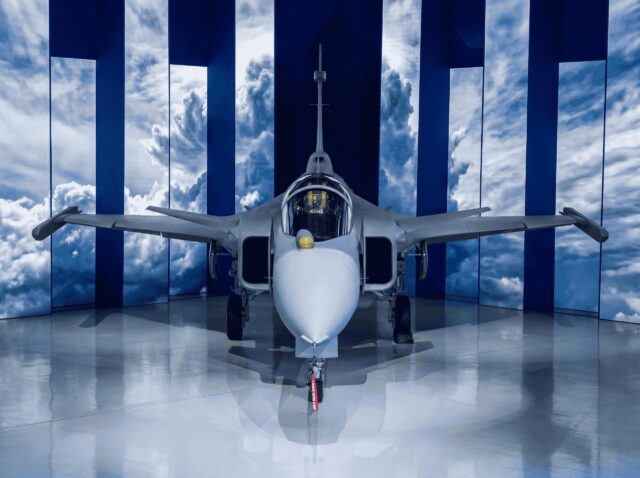
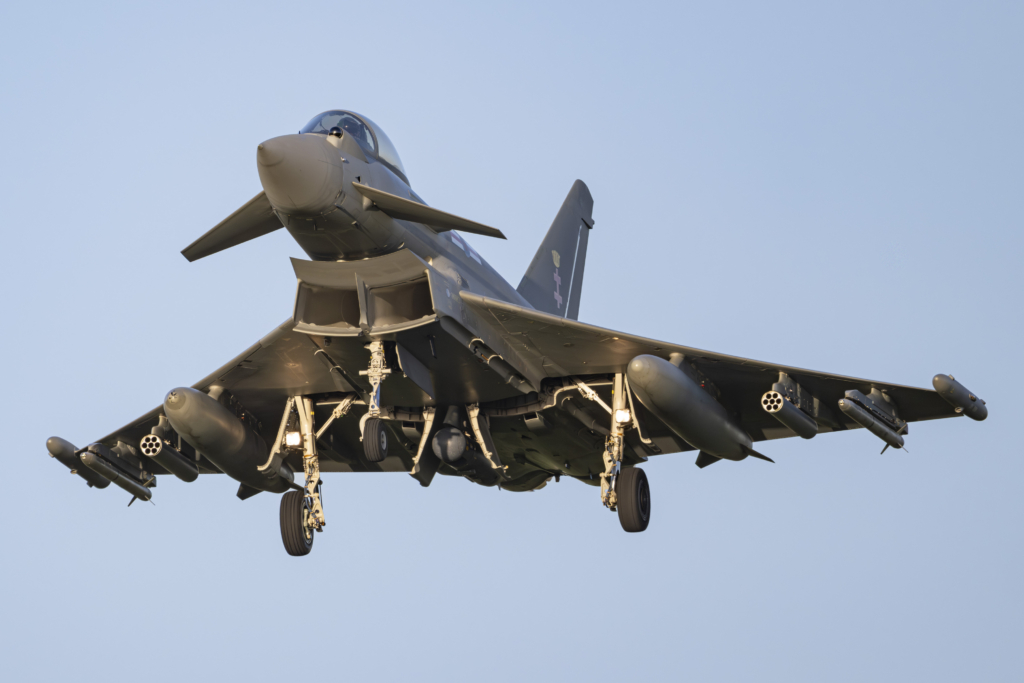
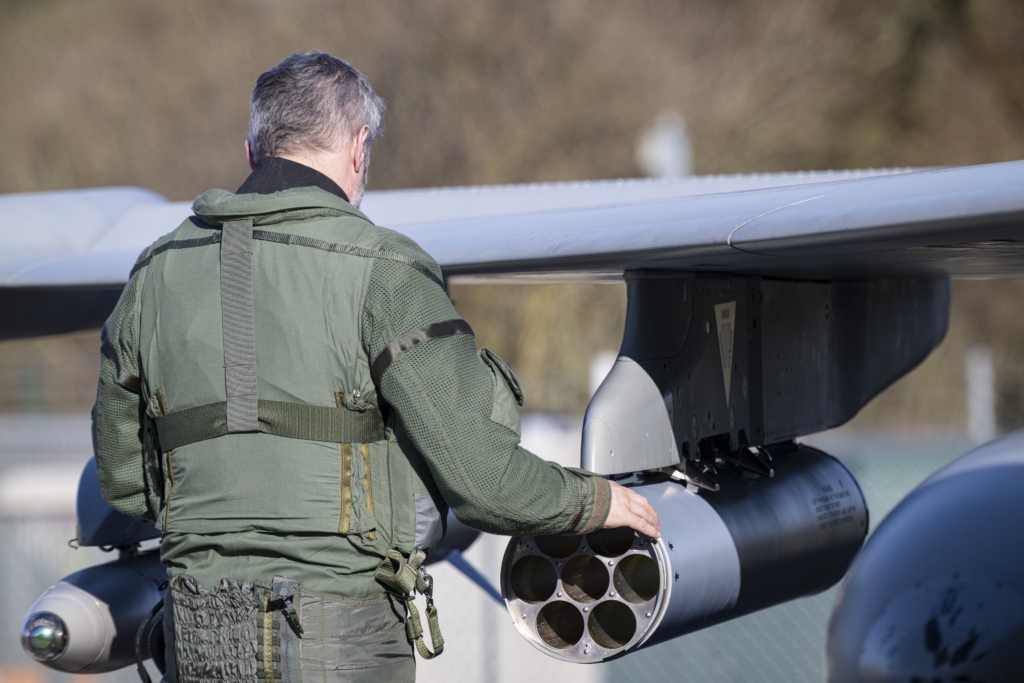
BAE Systems has successfully test-fired the Advanced Precision Kill Weapon System (APKWS) from a Eurofighter Typhoon, demonstrating a low-cost solution to counter uncrewed aircraft and drones.
The trial, conducted at the company’s flight test facility in Warton, Lancashire, saw a Royal Air Force test and evaluation Typhoon launch the laser-guided rocket against a ground target at a UK military range. The firing was carried out with RAF support and forms part of ongoing efforts to expand the jet’s weapons portfolio.
BAE Systems said the demonstration provides “valuable insights” into how APKWS could be integrated onto the aircraft, particularly as demand grows for affordable counter-drone solutions in modern conflicts.
“As the UK’s sovereign provider of combat air capability, we play a crucial role in supporting the UK armed forces,” says Richard Hamilton, Managing Director of Air Operations at BAE Systems’ Air sector. “This trial with the APKWS laser-guidance kit on Typhoon demonstrates a game-changing capability and a cost-effective solution that would enhance Typhoon’s already impressive range of weapons capabilities.”
The test also supports a package of Typhoon capability upgrades, as the UK looks to enhance the platform’s relevance across both current and future combat operations.
Why APKWS matters for Eurofighter Typhoon in the age of drone warfare
The integration of APKWS onto Eurofighter Typhoon speaks directly to a growing operational challenge: how to counter large numbers of low-cost drones without exhausting high-value missiles.
Conflicts in Ukraine and the Middle East have demonstrated the scale and persistence of uncrewed threats. Swarming drones and loitering munitions are increasingly used to overwhelm air defences, forcing militaries to rethink how they respond.
Typhoon’s existing weapons, which include Meteor and Brimstone missiles, are highly capable but expensive and optimised for high-value targets. Using these against small drones creates a cost imbalance that is difficult to sustain.
APKWS offers a different approach, providing a precision-guided yet comparatively low-cost option for use at scale. For a platform like the Eurofighter, this adds an important lower-tier capability to its weapons mix, enabling it to engage both high-end threats and large volumes of smaller targets without relying solely on premium munitions.
What is APKWS and how does it work?
The APKWS is not a traditional missile, but a laser-guidance kit that converts standard 70mm unguided rockets into precision weapons.
Rather than developing an entirely new munition, APKWS is fitted between the rocket motor and warhead, adding semi-active laser guidance. This allows the weapon to home in on a designated target with high accuracy while retaining the simplicity and affordability of legacy rocket systems.
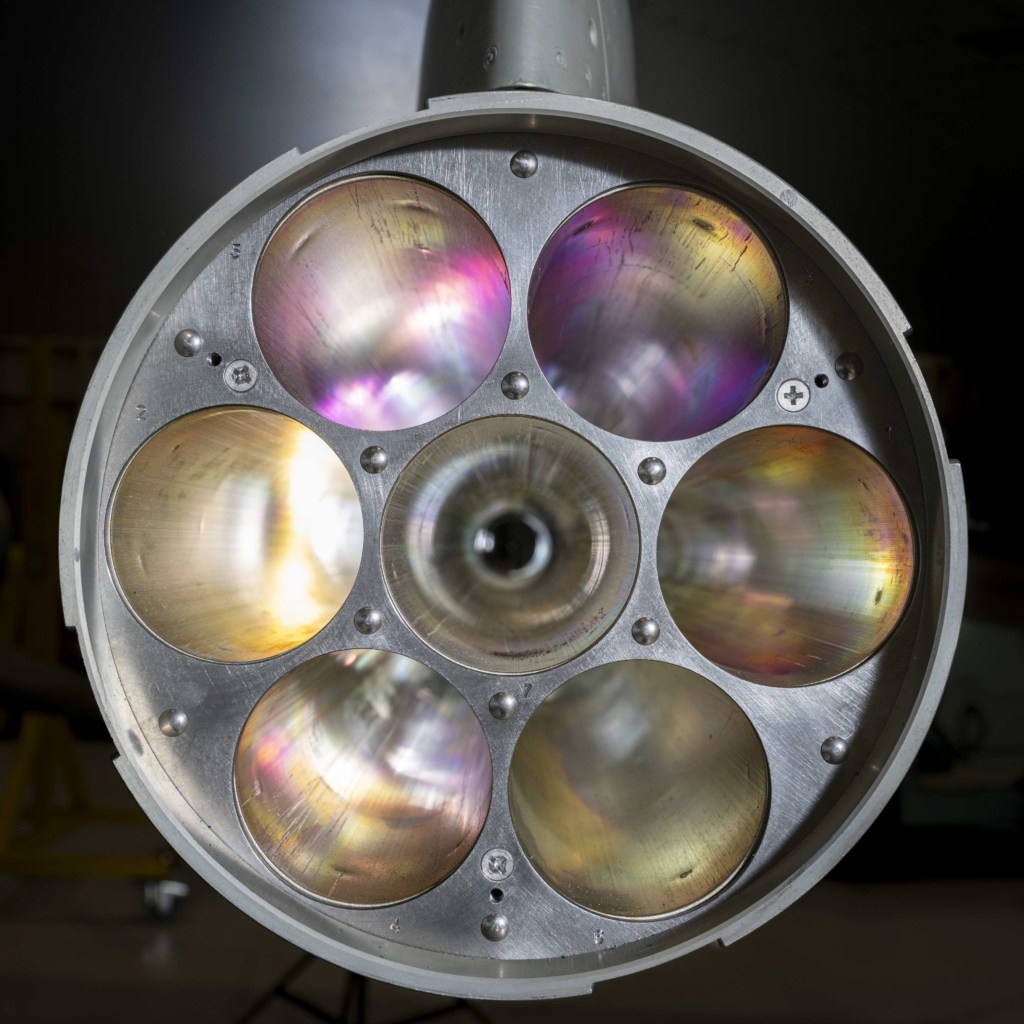
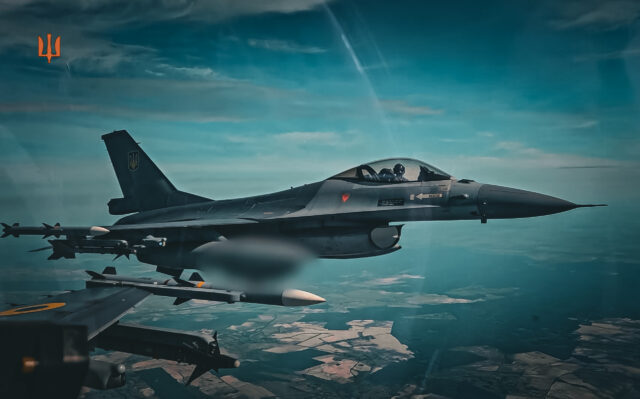
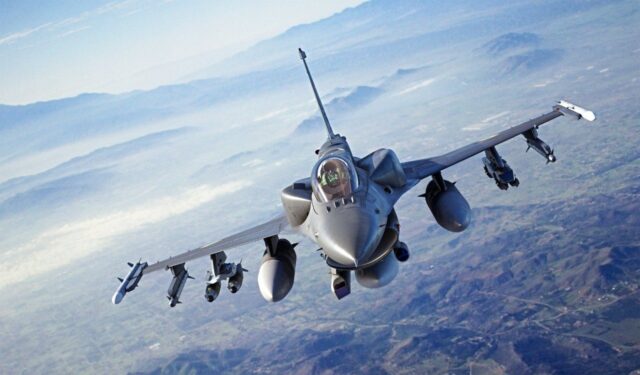
Already in operational use on platforms such as the F-16 Fighting Falcon and A-10 Thunderbolt II, as well as several rotary-wing aircraft, APKWS has been proven in combat across a range of missions.
Its key advantage lies in cost and scalability. Leveraging existing rocket inventories, it enables armed forces to field precision capability in far greater numbers than would be feasible with conventional guided missiles.
What’s next for Eurofighter Typhoon and APKWS?
While the latest trial focused on a ground-based target, BAE Systems has made clear that this is only the first step in a wider test campaign.
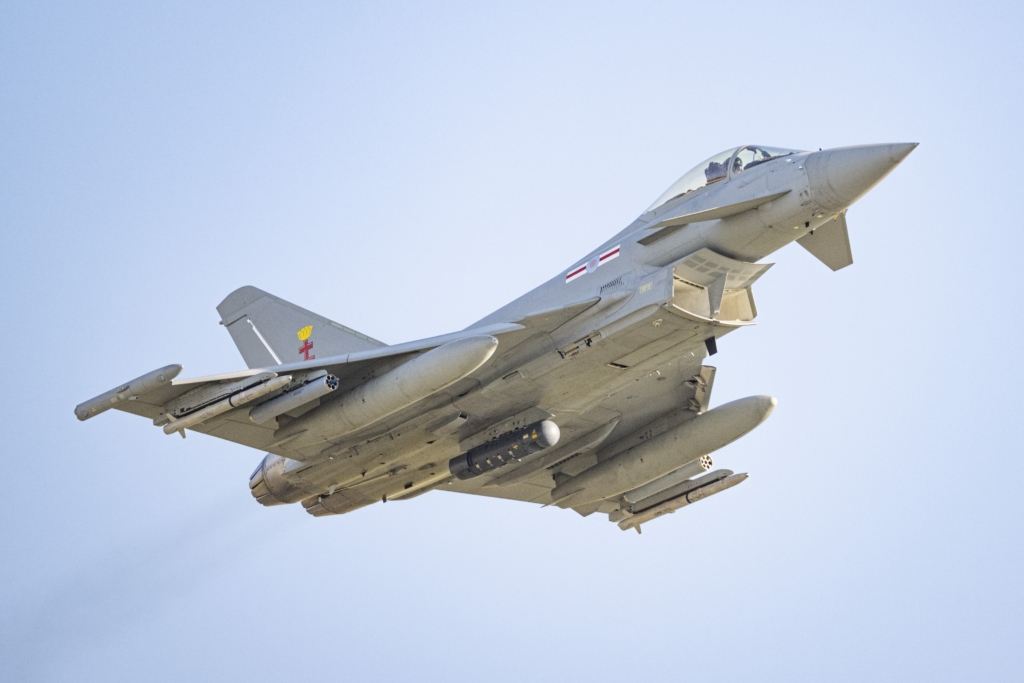
The next phase will explore the use of APKWS in an air-to-air role, specifically targeting uncrewed systems. This will be a critical milestone in determining whether Eurofighter Typhoon can take on a more active role in counter-drone operations.
A timeline for operational deployment has not been confirmed, but the pace of recent testing suggests momentum is building. If integration progresses as planned, APKWS could become part of Typhoon’s evolving weapons suite later this decade, complementing ongoing upgrades such as new radar and electronic warfare capabilities.
Featured image: BAE Systems