International logistics firm e-Smart has placed firm orders for five BETA Technologies all-electric ALIA cargo aircraft and has taken options on 15 more.
Deliveries of the conventional take-off and landing (CTOL) aircraft are due to commence in 2027, according to the company.
BETA Technologies wins new orders at Dubai Airshow
The Netherlands-based e-Smart Group signed the deal with BETA Technologies at this year’s Dubai Airshow, currently taking place at Dubai’s Al-Maktoum International Airport (DWC). The move comes as e-Smart plans to diversify into the e-commerce and life science markets.
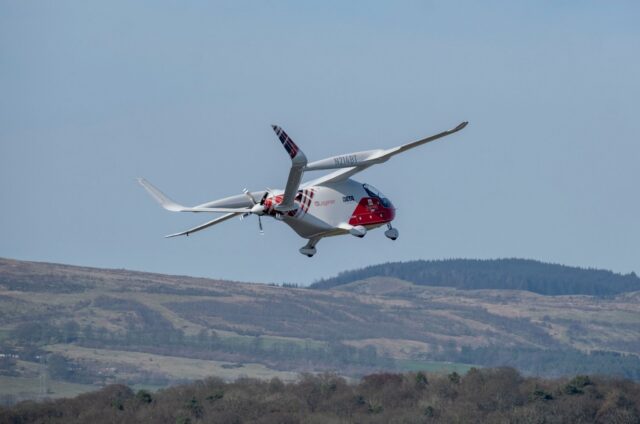
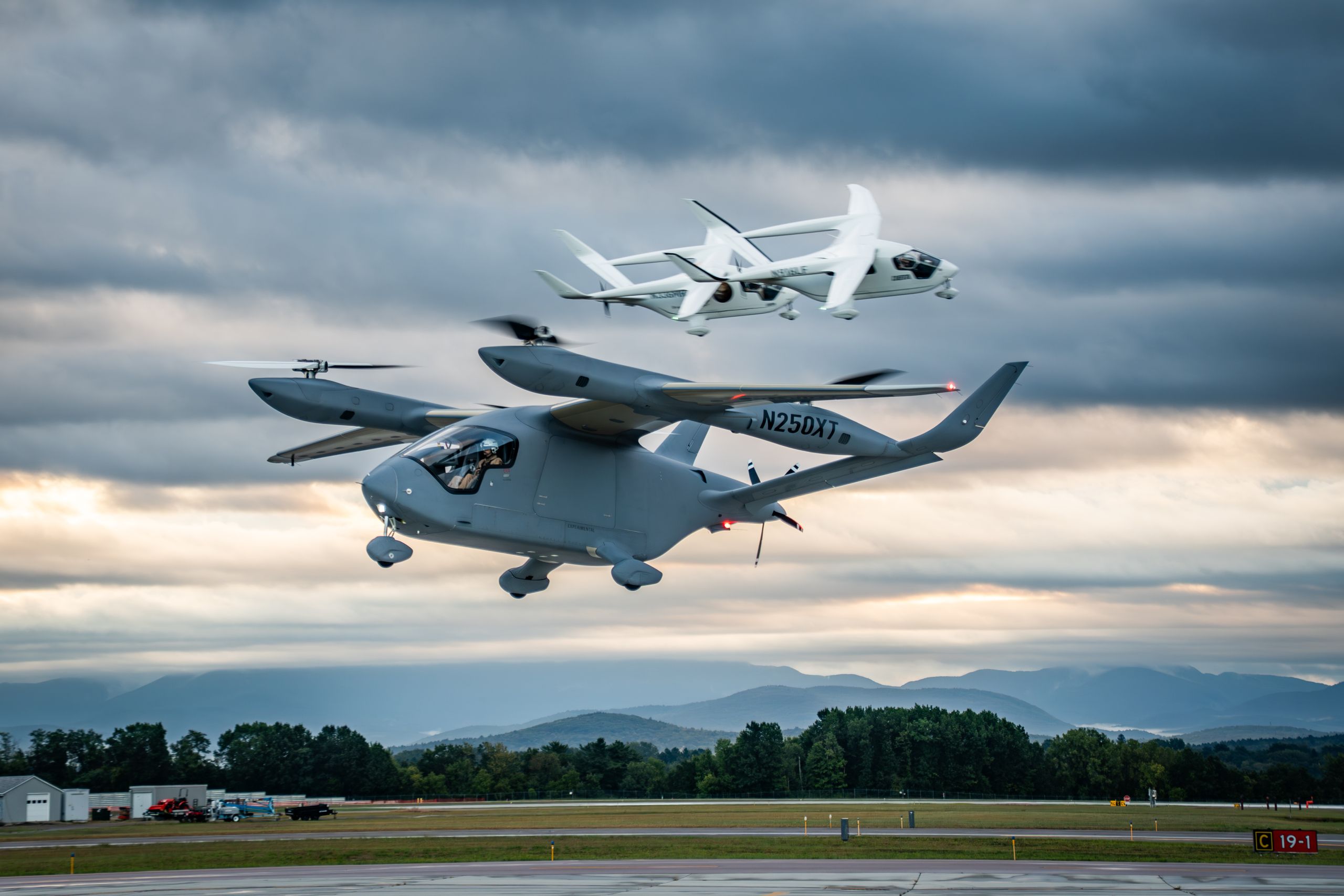
The CX300 is an all-electric aircraft built in the United States by Vermont-based aerospace firm BETA Technologies. Beta’s ALIA platform is currently undergoing FAA type certification and is engineered for all-weather operations, with certification due in late 2026.
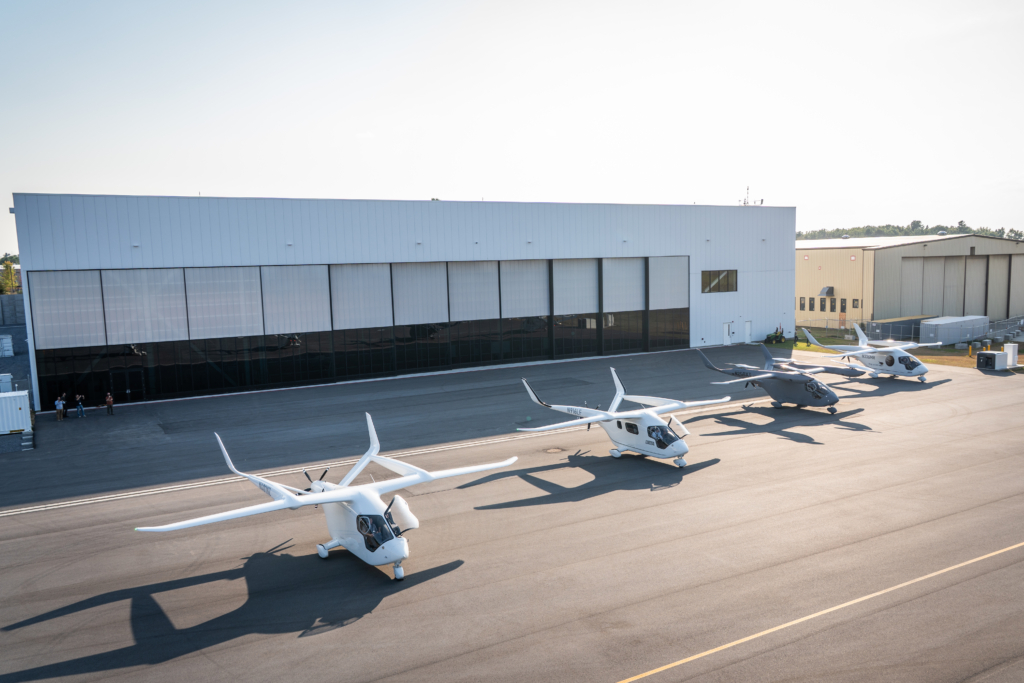
BETA’s ALIA CX300 is designed for short-length flights and regional operations, with a 560 kg (1,235lbs) payload and a 5.6 cubic metre cabin interior.
The agreement signed between BETA Technologies and e-Smart includes a deposit-backed firm order for five of BETA’s all-electric ALIA CX300 aircraft and purchase rights for 15 more. The company expects to receive its first five aircraft in 2027, followed by the remainder over the 2028-2029 period.
The plans for e-Smart’s ALIA CX300s
At the signing of the agreement, the e-Smart Group said it plans to deploy the fleet through a new all-electric subsidiary, e-Smart Avia, from 2027.
Services will focus on express cargo operations, e-commerce, medical logistics and other verticals such as aircraft on the ground (AOG) spares across the EU, UK and UAE.
“Introducing cargo operations with electric aircraft is a natural evolution for e-Smart Group, fully aligned with our strategy to meet and exceed our clients’ expectations for reliable and fast time-definite air logistics,” said Stan Wraight, one of the founding partners of e-Smart Group.
“The ALIA CX300 aircraft will enable us to deliver low-emission, sustainable, yet cost-effective solutions by leveraging the latest technology in cargo aviation,” Wraight added.
Jacques Heeremans, co-founder of e-Smart Group, along with Wraight, commented, “We are already seeing strong interest from express and e-commerce clients eager to integrate the ALIA CX300 into their operations.”
“Beyond that, we believe this innovative aircraft will become highly sought after for charter and regular shipments of special cargo, such as life sciences, critical spare parts, and high-value goods.”
“Its performance and lower operating costs make it highly suited for high-frequency routes connecting major hubs to secondary markets – a key focus for e-Smart Group as it launches all-electric services in 2027,” Heeremans added.
Dubai Air Show 2025: BETA Technologies to supply e-Smart Logistics with up to 20 ALIA CTOL aircraft https://t.co/9BOpAJLoR1 pic.twitter.com/SXwkf6yoGS
— urbanairmobilitynews.com (@urbanairmobili1) November 19, 2025
Stay up to date with all the news from Dubai Airshow 2025 with AGN.
The ALIA CX300 gathers momentum
Other organisations that have so far backed BETA Technologies with firm commitments include Air New Zealand, UPS, United Therapeutics, Bristow Group, Republic Airways and US-based Ryan Air.
In October, Air New Zealand took a major step toward electric flight with the first take-off of a BETA Technologies ALIA CX300 aircraft, marking the airline’s debut in battery-powered aviation.
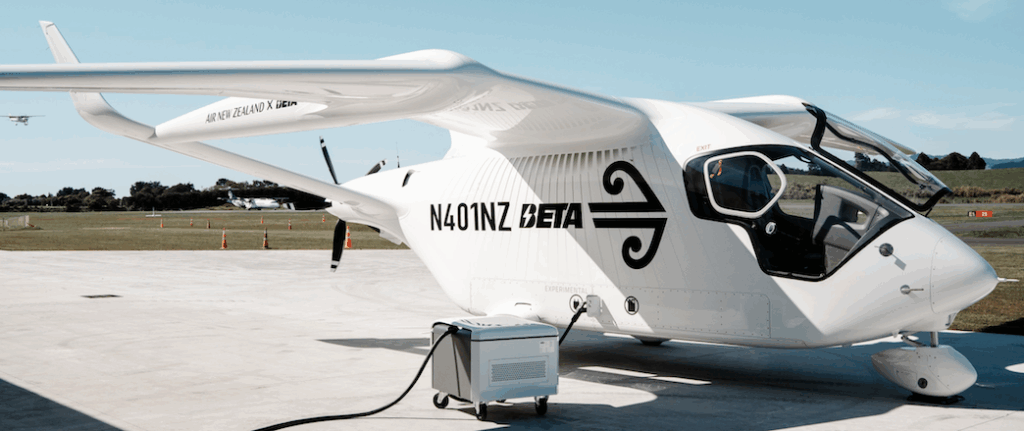
The aircraft completed its maiden New Zealand test flight on 17 October from Tauranga Airport. It was later relocated to Hamilton Airport, where it will operate for two months before moving south to Wellington in December for further evaluation.
Earlier, in August, Norway formally launched its campaign for low-emission flights with the first operational flight of an ALIA CX300. The first flight was conducted by Bristow Norway at Stavanger Airport on 8 August.
The flight marked the start of a months-long demonstration campaign exploring how electric aircraft can support sustainable regional connectivity.
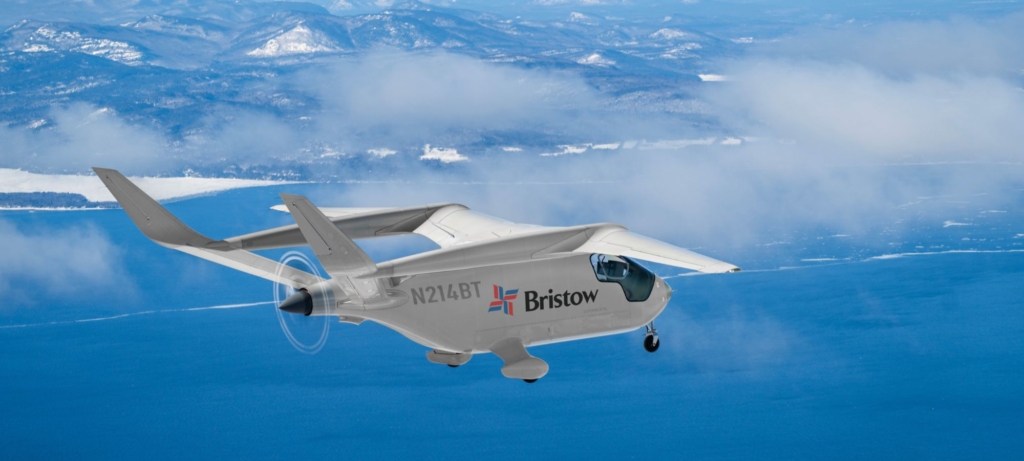
As reported by Aerospace Global News, the test programme has been structured as a regulatory sandbox, allowing real-world evaluation of aircraft, infrastructure, and airspace integration. A BETA-trained Bristow crew will operate the aircraft throughout the campaign.
BETA signs major supply deal with Abu Dhabi Airports
More recently, at the Dubai Airshow, BETA Technologies announced that Abu Dhabi Airports had contracted the company to deploy its certified Charge Cube and Battery Thermal Management System as it rolls out an advanced air mobility (AAM) ecosystem across the emirate of Abu Dhabi.
Earlier this year, Abu Dhabi Airports was awarded a mandate to lead the development of public infrastructure, operations, and commercial readiness for a strategic network of vertiports across Abu Dhabi.

It subsequently selected BETA’s electric chargers and thermal management systems to power its first two vertiport sites at Al Bateen Executive Airport (AZI) and Zayed International Airport (AUH), where initial UAE air mobility routes will launch.
BETA will also provide on-site technical consulting on equipment and installation, as well as maintenance support and training.
2025 “a big year” for BETA Technologies
“The partnership with e-Smart builds on a big year for BETA aircraft,” said the aerospace company. ”From flying the aircraft across the EU this summer to commissioning a certified Charge Cube and Thermal Management System in the UAE this week, we’re demonstrating how electric aviation can integrate into real-world operations on multiple continents.”
BETA says it is now just months away from gaining US regulatory approval for its electric propulsion system. That will be followed in late 2026 or early 2027 by full certification for the CX300.
The company has so far built six aircraft at its Burlington, Vermont, factory. According to the firm, the facility will be able to construct up to 300 aircraft annually when scaled up.
Featured image: BETA Technologies