Doubling on-wing time: The Pratt & Whitney GTF Advantage engine

December 24, 2025
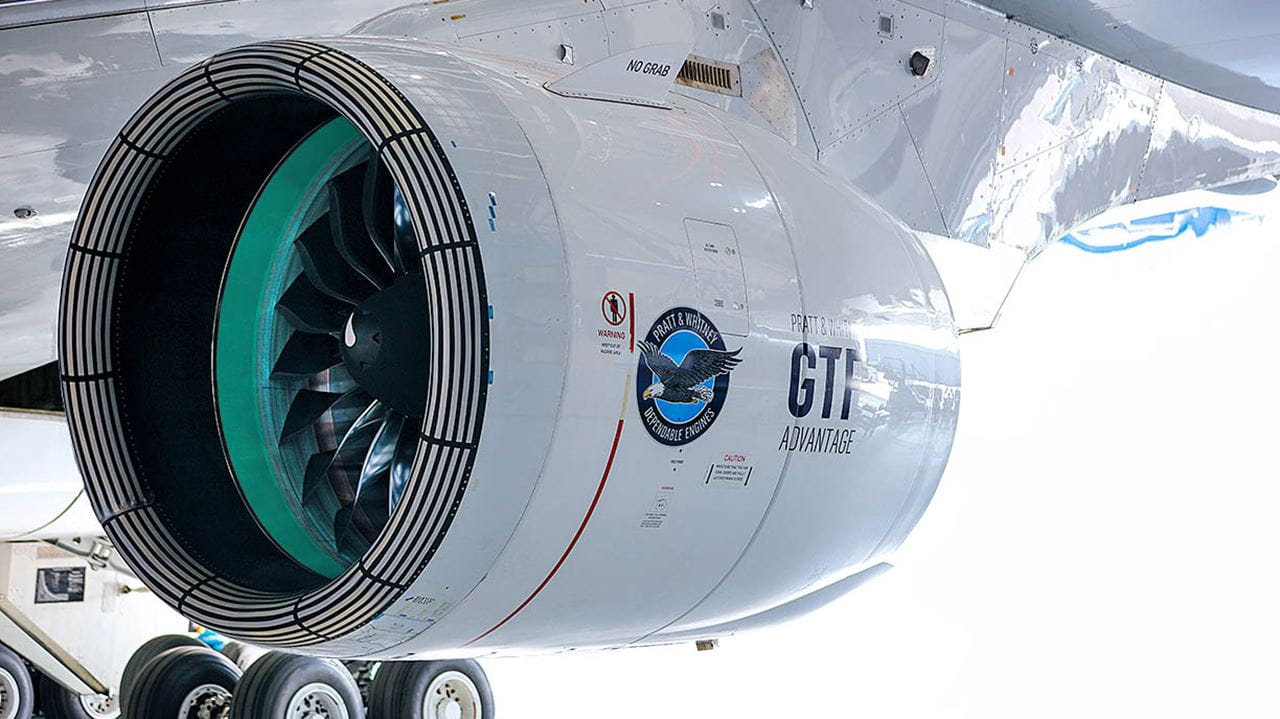
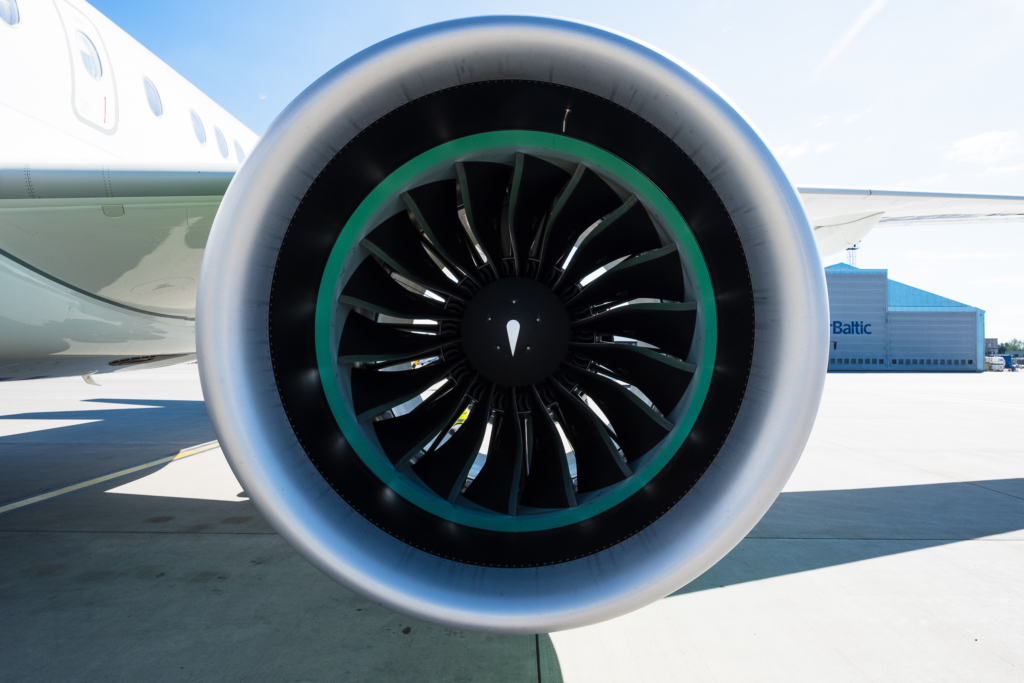
The technology implements a reduction gearbox between the fan and the low-pressure compressor, optimising propulsive efficiency. It offers unmatched fuel efficiency and dispatch reliability onboard the Airbus A220 family, A320neo family, and Embraer E-Jets E2 family aircraft.
Despite the popularity, the relatively new architecture has seen a fair share of durability issues. The US-based manufacturer is building upon the engine’s optimal performance, offering operators increased on-wing time.
Pratt & Whitney’s GTF Advantage engine will extend its fuel efficiency and durability through a series of design and manufacturing upgrades. The company is working to ensure that the GTF Advantage engine will be compatible with future specifications for 100% SAF.
Manufacturing improvements on a few critical parts
Pratt & Whitney is focusing on enhancing its manufacturing processes, particularly in the hot section of the engine. A handful of the most critical parts are addressed to achieve greater impact.
The Vice President of the GTF Program at Pratt & Whitney, Amy Comer, states that “we can capture 90 to 95% of the durability improvements of the TF Advantage with about 35 parts. A relatively small number of parts can make a very big impact on how long the engine stays on-wing.”
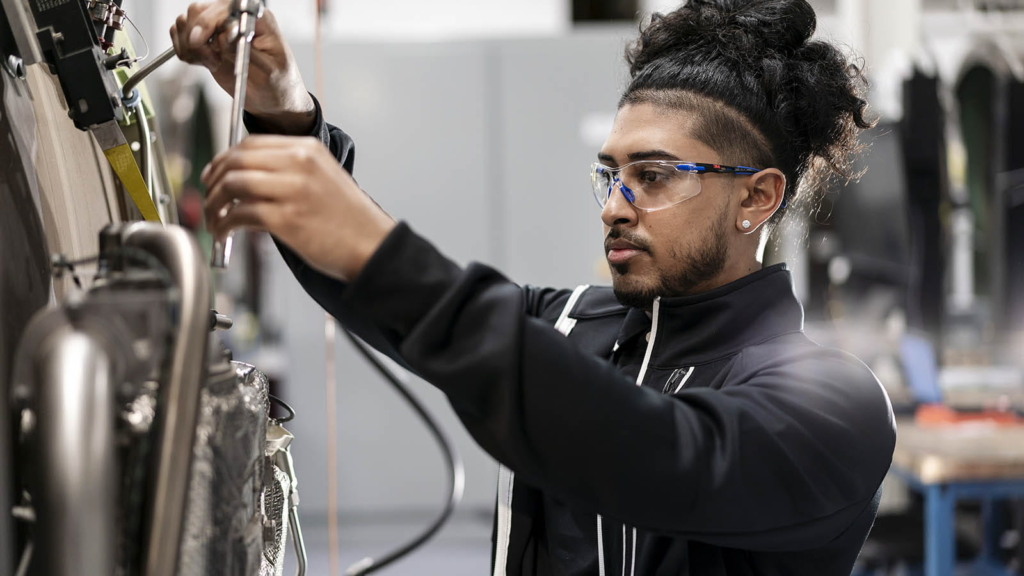
One such improvement is carried out at the new “Hole Drill” section of the company’s 1.2 million-square-foot blade-and-vane plant in Asheville, North Carolina. In a specialised chamber, electric charges through a tube machine a series of precisely plotted holes into a metal platform. Cooled by high-pressure water lines, the machined metal will transform into a turbine blade, powering the GTF engine.
The meticulous drilling process ensures those blades are free of any defects that could result in fatigue-related cracks. Moreover, precise machining techniques reduce oxidation and enhance durability.
Another process enhancement is done in the “Coatings” section, enabling precise application of material coatings to maximise heat resistance. Notably, the maximum output thrust achieved by the engine depends on the maximum temperature that the internal materials can withstand.
Pratt & Whitney’s futuristic rotating machines ensure critical materials are treated with special coatings to withstand extremely high internal temperatures. The method is directly assisting Pratt in making a more durable GTF engine.
Design improvements that optimise airflow inside and around the engine
Pratt & Whitney is carrying out key enhancements to its airfoils, particularly in the high-pressure turbine section. Advanced airfoil design ensures improved airflow from the combustor to the turbines.
Within the airfoils, optimisation of the cooling holes, their sizes, shapes, and locations is essential. Amy Comer describes the importance of cooling holes in turbine blades by saying,
“The hottest part of the engine is hot enough to melt rock into lava. By optimising cooling holes – their shape, size, and location – we’re optimising airflow over the surface of the parts. This, in turn, more effectively protects the surface of the parts to help them last significantly longer in service.”
With new manufacturing techniques implemented across the hot section, Pratt & Whitney aims to achieve durability improvement of up to 95% on the GTF engine. The first GTF Advantage engines are expected to enter service in 2026.
Featured Image: Pratt & Whitney