Concorde at 50: What was the passenger experience like inside the supersonic cabin?

January 21, 2026
Concorde entered commercial service on January 21, 1976, with simultaneous flights by British Airways from London to Bahrain (G-BOAA) and Air France from Paris to Rio de Janeiro (F-BVFA).
Half a century after Concorde’s first commercial services redefined what was possible in passenger aviation, memories of the supersonic experience continue to resonate.
For those onboard, the flight was not just about getting from A to B: it was about luxury and glamour, all while travelling faster than the speed of sound.
Or, as Chief Concorde Pilot Mike Bannister puts it, “efficiency, effectiveness, comfort, and the ability to do in two days what would otherwise take four”.
The Concorde ground experience
From the moment travellers stepped into dedicated Concorde lounges at Heathrow or Charles de Gaulle, it would have been clear that this was no ordinary flight.
Discrete check-in areas, fast-track processing and dedicated staff delivered a seamless journey from arrival to boarding, with British Airways allowing check-in as little as 30 minutes before departure.
Exclusive lounges and a personalised service set the tone. At Heathrow, for example, the Concorde Room lounge enabled passengers to board the aircraft directly.
Once on the aircraft, it would have been clear that Concorde’s passenger environment was different to the other intercontinental airliners plying the same long-haul transatlantic routes.
Inside Concorde’s cabin: Narrow, noisy but full of excitement
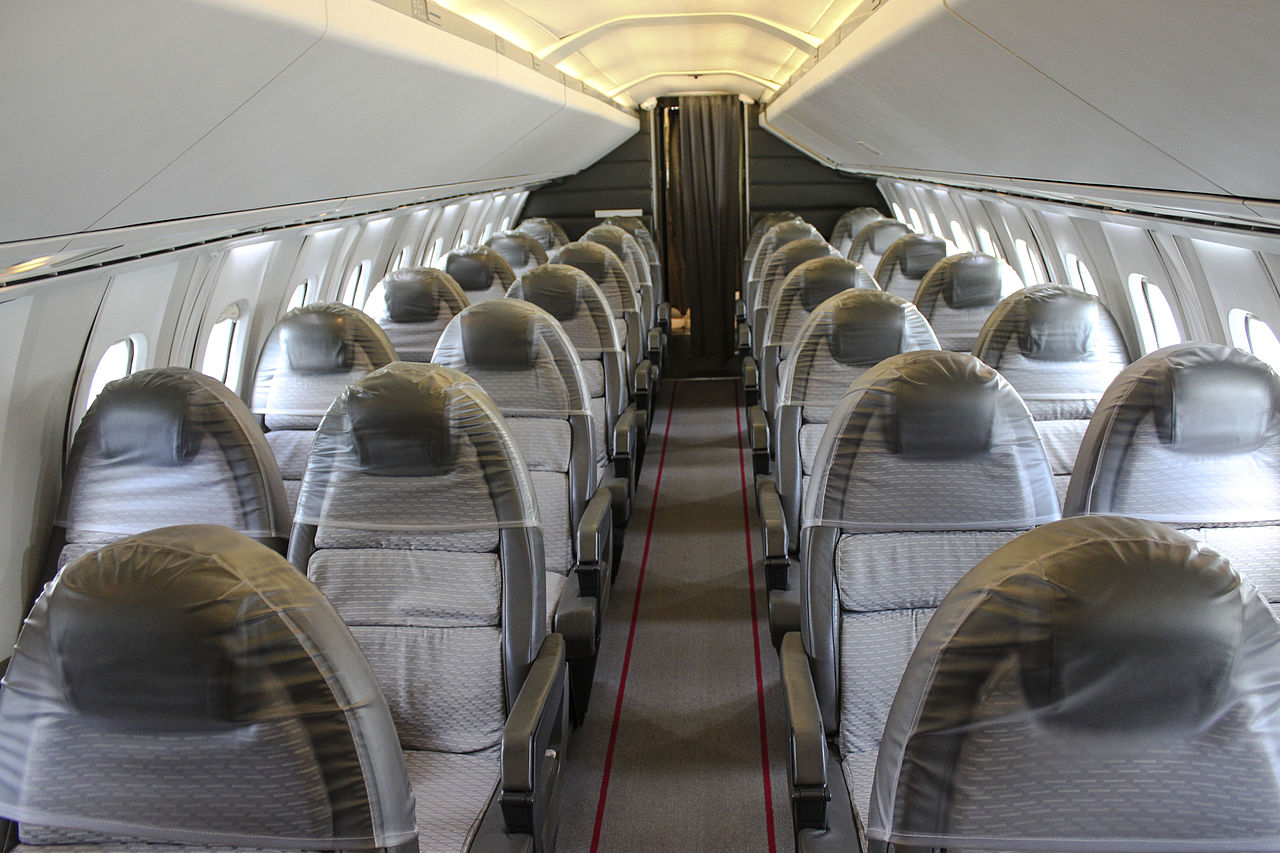
The aircraft’s narrow, aerodynamically driven cabin imposed clear physical limits: just 100 seats in a single-class layout, limited headroom, narrow leather seating and minimal baggage space.

With just two seats on either side of a narrow aisle and a cabin width barely wider than today’s regional jets, the interior was compact by modern premium standards.
As one former passenger wrote on Reddit, “overhead bins comparable to a regional jet and the seat was comparable to premium economy of now, 37” pitch. Toilets were very small.”

But Bannister, who spoke to Boom about Concorde and their supersonic ambitions, explained: “Some passengers chose to fly Concorde simply for the excitement.
”They wanted the acceleration on takeoff, the ability to fly faster than the sun travelled across the sky, the exquisite cuisine, wonderful wine, and fantastic cabin service.
“These passengers saved their money for the once-in-a-lifetime experience of splendour at the speed of 23 miles a minute.”
How Concorde’s supersonic speeds changed commercial flight
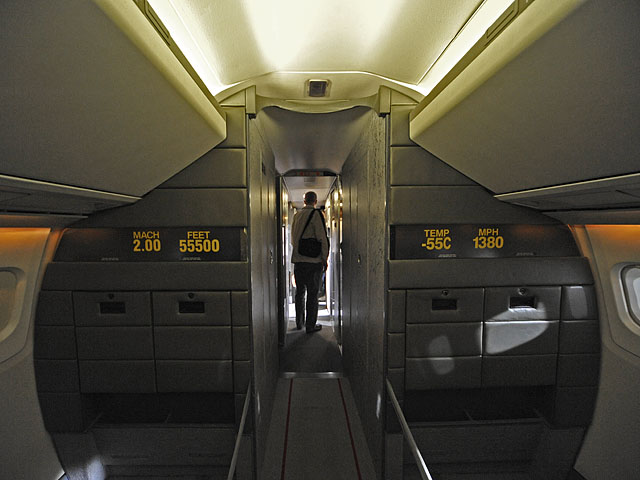
Concorde’s technological leap was immediately felt at take-off and throughout flight. Four Rolls-Royce Olympus engines, each producing 38,000lbs of thrust with reheat, propelled the aircraft to cruise altitude above 60,000 feet at over twice the speed of sound – Mach 2.04 – allowing transatlantic crossings in a fraction of the time of subsonic airliners.
Travellers often watched as the Earth’s curvature gradually appeared through the small, deep-set cabin windows, a view rarely seen on other commercial jets.
Cabin noise was noticeably higher than on contemporary aircraft, with engine and aerodynamic sounds much louder than on modern airliners.
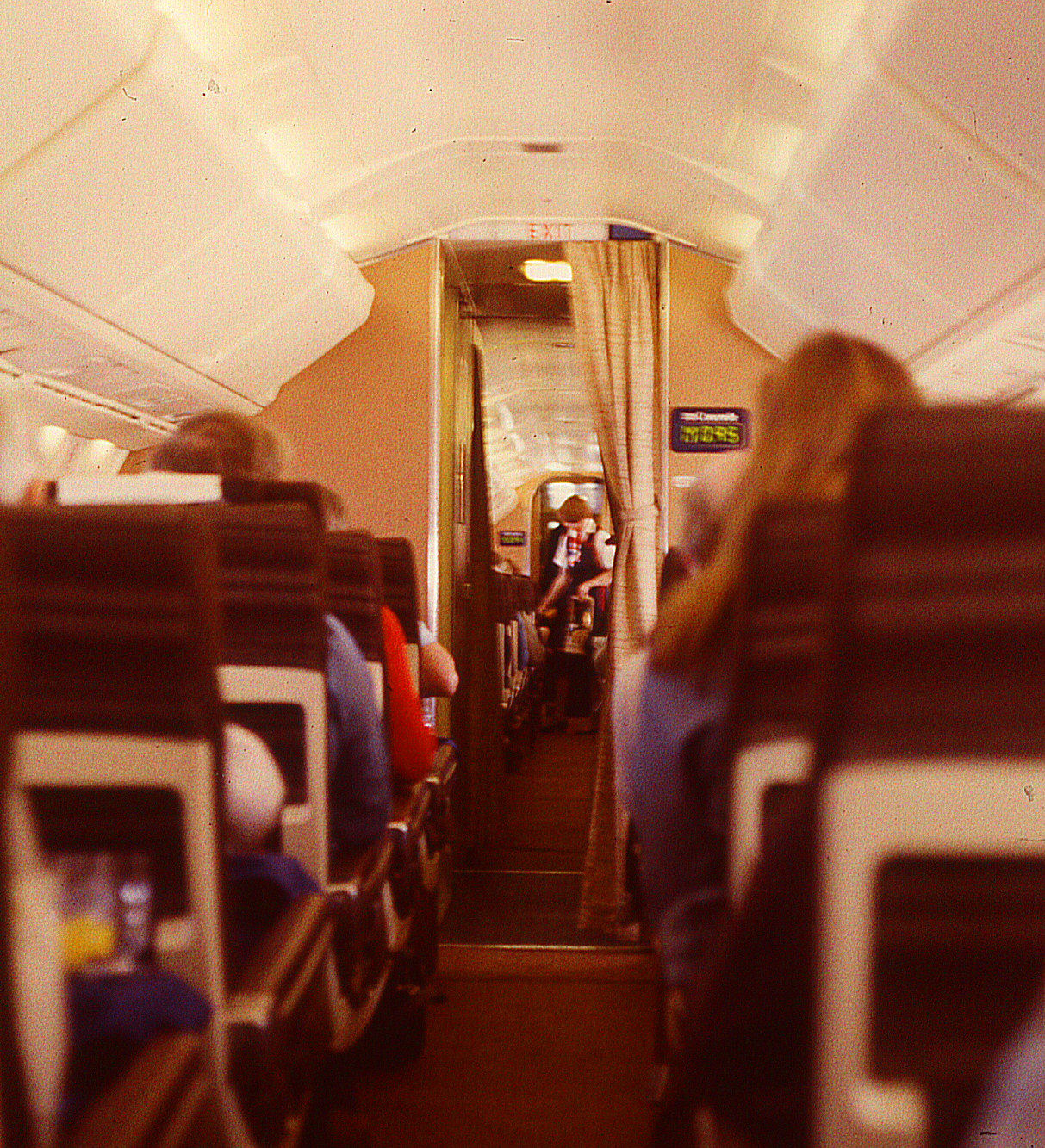
Even so, passengers often recalled that conversation and service were unaffected.
Concorde flights featured multi-course meals, with caviar, fine wines and champagne served by a complement of six crew on china.
In flight entertainment on Concorde? Just the mach number plasma display
The lack of modern in-flight entertainment, Wi-Fi or large personal screens was offset by the novelty of the event.
Screens displaying speed, altitude and Mach number provided a reminder that passengers were not on an ordinary aircraft. A pilot announcement also often marked the moment the aircraft crossed the sound barrier.
For many, the supersonic flight itself was entertainment enough, and the social ambience was almost as memorable as the technology.

Personal accounts from former passengers and crew underscore both the glamour and the quirks of Concorde travel. Some remembered the aircraft handing out commemorative certificates signed by the crew; others spoke of windows the “size of a passport” which were hot to touch.
Concorde measured nearly 204ft in length and stretched between 6 and 10 inches in flight due to heating of the airframe.
Shorter flight times meant there was less of a need to keep people entertained.
How Concorde beat jet lag with 3 hour Atlantic crossings
Bannister noted: “As you travel faster than the earth rotates, the sun appears to go backwards in the sky. The scientists tell us that the event resets the body clock.
“In crossing the Atlantic from London to New York in three hours and twenty minutes, we endured no jet lag, arrived on time, earlier than we left and with very happy customers.”
He added: “The passenger cabin of the aircraft was as streamlined as its graceful exterior; it was designed in elegant shades of grey leather and soft fabric. When a passenger flies westbound, he or she would arrive in New York before they had left London.
“When flying Concorde, it was possible to maximise your time and reduce the effects of jet lag. With a cabin altitude pressure maintained, you stepped off Concorde fit and ready to go. With the BA Concorde Express Suiter Service, your overnight bags would be delivered within eight minutes of your arrival.”
Even as supersonic travel – for now – recedes into history, the experience aboard Concorde is a reminder of the glamour the aircraft brought to commercial flight.
Featured image: Kurkoe/ Creative Commons Attribution-Share Alike 3.0 Unported license