Cirrus pushes Vision Jet into new territory with G3 upgrade

February 4, 2026
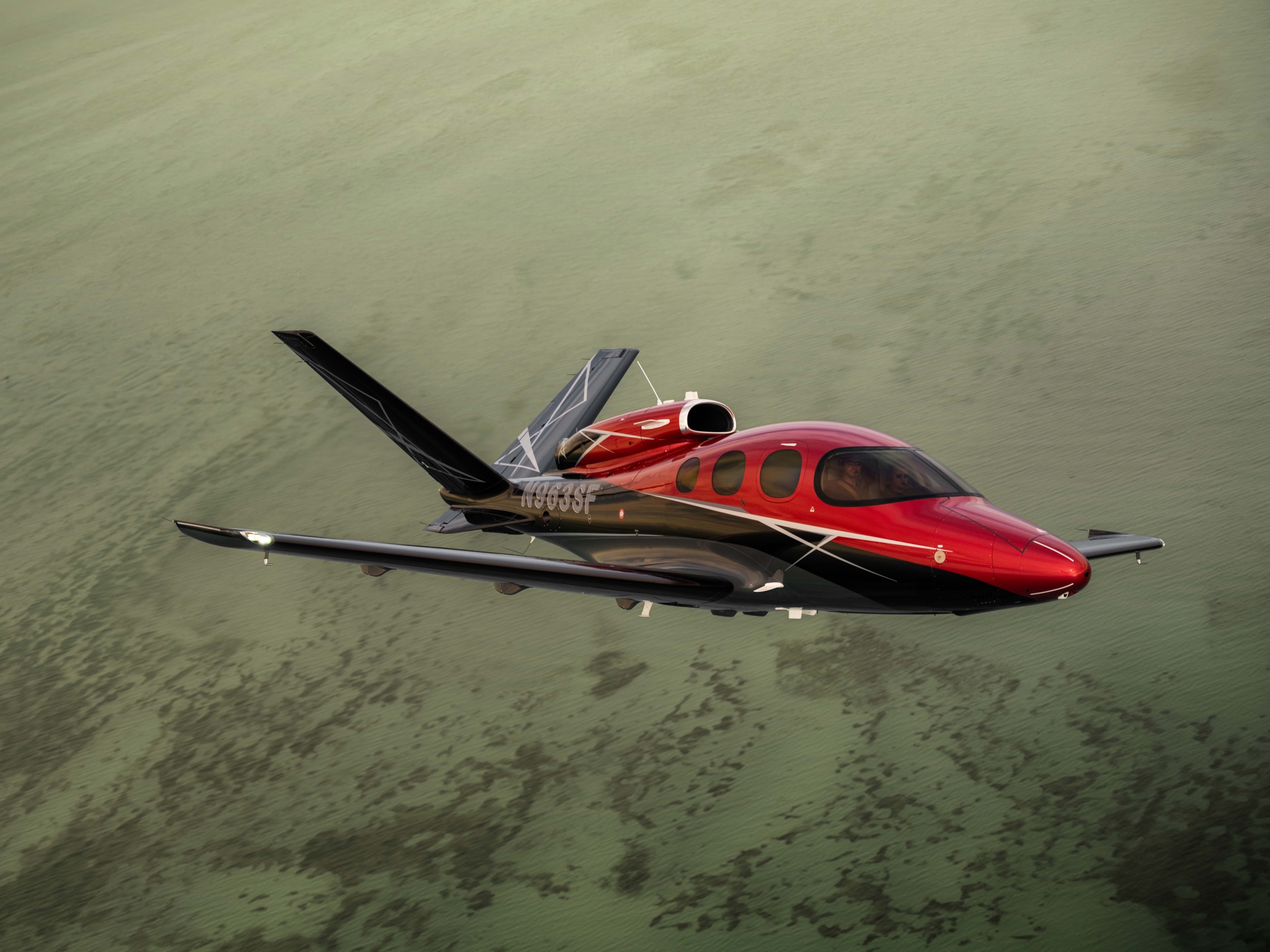
Cirrus Aircraft has unveiled its Generation 3 (G3) Vision Jet, introducing a series of cabin, avionics and exterior updates aimed at broadening the aircraft’s appeal.
Cirrus says more than 30 refinements have been incorporated into the G3, with a particular focus on interior reconfiguration, digital connectivity and workload reduction for its pilots.
Cirrus Vision Jet cabin redesign targets broader missions
Central to the G3 upgrade is a reimagined cabin that increases usable seating capacity while retaining the compact footprint of the Vision Jet.
The aircraft can now accommodate up to seven occupants – six adults and one child – depending on configuration, enabled by a newly developed third-row bench seat.
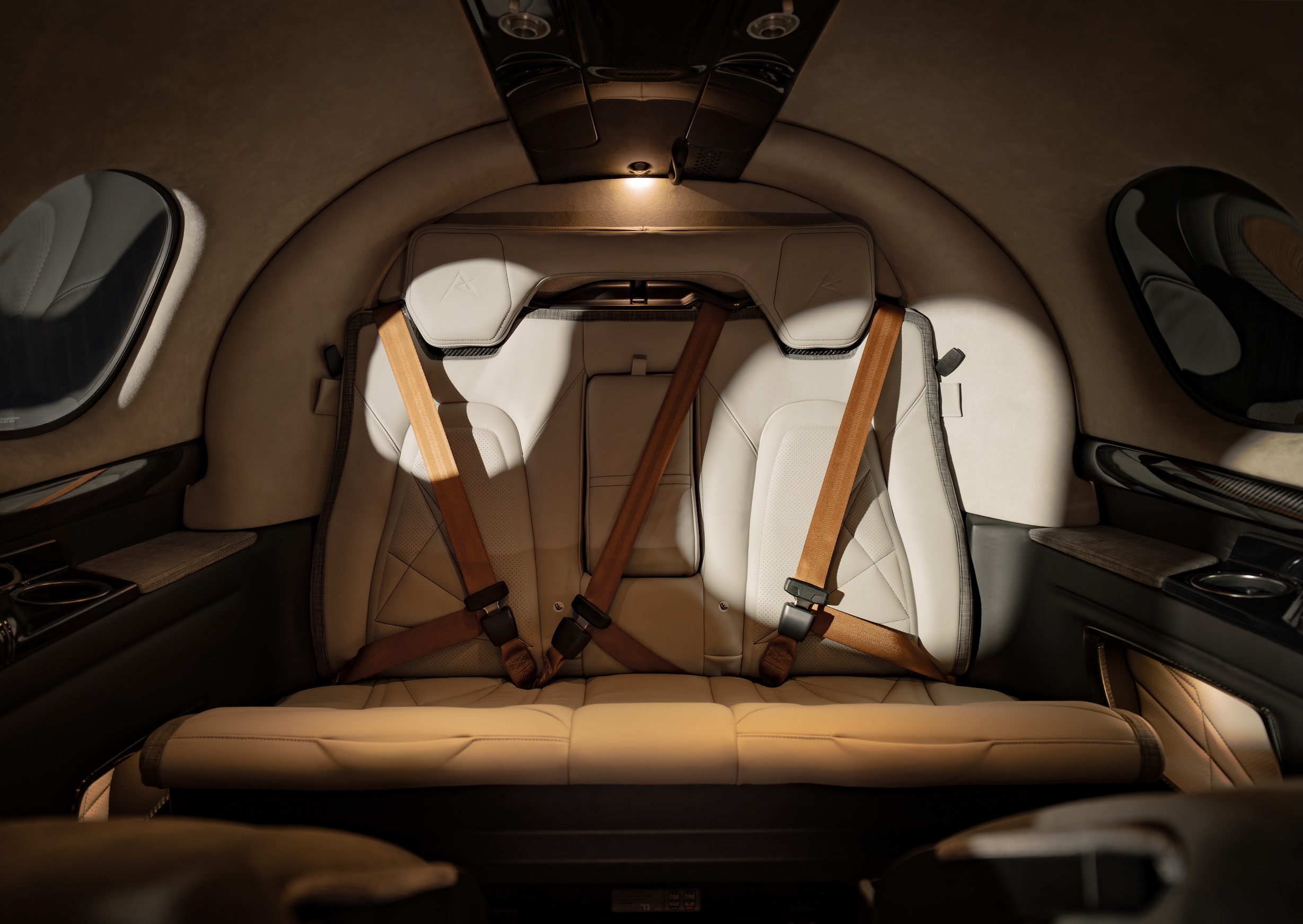
Cirrus has redesigned all of the passenger seating, introducing revised ergonomics and new tray tables as well as repositioned mounting points for personal electronic devices.
The intent, the manufacturer says, is to make the cabin more adaptable for mixed-use missions, ranging from business travel to family transport.
Seatbacks now feature hard-shell construction wrapped in premium materials, with higher trim levels incorporating carbon fibre elements.
The colour and materials palette has also been expanded, bringing the Vision Jet’s interior options closer into alignment with the wider Cirrus SR-series piston range.
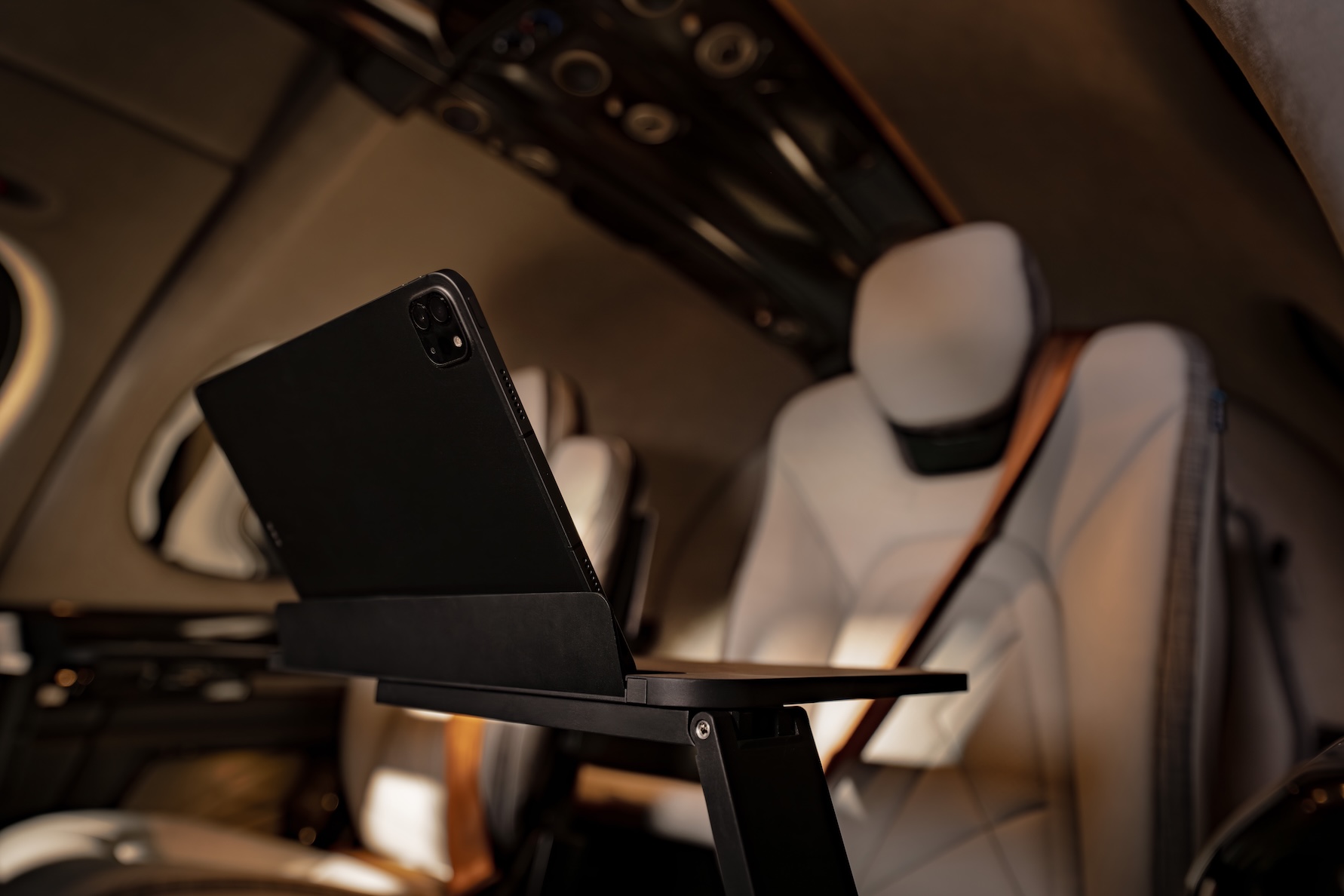
From a usability standpoint, the pilot and co-pilot seats can now be adjusted through their full aft range with single-hand operation.
The remaining cabin seats remain modular, allowing owners to remove or reinstall rows as required – a flexibility that has been central to the aircraft’s appeal among private operators.
New Vision Jet enhancements reduce pilot workload
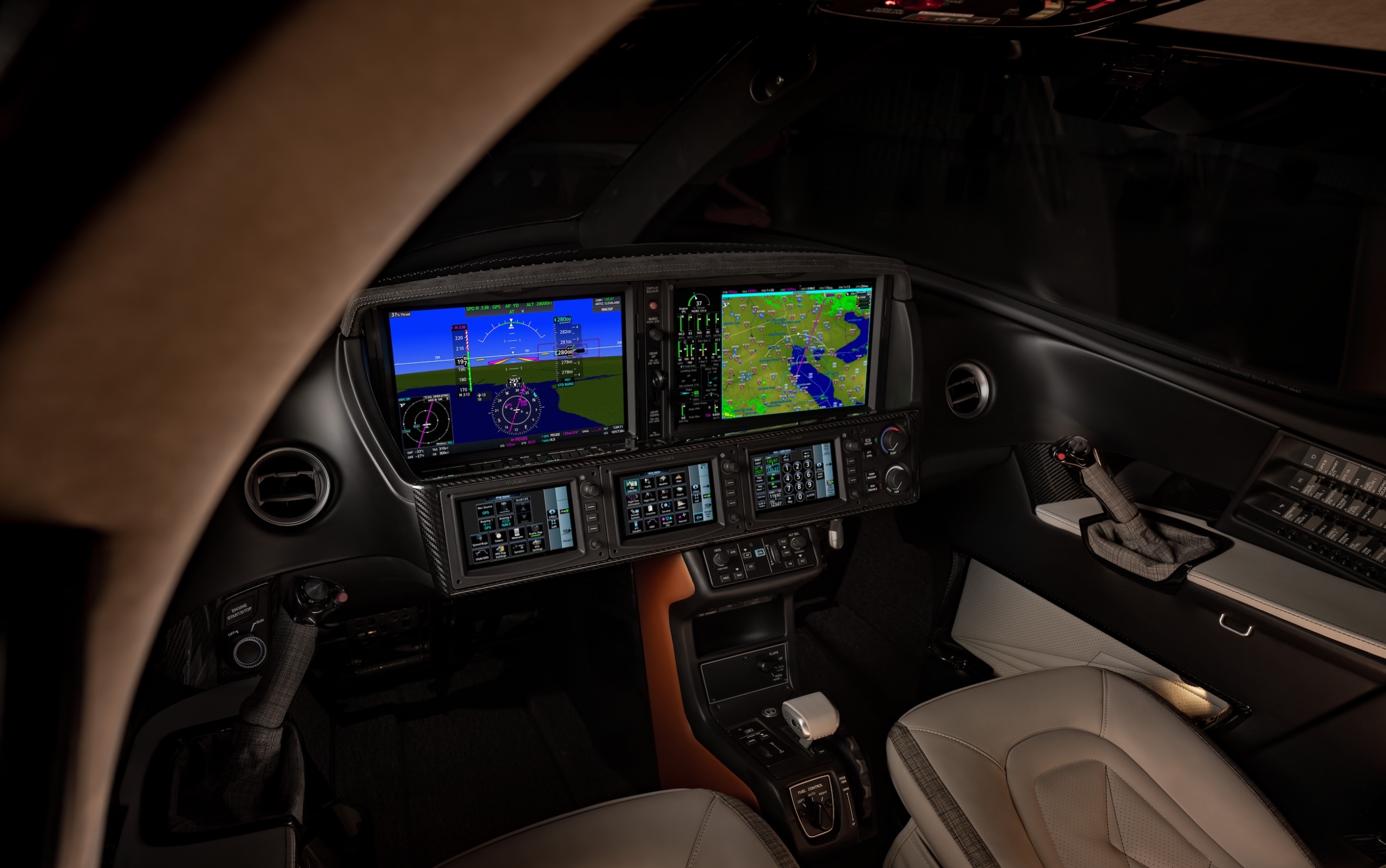
The G3 Vision Jet introduces a further evolution of the Cirrus Perspective Touch+ flight deck, with new functionality designed to simplify cockpit management, particularly in high-workload phases of flight.
A key addition is ATC datalink capability, enabling pilots to exchange text-based messages with air traffic control for route changes, altitude assignments and departure clearances. This reduces pilot workload and increases safety by reducing the risk of misunderstood ATC instructions.
The avionics suite also gains automatic database updates, ensuring navigation and approach data remain current without manual intervention, provided the aircraft is subscribed to Cirrus’ connectivity services.
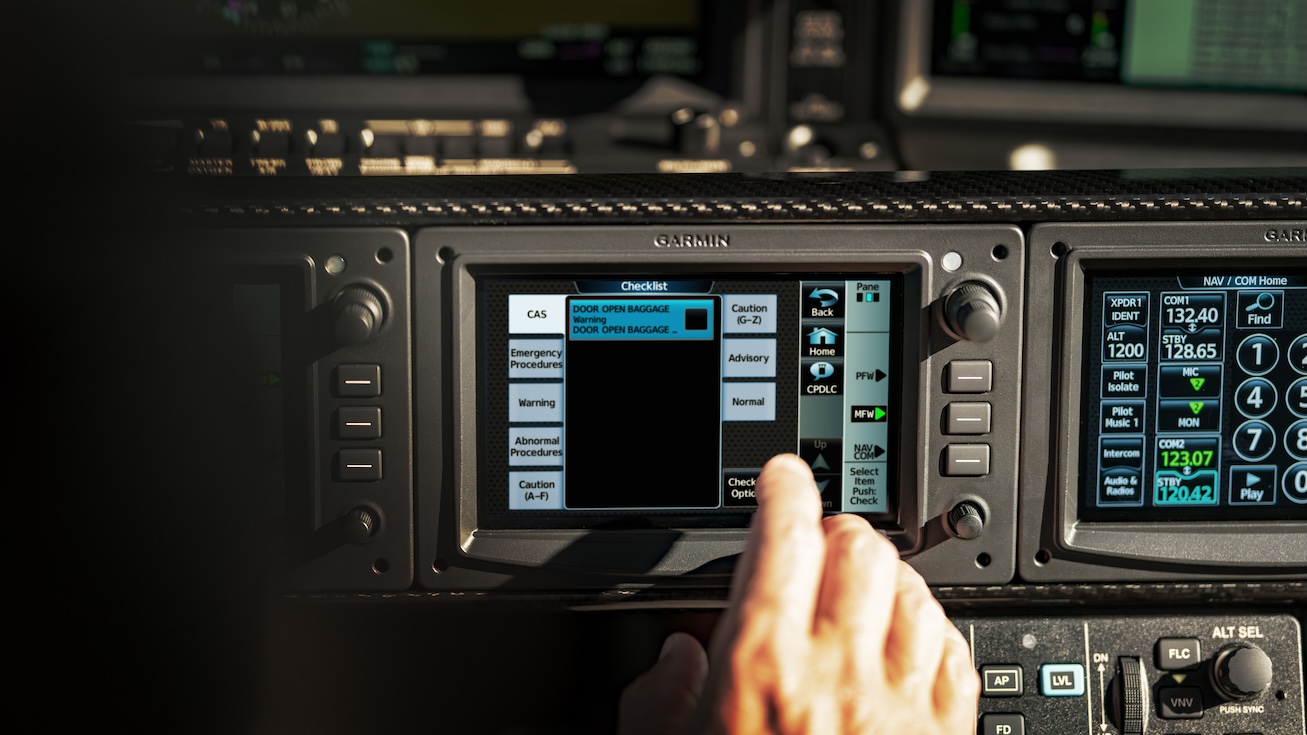
Alerts-linked checklists have been added to give pilots immediate access to relevant procedures when warnings or cautions are triggered.
Airport surface awareness has been enhanced through taxiway routing and three-dimensional SafeTaxi mapping, aimed at improving situational awareness at unfamiliar or complex aerodromes.
Vision Jet gets exterior lighting upgrades to improve visibility
Externally, the G3 Vision Jet receives new Cirrus Spectra wingtip and landing lights, delivering a claimed 2.7-fold increase in brightness compared with the previous generation.
Halo lighting has also been added, providing a distinctive visual identifier on the ramp while contributing to ground safety in low-light conditions.
While the aircraft’s distinctive V-tail and overall aerodynamic configuration remain unchanged, Cirrus says the cumulative effect of the updates is to sharpen the Vision Jet’s operational efficiency and day-to-day usability.
A maturing Cirrus programme
More than 700 Vision Jets have been delivered worldwide since the type entered service. Operators range from business owners and entrepreneurs to private individuals seeking an alternative to high-performance turboprops or light twins.
Cirrus said it continued to differentiate the Vision Jet through integrated safety systems, including the airframe parachute and emergency autoland capability, both of which remain standard equipment.
Deliveries of the new variant are now underway, and Cirrus is hoping that these improvements will sustain the Vision Jet’s momentum in a market that is increasingly sensitive to operating cost and upgraded technology.
Featured image: Cirrus