British Airways pilots could earn bonuses for flying more efficiently to cut costs and emissions

March 26, 2026
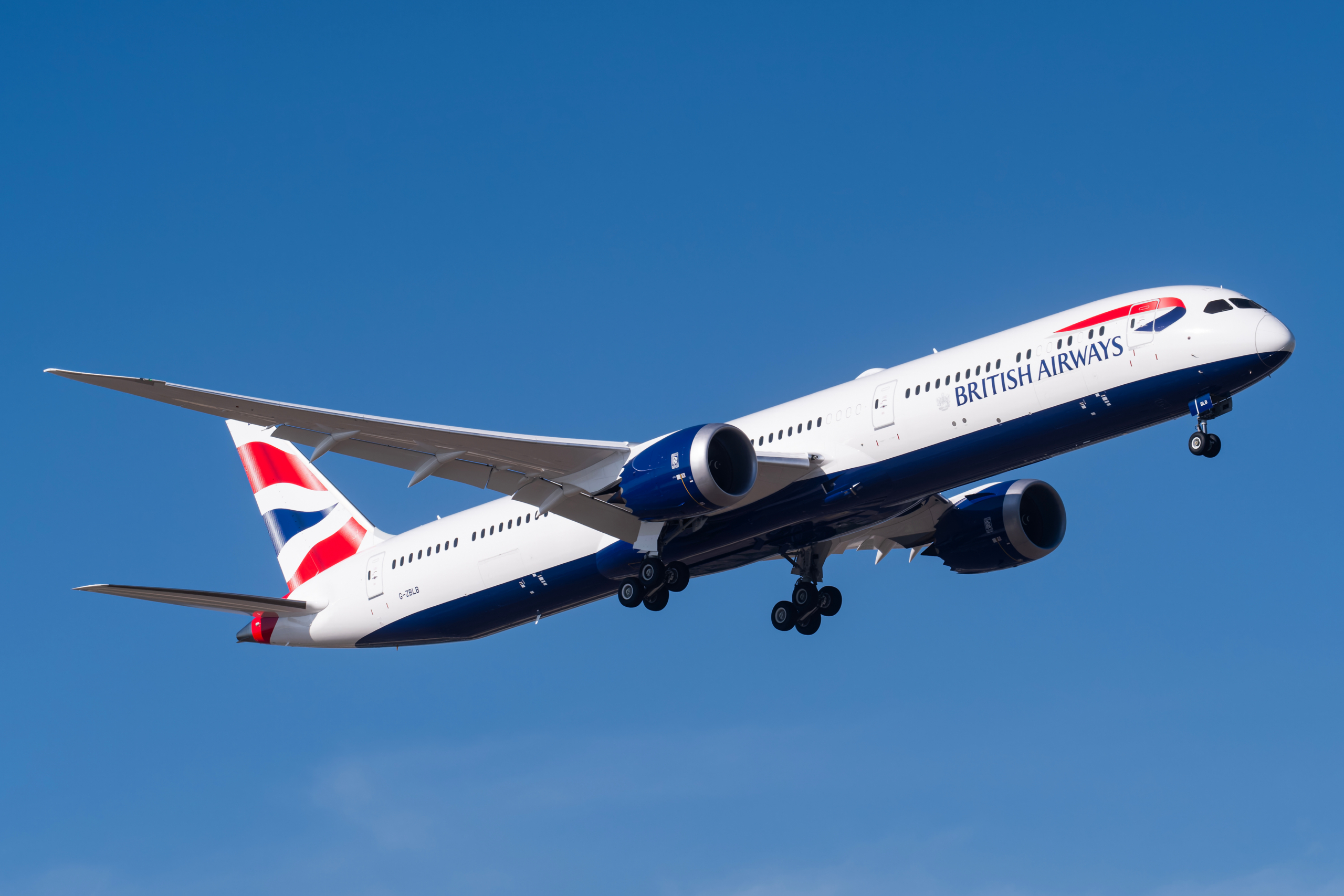
British Airways is reportedly considering a bonus scheme to reward pilots for adopting fuel-saving practices.
The move, reported by Bloomberg, comes as airlines intensify efforts to cut costs amid high fuel prices and mounting environmental pressure.
Under proposals reportedly shared with flight crew at the airline, pilots would be eligible for a bonus worth up to 1% of base pay if the airline achieves a collective reduction in carbon dioxide emissions of 60,000t beyond 2025 baseline levels.
The scheme is expected to come into force next year, subject to approval by members of the British Airline Pilots’ Association (BALPA).
BALPA has previously raised concerns about incentivising lower fuel loads, warning that commercial pressure must never compromise safety.
British Airways links pilot bonuses to fuel efficiency targets
The initiative, which was in a document seen by Bloomberg News, reflects growing pressure on airlines to address fuel burn.
Fuel remains one of the industry’s highest operating costs, particularly amid sustained high oil prices following the US and Israel’s conflict with Iran.
At the same time, airlines face increasing scrutiny over their emissions and longer-term decarbonisation commitments are forcing airlines to think of new ways to reduce emissions.
According to details of the plan, pilots would be encouraged to adopt more fuel-efficient operating practices. These could include longer single-engine taxi operations, a common fuel-saving practice, and carrying less discretionary fuel.
How the British Airways pilot bonus scheme would work
The proposed bonus would only be paid if the airline met the overall emissions reduction threshold, Bloomberg reported, rather than being tied to individual pilot performance.
BALPA members are expected to vote on the proposal by the end of April, following several months of discussions between the union and the airline.
The outcome will determine whether the scheme proceeds as planned in 2027, Bloomberg reported, citing a person familiar with the matter who asked not to be identified.
Airlines turn to pilot behaviour to cut fuel burn and emissions
The reported move by British Airways mirrors a broader industry trend, with airlines increasingly turning to operational changes to reduce emissions.
With sustainability still high up the agenda and fuel prices surging due to the war in the Middle East, the issue of fuel saving continues to be a key focus for airlines around the world.
Carriers are working on several initiatives to reduce fuel consumption, including behavioural change techniques.
In 2021, Virgin Atlantic engaged Signol, a behavioural change service that works with pilots to implement fuel-saving behaviours.
Once Virgin captains registered with Signol, they received personalised goals based on their own historic performance, taking into account instances when fuel-saving behaviours are not possible, safe, or practical.
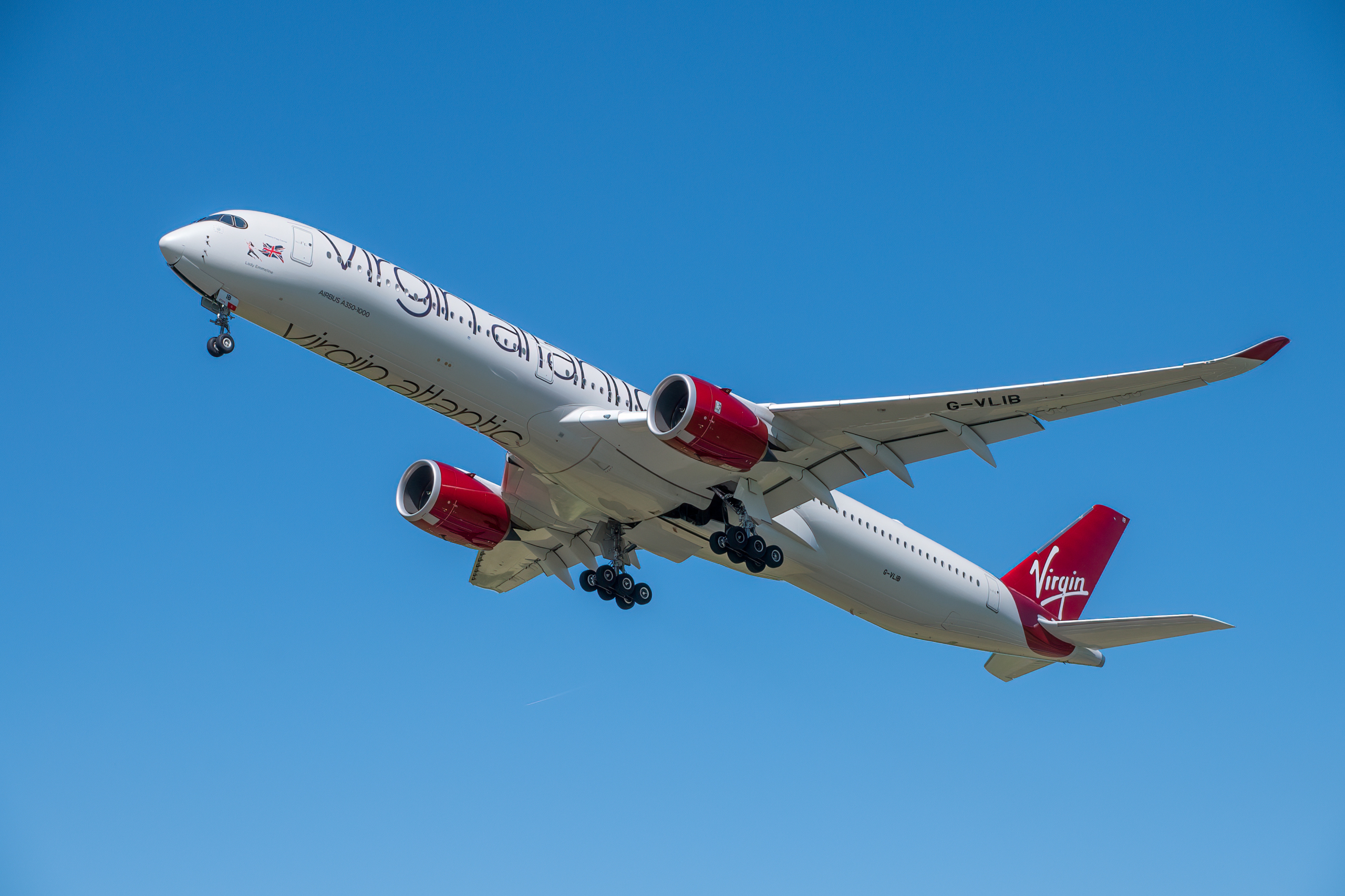
The software then provides each captain with fuel-saving goals. As part of the behaviour change concept, Signol informs captains when the vast majority of other captains at Virgin Atlantic have implemented a fuel-saving behaviour under similar conditions, therefore encouraging the captain to also implement the behaviour.
Alongside these goals, captains received regular feedback about their performance relative to these goals.
In the last 18 months, Signol and Virgin Atlantic have saved 39,433.64 mt of CO2, equivalent to 0.7% fuel burn.
AI and flight optimisation tools cut airline fuel consumption
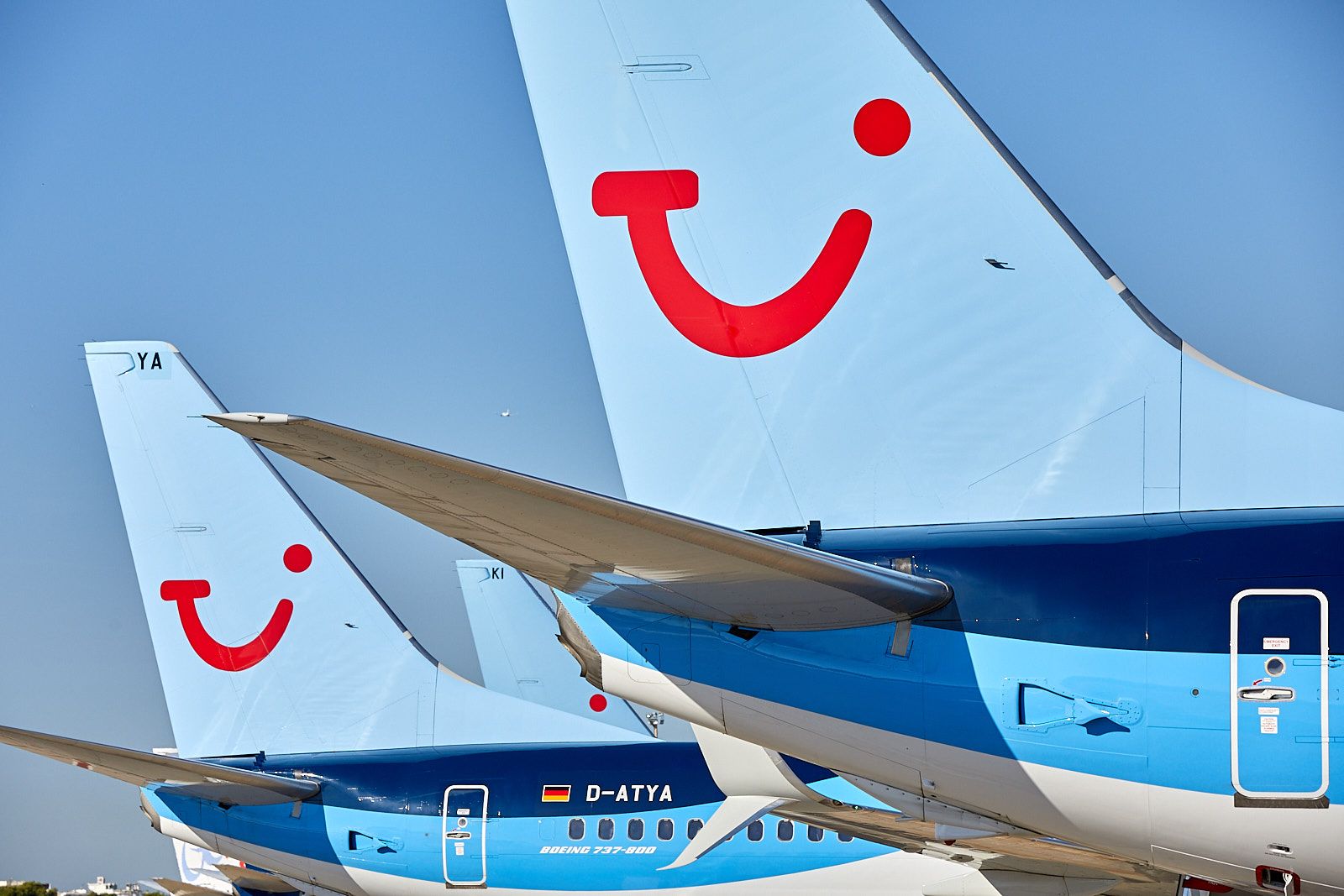
Technology also plays a central role. TUI has implemented OptiClimb from SITA, which promises to save up to 200 kg of fuel and 600 kg of CO2 per aircraft per day through a predictive analytics tool that uses machine learning to build aircraft-specific performance models.
With data from 4D weather forecasts and the operational flight plan, the model predicts fuel burn scenarios and provides pilots with customised climb speeds and acceleration levels specific to each flight.
Elsewhere, NASA has been advancing a wing-flow technology that studies suggest could reduce fuel burn by as much as 10% on large airliners.
Engineers at NASA’s Armstrong Flight Research Center in California recently completed a high-speed taxi test of the Crossflow Attenuated Natural Laminar Flow (CATNLF) concept, using an F-15B research aircraft as a flying laboratory.
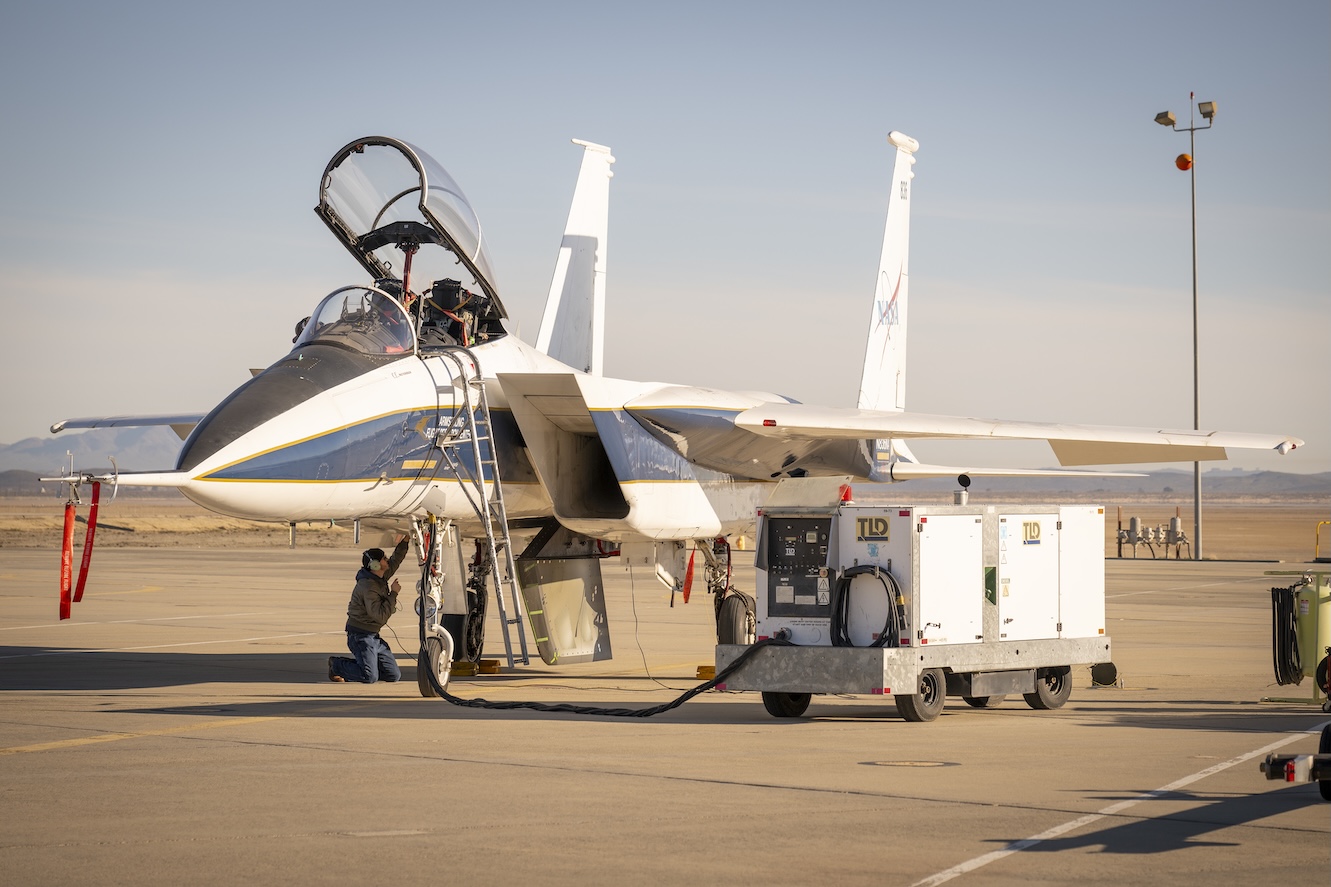
Previous NASA computational studies indicate that, if successfully applied to a widebody aircraft such as a Boeing 777, the technology could deliver annual fuel savings amounting to millions of dollars per aircraft.
Featured image: robin | stock.adobe.com