Bombardier Challenger 600 private jet crashes while taking off from Bangor International Airport

January 26, 2026
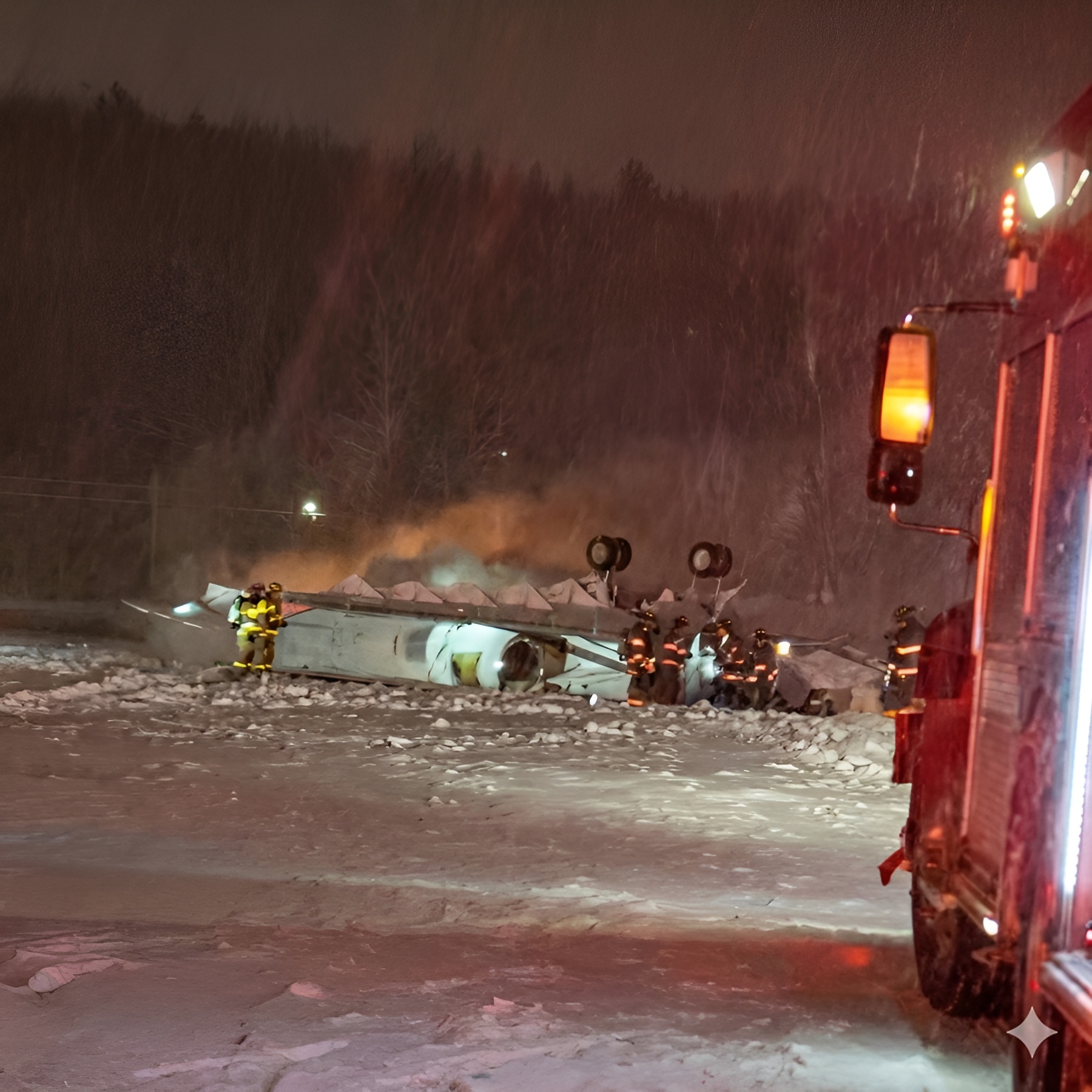
A private jet has crashed while attempting to take off from Bangor Airport in Maine. The aircraft, a Bombardier Challenger 600, was taking off at around 19:45 on Sunday when the crash occurred.
The incident came as much of the East Coast was experiencing a severe winter storm, with thousands of commercial flights cancelled and conditions across the region treacherous.
Initial reports suggest there were eight people on board at the time of the crash. It’s not known how many were crew and how many passengers.
What we know about the Bombardier private jet crash so far
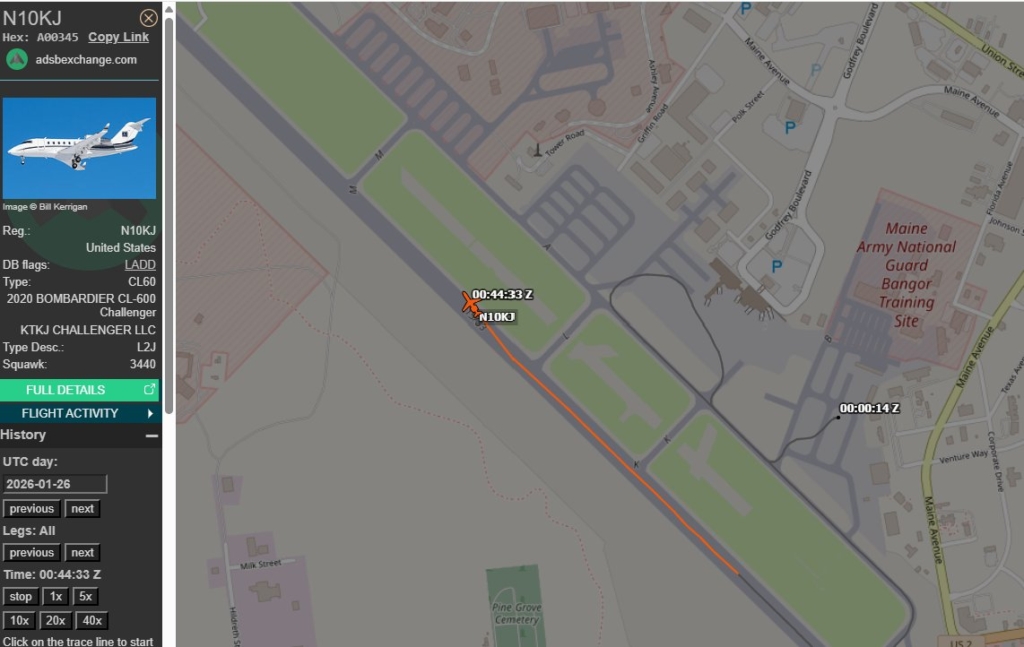
The aircraft involved carries tail number N10KJ, and is just five years old. It is registered to KTKJ CHALLENGER LLC, which shares a registered address with Houston law firm Arnold & Itkin.
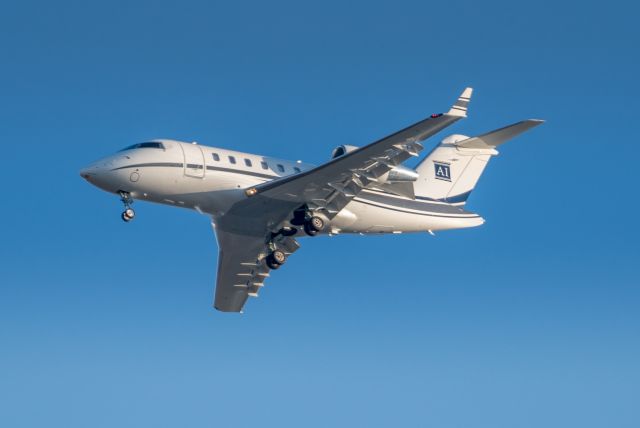 |
| Photo Courtesy of FlightAware.com |
The aircraft had flown in from Houston just after 18:00 yesterday and was ready to depart Bangor less than two hours later. The takeoff roll proceeded normally, with the jet hitting 175 miles an hour before abruptly coming to a halt.
Air traffic control spotted the aircraft upside down and in flames on the side of the runway.
Emergency responders attended the scene swiftly, and the airport remains closed. Bangor International Airport issued a statement which reads:
Emergency crews are responding to an incident involving an aircraft at Bangor International Airport that occurred at approximately 7:45 p.m. on Sunday.
The airport is closed and we ask that the public avoid the area. There have been flight cancellations and passengers are encouraged to contact their airlines for information regarding impacts to their travel plans.
A Bombardier Challenger 600 crashed as it was taking off from Bangor International Airport in Maine around 7:45 p.m local time on Sunday, Jan. 25. Eight people were on board. The FAA and NTSB will investigate.
— The FAA ✈️ (@FAANews) January 26, 2026
This information is preliminary and subject to change.
There has so far been no update on the condition of those on board, nor confirmation of who was flying. The FAA and NTSB are investigating.
The Bombardier Challenger does not perform well with any amount of icing
The Bombardier Challenger’s susceptibility to any amount of wing icing is rooted in its wing design and performance margins at take-off.
The Challenger family uses a relatively clean, swept wing with no leading-edge slats or Krueger flaps, relying instead on an aerodynamically smooth leading edge to generate lift efficiently at high altitude and long range.
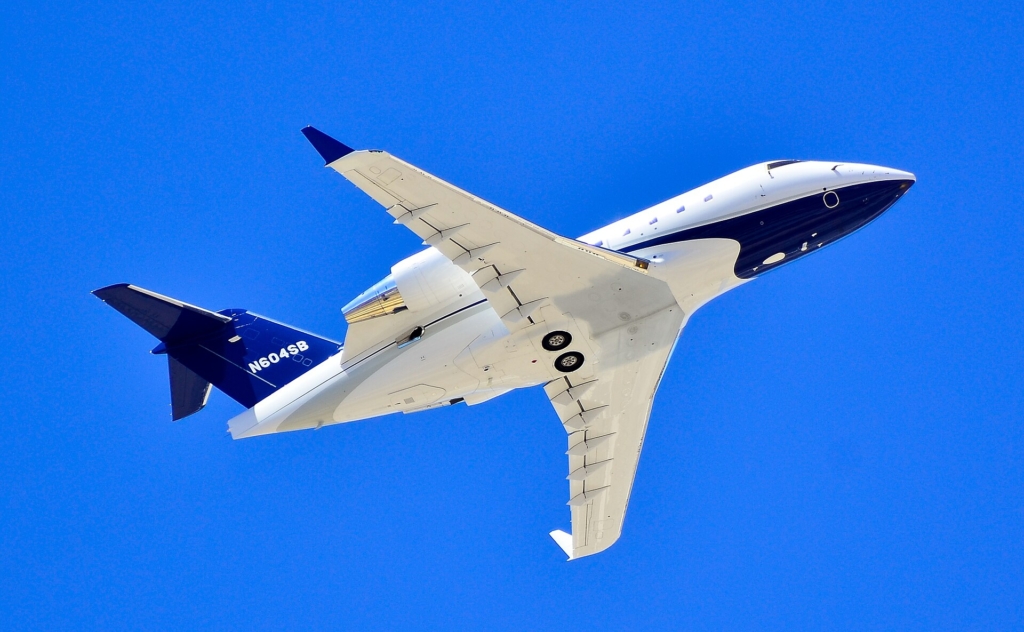
That design delivers excellent cruise performance, but it comes with a critical trade-off: the wing is extremely sensitive to surface contamination.
Even a thin layer of ice or frost on the leading edge can disrupt airflow, reduce maximum lift, and sharply increase stall speed. Certification data and accident history have shown that what might look like “minor” contamination on the ground can translate into a major loss of lift and controllability just seconds after rotation.
In winter conditions like those associated with Winter Storm Fern, this sensitivity becomes especially dangerous. Take-off calculations for the Challenger assume a completely clean wing, and icing invalidates those assumptions immediately.
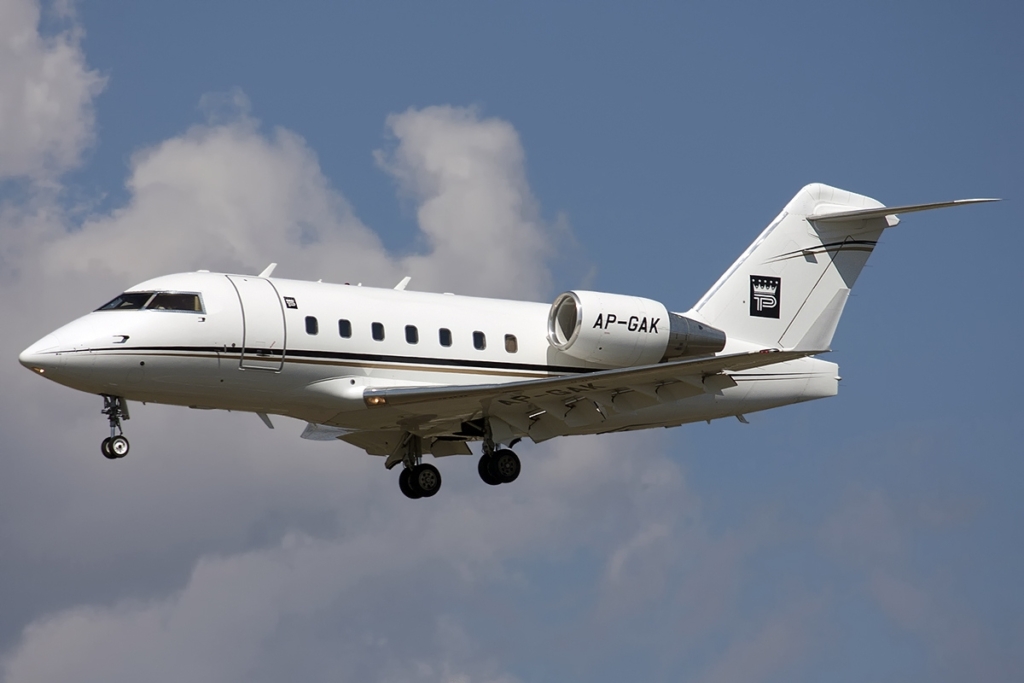
With reduced lift, the aircraft may struggle to rotate, lift off but fail to climb, or experience an abrupt stall at very low altitude, where recovery is effectively impossible. Unlike aircraft equipped with leading-edge devices that can partially re-energise airflow and provide some tolerance to contamination, the Challenger has no aerodynamic safety net once ice is present.
That’s why operators and regulators treat icing on the Challenger as an absolute no-go condition, not a judgment call, particularly during severe winter weather when de-icing effectiveness, holdover times, and rapidly changing conditions can all conspire to erode already narrow margins.
Previous incidents with the Bombardier Challenger linked to icing conditions
Other accidents involving the Bombardier Challenger have been linked to adverse weather conditions and, in particular, icing.
The most notable example was a Bombardier Challenger 604 crash at Birmingham Airport in the UK on 4 January 2002. During take-off, the aircraft became uncontrollable and rolled sharply, crashing within the airport perimeter.
The UK Air Accidents Investigation Branch (AAIB) concluded that frost contamination of the wing had reduced the wing’s stall angle and resulted in an early aerodynamic stall, despite it being visually light enough that the crew did not consider it critical. All five occupants were killed.
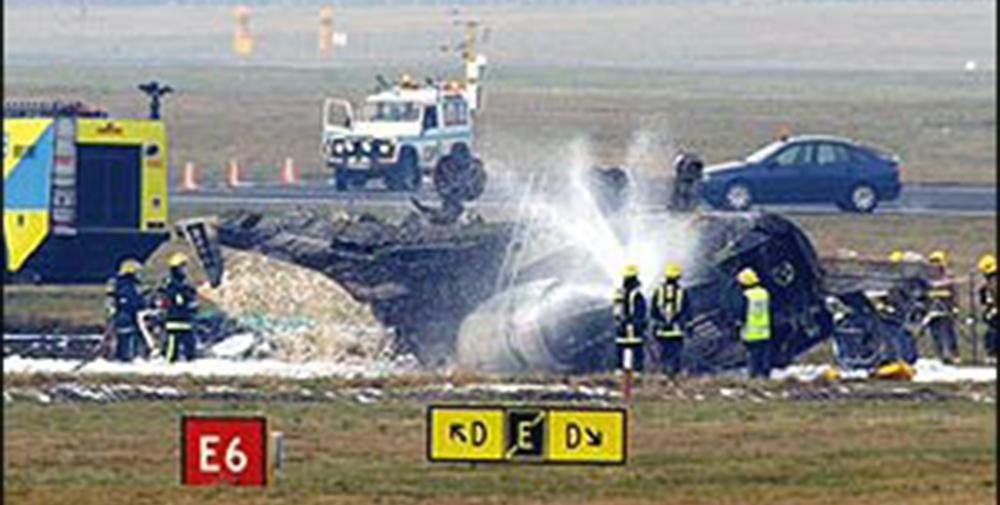
Investigators highlighted that even what was thought to be “polished frost” could disrupt airflow and was not acceptable for take-off contamination
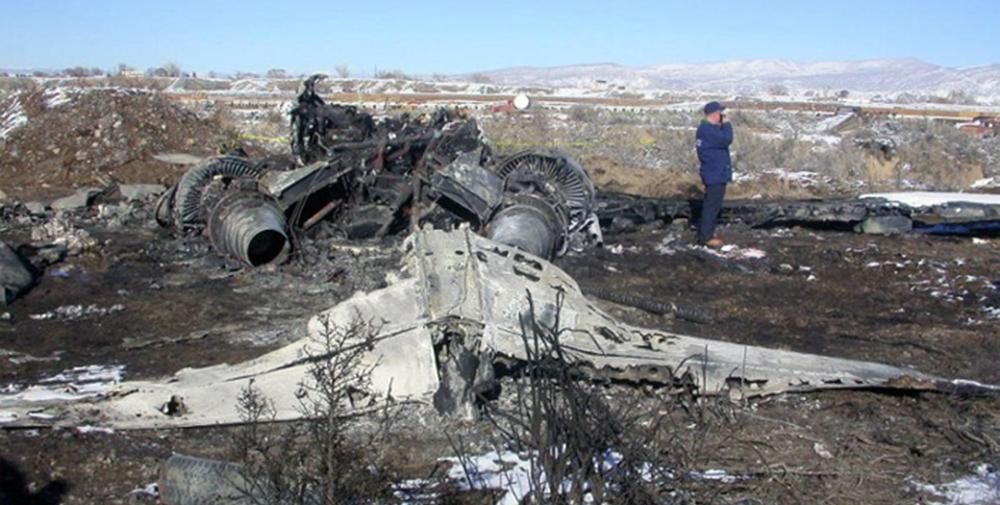
Another documented case was a Challenger 600 crash on 28 November 2004 near Montrose, Colorado, where the NTSB found trace icing on the wings even though pilots had visually inspected them before departure.
The Board’s accident brief noted that such trace contamination—sometimes invisible to the naked eye—can be enough to compromise lift and control during the critical take-off phase.
There is, so far, no confirmation that a similar issue affected the private jet that crashed in Maine this weekend. However, with extreme winter weather shutting down large parts of the region and prompting thousands of commercial flight cancellations, investigators are likely to examine whether the aircraft’s de-icing status and any possible wing contamination played a role in the accident.