Trump threatens to ground Bombardier business jets: Can he actually do it?

January 30, 2026
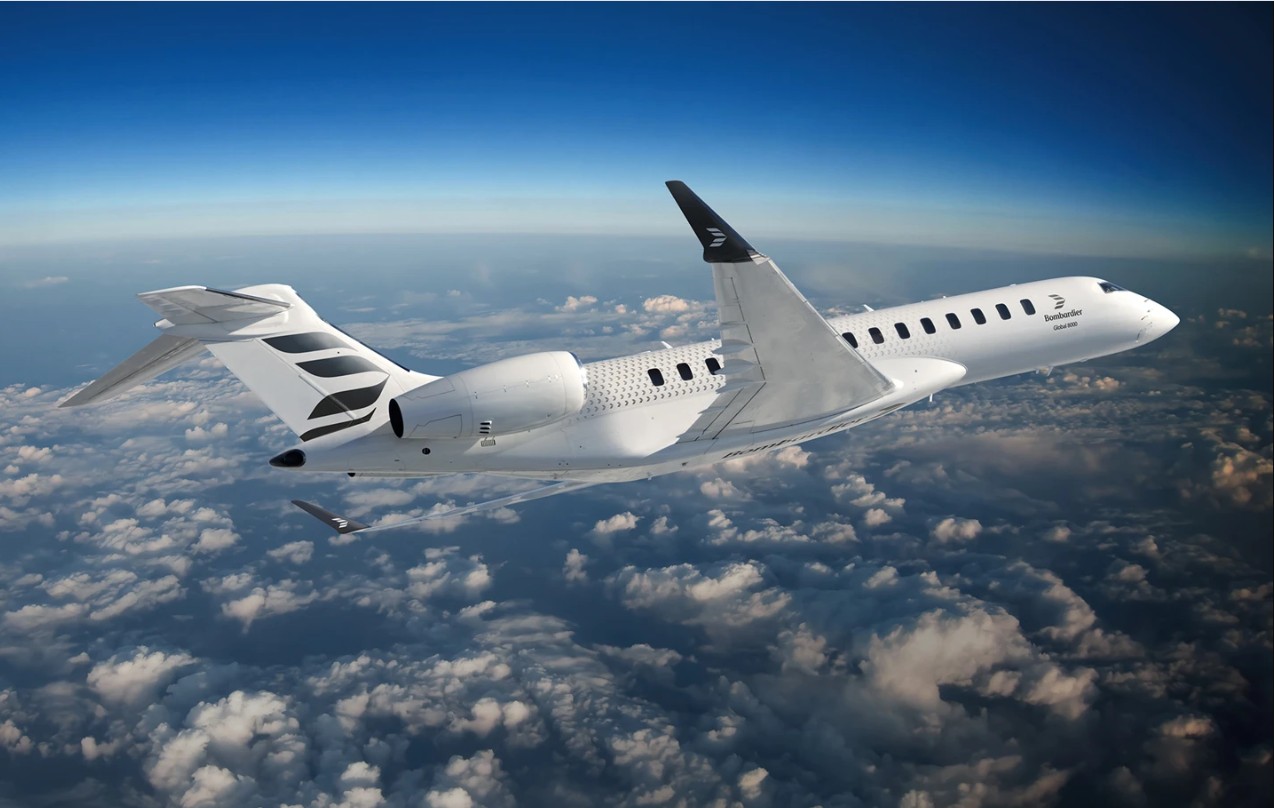
President Donald Trump has threatened to withdraw FAA certification for Bombardier business jets in retaliation for Canada’s failure to certify several Gulfstream aircraft.
He has framed the issue as unfair treatment of a US manufacturer and suggested that Bombardier’s Global series could be “decertified” unless Transport Canada acts.
However, it is not realistic for a US President to revoke FAA type certification for an aircraft on trade or political grounds. Certification decisions sit with the regulator, not the White House, and they are grounded in safety law, not reciprocity disputes.
That does not mean the episode is harmless, but it does mean the threat is far more limited in practice than the rhetoric suggests.
Trump threatens FAA action against Bombardier over Gulfstream certification delays
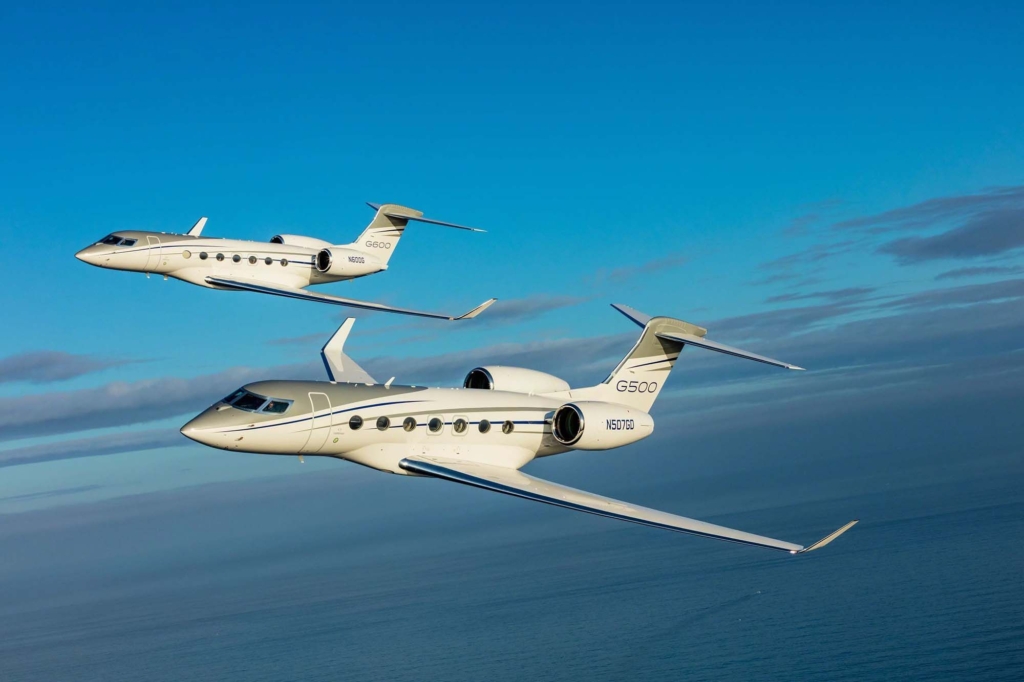
Trump’s comments centre on the fact that Transport Canada has not yet certified the Gulfstream G500, G600, G700 and G800.
The G500 and G600 were FAA-certified in 2018 and 2019 and later approved by EASA, but neither has been certified in Canada. The G700 gained FAA approval in March 2024 and multiple international validations, again excluding Canada, while the G800 received FAA and EASA certification in April 2025, also without Canadian sign-off.

In response, Trump has said he would withdraw FAA certification for Bombardier business jets, while separately signalling plans to impose steep tariffs on Canadian-built aircraft sold into the US.
Bombardier said it was aware of the President’s comments, confirmed it was engaging with the Canadian government, and emphasised that its aircraft are fully certified by the FAA and supported by a substantial US industrial footprint.
Gulfstream, meanwhile, has not issued a public statement on the dispute or on the status of Canadian certification for its latest business jets.
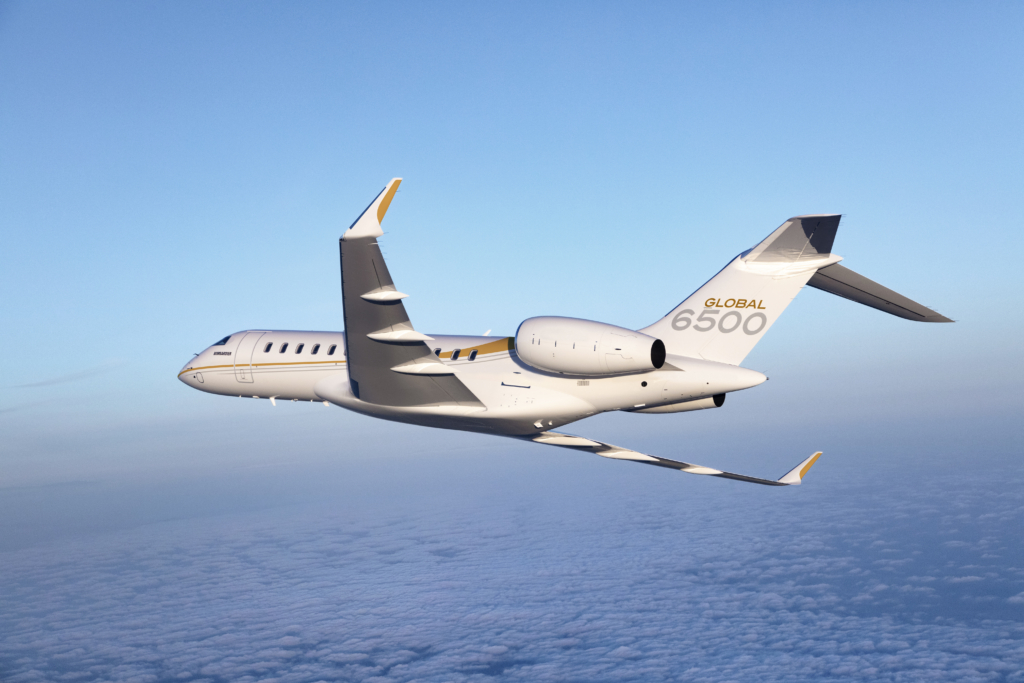
Markets reacted quickly. Bombardier’s share price fell sharply following the remarks, reflecting concern not that aircraft would suddenly be grounded, but that political risk had been injected into sales campaigns, financing and residual values.
Even when legal outcomes are unlikely, uncertainty alone can be damaging in the business aviation market.
Who controls FAA certification, and how much power does a US President have?
The Federal Aviation Administration is an independent safety regulator operating under US aviation law. While the FAA Administrator is a presidential appointee, certification decisions are governed by statute and regulation, not executive instruction.
In simple terms:
- Only the FAA can issue, suspend or revoke a type certificate
- Certificate action must be based on safety findings, compliance failures or airworthiness concerns
- Trade disputes or diplomatic pressure are not valid grounds for revoking certification
A President can influence the FAA indirectly, through appointments, budget priorities and political pressure, but cannot lawfully order the regulator to withdraw a type certificate simply to gain leverage in a trade row.
This separation exists for a reason. Using certification as a political tool would undermine trust in the FAA globally and invite retaliation against US-built aircraft abroad, including those produced by Boeing and Gulfstream themselves.
Has the FAA ever removed an aircraft’s type certificate?
Complete revocation of an aircraft type certificate is extraordinarily rare. In modern aviation regulation, it is almost unheard of outside cases of fraud, irredeemable non-compliance or total programme collapse.
What regulators do far more often is suspend operations or impose restrictions, while the underlying type certificate remains in place.
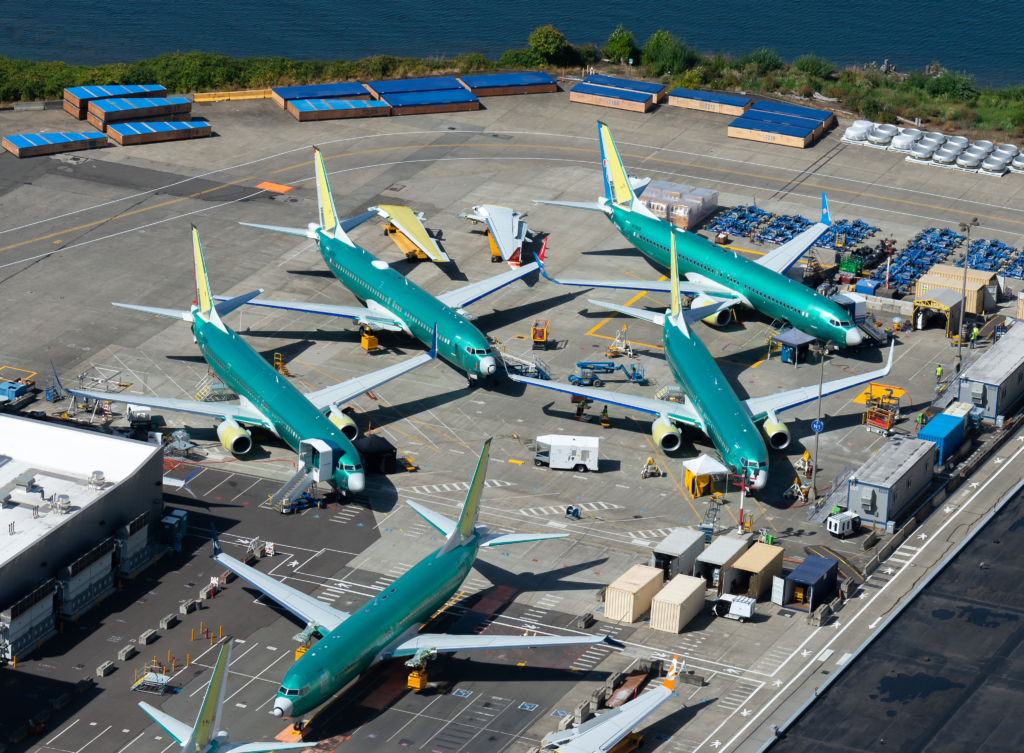
The clearest recent example is the Boeing 737 MAX, where the FAA suspended flight operations worldwide following two fatal accidents. The aircraft was grounded, additional requirements were imposed, and certification assumptions were revisited, but the type certificate itself was not revoked.
This distinction matters. Groundings, airworthiness directives and operational bans are powerful tools, but they are very different from erasing a type certificate entirely. The latter would be legally extreme, operationally chaotic, and almost certain to trigger immediate court action.
Why Transport Canada is slow to certify Gulfstream business jets
Transport Canada has a long-standing reputation for lengthy validation timelines, particularly for foreign-built aircraft. Canadian certification places heavy emphasis on:
- cold-weather operations
- icing performance
- contaminated runway performance
- local compliance findings beyond FAA or EASA baselines
Resourcing constraints within Transport Canada’s certification branch have also contributed to delays.
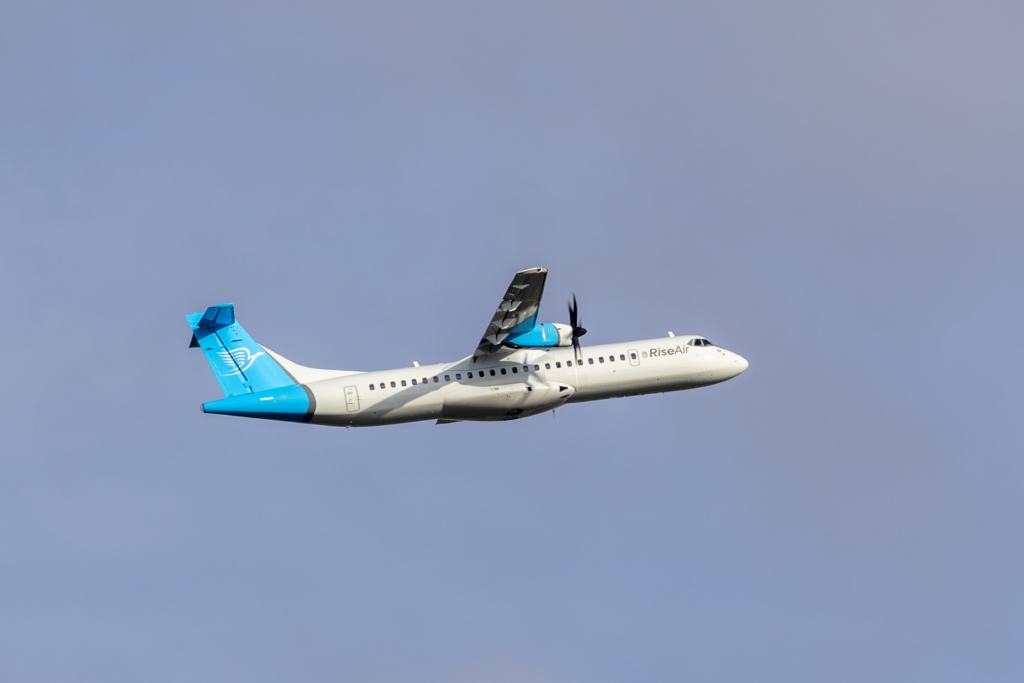
A useful point of context is the ATR 72-600, a mainstream regional turboprop that entered service globally in 2011 but was only certified by Transport Canada in late 2025. That delay does not imply a safety defect, but it does illustrate how slowly the Canadian system can move, even on mature, widely operated aircraft.
Against that backdrop, multi-year delays in certifying Gulfstream’s latest business jets, while frustrating for manufacturers and operators, are not out of character for the regulator and do not automatically point to political obstruction.
Bombardier’s certificates are probably safe, but its business is not
It remains highly unlikely that Bombardier will see FAA type certificates withdrawn for existing business jet models. The legal threshold is high, the precedent is weak, and the institutional resistance within the US aviation system would be significant.
However, the episode still carries consequences. Bombardier’s share price reaction shows how quickly political rhetoric can affect confidence, even when regulatory fundamentals are unchanged. Prospective buyers, financiers and lessors are acutely sensitive to headline risk.
Tariffs are a far more plausible lever than certification, and Trump has explicitly threatened them. Unlike FAA certification, trade policy sits squarely within presidential authority. Even without touching the FAA, tariffs alone could make Bombardier aircraft less competitive in the US market and distort buying decisions.
In short, the threat to certification may be unrealistic, but the broader commercial fallout is not.
Featured image: Bombardier