Avelo Airlines’ decision to end controversial ICE deportation flights “not political”

January 8, 2026

US-based low-cost carrier Avelo Airlines has said it will stop flying deportation charters on behalf of the US Department of Homeland Security (DHS), ending its service for Immigration and Customs Enforcement (ICE) after just nine months.
Since announcing its tie-up with the DHS back in April 2025, in a move that was designed to bolster the airline’s financial position, the carrier has faced protests and objections from a range of parties, including passengers, flight crew unions, activist groups and politicians.
The airline has also faced a boycott from customers in the US state of Delaware, one of its most lucrative and busiest hub states.
Avelo Airlines to withdraw from the ICE deportation market
On 6 January, Avelo Airlines announced a raft of changes to its route structure and passenger fleet to consolidate its financial position following the securing of additional financing. It now appears that those plans will also include the dropping of all ICE deportation flights operated by the carrier on behalf of the DHS.
In April 2025, the carrier announced that it had signed a long-term contract with CSI Aviation, the US government agency that organises the logistics behind all ICE flights.
Upon the announcement that Avelo would be operating the DHS-sponsored deportation flights, the airline established a standalone base at Mesa Gateway Airport (AZA) and dedicated three of its 14 Boeing 737-800s to the operation. On 12 May, the first Avelo-operated flights departed from Mesa.
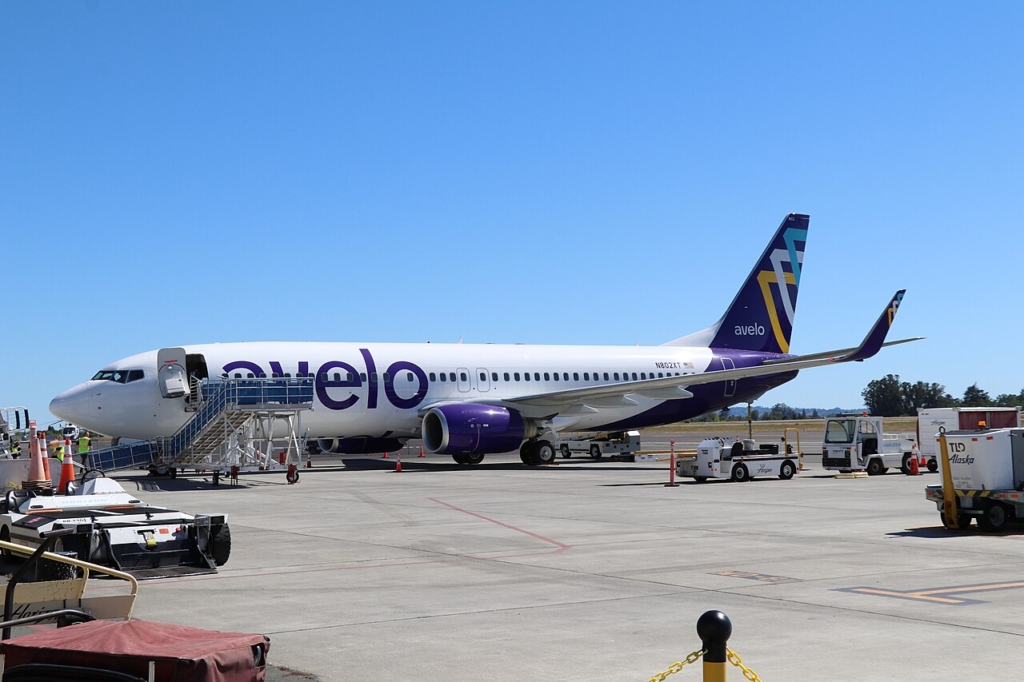
When the ICE flights were first announced in April 2025, the airline’s CEO, Andrew Levy, acknowledged the importance of the operation to both Avelo and its financial position. However, he also acknowledged the delicate nature of the operation into which it was entering.
“We realise this is a sensitive and complicated topic,” Levy said in a statement last year. “After significant deliberations, we determined this charter flying will provide us with the stability to continue expanding our core scheduled passenger service and keep our more than 1,100 crewmembers employed for years to come.”
Avelo withdraws after just nine months of flights
However, with less than a year of ICE flying under its belt and having faced nine months of protests and boycotts, the airline appears to have made a 180-degree turn on its decision to begin the flights last year and is terminating its deal with the Trump administration.
Responding to inquiries made by the Spotlight Delaware publication, Avelo Airlines’ spokesperson Courtney Goff said operating the ICE flights had provided short-term benefits but ultimately had not delivered enough consistent and predictable revenue to overcome its operational complexity and costs.
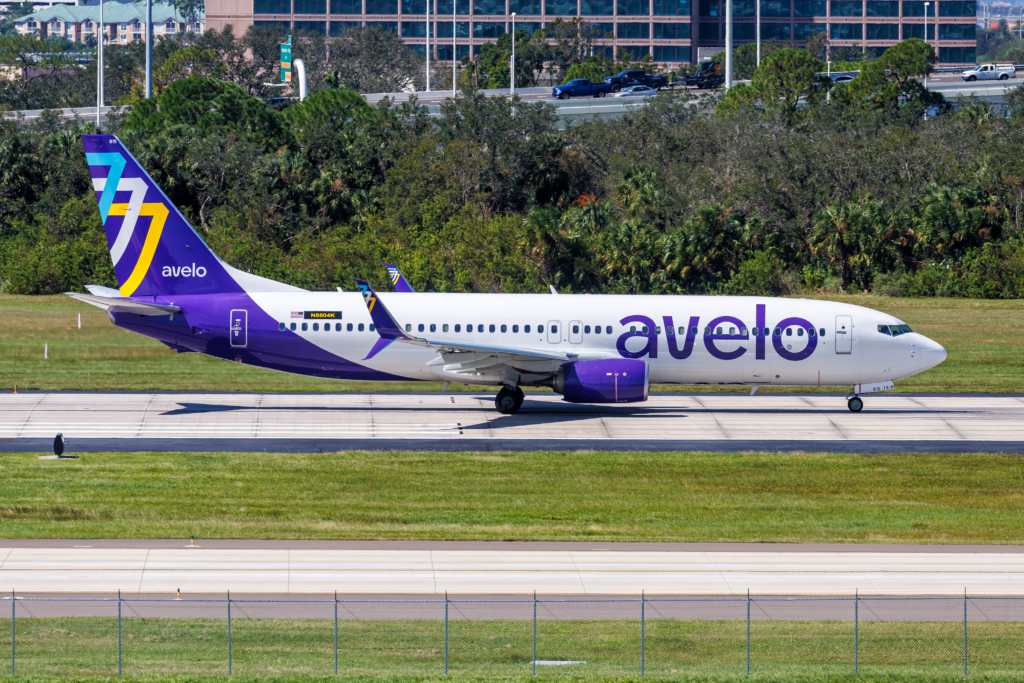
Goff added that she could not say exactly when the company will cease ICE flights because CSI Aviation, the government contractor that manages them, “will determine the timeline.” However, local media outlets in Mesa have reported that Avelo has already indicated that the Mesa base will close on 27 January, with no further flights planned to depart after that.
Economic reasons behind the withdrawal, insists Avelo
While the DHS contract was clearly too lucrative for Avelo to turn down when presented with it in April 2025, the downsides to accepting the contract were underestimated by the airline.
In addition to the vocal opposition to operating the flights, the airline had to dedicate aircraft, crews, engineers and ground staff to the operation – all at an autonomous base to the rest of the Avelo network and likely to have been at considerable cost.
Despite the uproar that has been caused by the airline’s dalliance in the deportation programme over the past year, Avelo rejected that its withdrawal from the sector was politically driven, stating that economic factors were behind it.
The airline said that both the protests and the “widespread misinformation” about the airline had not affected the carrier’s popularity or passenger loads elsewhere across its network.
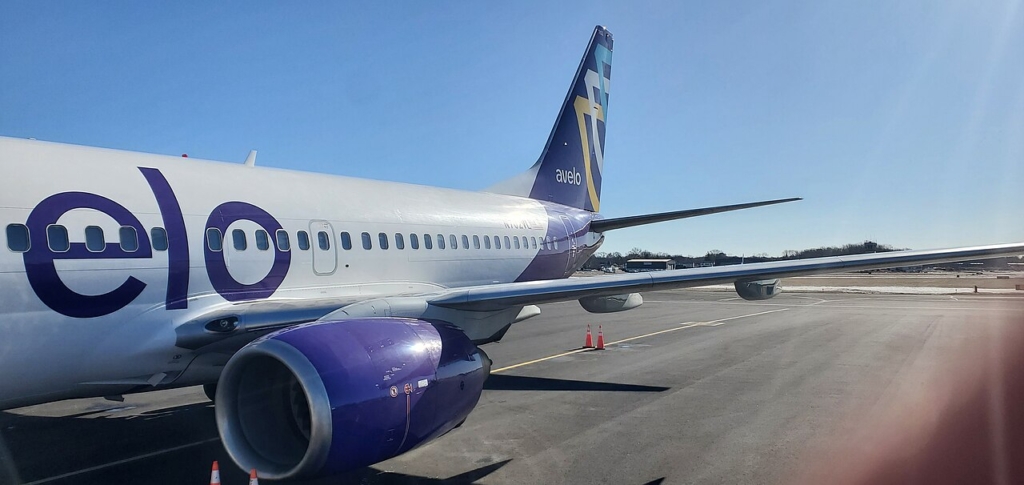
As reported by the Washington Post, in an announcement about the closure of the Mesa base and the cessation of all ICE flights by Avelo Airlines, the Association of Flight Attendants-CWA, which represents flight attendants employed by Avelo, addressed the volatile and divisive nature of the ICE flights aviation industry, which included employees working on flights they “hadn’t originally sign up for.”
“We’re hopeful that with the end of the ICE flying and new financing, the future is more stable for flight attendants at Avelo,” the union said in its statement.
Avelo’s spokesperson, Courtney Goff, added that Avelo flew a record 2.6 million passengers on scheduled commercial flights, a figure that was up over 11% versus the previous year.
The move comes as Avelo announced a series of changes to its route network that would see several bases close and six older Boeing 737-700 aircraft leave the fleet. As reported by Aerospace Global News, the cuts come as the airline prepares to accept delivery of up to 100 Embraer E195-E2 regional jets to transform its fleet and operations in the coming years.
What is next for the ICE deportation flights?
At the time of writing, the DHS had not yet made any official statement regarding Avelo’s decision to cease operating ICE flights. Neither had it made any statement as to how the agency intends to fill the gap for ICE flights left by the carrier.
Given the sensitive nature of operating deportation flights, many commentators were surprised by Avelo openly announcing its participation in the ICE programme in April last year.
Other carriers that have been engaged in such activities in the past have generally tended to keep a low profile in an attempt to avoid the public ire that Avelo has drawn over the past nine months.
Avelo’s decision to go public over the matter appears to have backfired, with the company now retreating from the programme quickly and quietly, with little fanfare.
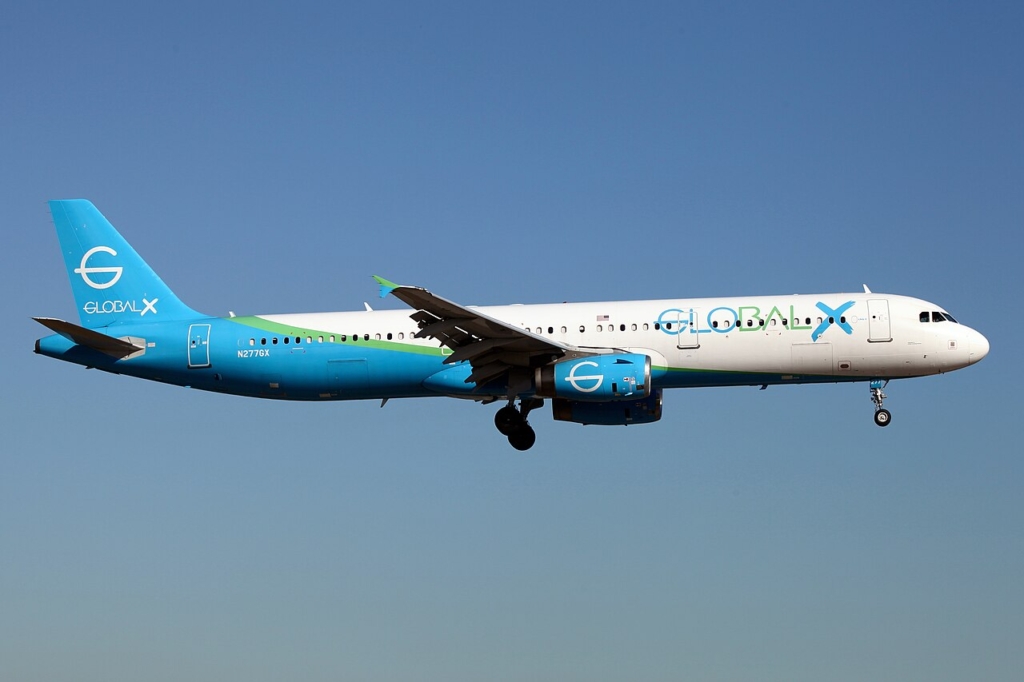
Global Crossing Airlines, a US-based charter airline trading as Global X, is known to be a major subcontractor for CSI Aviation. Over half of GlobalX’s revenue in 2025 is believed to have come from its ICE contract.
Between late January and early May 2025, analysis showed that GlobalX performed over 1,700 deportation flights, moving more than 44,000 immigrants,
Additionally, in December 2025, the DHS announced it was acquiring six Boeing 737 MAX aircraft under a $140 million contract for operating deportation flights.
That contract, which was made with third-party supplier Daedalus Aviation, could be used to fill the gap left by Avelo, although it remains unclear as to when the six aircraft would be delivered to DHS.
Featured image: Robin / stock.adobe.com




![NASA's X-59 Quesst [registration N859NA '859'] is seen in-flight over California during the experimental supersonic aircraft's brief second test sortie on 21 March 2026. Image: NASA/Jim Ross](https://aerospaceglobalnews.com/wp-content/uploads/2026/03/X-59-Second-Flight-21-03-26-NASA-Jim-Ross-crop-scaled-640x0-c-default.jpg)