Airlines reject more than half of UK passengers’ valid compensation claims

December 18, 2025
More than half of UK passengers’ valid flight compensation claims are being wrongly rejected by airlines, according to new analysis from air-passenger rights organisation AirHelp, raising fresh concerns about how disruption compensation rules are applied in practice.
AirHelp’s 2024 data shows that 52% of legitimate compensation claims are rejected at the first response, even when passengers meet all the legal criteria under UK and EU air passenger rights regulations. The findings suggest that airlines are denying more valid claims than they approve, potentially leaving millions of travellers out of pocket.
Under UK and EU law, passengers may be entitled to compensation of up to £520 per person for long delays, cancellations, or denied boarding, depending on flight length and circumstances. However, consumer advocates say many passengers abandon their claims after an initial rejection, believing the airline’s decision is final.
Airlines’ most common reasons for rejecting claims
According to AirHelp, a “wrongful rejection” occurs when an airline denies compensation to a legally eligible passenger.
The organisation’s analysis identified several recurring reasons airlines give when dismissing claims:
- 26% – No response at all, with passengers left without any reply
- 21% – Weather-related reasons, despite no evidence of adverse conditions
- 13% – Refusal to accept passenger documentation
- 9% – Air traffic control disruptions cited without supporting proof
- 8% – No reason provided whatsoever
Consumer groups warn that such responses can discourage passengers from pursuing claims further, even when they remain legally entitled to compensation.
UK passengers have experienced a 40% rise in flight disruption and airlines are not responding quickly
According to CMAC Group, UK passengers have experienced record levels of flight disruptions, with three out of four travellers experiencing a delay or cancellation this year. A survey of 1,100 UK travellers, conducted in September 2025, found that disruption had increased by 40% since 2023.
“Disruption is rising. Left to manual solutions, it impacts passengers, operations and EU261 costs — causing lasting damage to airline brands and bottom lines,” Peter Slater, CEO of CMAC Group, said. Slater emphasised that airlines should “meet the challenge with speed, transparency and care” to strengthen brand loyalty.
CMAC Group’s report showed that 74% of passengers expect airlines to respond to disruption within an hour, and nearly 50% expect a response within 30 minutes. Still, only 18% receive an update from airlines within that timeframe, and one in five travellers get no communication from the airline at all.
Passengers wrongly assume airline rejection is the end of the road
Eric Napoli, Chief Legal Officer at AirHelp, said the company’s findings highlight a significant imbalance between airlines and passengers in the enforcement of compensation rights.
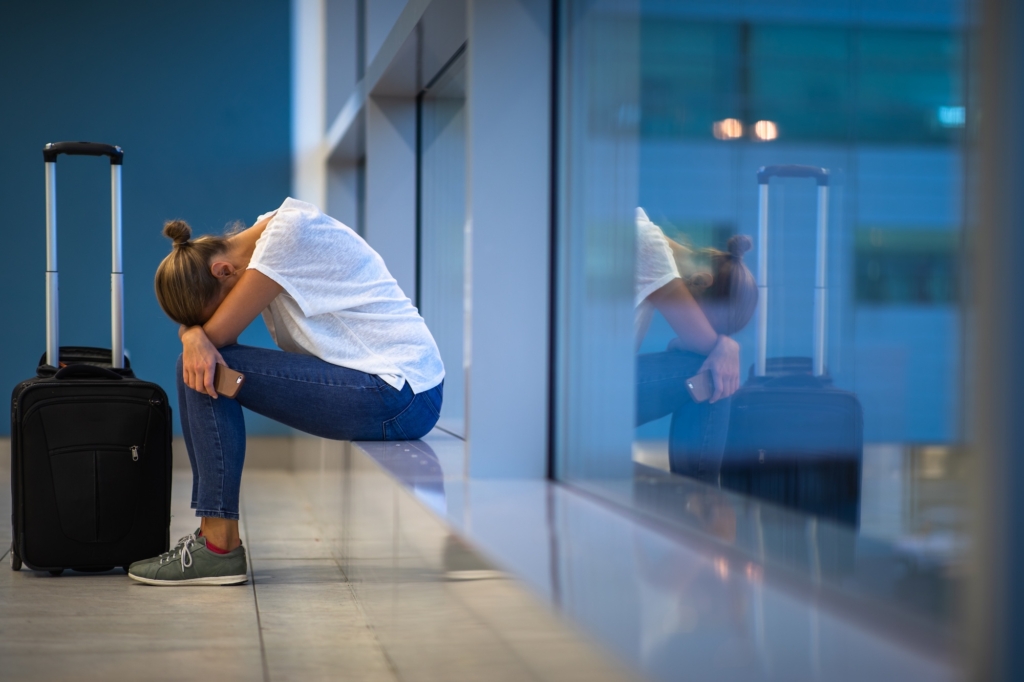
“This data shows that airlines are rejecting more valid claims than they approve, often without evidence or explanation,” Napoli said. “Many passengers walk away thinking they have no choice but to trust whatever the airline tells them, when in fact they’re legally owed hundreds of pounds.”
Napoli added that airlines often assume passengers will not challenge a rejection or escalate their claim to an independent body.
Airlines are not the final authority on compensation
Under UK and EU regulations, airlines are not the final arbiters of whether compensation is owed. Passengers can escalate rejected claims through alternative dispute resolution schemes, national enforcement bodies, or legal channels.
AirHelp said its platform is designed to help passengers understand whether they may be entitled to compensation and how much they could be owed. The company claims it has helped more than three million passengers recover compensation from airlines by challenging wrongful rejections.
As air travel disruptions continue to affect millions of passengers each year, consumer advocates say more transparent communication, stronger enforcement, and greater passenger awareness are needed to ensure airlines comply with existing compensation rules.
Featured Image: Alina Rosanova | stock.adobe.com