


How do airlines get their call signs?

3 min read
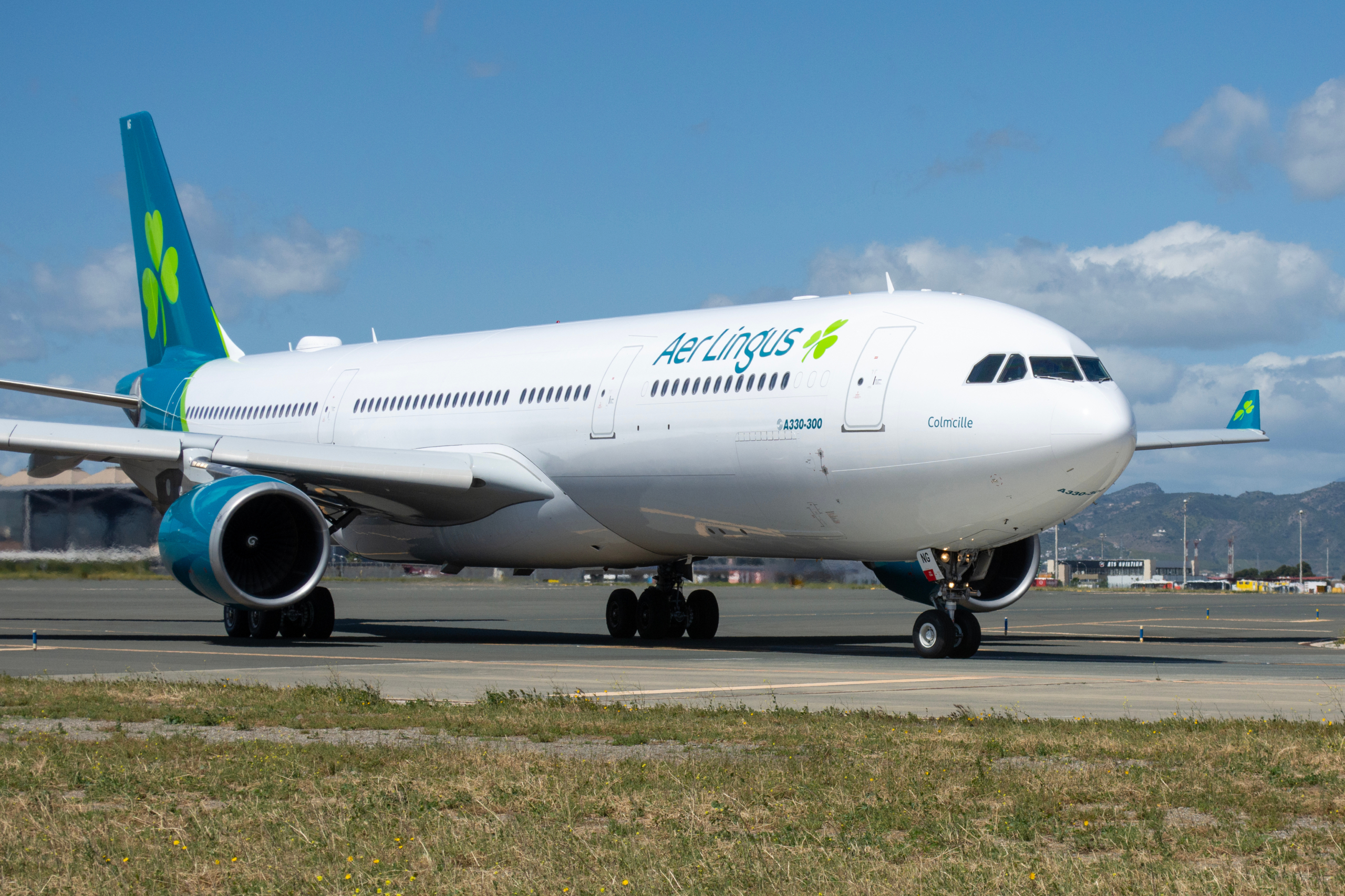
They’re one of those behind-the-scenes details that most people never really notice. But every day, pilots and air traffic controllers rely on airline call signs to keep flights running safely and smoothly.
What is an airline call sign?
An airline call sign is the spoken name used by pilots and air traffic controllers during radio communications. Rather than using a full airline name or a flight number alone, call signs provide a clear, standardised way to identify each aircraft in the air.
For example, “Speedbird one two three” immediately identifies a British Airways flight, reducing the risk of miscommunication in busy airspace.
Call signs are especially important when many different airlines operate the same routes or share similar flight numbers. Clear audio recognition can prevent expensive and potentially dangerous misunderstandings.
Call signs vs airline codes: what’s the difference?
Airlines actually use several identifiers at once. Passengers are most familiar with two-letter IATA codes such as BA for British Airways or AF for Air France. These are mainly used for ticketing and schedules.
Operationally, airlines rely on a three-letter International Civil Aviation Organization (ICAO) airline designator and a telephony call sign. The ICAO code appears in flight plans and air traffic systems, while the telephony call sign is spoken over the radio.
Both are assigned together and must be globally unique.
Who assigns airline call signs?
The ICAO is responsible for approving airline call signs worldwide. When an airline launches, it submits a proposed telephony designator to ICAO for review. Safety, as always, is the primary concern.
ICAO then looks at whether a call sign is easy to pronounce, clearly understood in international English and unlikely to be confused with another airline, aircraft registration or standard ATC phrase.
If a proposed call sign sounds too much like an existing one, especially in the same geographic region, it will be rejected or modified.
Why do some call signs sound unusual?
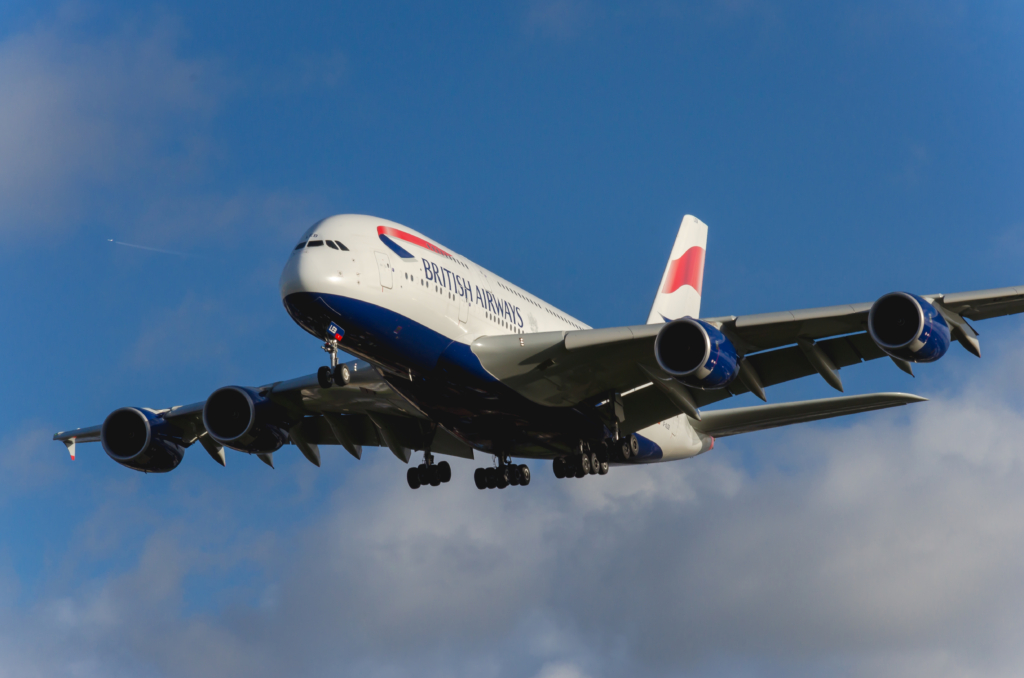
Many airline call signs reflect national identity, corporate heritage or historical branding. British Airways’ iconic “Speedbird” originates from the emblem used by one of its predecessor airlines, BOAC.
Aer Lingus uses “Shamrock”, reinforcing its Irish identity, while South African Airways operates as “Springbok”.
Other airlines use their name directly if it is considered distinctive enough for radio use. Qantas, Emirates and Virgin Atlantic all fall into this category, relying on consistent pronunciation instead of a symbolic phrase.
Changing and retiring airline call signs
Call signs sometimes change over time. Airlines may rename their call signs following mergers, rebranding exercises or safety reviews.
For example, in the US, America West’s “Cactus” disappeared after its merger with American Airlines, whose aircraft now use the simple “American” call sign.
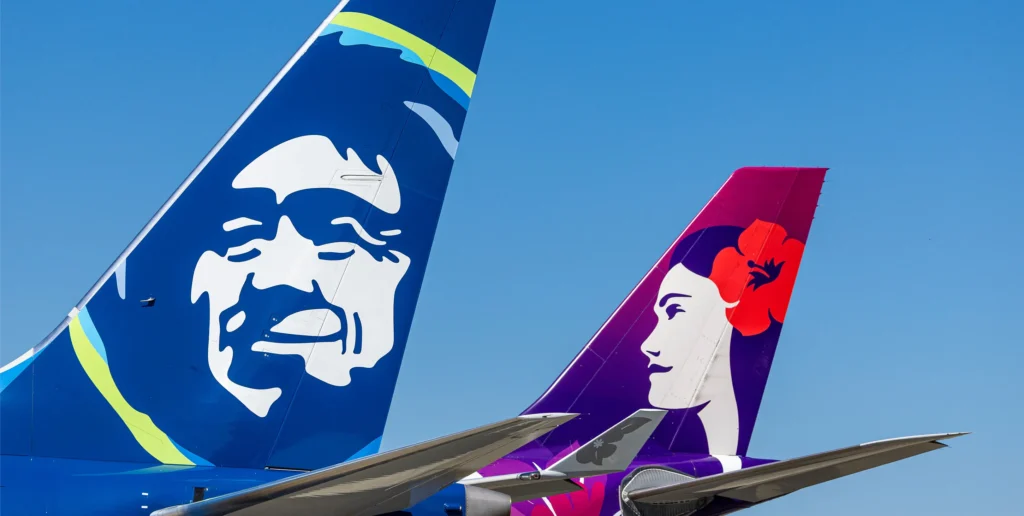
Similarly, Hawaiian Airlines – having merged with Alaska Airlines – changed its call sign to AS and retired HA. Alaska Air Group’s acquisition of Hawaiian Airlines was completed in September 2024.
When an airline ceases operations, its call sign is formally retired to avoid confusion. Historic call signs may live on among aviation enthusiasts, but they are no longer used operationally.
Why airline call signs still matter
While passengers may never hear them, call signs are fundamental to modern aviation safety. Short, distinctive and globally standardised, they help pilots and controllers manage thousands of aircraft both on the ground and in the sky.
In a system where clarity saves time and lives, the humble call sign remains an essential part of aviation’s shared language.
Featured image: alfonsosm | stock.adobe.com
Sign up for our newsletter and get our latest content in your inbox.


More from

September 13, 20264 min read

September 12, 20264 min read


