Finding the best aircraft boarding method as Southwest abandons open seating

August 26, 2025

Southwest Airlines will switch to assigned seats in eight groups beginning January 27, 2026, with seat selection already available for bookings starting on that date.
It marks a significant shift in decades of the airline’s open seating policy and calls for a fresh look at the fastest method for the airline to board its aircraft.

Efficient passenger boarding can improve aircraft turntime, optimising the day’s schedule. Some boarding methods have consistently performed better than others.
What aircraft boarding methods work best?
Boarding by rows, starting from the front of the aircraft, has proven inefficient, as it creates immediate passenger blockage in the aisles.
Starting from the back of the plane is better, but there are still issues with passengers crowding to load their bags in the overhead bins and crossing over each other to get to their seats.
For example, when an aisle passenger has already been seated and needs to rise to let in a window or middle seat passenger, an aisle blockage occurs, hindering the rest of the boarding passengers.
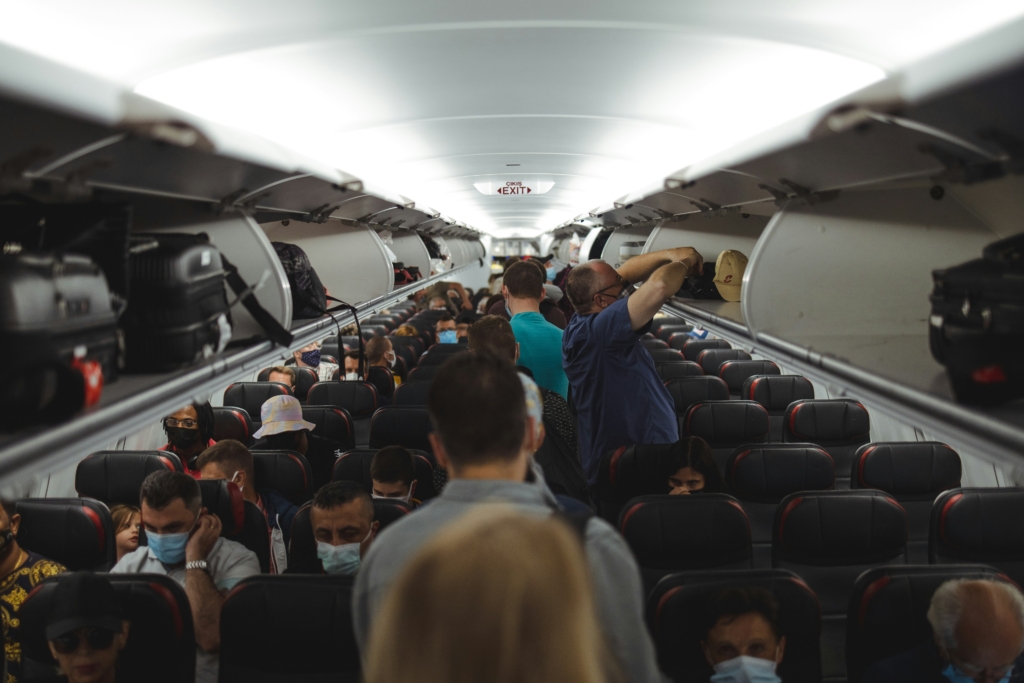
Boarding outside-in resolves the issue of passengers crossing over. United has successfully adopted a Window-Middle-Aisle (WILMA) boarding procedure that reportedly cuts up to two minutes from the boarding process per flight. While two minutes individually might not seem much, they add up during the day’s schedule.
In 2003, America West pioneered a “reverse pyramid” boarding process, which combined the advantages of boarding from the back of the plane with the WILMA outside-in approach. The airline also reported this method shaved over two minutes from the boarding process, with full flights boarding about 20% faster.
Southwest’s free-for-all seating was efficient
The free-for-all, unassigned seating method Southwest used for decades was also very efficient. It works mainly because people want to find a seat quickly, but it does have some drawbacks in service.

Passengers would sometimes reserve seats for companions who weren’t boarding with the same group, leading to conflicts as new passengers came on board.
Also, this method is not compatible with revenue-enhancing ancillary services like priority boarding and loyalty elite status boarding, or seat selection. That’s why Southwest is giving it up after nearly 50 years.
Other services and human factors affect aircraft boarding speed
Boarding efficiency isn’t only affected by seat order. Passenger carry-on luggage plays a significant role in boarding delays, with passengers on full flights taking longer to find a place to store their bags before they settle in their seats.
Multiple studies pin boarding delays on carry-on bags. A “guided hand-luggage” trial found that using light in the overhead bins to guide passengers on where to store their luggage could save approximately 3–4 minutes on boarding.

Elite loyalty tiers, which give passengers benefits like priority boarding, can also interfere with efficiency. For example, in cases where the elite member in a middle or aisle seat would board the aircraft first, breaking the outside-in order.
Cutting the aircraft in half works well, but not for every airline
Boarding the aircraft from both the front and back, as some low-cost carriers like Ryanair do, has also proven very efficient, even with assigned seating. It works because it cuts the passenger flow in half, in a logical way.
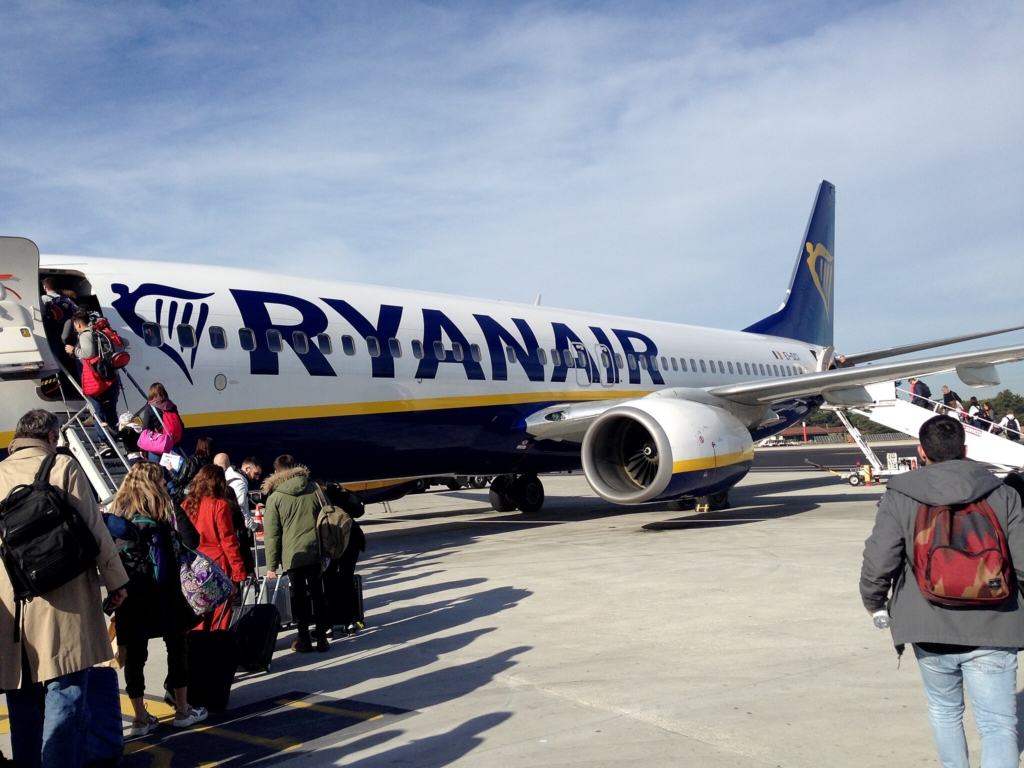
Passengers board the aircraft through the door closest to their seat assignment. However, this method mainly works for airlines that board on the apron since most airport gates only have a single jet bridge to board narrowbody jets.
Optimal aircraft boarding isn’t always best
Astrophysicist Jason Steffen found that loading passengers one-by-one in an outside-in method, two rows apart, could result in four to five times faster boarding.
Steffen’s method is more efficient because it allows each passenger to store their luggage without interfering with others. Based on his computer modelling, it should be very effective.
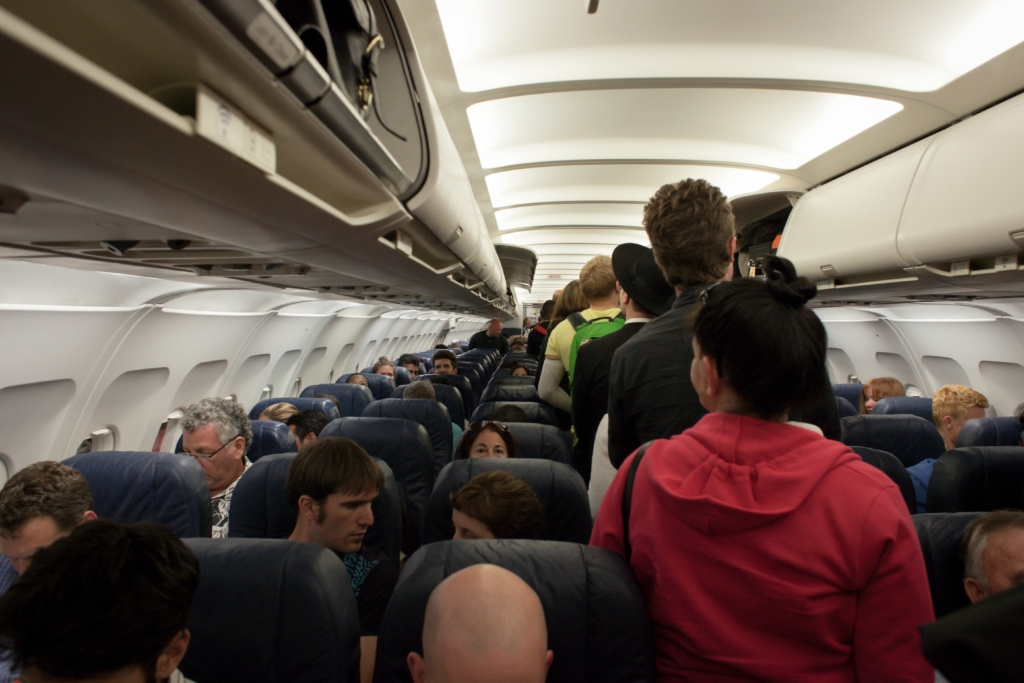
However, it is impractical to deploy. The Steffen method relies on a strict adherence to the process. It doesn’t allow for other human factors, like families needing to board together. Passengers arguing with agents at the gate would likely offset any gains in the process.
There have been several scientific studies to find the best boarding method over the years, and they tend to favour outside-in strategies, like WILMA and the reverse pyramid.
Southwest hasn’t announced yet how it will board aircraft with its eight new seating groups. Still, it may adopt an outside-in approach to ensure it doesn’t lose the efficiency advantages of its old boarding method.