High costs, thin margins: Why Air Peace’s struggles reflect Nigeria’s aviation dilemma

December 31, 2025

Air Peace CEO speaks out on taxation pressure and regulatory scrutiny, but Nigeria’s Civil Aviation Authority (NCAA) pushes back.
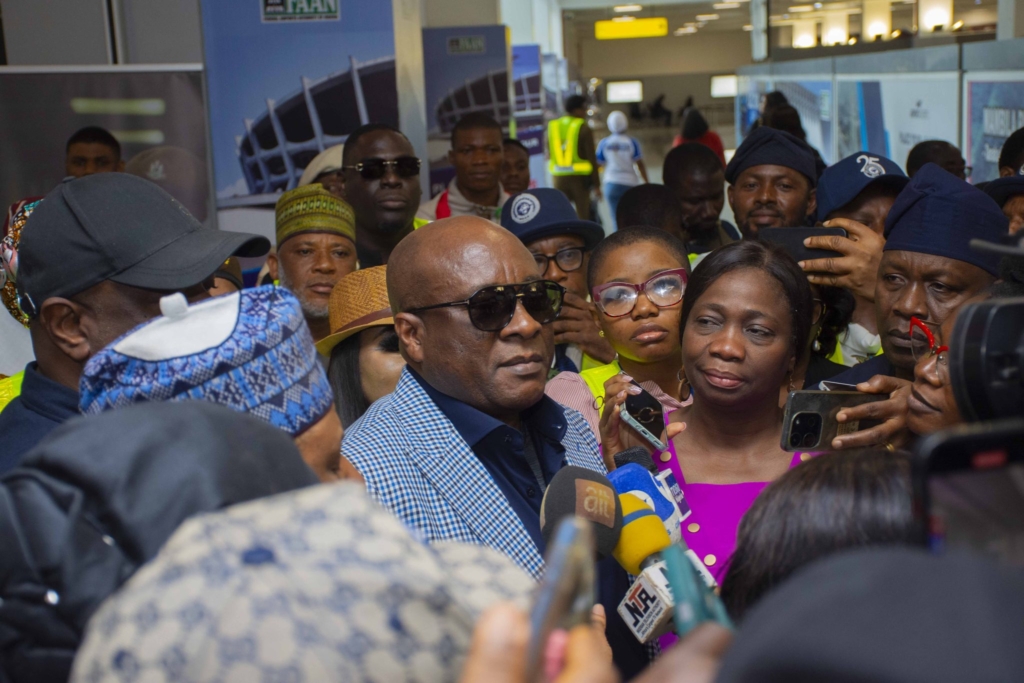
Allen Onyema, Air Peace’s CEO and chairman, has voiced his concerns on taxation and regulation. As the country’s largest carrier navigates rising costs, regulatory scrutiny, passenger dissatisfaction and recent operational disruptions, Onyema’s concerns highlight deeper structural tensions within Nigeria’s aviation sector.
Air Peace sounds alarm on multiple taxes and charges
Onyema has warned that Nigerian airlines are operating under what he describes as an unsustainable tax and charges regime. According to Onyema, multiple levies, imposed across ticket sales, aircraft acquisitions and spare parts impact margins in an industry already characterised by high fuel costs, blocked funds and maintenance expenses.

Speaking on Arise News and referencing a domestic ticket priced at around ₦350,000, Onyema claimed that airlines retain only a small fraction of the fare (₦81,000) once statutory charges and operating costs are deducted.
He argued that this reality contrasts sharply with public perceptions that airlines are excessively profitable. He also stated that the cumulative effect of charges ultimately feeds back into higher fares and reduced passenger demand.
Passenger charges and VAT are squeezing profit margins for airlines
A central point of contention is the 5% ticket sales charge collected by the Nigerian Civil Aviation Authority (NCAA). While the charge is embedded in ticket prices, Air Peace argues that airlines absorb its impact to avoid a drop in demand.
Onyema has also criticised the application of Value Added Tax (VAT) to airfares, aircraft and spare parts, warning that the expansion of VAT to aviation under recent fiscal reforms could further weaken the country’s domestic carriers.
“There’s VAT now on the importation of aircraft. If you buy an aircraft for $80 million, you must pay 7.5% of $80 million,” he said. “Similarly, if you bring in spare parts, you will pay 7.5% VAT on them.” On top of that, Onyema highlighted that funds borrowed from the bank are 30-35%. “Ticket fares will hit $1.7 million soon. At 35%, we are choking.”
NCAA hits back at claims linking taxes to high airfares
From a regulatory perspective, the NCAA has rejected suggestions of impropriety. The authority argues that passenger-related charges are transparent and lawful, and that airlines remain free to determine their own fare structures.
Michael Achimugu, the NCAA’s director of public affairs and consumer protection, has pushed back against claims circulating in the media.
“Lies have been told over this matter, over and over,” he said in a post on X. “While the NCAA does not regulate airfares, I have invited all domestic airlines and asked them about these taxes they keep talking about on TV. They all admitted to not paying the volumes of taxes being bandied about.”
Lies have been told over this matter, over and over. I have addressed this on national TV, major news platforms, and via my X handle. While the NCAA does not regulate airfares, I have invited ALL of the domestic airlines, bar none, and asked them about these taxes they keep… https://t.co/Qe8kHIMLsY pic.twitter.com/tccsEA0Wqm
— Michael Achimugu (@mikeachimugu01) December 28, 2025
This inconsistency highlights a broader policy debate: whether aviation in Nigeria should be viewed primarily as a revenue source or as a strategic sector that requires fiscal protection.
Operational setbacks compound financial pressure
The taxation debate comes at a time when Air Peace has faced a series of operational setbacks and reputational challenges. Earlier this week, the airline rejected allegations that it abandoned passengers in Barbados who were due to travel onward to Jamaica.
The airline described the claims as misleading and lacking operational context. Onyema has also publicly dismissed accusations of fare exploitation on certain southeast domestic routes, as the airline remains subject to regulatory review.
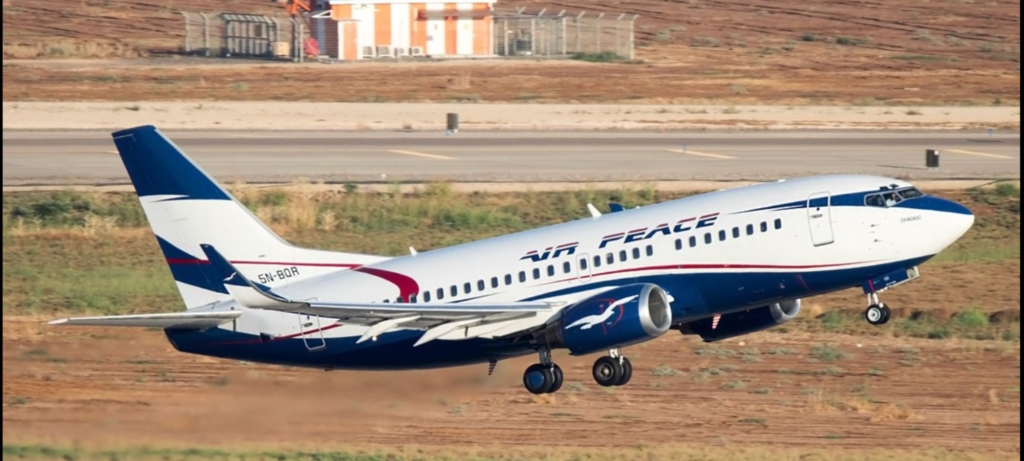
Prior to these challenges in December, Air Peace’s operations were disrupted in late November when four Airbus A320 aircraft operating under ACMI arrangements were withdrawn from service.
The aircraft had been leased from Latvian operator SmartLynx, but were subsequently reclaimed by their underlying owners, including AerCap, Castlelake and Global Principal Finance, after SmartLynx reportedly defaulted on its own lease obligations.
Air Peace has described the withdrawal as abrupt and unjustified, estimating financial losses in excess of $15 million. The situation also illustrates the vulnerability of airlines that rely on short-term wet leases to maintain capacity, particularly in markets where access to capital and spare aircraft is limited.
Strategic recalibration and regional expansion
With the new year on the horizon, Air Peace is determined to “end 2025 with purpose and begin 2026 with confidence.”
In response to recent disruptions, the Nigerian carrier has announced a restructuring of its regional operations. All regional flights currently scheduled for night flights will transition to daytime services. This shift, says the airline, will improve punctuality, passenger convenience and regional connectivity across West Africa and onward with long-haul services from Lagos.
The airline also plans to expand its regional network by the end of the first quarter of 2026, with proposed routes to Douala, Libreville, Kinshasa, Conakry, Bamako and Johannesburg. The airline celebrated its inaugural flight to London Heathrow at the end of October.
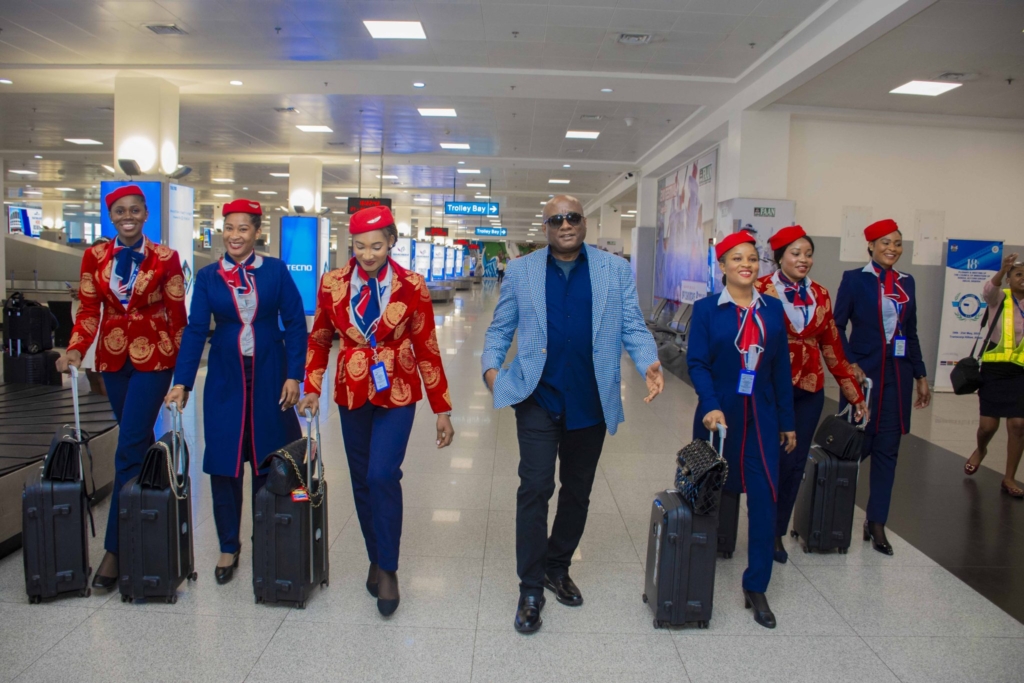
Air Peace’s recent challenges, combined with its growth plan,s reflect the broader challenges facing the aviation industry in Nigeria and other countries across Africa. Government revenue goals and regulatory oversight must be balanced with the commercial realities of airline operations.
As passenger volumes grow, fiscal reforms progress and scrutiny of airline practices intensifies, the sustainability of domestic carriers must remain a central issue for policymakers and stakeholders alike.