Bye-Bye Baby Bus: Air France sells 7 Airbus aircraft, including one of the last A318s still flying

February 18, 2026
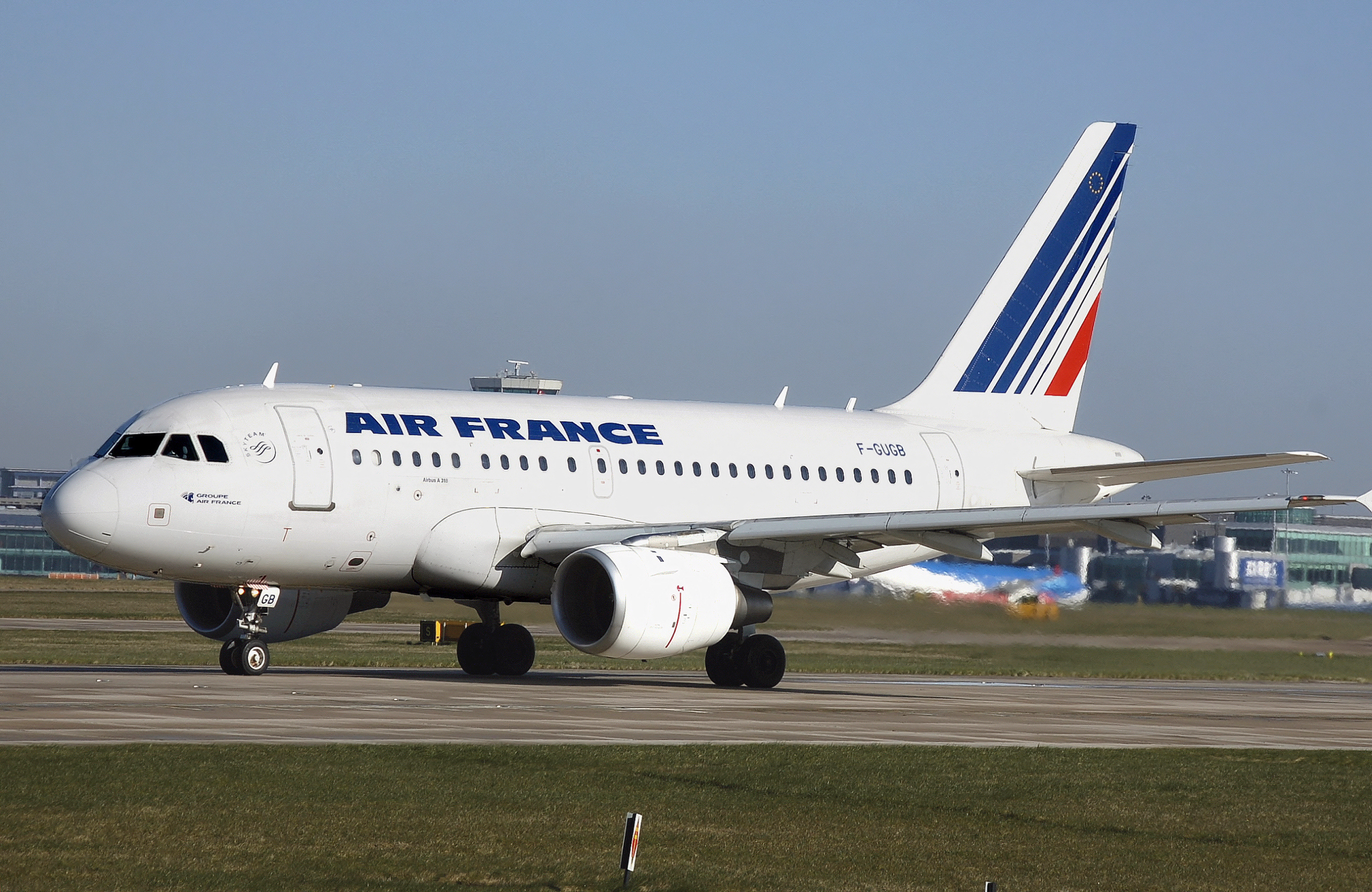
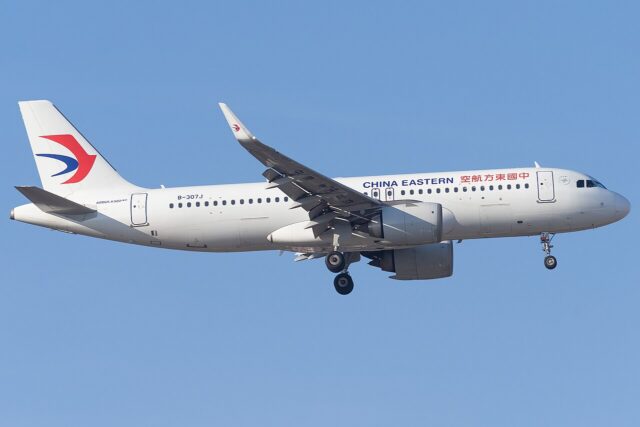
Air France has divested seven ageing Airbus narrowbody aircraft—including a rare A318-100—as part of its ongoing fleet renewal strategy. This sale will contribute to the disappearance of the rarest and smallest A320-family variant from commercial service.
FTAI Aviation’s Air France aircraft purchase supports aftermarket CFM56 engine supply
FTAI Aviation announced on Tuesday that it had closed the acquisition of seven off-lease Airbus aircraft from the French flag carrier: one A318-100, four A319-100s and two A321-200s.

The aircraft will primarily serve as an engine and component feedstock for maintenance, repair, and exchange activities. The purchase was particularly attractive to FTAI because it supplies widely used CFM56 powerplants. As Stacy Kuperus, Chief Operating Officer at FTAI Aviation, stated in the announcement: “expanding access to CFM56 engines is critical.”
FTAI said the deal strengthens its long-standing partnership with Air France while helping the airline continue modernising its narrowbody fleet.
Airbus A318 exit brings the end of the “Baby Bus” era closer
The inclusion of an A318-100 in the sale is especially significant because the type is among the rarest aircraft still operating scheduled passenger flights. Air France, which is the last remaining airline to fly the “Baby Bus,” was the largest operator of the type, buying 18 aircraft (22.5% of all the A318s Airbus ever produced).
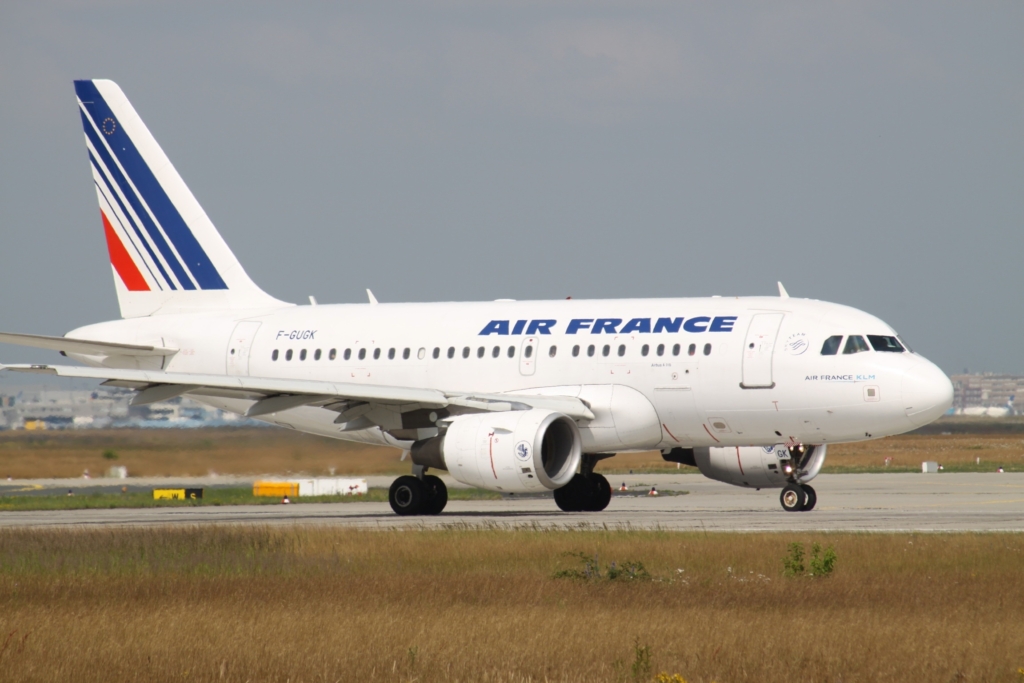
The airline equipped its A318s with 131 non-reclining Recaro SL3510 slimline seats, 18”-wide and set 30” apart. The cabin is divided into two classes, with the middle seat left empty in business class. A curtain divider provides flexibility in the number of rows assigned to business class, with a maximum of five rows (18 seats) available for booking.
The Air France A318 fleet has shrunk in recent years to five 19-year-old aircraft, and this sale brings the number of A318s still operating around the world down to four.
Air France swaps older A318s and A319s for A220s as part of its sustainability strategy
The French flagship has been steadily withdrawing A318s and A319s from service as it introduces newer Airbus A220-300 aircraft on short- and medium-haul routes. Air France currently operates 54 A220s, with an average age of 2 years.
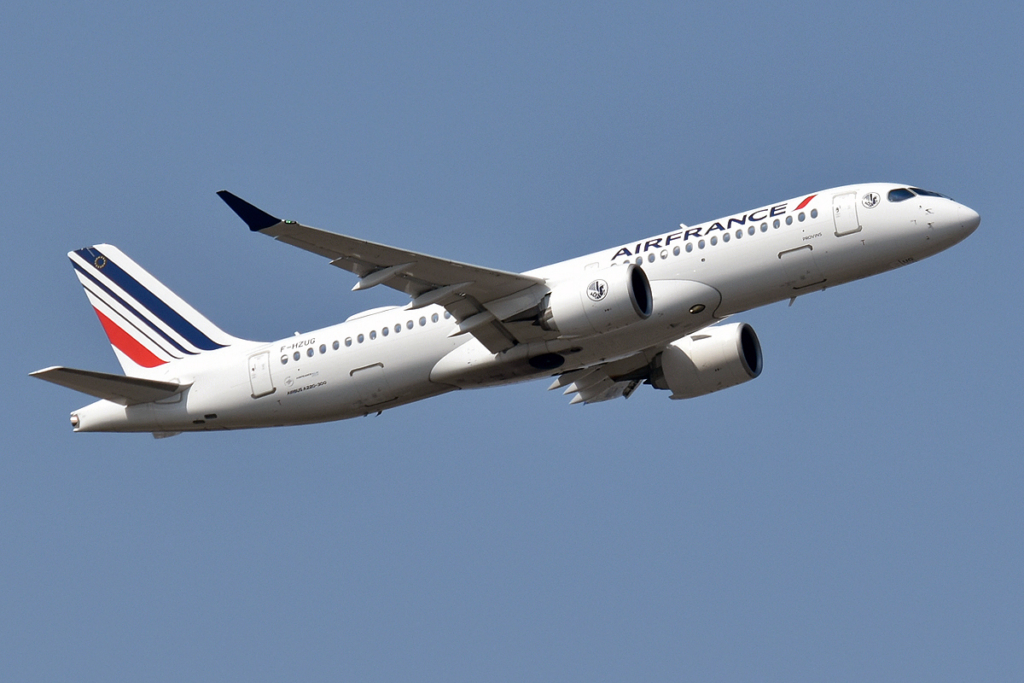
The introduction of the A220 is part of the airline’s fleet renewal programme, which supports its sustainability targets by reducing fuel burn, emissions, and operating costs.
Air France has committed to investing over €1 billion annually in new-generation aircraft that emit 20–25% less CO₂ and are quieter than previous-generation aircraft. In addition to the A220s for its short-haul metwork, Air France has also grown its A350 long-haul fleet to 41 aircraft, with more on order.
By 2030, the airline plans to have up to 80% of its fleet comprised of next-gen jets.
Older aircraft get a second life in the aftermarket
For FTAI, acquiring late-life narrowbodies provides a strategic source of engines and spare parts that can generate revenue. As the older airframes transition from airline service to aftermarket applications, their valuable parts keep newer aircraft flying.
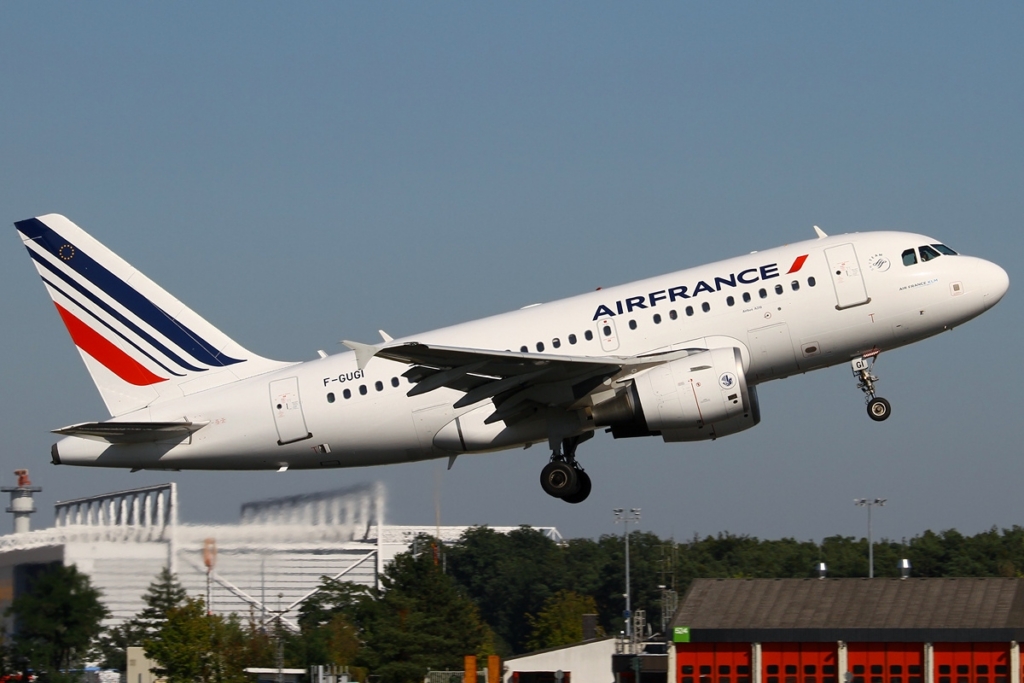
Air France’s sale of seven Airbus narrowbodies—particularly one of the last A318s still flying—advances the airline’s plans for a greener fleet built on next-generation aircraft. At the same time, it proves that ageing jets still have significant value in the global maintenance and parts supply chain, even after their passenger-carrying days are done.
Featured Image: Adrian Pingstone / Wikimedia Commons