


Russia begins deliveries of import-substituted Il-114-300 turboprops

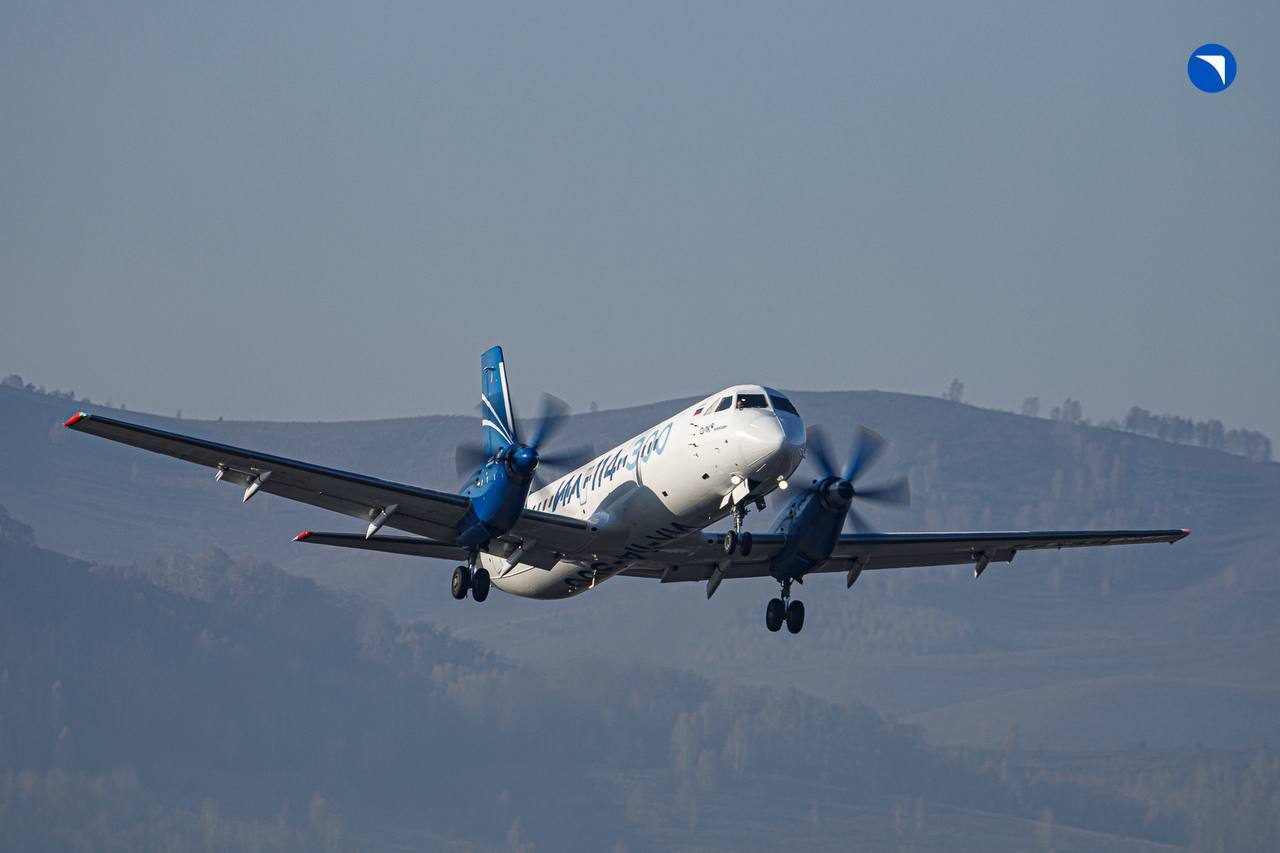
Russia has said it is delivering the first import-substituted regional Ilyushin Il-114-300 turboprops, which are a rough analogue to the Dash 8/Q400 and ATR-72-600. Deliveries in 2026 and 2027 are expected to be minimal and come with very tight operating limitations.
Russia announced first Il-114-300 turboprop deliveries
According to an announcement by Russia’s First Deputy Prime Minister Denis Manturov, the first russified Ilyushin Il-114-300 deliveries have begun. In June, Russia reissued the type certificate for the Il-114, with Manturov saying at the time that Rostec has modernized almost all of the aircraft’s systems.
The official Russian news outlet, Obyasnyaem RF, quoted Manturov as stating, “We are beginning the first deliveries of the Il-114-300 aircraft. Serial production of the updated Tu-214 is ramping up, and the MC-21 and Superjet are in the final stages of testing and certification.”
He is reported to have added, “The creation of a modern civil aviation fleet is of key importance here. Today, this program is moving into practical implementation.”
In November 2025, AGN reported that the first russified legacy Soviet Tupolev Tu-214 airliner was being prepped for delivery, although that particular aircraft was in business configuration.

While the delivery numbers were not announced, they appear to be very modest.
In June 2026, Russia’s Kommersant reported, “Transport Minister Andrei Nikitin announced that delivery of three Il-114-300s is expected in 2026 and approximately the same number in 2027, with production capacity to increase thereafter.”
Russia’s import-substituted regional turboprop
The Il-114 is the post-sanctions variant of the Soviet-origin aircraft. Its development started in 1982, and first flew in 1990. The regional turboprop typically comes with a 66-seat baseline capacity. It replaces ageing Antonov An-24 and An-26s.

Interestingly, Kommersant adds, “It boasts lower fuel consumption than its foreign competitors, ATR and Bombardier.” Some Russian sources claim it has 16% lower fuel consumption than the ATR 72-600, but there is no good public data to back up these claims or to establish exactly what is being compared.
Kommersant added that Russia’s Aurora, an airline based in the Far East, is not expected to get its first aircraft until 2028. Aurora is expected to be one of the biggest customers for the aircraft with an order for 20 examples.
The Il-114-300 is produced with Russian Klimov TV7-117ST-01 turboprop engines and avionics, while the older Il-114-100 was produced with Canadian Pratt & Whitney engines and foreign-made avionics. Around 20 of them were built at the Tashkent Aircraft Plant in Uzbekistan.
The Il-114-300 has strict initial operating conditions
The Ilyushin Il-114-300’s type certificate, issued by the Federal Air Transport Agency (Rosaviatsiya), includes strict limitations that may significantly affect its operation. It is intended to operate in Russia’s austere Arctic and Siberian regions and replace the An-26 and An-24s already operating there.
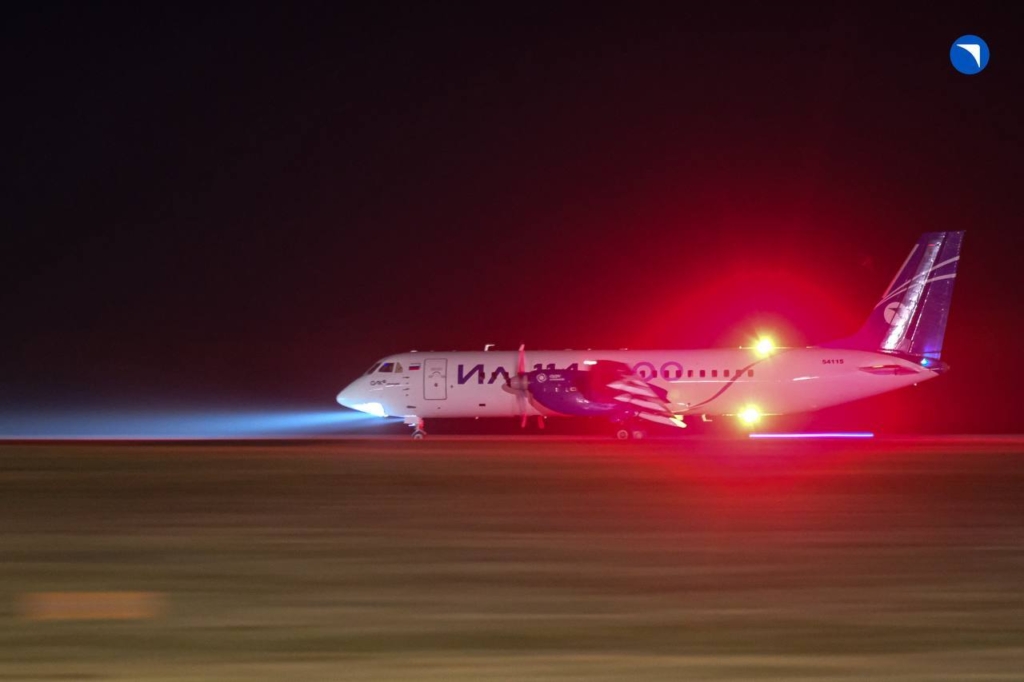
According to the type certificate data sheet, it is only certified for operation in a rather narrow band of favourable weather conditions. This includes a temperature range of -9 to +25°C (the older Il-114-100 was certified for -30 to +45°C).
While Russian/Soviet aircraft are famously built for rugged conditions, the turboprop 114-300 is also prohibited from operating in icy conditions and thunderstorms. The initial certificate permits takeoff and landing only from runways with artificial surfaces.
Airport elevations are limited to -300 meters to +1,000 meters; the latitude is set to ±70°, while its crosswind certification is just 15 m/s (dry), 12 m/s (wet).
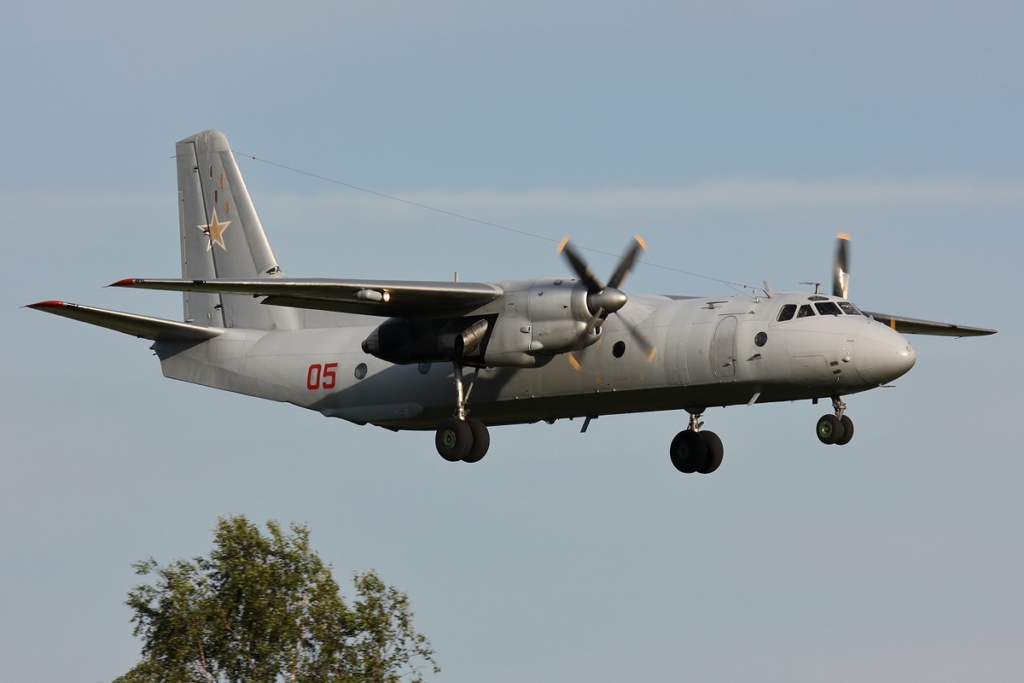
These limitations, which effectively say “don’t operate it in cold, icing, or stormy conditions or on unpaved runways,” have drawn online mockery. Cold weather and relatively austere airfield operations are almost the raison d’être of the Russian regional aircraft requirement.
The limitations are its initial certification, and these are expected to loosen over time.


