Australia draws national air tanker rules after Boeing 737 firebomber crash exposed critical safety gaps

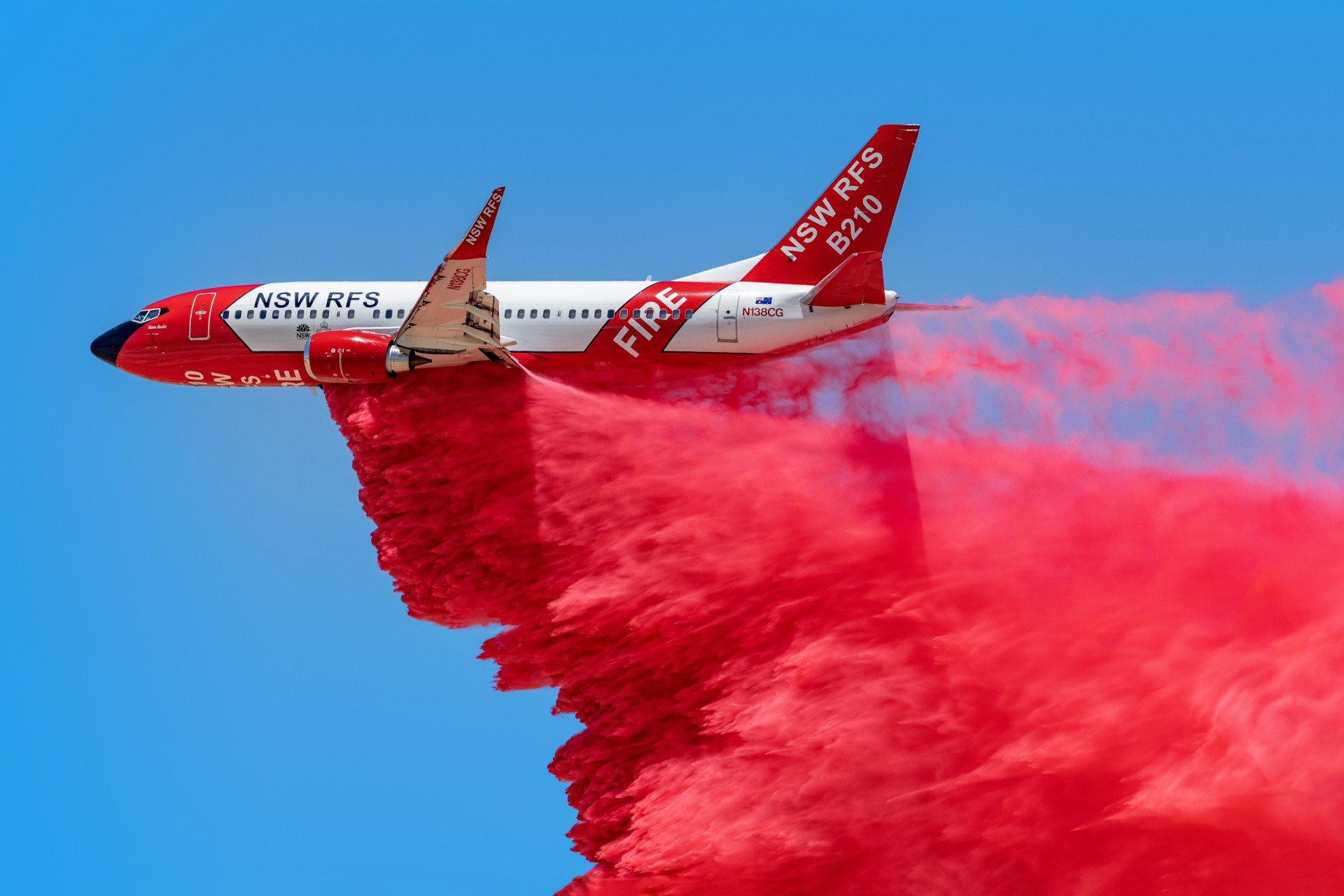
Australia has overhauled the way its largest firefighting aircraft operate after an investigation into the crash of a Boeing 737 Fireliner in 2023 exposed critical gaps in the safety procedures governing aerial firefighting missions across the country.
Until now, large air tankers responding to bushfires could operate under different procedures depending on the state they were deployed to. The new national standard introduces one set of operating rules for every agency, closing safety gaps identified by investigators.
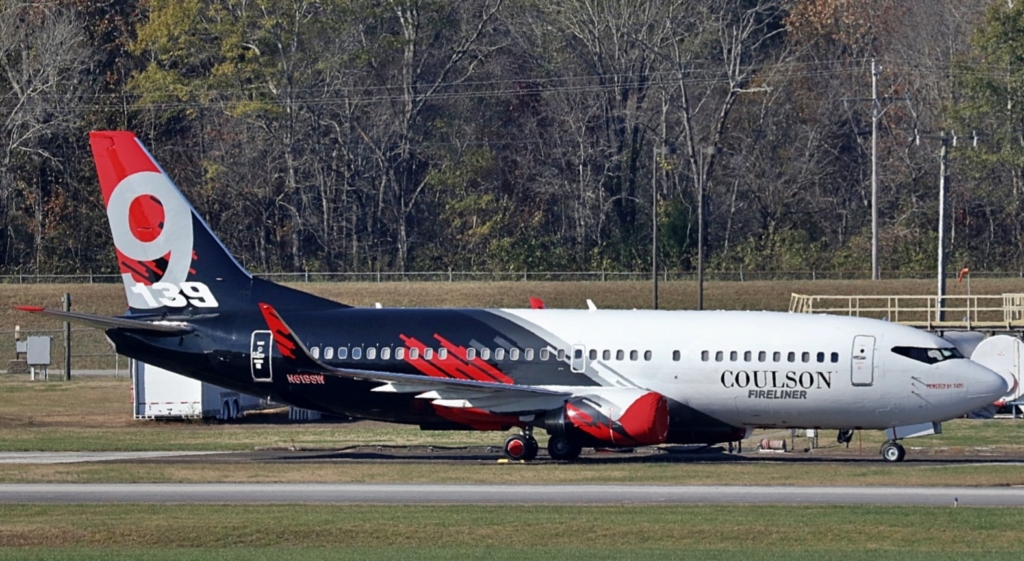
The new procedures, developed through the National Aerial Firefighting Centre (NAFC) and adopted by fire agencies across Australia, are the culmination of more than two years of work following the Australian Transport Safety Bureau’s (ATSB) investigation into the destruction of a Coulson Aviation Boeing 737 Fireliner during bushfire operations in Western Australia.
For an industry that increasingly relies on large, fast jet-powered air tankers capable of deploying across state borders at short notice, the significance extends well beyond Australia.
The ATSB concluded that while aircraft and crews routinely move between jurisdictions, the operating rules they worked under did not always move with them.
ATSB Chief Commissioner Angus Mitchell said the investigation had shown that differing standards between jurisdictions could result in important safety requirements being omitted or misunderstood.
“This document represents a new national standard for large air tanker operations in Australia, with clear requirements for aerial supervision, task profiles and communication protocols,” Mitchell said.
Large air tankers, he added, now play an increasingly important role in suppressing bushfires across Australia, making nationally consistent procedures essential to improving the safety of aerial firefighting operations.
A routine firefighting mission ended in seconds
The safety reforms stem from an accident that unfolded during a bushfire operation at Fitzgerald River National Park in south-west Western Australia on 6 February 2023.
That afternoon, Coulson Aviation’s Boeing 737-3H4 Fireliner, operating as Bomber 139, departed Busselton Airport on its third firefighting sortie of the day with two experienced pilots on board. Their task was familiar: reinforce a retardant line protecting vegetation threatened by a fast-moving bushfire.
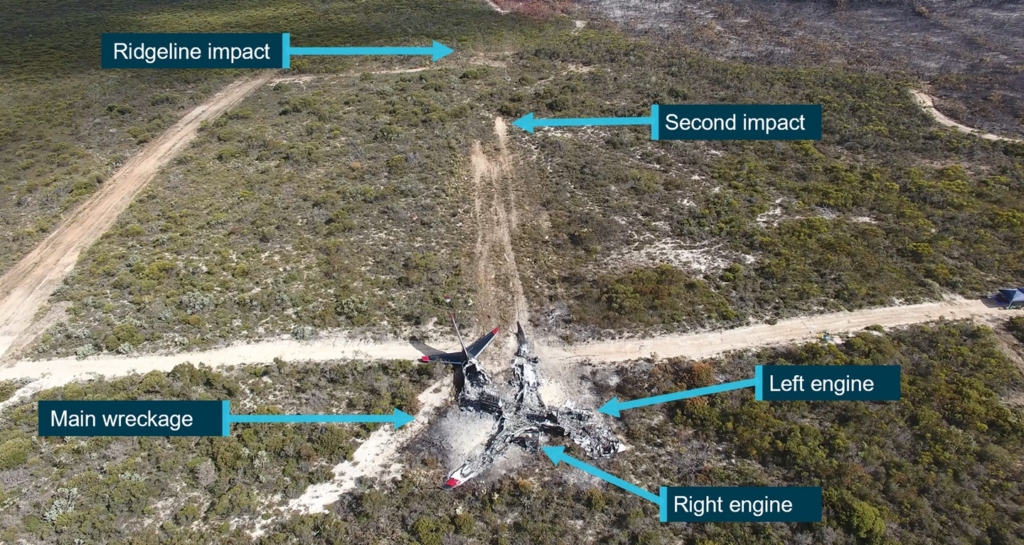
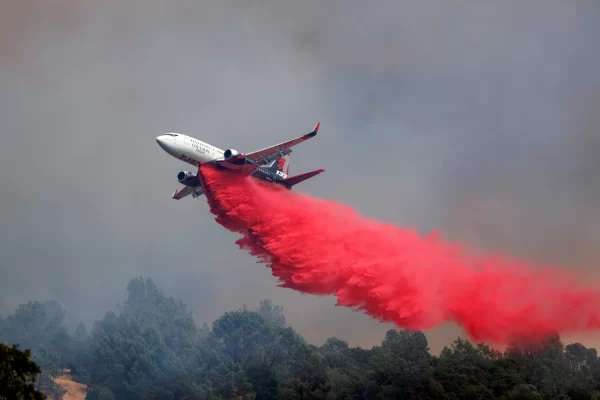
After arriving over the fireground, the aircraft completed an initial partial retardant drop before setting up for a second run to extend the existing firebreak. Guided by a Birddog lead aircraft, the crew descended through smoke towards the target area while following a downhill flight path over rugged terrain.
The second drop lasted only a few seconds, but the conditions surrounding it would later become the focus of one of Australia’s most detailed aerial firefighting investigations.
The aircraft descended well below the height normally associated with large air tanker operations while its speed steadily reduced. At the same time, engine thrust remained at high idle to maintain an accurate retardant drop, leaving little energy available to climb away once the release was complete.
As the crew advanced the throttles to begin the go-around, the CFM56 engines required several seconds to accelerate—time the aircraft no longer had.
Ahead lay a ridgeline that neither pilot fully appreciated during the drop.
The aircraft struck the crest of the ridge at about 104 knots before clearing a line of trees, impacting the ground again and bursting into flames. Both pilots miraculously escaped through the cockpit window with minor injuries before the aircraft was consumed by fire.
The investigation found a chain of events, not a single cause
The ATSB classified the accident as a controlled flight into terrain, but investigators found no evidence of an engine malfunction or structural failure.
Instead, the aircraft gradually entered what investigators described as a low-energy state, a condition in which height, airspeed and engine thrust simultaneously reduce to the point where there is insufficient performance to avoid terrain.
According to the ATSB, the downhill approach required idle thrust and a relatively high rate of descent to achieve an accurate retardant drop. As the aircraft approached rising terrain at the end of the run, the engines had not yet accelerated sufficiently after the throttles were advanced, allowing both airspeed and climb performance to decay below what was needed to clear the ridgeline.
Investigators also found that the operator’s practice of recalculating and reducing target drop speed after a partial retardant release contributed to the aircraft’s low-energy state before the collision.
Yet the investigation concluded that the accident could not be explained by aircraft performance alone. It exposed broader operational issues involving terrain awareness, crew coordination and, most significantly, the absence of nationally consistent operating standards governing how large air tankers conducted low-level firefighting missions.
The biggest problem lay beyond the cockpit
One of the investigation’s most significant findings was that the Boeing 737 crash exposed a weakness extending well beyond a single aircraft or operator.
The ATSB found that Australian states and territories had each developed their own standard operating procedures for large air tankers, creating a patchwork of requirements for aircraft that routinely deploy wherever bushfires are most severe.
The investigation concluded that those differences created the potential for important safety requirements, such as minimum drop heights, to be omitted or interpreted differently by the agencies directing aerial firefighting operations.
To understand why that mattered, investigators compared Australian procedures with those used by the US Forest Service and the US National Wildfire Coordinating Group, both of which operate under nationally standardised doctrine.
While the American guidance was broadly consistent across agencies, Australia had no equivalent national framework, despite operating many of the same large air tanker aircraft.
That gap became particularly evident in the case of minimum drop heights.
Neither Coulson Aviation, the NAFC, nor the relevant Western Australian agencies had prescribed a minimum operating height for large air tankers.
Instead, aircraft captains exercised their own judgment based on operational conditions and the desired accuracy of each retardant drop. By contrast, the US Forest Service specifies a minimum drop height of 150 ft for large air tankers.
Crew management procedures called into question
The absence of a defined minimum height had wider implications than simply how low the aircraft flew.
Investigators found the co-pilot did not believe a minimum drop height existed and therefore made no call-outs as the aircraft’s height and energy state deteriorated during the final seconds before impact. The ATSB also concluded that the operator’s crew resource management procedures relied too heavily on pilots recognising and recovering from an unsafe situation, rather than preventing the aircraft from entering one in the first place.
The investigation further identified several operational factors that combined to reduce the crew’s situational awareness. Smoke obscured the target area during the second run, the captain declined an optional “Show Me” reconnaissance pass offered by the Birddog aircraft, and the right-hand circuit limited the left-seat pilot’s view of the ridgeline that ultimately lay across the aircraft’s exit path. None of those factors alone caused the accident, but together they eroded the crew’s margins for recovery during a flight profile that already demanded precise speed, height and engine management.
National doctrine replaces fragmented procedures
The safety reforms announced this week are designed to eliminate those inconsistencies.
Developed collaboratively through the Australasian Fire and Emergency Services Authorities Council and the NAFC, Version 1.0 of the National Airtanker Standard Operating Procedures establishes common requirements for aerial supervision, task profiles, communication protocols and operating practices for large air tankers nationwide. Every Australian fire agency has endorsed and adopted the document.
ATSB Chief Commissioner Mitchell described the document as a major step in strengthening Australia’s aerial firefighting system.
“Large air tankers, which can quickly move around the country in response to operational need, play an increasingly critical role in the management and suppression of bushfires in Australia,” Mitchell said.
“As such, the implementation of national air tanker standard operating procedures represents a significant milestone in the ongoing maturity of the aerial firefighting safety system in Australia.”
Safety improvements began well before the national procedures were finalised
Following the accident, Coulson Aviation introduced a comprehensive corrective action programme covering minimum drop speeds and heights, pre-drop planning, pilot situational awareness, exit flight paths, communication with Birddog aircraft, flight training and crew resource management.
Western Australian fire agencies also revised their aerial fire suppression procedures, incorporating standard drop heights and clearer guidance for large air tanker operations.
The ATSB has also issued a formal safety recommendation calling on Coulson Aviation to strengthen crew resource management procedures so that pilots are alerted before an aircraft reaches an unrecoverable low-energy condition.
Lessons that extend well beyond Australia
While the reforms are specific to Australia’s firefighting system, the lessons resonate across the global aerial firefighting community.
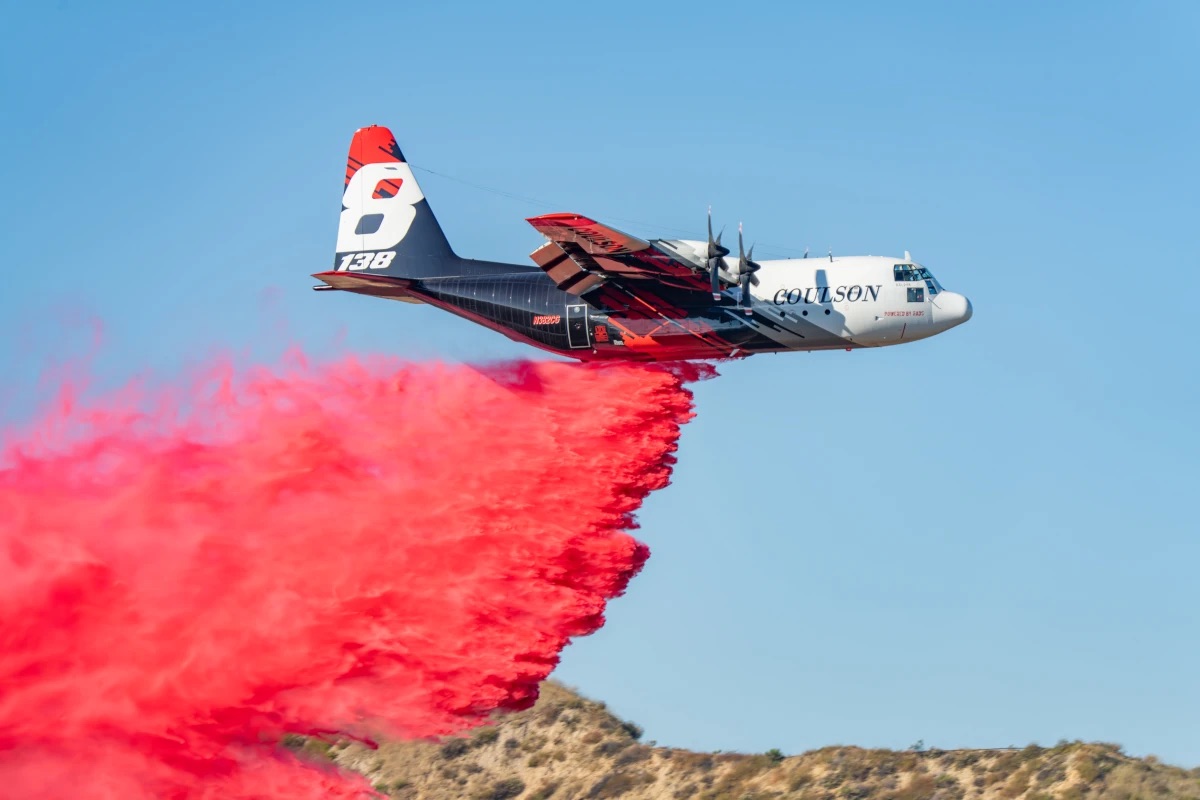
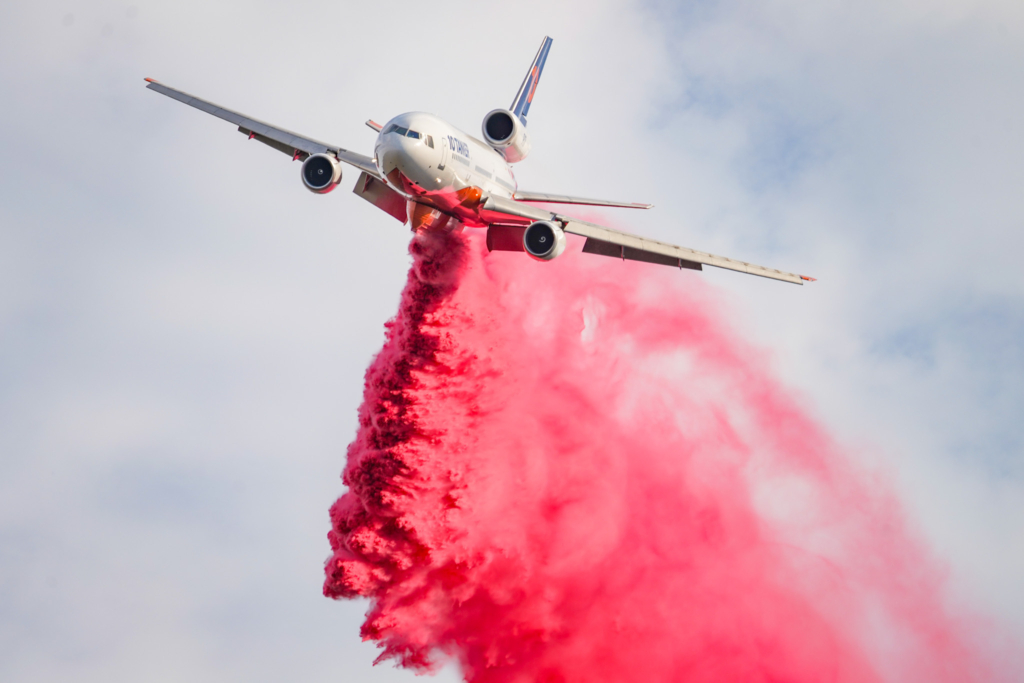
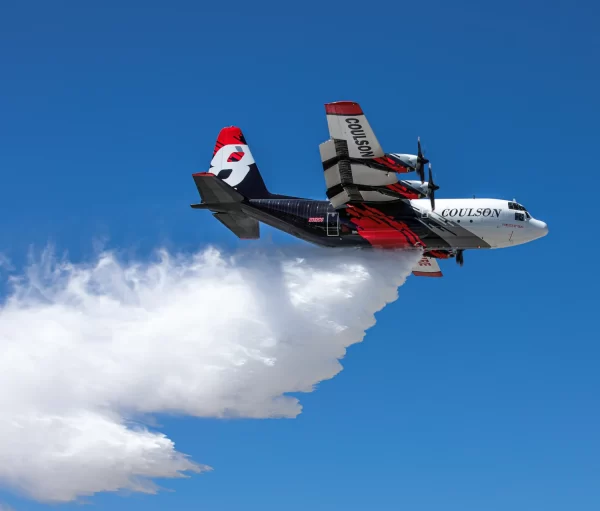
Large air tankers including converted Boeing 737s, C-130 Hercules aircraft, RJ85s, BAe 146s and DC-10s are increasingly deployed wherever severe wildfire seasons demand additional capacity.
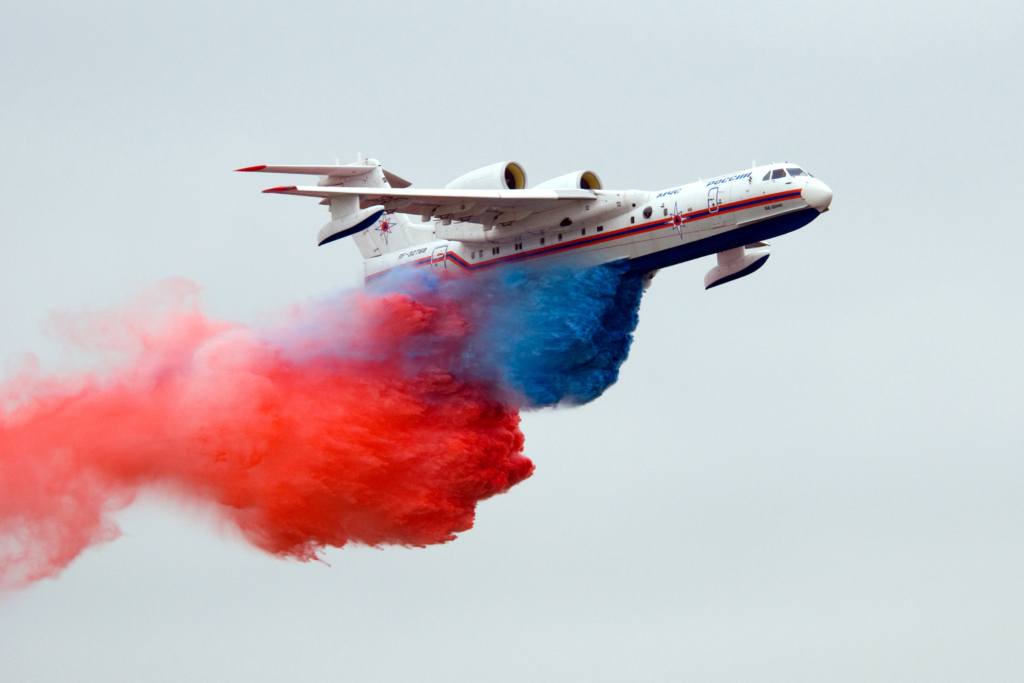
Those aircraft frequently operate at low altitude, in mountainous terrain, amid smoke, turbulence and rapidly changing weather, often moving between jurisdictions with different operating practices.
The ATSB said the history of aerial firefighting contains numerous controlled flight into terrain and loss-of-control accidents during retardant drops and go-arounds, underscoring the importance of procedures that prevent unsafe situations from developing rather than relying solely on pilot recovery. It also warned that when multiple organisations operate together at a large fireground, differing procedures can introduce unforeseen operational risks unless common standards are in place.
The destruction of Bomber 139 ultimately became more than the investigation of a single accident. It prompted a nationwide reassessment of how Australia’s largest firefighting aircraft are tasked, supervised and flown.
With national operating procedures now in place, the focus shifts from responding to the lessons of one crash to ensuring that crews across the country work to the same safety standard whenever the next wildfire season begins.