Indian Air Force plans helicopter-launched drones: What we know about Vayu Baan

4 min read
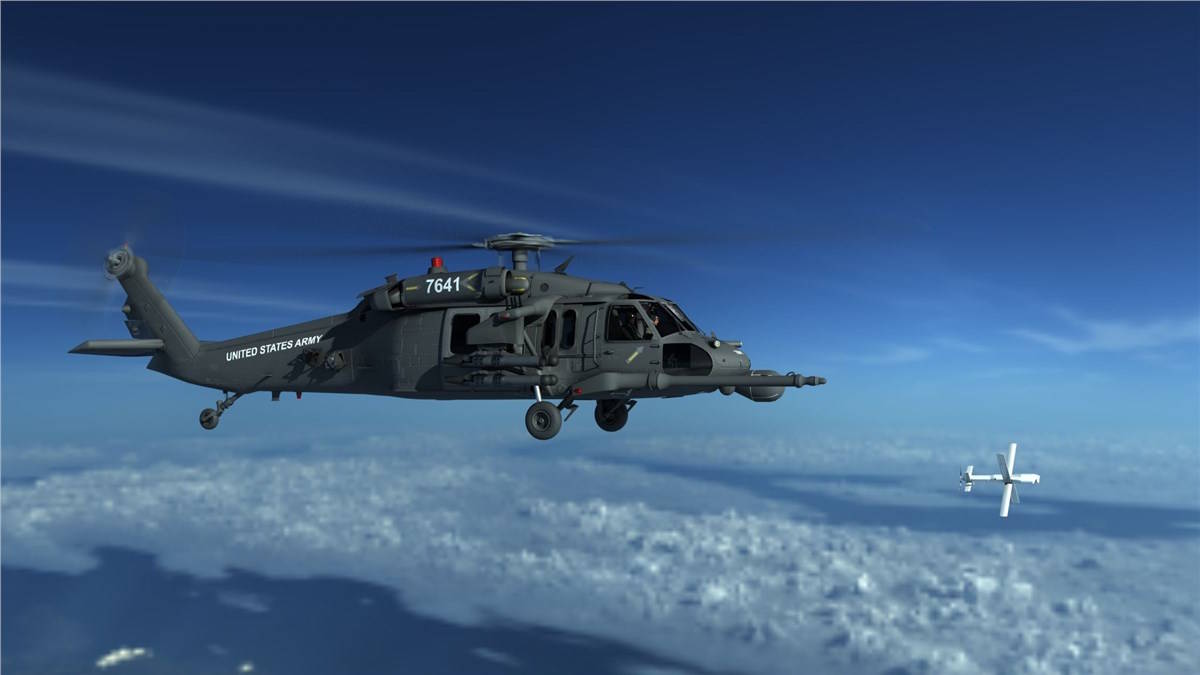
The Indian Air Force (IAF) is moving to develop a new class of helicopter-launched drones under a programme known as ‘Vayu Baan’, aimed at giving its rotary-wing fleet the ability to detect and strike targets from a safer distance.
In a significant step towards that goal, the service has issued a request for proposals (RFP) inviting domestic industry to design and develop the system, outlining both the operational concept and the technical requirements expected of the platform.
IAF RFP outlines indigenous Vayu Baan helicopter-launched drone requirement
The RFP, issued by the IAF’s Directorate of Aerospace Design through its Regional Aerospace Innovation Division, calls for the development of a “helicopter dropped targeting drone” intended to enhance the offensive capability of helicopters.
The programme is structured as a development contract, with Indian vendors invited to submit technical and commercial bids, followed by evaluation, demonstrations and trials before any final selection is made.
According to the document, seen by AGN, the project covers not just the drone itself but also control systems, payload integration and associated mission equipment, all to be delivered within a 12-month timeline.
Vayu Baan programme targets stand-off strike capability for IAF helicopters
At its core, Vayu Baan or ‘Air Arrow’ reflects a shift in how helicopter operations are being planned in contested environments.
Rather than flying into heavily defended airspace, helicopters would release a small autonomous drone mid-flight. Once deployed, the drone stabilises, unfolds its wings and transitions into powered flight, allowing it to operate independently over the target area.
“The intent is to extend the reach of helicopters while reducing their exposure to ground-based threats,” an IAF official said, describing the operational thinking behind the programme.
This stand-off approach is particularly relevant in scenarios where man-portable air defence systems (MANPADS) pose a persistent risk to low-flying aircraft.
The proposed system is designed to perform both intelligence gathering and strike missions.
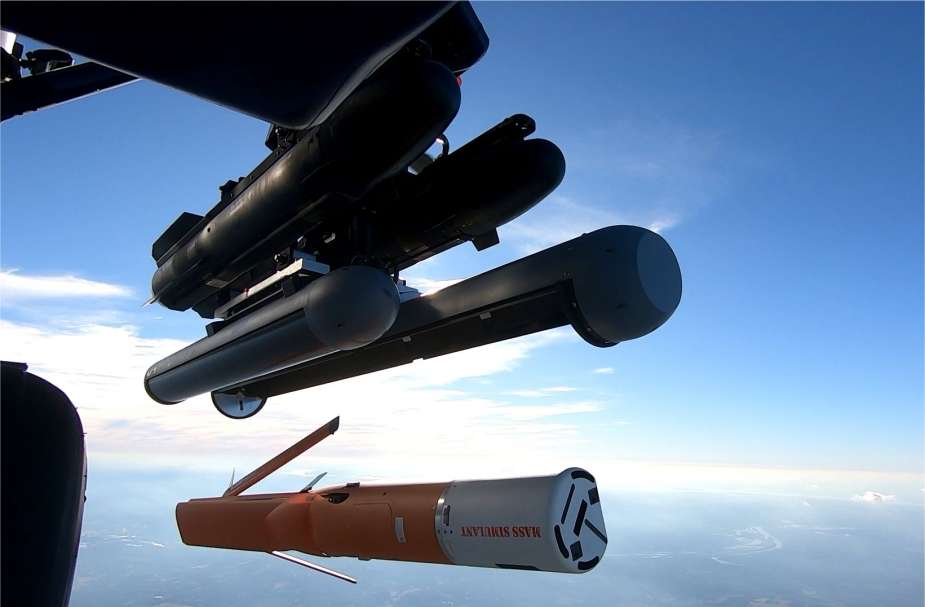
Once airborne, the drone is expected to transmit real-time video using electro-optical and infrared sensors, enabling crews to identify and track targets in both day and night conditions.
If required, it can then be used as a precision-guided munition, carrying a small onboard warhead to engage the identified target.
The RFP outlines a system capable of operating at ranges exceeding 50 kilometres, with an endurance of around 30 minutes, allowing it to loiter over an area and wait for the right moment to strike.
Vayu Baan designed for GPS-denied operations and contested environments
A key requirement is resilience in electronic warfare conditions.
The drone is expected to function even when GPS signals are jammed or spoofed, using alternative navigation systems and onboard intelligence to complete its mission. It will also feature secure, anti-jam data links for real-time communication with operators.
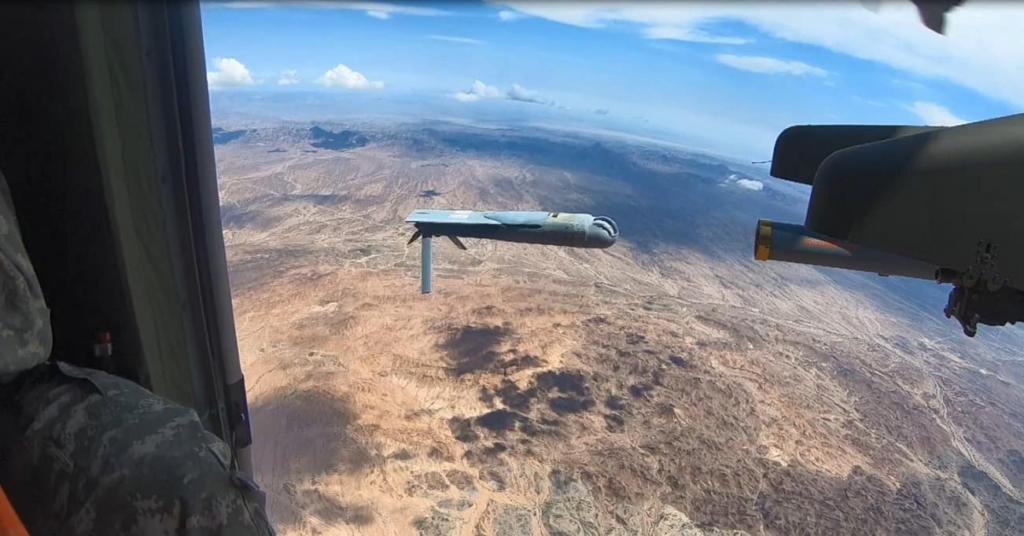
Autonomous waypoint navigation, AI-based target identification and configurable strike profiles are among the capabilities outlined in the requirements, reflecting the increasing reliance on software-driven systems in modern combat.
Operators will be able to control the drone either from the launching helicopter or through ground control stations, offering flexibility in mission execution.
IAF sets development timeline for Vayu Baan with trials and testing phase
The programme follows a milestone-based development plan, beginning with design submission and moving through prototype development, algorithm integration and flight testing.
Key stages include helicopter drop trials, payload integration, including electro-optical systems and warhead configurations, and high-altitude mission testing before final delivery.
The IAF has specified an initial requirement of 10 drones along with associated control stations and payload systems, indicating that the current phase is likely to serve as a prototype and validation effort rather than a full-scale induction.
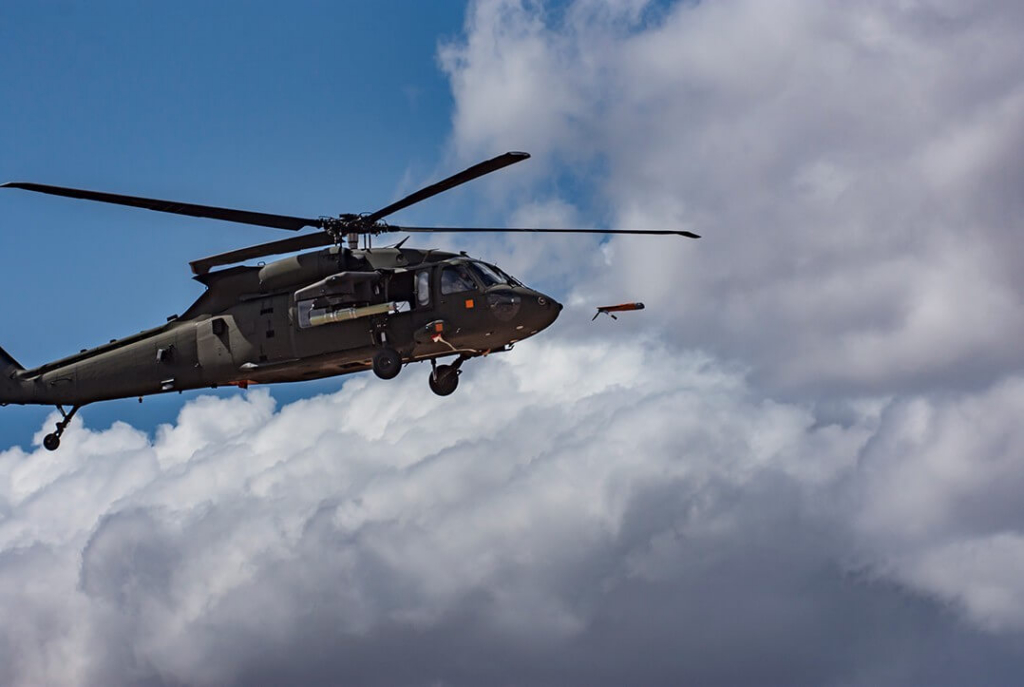
Vayu Baan fits into a wider trend in military aviation, where unmanned systems are increasingly being paired with manned platforms to extend operational reach and reduce risk.
Similar concepts are being explored globally, particularly under programmes focused on “air-launched effects”, where aircraft deploy drones to carry out reconnaissance, electronic warfare or strike missions.
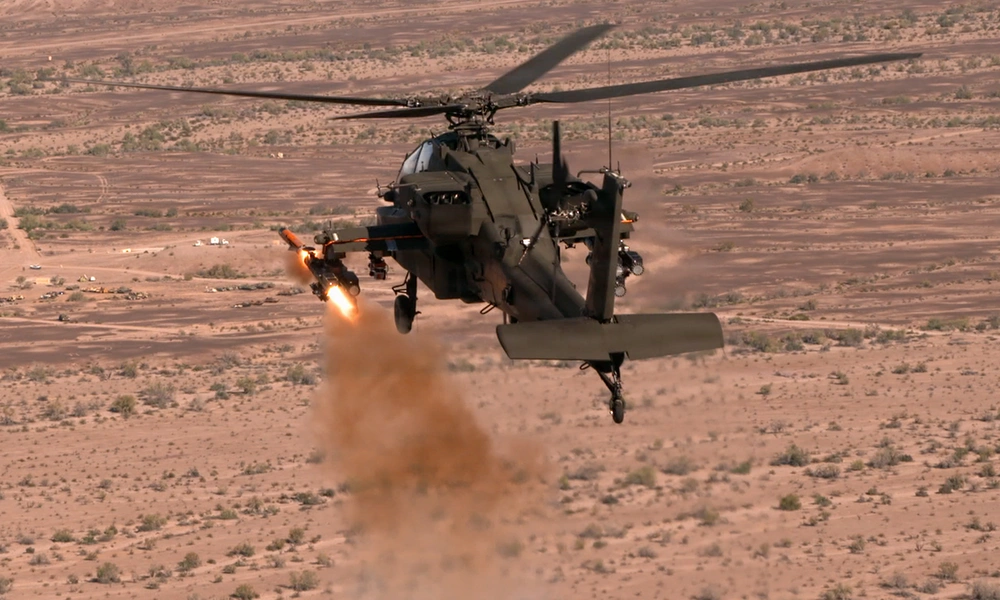
The United States has been advancing similar concepts under its “air-launched effects” programme, integrating drones with platforms such as the UH-60 Black Hawk and AH-64 Apache. China, meanwhile, has demonstrated air-deployed drone swarms, though operational deployment remains limited.
Other countries, including France and Israel, are also developing helicopter-launched loitering munitions, underscoring the growing importance of such systems in modern warfare.
For India, the emphasis on indigenous development also aligns with ongoing efforts to strengthen domestic defence manufacturing and reduce reliance on imported systems.
IAF Vayu Baan moves from concept to industry development phase
For now, Vayu Baan remains at the requirement and development stage, with the RFP marking the beginning of the industry participation phase.
What emerges from this process will depend on how effectively vendors can translate the IAF’s operational vision into a working system within tight timelines and demanding performance parameters.
If successful, the programme could reshape how Indian military helicopters operate in contested airspace, adding a layer of reach and flexibility that allows crews to stay further from danger while retaining the ability to strike with precision.
Featured image: IAF