US builds ground force presence in Middle East with 82nd Airborne and Marine deployments

4 min read
In the run-up to the air campaign over Iran, there was a huge build-up of naval and air force assets in the Middle East. However, there were no ground forces deployed.
That now appears to be changing as elite US Army and Marine airborne units are being dispatched to the Middle East.
US to deploy 82nd Airborne troops to the Middle East
Reports vary on the scale of the deployment. The Associated Press said at least 1,000 troops from the 82nd Airborne Division are set to deploy, while The New York Times suggested around 2,000 personnel and The Wall Street Journal reported “roughly 3,000”.
Yesterday, the reported that the United States is preparing to deploy at least 1,000 troops from the 82nd Airborne Division to the Middle East in the coming days.
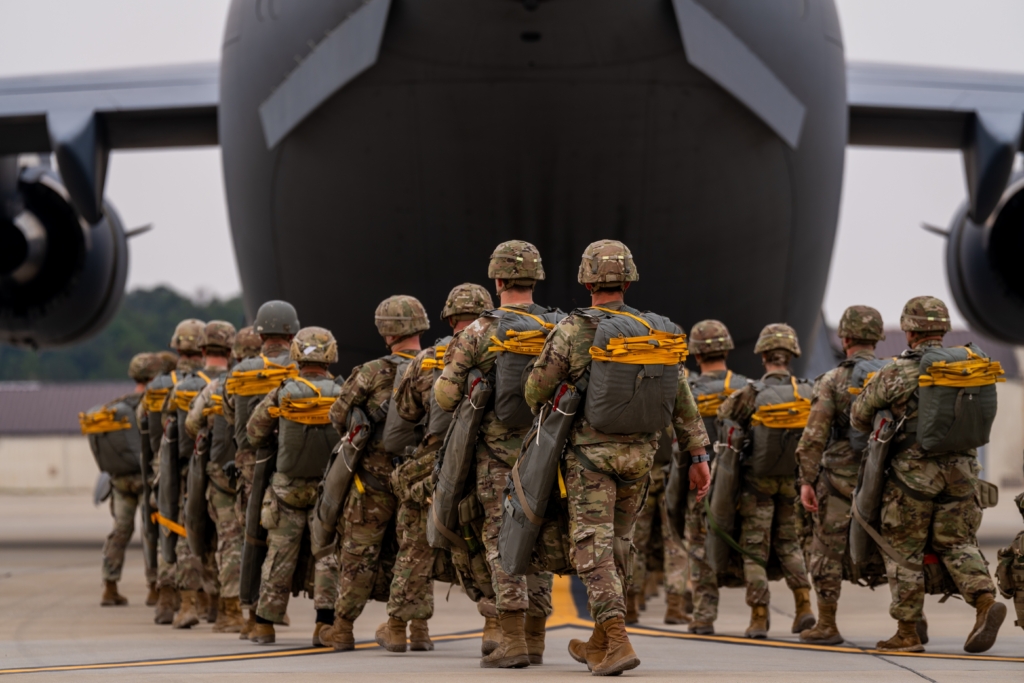
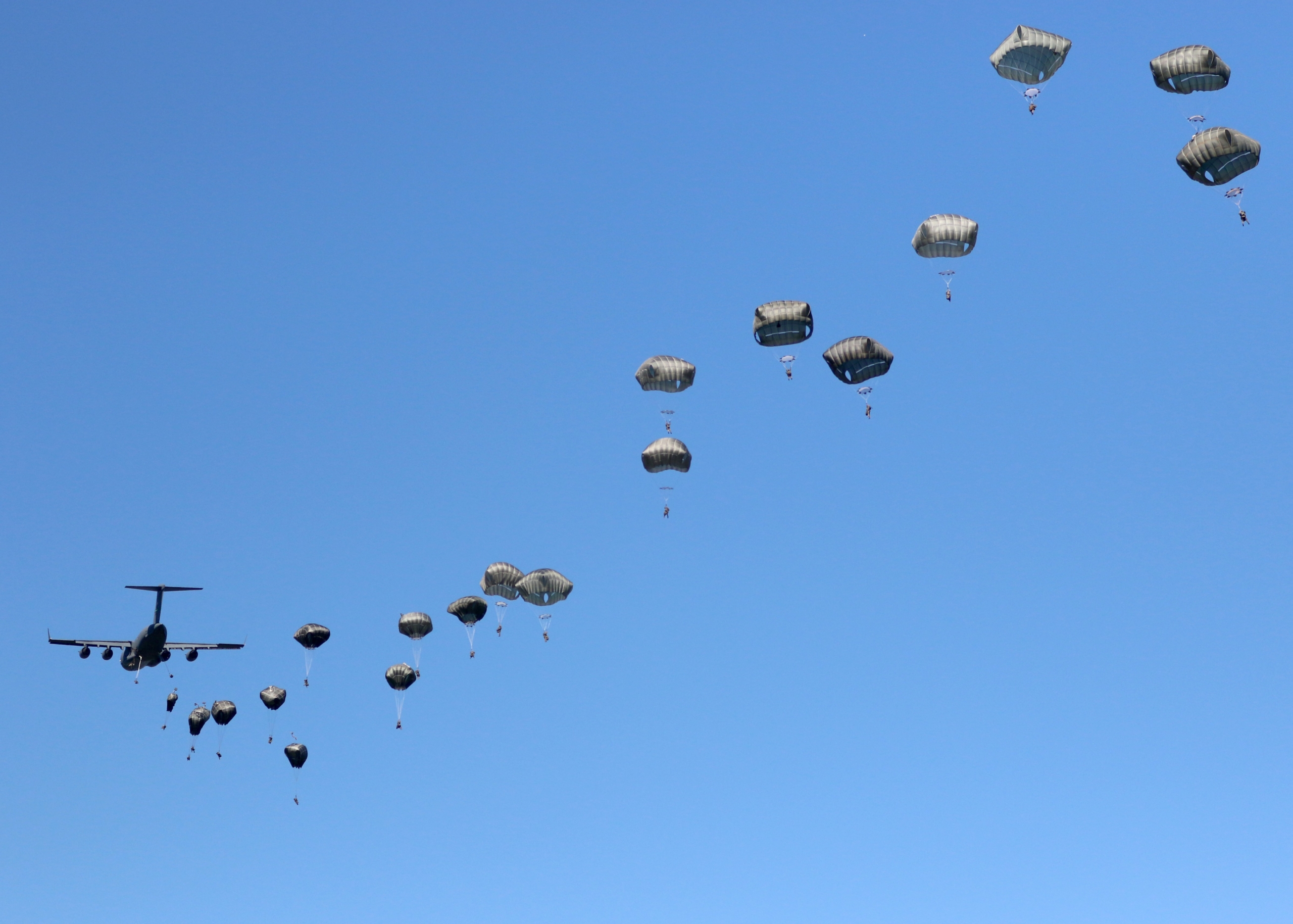
However, the exact number matters less than the capability being deployed. The 82nd Airborne is one of the US military’s premier rapid-response units, able to deploy globally within 18 hours and carry out forcible entry operations to seize and secure key objectives.
As the US Army puts it: “On order, the 82nd Airborne Division rapidly deploys within 18 hours of notification, strategically deploys, conducts forcible entry parachute assaults and secures key objectives for follow-on military operations in support of U.S. national interests.”
In practical terms, that means troops trained to enter contested environments quickly, including by parachute if required. As the Associated Press noted, these soldiers are specifically trained to secure critical infrastructure such as airfields in hostile territory.
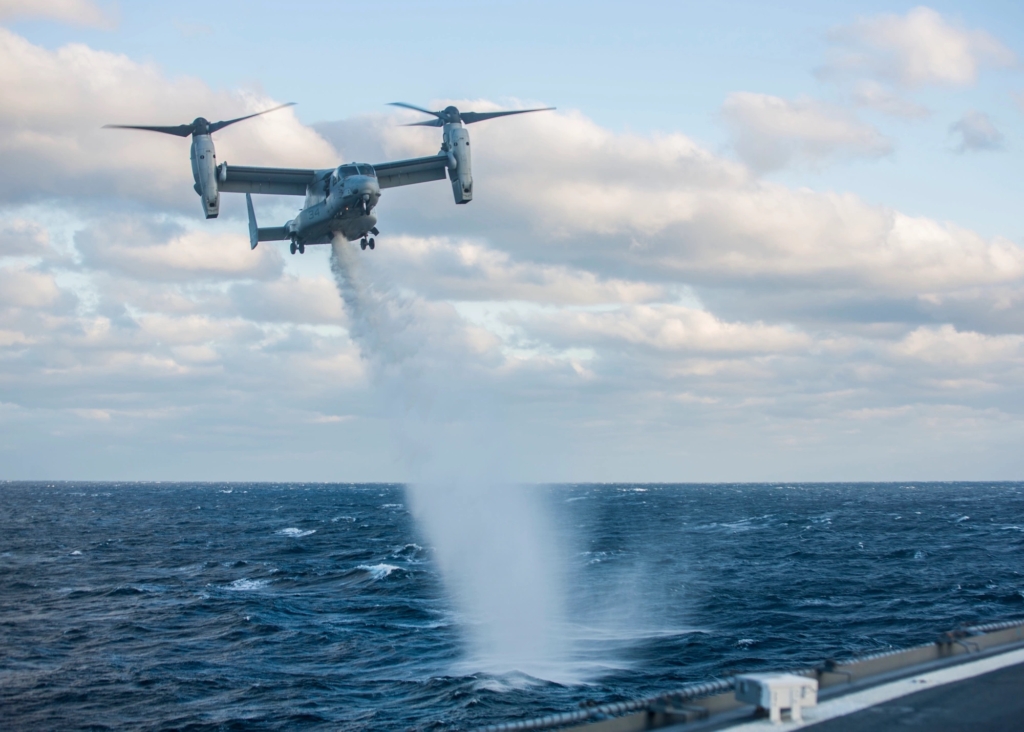
While these are elite airborne Army troops, it doesn’t mean they will parachute into battle. Perhaps more likely, they will fly in with CV-22 Ospreys that the US developed following the fiasco of its botched attempts to rescue the hostages during the Iranian Hostage Crisis of 1979.
The USS Boxer Amphibious Ready Group and the 2,500 Marines from the 11th MEU are heading to the Middle East as the US builds up its amphibious assault capabilities in the region.
— OSINTtechnical (@Osinttechnical) March 20, 2026
The USS Boxer, USS Portland, and USS Comstock departed San Diego over the past 48 hours. pic.twitter.com/SKWTleAbG7
The US Army’s 82nd deployment is not the full picture and is part of a much larger US invasion force buildup underway. While there are mixed signals from President Trump suggesting the war will end soon and that it is “already won”, the stage is being set for a new and deadlier phase of the war.
US amphibious forces, including USS Boxer, head to Middle East
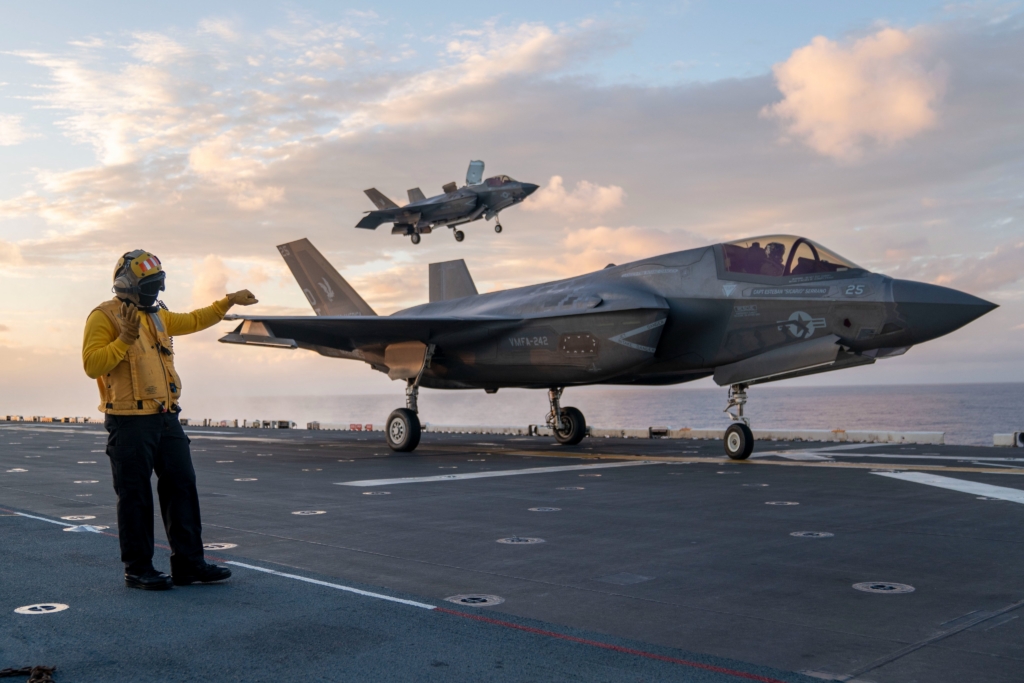
Importantly, two Marine Corps Amphibious Ready Groups (ARG) are on their way to the Middle East. Amphibious assault ships are often confused with aircraft carriers, but their roles are different. They carry F-35B fighter jets and V-22 Osprey tiltrotors.
The first ship redirected to the Middle East was the USS Tripoli, an American-class amphibious assault ship carrying elements of the 31st Marine Expeditionary Unit. It was deployed in the Pacific before being redirected to the Middle East.
The second ship is the Wasp-class USS Boxer, which is loaded with elements of the 11th Marine Expeditionary Unit (MEU).
The ship was dispatched from the West Coast in what is described as an “accelerated” deployment and is now passing near Hawaii. It is expected to arrive in the theatre in around 10 days. The Boxer is accompanied by the San Antonio-class USS Portland and the Whidbey Island-class USS Comstock.
In addition to these deployments, the US Army also maintains the 173rd Airborne Brigade, a forward-based airborne infantry unit in Vicenza, Italy. As part of the Army’s rapid-response force in Europe, it could be swiftly deployed to the Middle East if required, potentially reinforcing the growing Marine presence in the region.
Why the 82nd Airborne and Marines are heading to Iran
These Army and Marine airborne groups are not enough to launch any large-scale invasion of Iran, which would likely require hundreds of thousands of troops, including the bulk of the US Army.
Iran has sent extra troops and air defenses to Kharg Island as it prepares for a potential US offensive -CNN
— OSINTtechnical (@Osinttechnical) March 25, 2026
Iranian forces have also started deploying anti-personnel and anti-armor landmines around the island. pic.twitter.com/rtv5ugHWwS
The Pentagon has not disclosed what the intended mission is. It could be to increase pressure on Iran as negotiations take place.
Two leading theories are that the US plans to seize Kharg Island in the Persian Gulf. Kharg Island is a tiny, but vital, Iranian island that handles around 90% of its oil exports. Seizing it could allow the US to essentially hold the Iranian economy to ransom.
The U.S. is sending the 2,200 Marines and sailors of the 31st Marine Expeditionary Unit from INDOPACOM to the Middle East.
— OSINTtechnical (@Osinttechnical) March 13, 2026
The 31st MEU is based around the USS Tripoli (LHA 7) and its air wing of Ospreys and F-35s. pic.twitter.com/Q1ZMn9eBF8
Another option is that the US may be planning to seize small but strategically important Iranian islands in and around the Strait of Hormuz. This could help in forcing the strait open. These options are not mutually exclusive, and the ultimate goal remains unclear.
Featured Image: US Army