


eIPP: These are the air taxis the US will see flying this summer

4 min read

The US Department of Transportation (USDOT) and the Federal Aviation Administration (FAA) have selected eight projects in the Advanced Air Mobility and eVTOL Integration Pilot Program (eIPP) to test next-generation aircraft in real-world operating environments across the nation.
This summer, a new generation of aircraft will begin flying across the United States as part of real-world trials designed to bring air taxis and electric aircraft into everyday aviation. The program falls under President Trump’s Unleashing Drone Dominance Executive Order, issued last June.
The trials will span 26 states, exploring everything from passenger air taxis and regional flights to cargo deliveries and emergency medical transport. They will put the futuristic notion of electric “flying taxis” into practice.
Why the US is running eIPP trials
The FAA says the goal of the eIPP is to gather real operational data before approving large-scale commercial operations.
The pilot projects will test how electric aircraft interact with airports, air traffic control, charging infrastructure and communities. The results will help regulators develop the safety rules required for the industry to scale.
Unlike previous advanced air mobility demonstrations, the eIPP program will focus on real transport missions, including:
- Urban passenger air taxis
- Regional commuter flights
- Medical logistics and emergency response
- Cargo deliveries
- Offshore energy transport
- Autonomous flight operations
These will be closer to real-world passenger air transport and logistics operations than to experimental test flights.
The 9 companies selected for the eIPP trials
Nine aviation technology companies were selected as aircraft partners in the pilot projects. Together, they represent most of the leading US startups building electric aircraft.
BETA Technologies
BETA Technologies emerged as the program’s biggest winner.

The Vermont-based electric aircraft developer will participate in seven of the eight pilot projects, testing its ALIA aircraft in both vertical-takeoff and conventional runway variants.
Backed by Amazon, BETA is focusing heavily on cargo, medical transport and regional connectivity, and has already built a network of charging stations to support electric aviation. The company recently completed successful trials of its ALIA aircraft in Norway, proving that it can easily integrate into existing aviation infrastructure.
Joby Aviation
California-based Joby Aviation is considered one of the most advanced developers of air taxis.

The company’s piloted five-seat electric air taxi is designed for short urban trips, with near-silent operation and a top speed of around 200 mph. Joby has recently partnered with Uber on a booking platform that will make travelling by air taxi as seamless as hiring a car, with plans to first roll out the system in Dubai.
Joby will participate in five of the US eIPP pilot projects, including trials across multiple states and use cases such as passenger flights and medical transport.
Archer Aviation
Archer Aviation is developing the Midnight eVTOL, a piloted electric aircraft designed for short urban air taxi routes.

The company, headquartered in California, was selected for three eIPP pilot projects, partnering with cities and local governments to test urban air taxi operations and supporting infrastructure.
Electra
Electra will trial its hybrid-electric “ultra-short takeoff” aircraft, which can use extremely short runways rather than vertical takeoff.
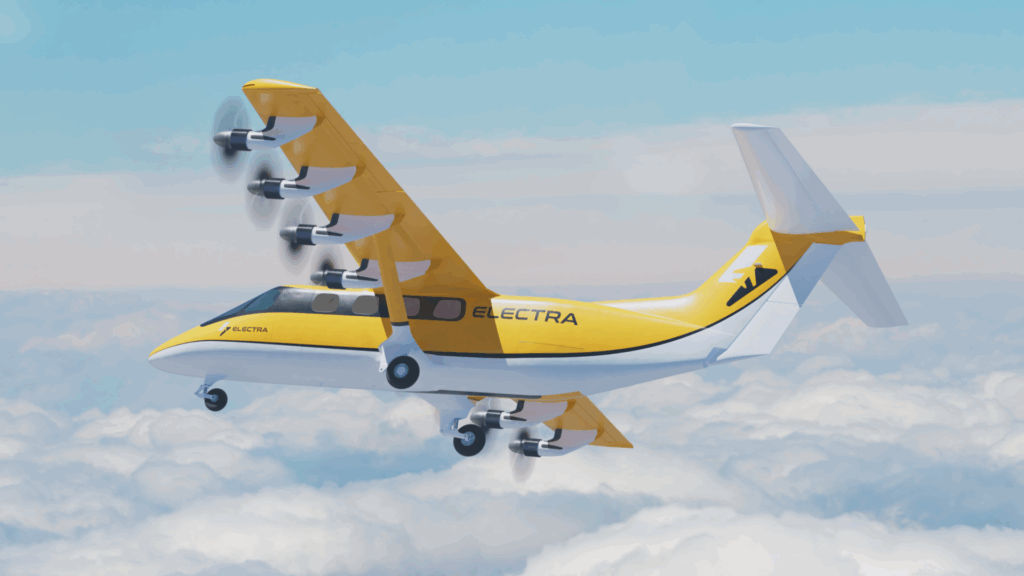
It could allow small airports and rural communities to host electric aircraft services without major infrastructure upgrades.
Wisk Aero
Backed by aerospace giant Boeing, Wisk Aero is developing a fully autonomous air taxi designed to operate without a pilot.

Wisk will participate in one of the pilot projects as regulators explore how autonomous passenger flights could eventually work in US airspace.
Elroy Air
Rather than transporting passengers, Elroy Air focuses on cargo drones.
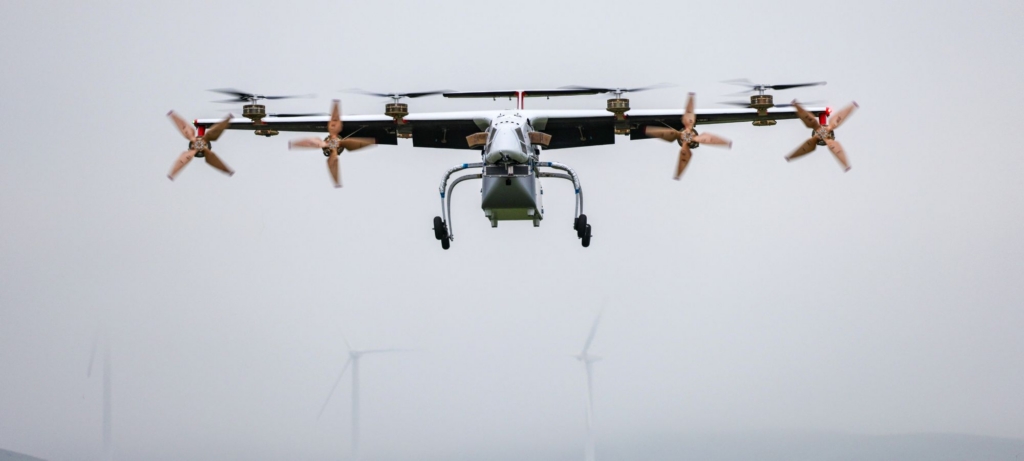
The company’s large autonomous aircraft would transport freight between logistics hubs, possibly replacing truck-based regional deliveries.
Ampaire
Ampaire specialises in hybrid-electric aircraft conversions, modifying conventional aircraft to reduce emissions and fuel burn.
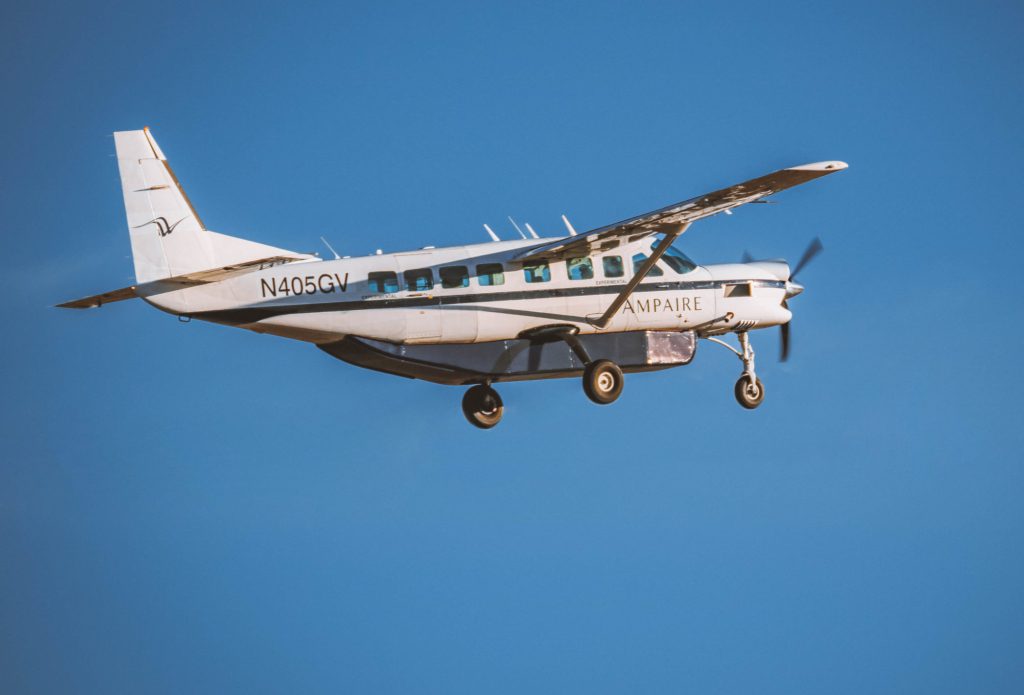
These aircraft are likely to be used in the trials for regional transport missions.
Reliable Robotics
Reliable Robotics is developing autonomous flight systems that can enable existing aircraft to operate without onboard pilots.
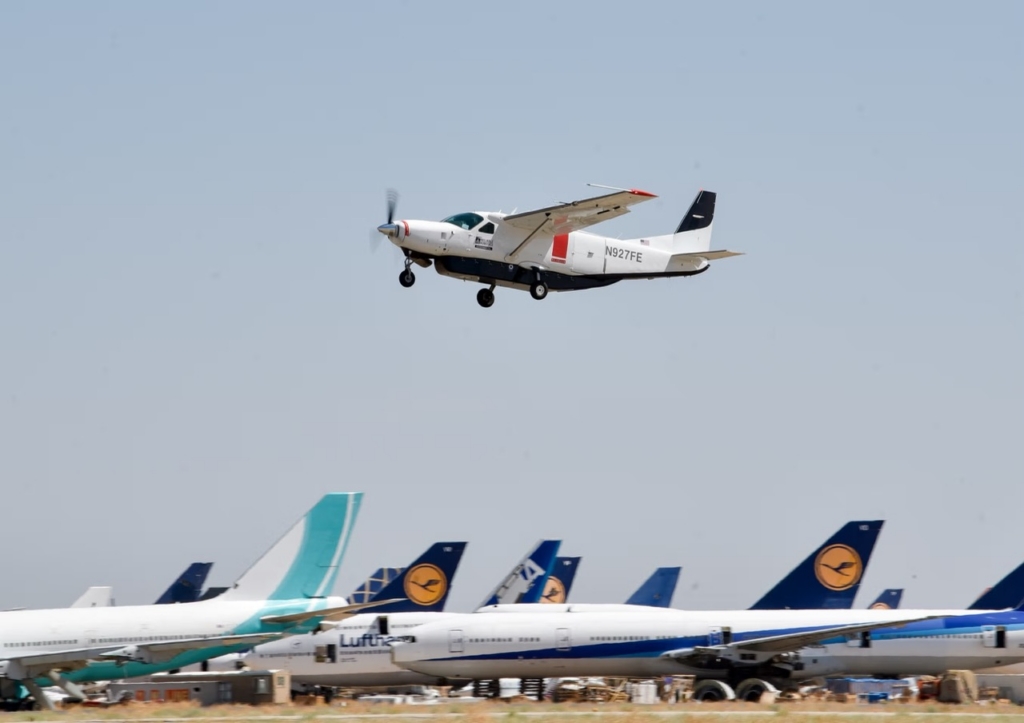
The technology could dramatically reduce operating costs for regional air services.
Where the eIPP trials will happen
The eIPP pilot projects involve partnerships between aircraft developers and state or local governments.
Selected partners include:
- Port Authority of New York and New Jersey
- Texas Department of Transportation
- Pennsylvania Department of Transportation
- Louisiana state authorities
- Florida Department of Transportation
- North Carolina Department of Transportation
- City of Albuquerque
These projects will test different operational models — from urban air taxis to offshore logistics flights.
How soon will we actually fly in air taxis?
The eIPP trials will begin in summer 2026, and participants will conduct trial flights under FAA oversight. The FAA, manufacturers and infrastructure contributors will need to complete the regulatory and certification requirements to support next-gen flight before air taxis become a part of everyday life.
The eIPP trials will help advance those efforts. If successful, the data gathered from the program could pave the way for commercial air taxi services later this decade. While it may still be a few years before passengers routinely hail an aircraft the way they call an Uber, the upcoming trials will be a major step forward, helping to make electric air taxis a real transportation option in the near future.
Featured Image: Joby / Archer / AGN


