


Embraer integrates Valkyrie Gunslinger AI system on A-29 Super Tucano for counter-UAS missions

4 min read
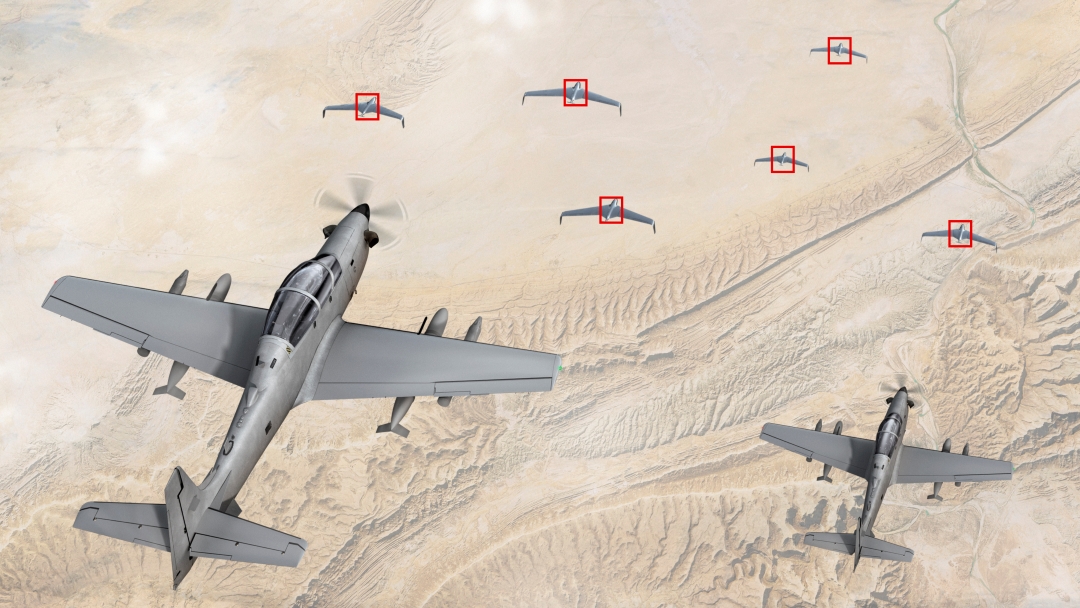
Embraer is moving to expand the operational role of its A-29 Super Tucano by integrating artificial intelligence-enabled counter-drone capabilities into the aircraft, reflecting a growing global demand for cheaper and scalable ways to defeat unmanned aerial threats.
The Brazilian airframer announced a partnership with US-based Valkyrie Aero to integrate the company’s Gunslinger artificial intelligence suite into the A-29 platform.
The system is designed to detect, track and engage hostile unmanned aerial systems (UAS), turning the turboprop light attack aircraft into a dedicated counter-UAS platform.
The collaboration was announced on 4 March in Jacksonville, Florida, where Embraer maintains its US facility responsible for assembling the Super Tucano for American customers and aircraft delivered through the US government’s Foreign Military Sales programme.
How the A-29 Super Tucano is becoming an AI-powered drone interceptor
The integration of Valkyrie’s Gunslinger technology marks the latest step in Embraer’s effort to adapt the Super Tucano to evolving threats on the modern battlefield, particularly the proliferation of reconnaissance drones, loitering munitions and one-way attack systems.
The AI-based system is designed to accelerate tactical decision-making in combat by processing sensor data in real time and assisting pilots in identifying and engaging unmanned threats.
The concept follows the traditional “find, fix and finish” chain used in targeting operations, but applies automation and artificial intelligence to shorten the time between detection and engagement.
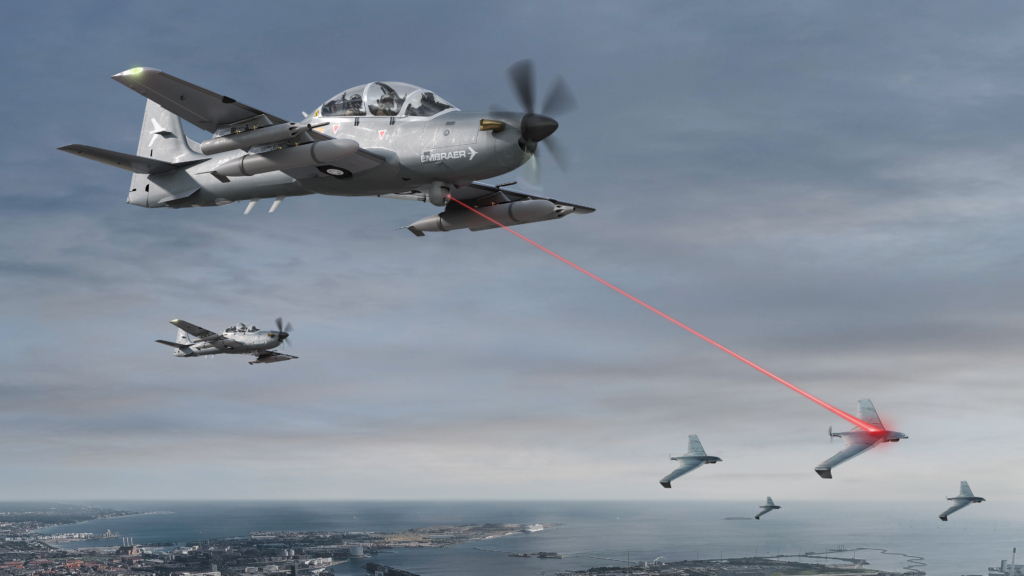
The A-29 already carries a suite of integrated combat-proven sensors and weapons. Embraer says the new architecture will build on those capabilities to create a platform more specifically optimised for counter-UAS missions.
“With over 60,000 combat flight hours, the A-29 Super Tucano is the gold standard for light attack globally, and the ideal platform for manned C-UAS operations,” said Marcio Monteiro, Market Intelligence Vice-President of Embraer Defence & Security.
In operational terms, the concept is straightforward: rather than deploying expensive frontline fighter jets or surface-to-air missiles to destroy relatively inexpensive drones, militaries could use a lower-cost manned aircraft capable of remaining on station for extended periods while intercepting unmanned threats.
The Embraer A-29 Super Tucano offers a lower-cost counter-drone solution
The move reflects a broader challenge facing modern armed forces. In several recent conflicts, militaries have been forced to expend high-value interceptors or deploy advanced fighters to shoot down relatively cheap drones, driving up the cost of air defence operations.
Embraer is positioning the Super Tucano as a more economically sustainable alternative for such missions.
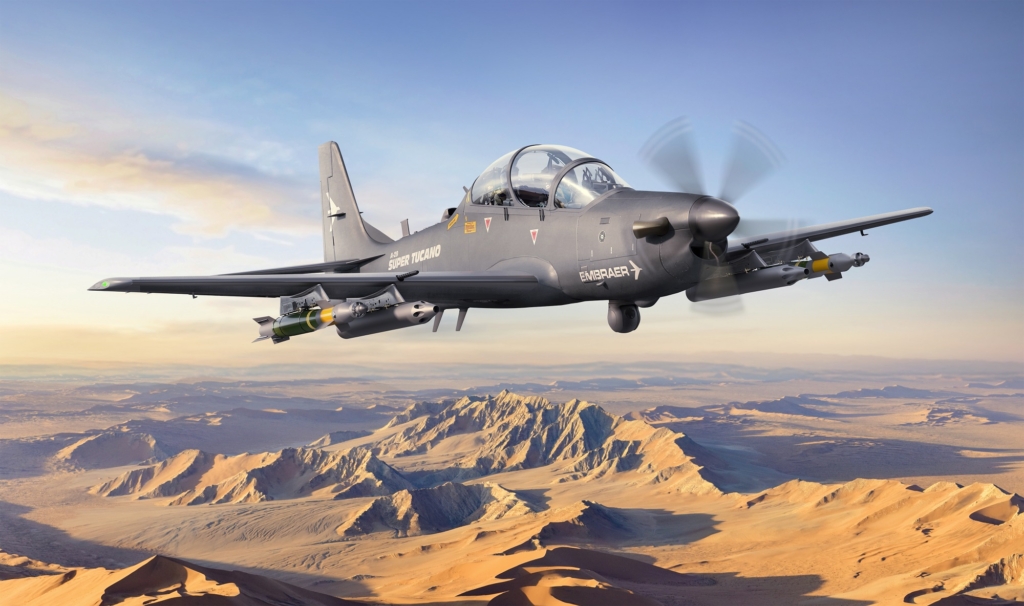
As a turboprop light attack and training aircraft, the A-29 combines long endurance, low operating costs and agility at relatively low speeds. These characteristics allow it to match the flight profile of many attack drones more closely than high-performance jet fighters.
This creates a more stable engagement platform for short-range weapons such as machine guns, guided rockets and other precision munitions.
The aircraft’s ability to remain airborne for extended periods also supports persistent surveillance and patrol missions aimed at identifying drone launch sites or intercepting incoming threats.
Embraer expands the A-29 Super Tucano mission set with counter-UAS capability
The partnership also reflects Embraer’s broader strategy to expand the operational profile of the Super Tucano as the defence market shifts towards flexible multi-mission platforms.
The aircraft is already widely used for advanced pilot training, border surveillance, close air support and light attack roles. Counter-drone missions are now emerging as a new operational niche.

The A-29 programme has accumulated more than 60,000 combat flight hours worldwide, with operators using the aircraft in counter-insurgency operations, border patrol and irregular warfare environments.
Embraer has increasingly highlighted the platform’s endurance, survivability and low operating costs as advantages in an era where armed forces are searching for ways to counter asymmetric threats without relying exclusively on high-end combat aircraft.
International demand grows for the A-29 Super Tucano
The push to expand the Super Tucano’s role comes as Embraer continues to secure new international customers for the aircraft.
In December 2024, Portugal became the launch operator of the A-29N, a variant configured with communications and systems compatible with NATO standards, after ordering 12 aircraft.
The same month, Embraer announced the sale of four aircraft to a new African customer.
More recently, in February 2026, the company delivered the first two A-29 aircraft to Uruguay, further expanding the aircraft’s footprint in Latin America.
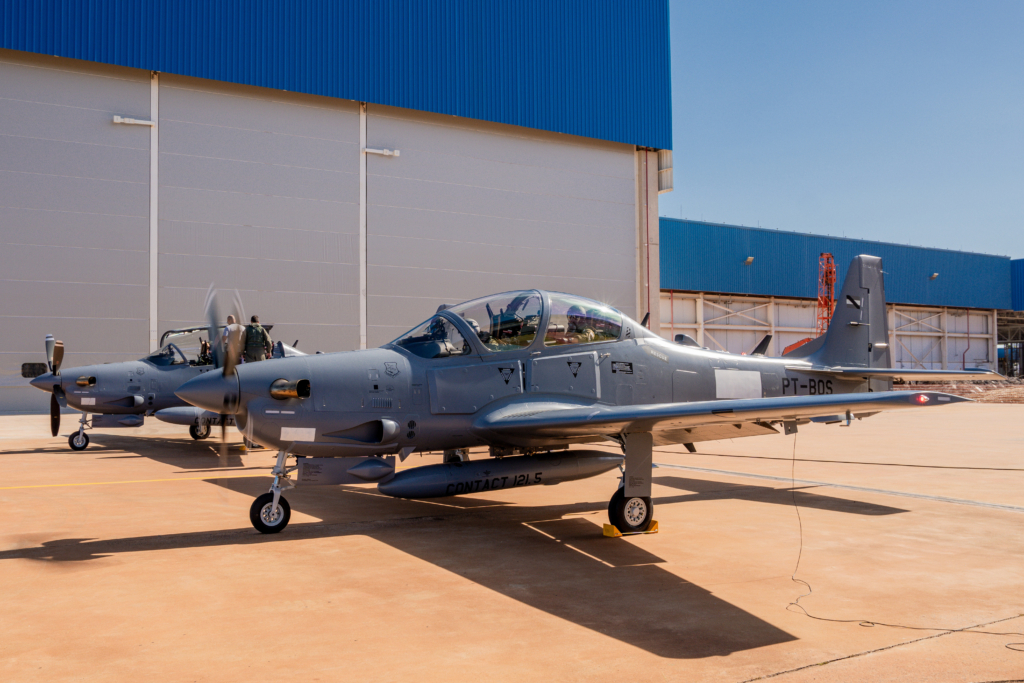
By adding dedicated counter-drone capability to the platform, Embraer appears to be positioning the Super Tucano as a specialised solution for a rapidly changing threat environment in which low-cost unmanned systems are increasingly capable of overwhelming traditional air defence systems.
“Gunslinger is born from the immediate needs of the frontline warfighter, whom Valkyrie trains and engages with every day,” said Chris Turner, Senior Vice President, Corporate Strategy of Valkyrie Aero.
The integration of AI-driven counter-UAS technology signals a shift in how the aircraft is being marketed internationally, from a light attack and training platform to a manned system capable of intercepting and neutralising unmanned threats.
Featured image: Embraer
Sign up for our newsletter and get our latest content in your inbox.


More from


October 25, 20266 min read

October 25, 20265 min read


