


Proudly Scottish: Loganair marks 64 years as Scotland’s airline and a vital UK connector

12 min read
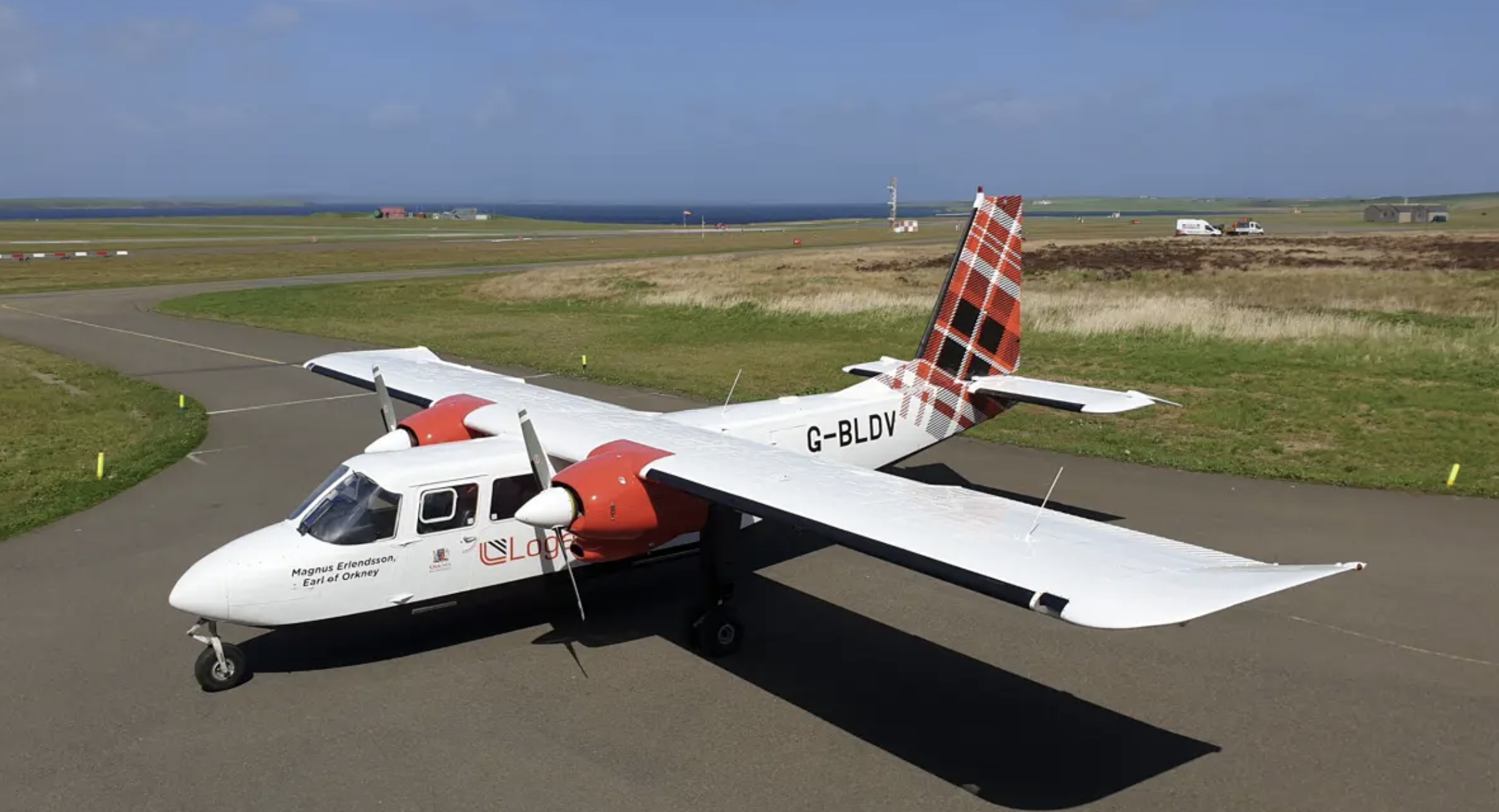
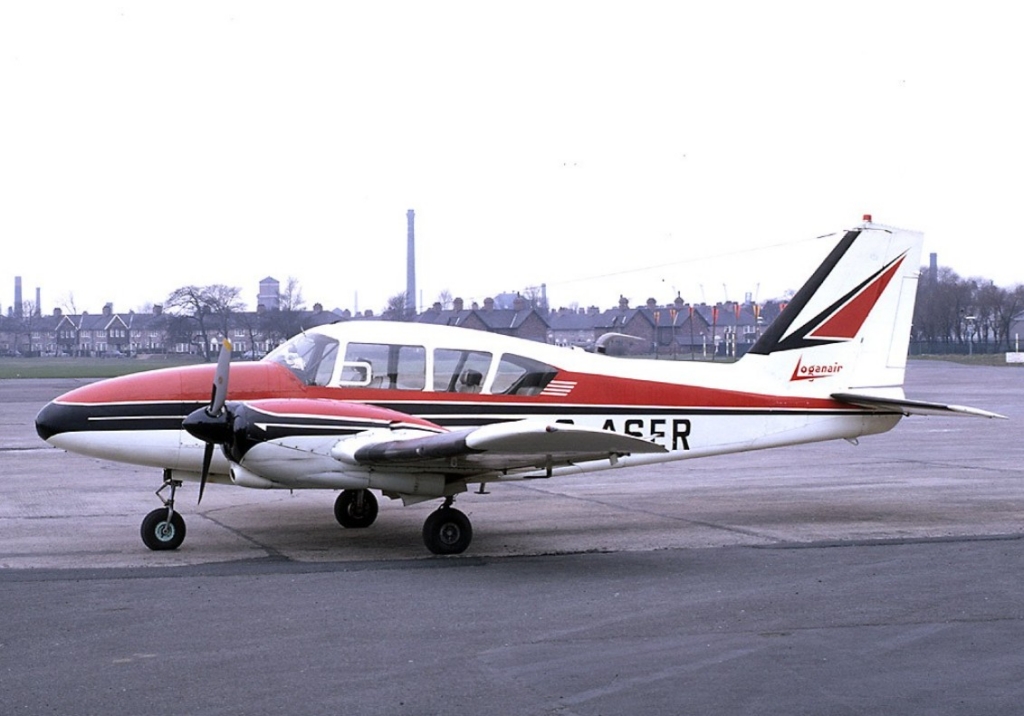
As the UK’s largest independent airline and also the country’s largest regional carrier, Loganair has come a long way since its first flight in 1962. Starting operations with a single-engine Piper Aztec, the company has grown to serve around 40 destinations with a fleet of 36 aircraft.
Nowadays, Loganair aircraft crisscross the United Kingdom, serving a mixture of lifeline routes to smaller Scottish communities as well as trunk routes serving some of the largest airports in the UK.
Aerospace Global News takes a closer look at the history of Loganair, and how, from the humblest of beginnings, the carrier has evolved into one of Europe’s most significant regional airlines.
A brief history of Loganair: The early years
Loganair was established on 1 February 1962 by a Scottish entrepreneur, Willie Logan. Owner of the Logan Construction Company based in Edinburgh, Logan acquired a Scottish air taxi firm, Capital Services, and began using the company’s aircraft to travel around his construction sites in Scotland.
Under Logan’s vision, this modest operation soon rebranded as Loganair and took off with the single Piper PA-23 Aztec aircraft based at Edinburgh Airport (EDI).
Loganair’s long history of connecting remote communities took flight in October 1963 with its first scheduled passenger service between Dundee and Turnhouse Airport in Edinburgh. This route was designed to meet the needs of contractors working on the iconic Tay Road Bridge, providing a vital air link for project personnel to access the site easily from other parts of Scotland.
In addition to the scheduled flights, an on-demand service was established for business travellers between Dundee and Edinburgh, marking the beginning of Loganair’s commitment to supporting business travellers in Scotland and linking them with the nation’s capital.
This inaugural route set the foundation for Loganair’s dedication to serving customers across Scotland to boost the country’s national economy and infrastructure. By 1964, Loganair had expanded its services with a unique contract to deliver newspapers to the remote Scottish airport of Stornoway in the Outer Hebrides.
In addition to newspapers on the route, the Aztec aircraft became well known for the transportation of local goods such as Harris tweed back to the mainland for both domestic markets and for export. This service cemented Loganair’s early dedication to supporting Scotland’s communities and industries, linking remote areas with essential goods and services, and promoting local craftsmanship.
In 1967, Loganair took a significant step forward in its development by launching an inter-island service between the Orkney Islands. This service connected the mainland at Kirkwall with the smaller Orkney islands. That same year, Loganair was awarded an air ambulance contract to operate between Scottish airports.
1967: Loganair introduces its first twin-engined aircraft
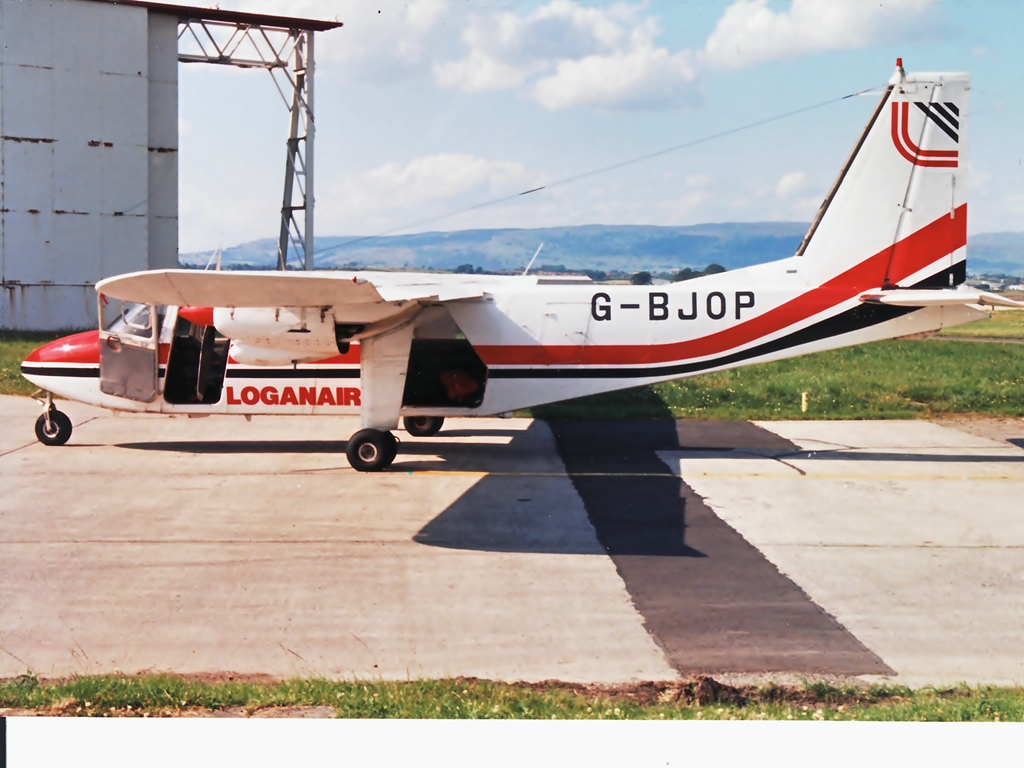
While the Piper Aztec performed the first ambulance flight in 1967, the airline took delivery of three Britten Norman Islander aircraft, the UK-built twin-engine eight-seat light commuter airliner. Along with the passenger flights, the Islander would eventually form the backbone of the airline’s air ambulance fleet. This versatile aircraft, renowned for its reliability and ruggedness, continues to serve the airline today.
In October 1968, Loganair entered a new era when the National Commercial Bank of Scotland acquired a capital share in the airline. This partnership brought with it a novel service for the island communities, particularly on the Isle of Lewis, where Loganair supported the beginning of operations for mobile banking services.
Toward the end of the 1960s, Loganair operated routes across Scotland and the Orkney Islands. With its lucrative air ambulance contract, along with a handful of inter-island services and business routes such as Dundee to Edinburgh, the airline was all set for the 1970s. Throughout the 1970s, Loganair continued to expand its operations across Scotland.
`1980: Loganair’s first turboprop aircraft join the fleet
In 1980, Loganair expanded its fleet with the addition of two Embraer 110 Bandeirante aircraft, marking a significant step forward in the airline’s growth. These aircraft offered increased speed, greater range, and enhanced passenger comfort, which were key factors in meeting the evolving demands of the airline’s expanding network.
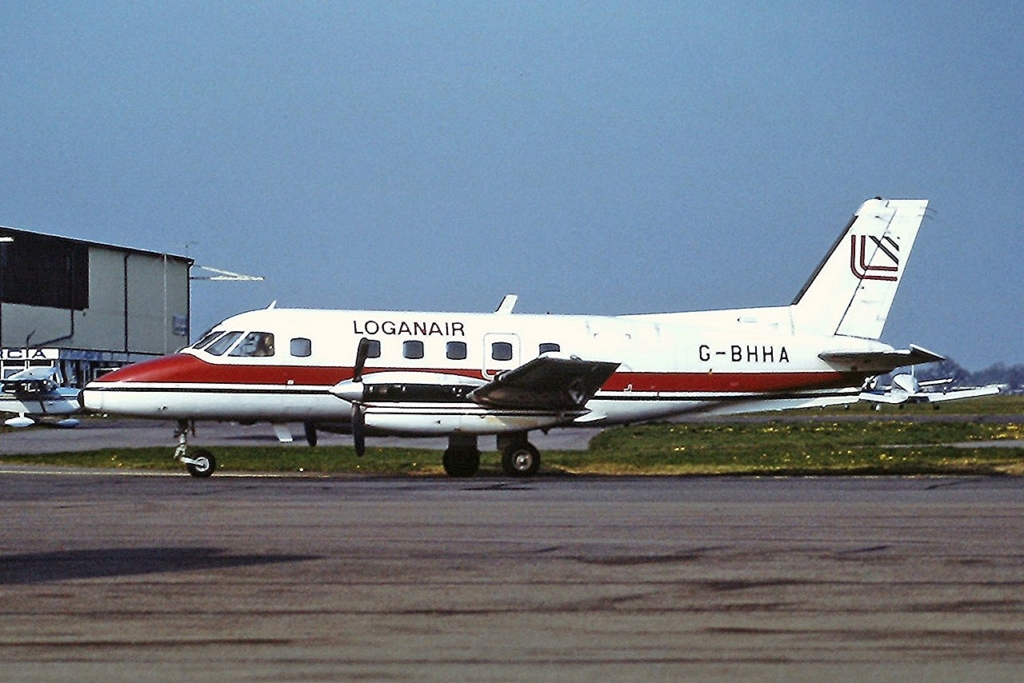
The introduction of the Embraer 110s allowed Loganair to provide essential air services to the offshore oil industry, supporting oil companies operating in the North Sea. This new capability helped establish Loganair as a dependable partner for both passenger and cargo transportation to remote offshore locations, solidifying its role in the region’s industrial growth.
By the early 1980s, demand dictated that the airline needed to acquire even larger aircraft. The carrier obtained several Short SD330 and later SD360 airliners, while turboprop Fokker F-27s also joined the fleet.
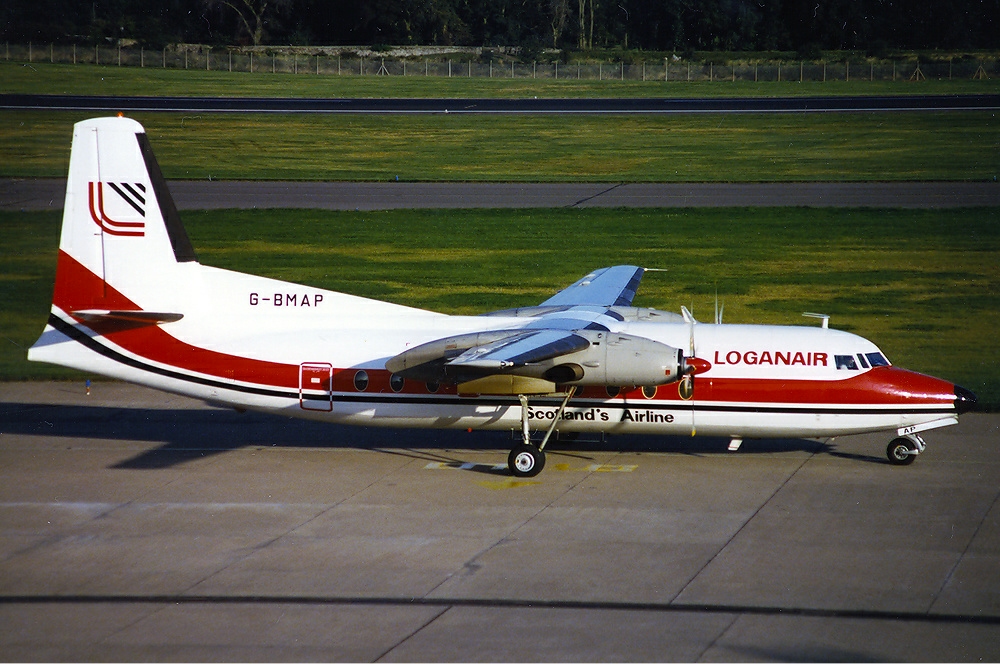
With a capacity of around 44 passengers, the F-27s marked a significant step-up over anything that the airline had operated before and gave the carrier the additional range it needed to begin cross-border operations and longer routes.
1983: British Midland Airways becomes a key partner of Loganair
In December 1983, Loganair was acquired by Derby-based British Midland Airways, marking a significant milestone in the airline’s history. This partnership (known as ‘Airlines of Britain Group’) enabled Loganair to expand its network and enhance its regional connectivity even further.
Following the acquisition, Loganair’s route map grew to cover not only Scotland but also extended into England and Northern Ireland, allowing the airline to offer more extensive services across the UK.
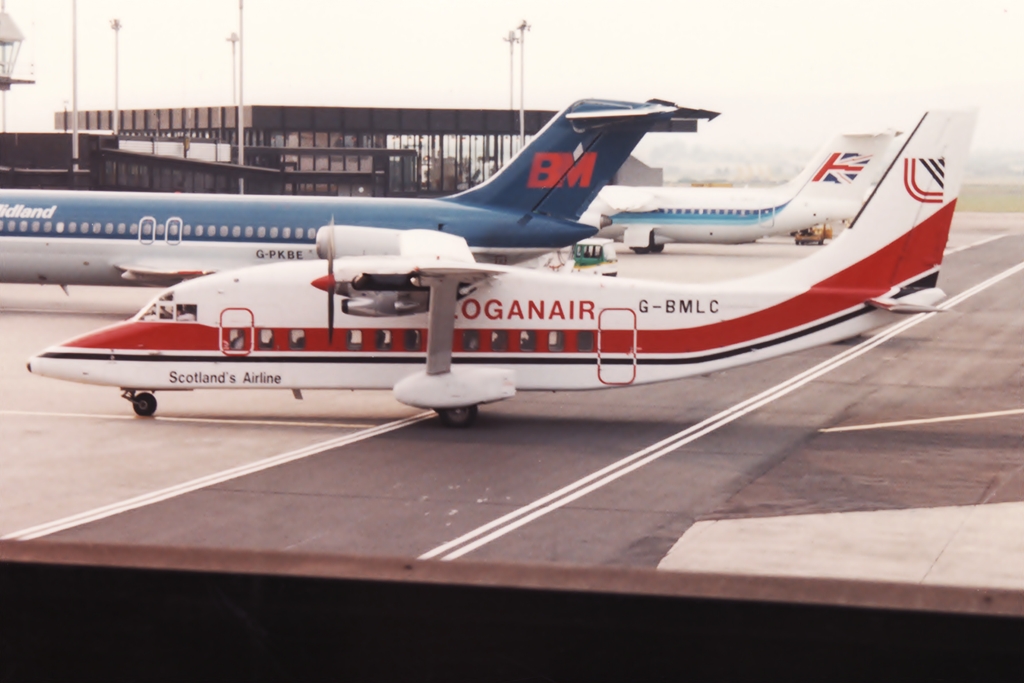
The acquisition provided Loganair with greater resources and support, helping the airline strengthen its position in the domestic market and further enhance its service offerings to both business and leisure travellers.
This expansion marked the beginning of a new chapter for Loganair, allowing it to become an even more integral part of the UK’s regional air travel landscape.
The jet age begins at Loganair
The acquisition also led to the acquisition of the company’s first jet aircraft in the form of two British Aerospace 146-200s to link Glasgow and Edinburgh airports with Manchester Airport (MAN) in the north of the UK.
Further fleet additions in the 1980s under BMA ownership saw Jetstream 31s, Jetstream 41s, and British Aerospace ATPs join the operation. By the late 1980s, Loganair was the fastest-growing scheduled operator at Manchester Airport, and, in terms of number of flights, was the airport’s second-busiest carrier.
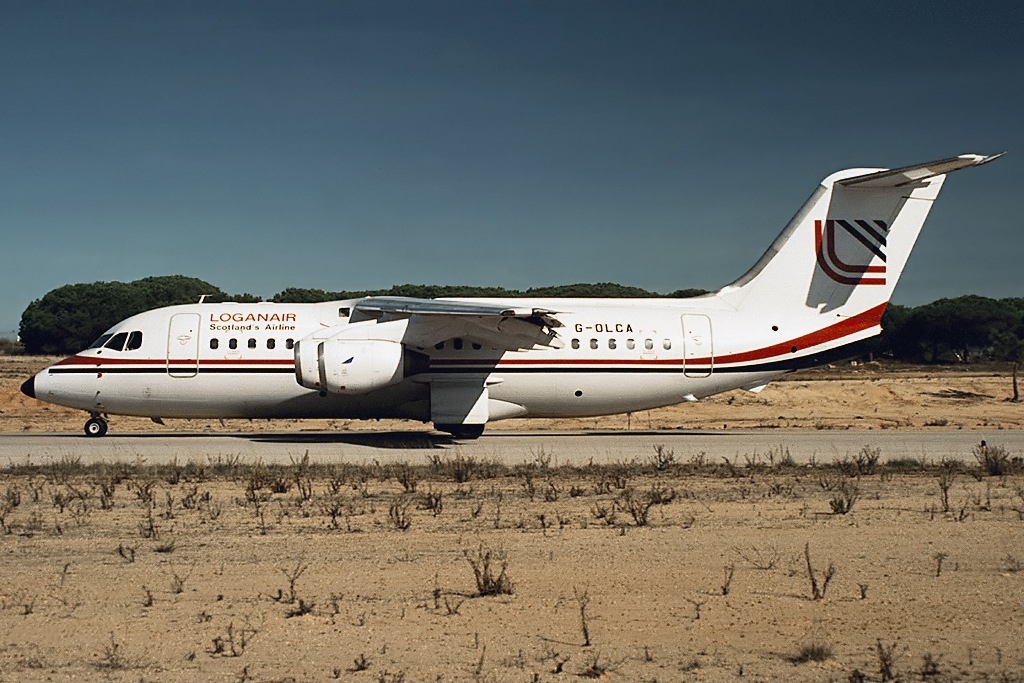
After a restructuring of British Midland Group in early 1994, Airlines of Britain announced in 1996 it would split its regional airlines into a separate grouping, which would enable Loganair to increase its franchise links with British Airways while British Midland looked to increase ties with German carrier Lufthansa.
1996: Loganair becomes a British Airways franchisee
Along with Manx Airlines of the Isle of Man, the new airline group was renamed as the British Regional Airlines Group (BRAL), with the British Airways franchise operations of Manx Airlines and Loganair operating under the British Regional Airlines banner.
Loganair’s routes outside Scotland and the aircraft used to operate them were transferred to Manx Airlines. However, by the end of that year, Loganair would become a franchisee of British Airways, operating much of its fleet in the British Airways livery.
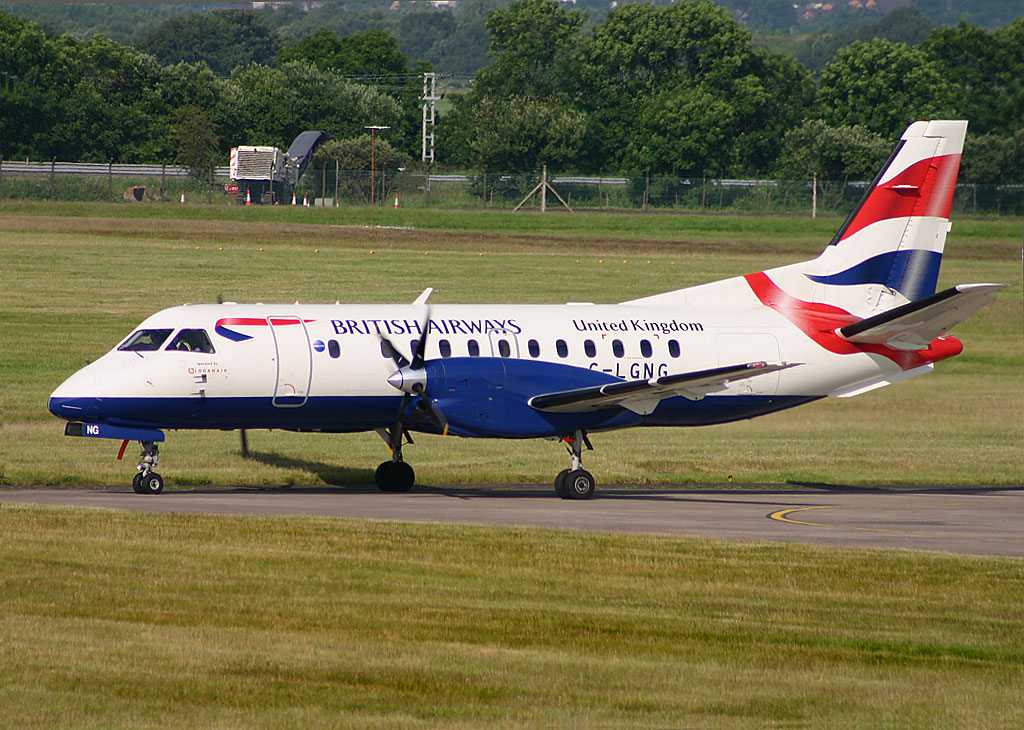
Under the agreement, Loganair began operating flights on behalf of British Airways on several key routes, significantly expanding its service offerings and reach. These routes included Loganair’s Highland routes and British Airways’ popular connections, such as:
- Glasgow to Aberdeen
- Glasgow to Sumburgh via Inverness and Kirkwall
- Glasgow to Belfast
This partnership helped Loganair tap into a broader customer base while maintaining its strong regional focus. It also enabled British Airways to enhance its presence in Scotland and the North of England, with Loganair providing essential connections in the Highlands and Islands.
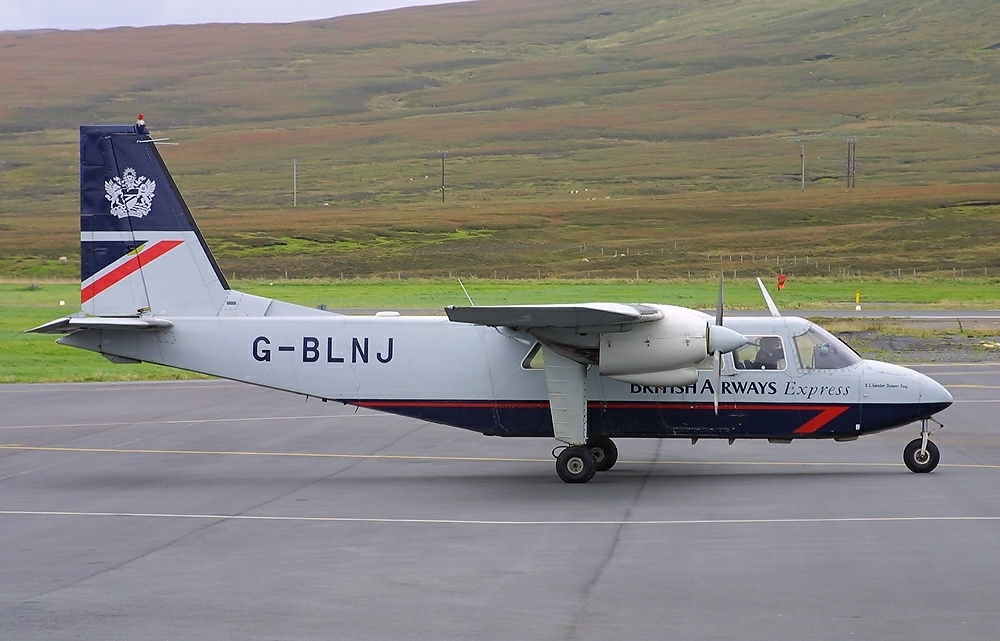
This franchise deal ended in July 2008, when Loganair would become a franchise carrier for another UK regional airline – Flybe (see below).
1997: Loganair undergoes a management buyout and restructuring
In 1997, Loganair underwent a significant change with a management buyout led by chairman Scott Grier. This move gave the company greater autonomy and allowed it to further expand and develop its regional services.
During this period, Loganair continued to strengthen its connections across Scotland with key fleet developments and just 44 staff.
- Five Britten-Norman Islanders were used to operate the vital Shetland and Orkney inter-island services, ensuring reliable transport between these remote islands.
- The De Havilland Twin Otter was introduced on routes from Glasgow to Tiree, Barra, and Campbeltown, enhancing the airline’s ability to serve Scotland’s more challenging and remote airports.
This era marked a significant phase in Loganair’s evolution, consolidating its position as a regional airline with deep roots in Scotland and a focus on connecting even the most isolated communities.
The 2000s: Loganair expands its Scottish route network
By 2004, Loganair had significantly expanded its network, having acquired all the Scottish routes previously operated by British Airways CitiExpress. This acquisition marked a major milestone in the airline’s growth and solidified its presence as the key regional carrier in Scotland.
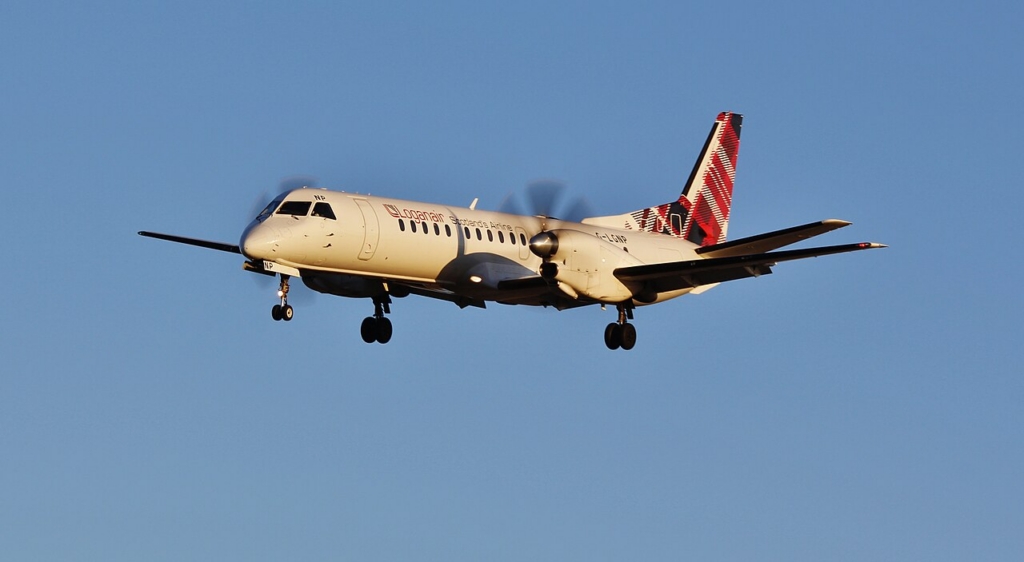
With the new routes, Loganair was now operating services connecting some of the most remote communities in Scotland, including:
- Glasgow to Stornoway
- Glasgow to Benbecula
- Aberdeen to Sumburgh
- Aberdeen to Kirkwall
These additions helped Loganair become even more integral to the Scottish travel landscape, ensuring essential connections between the mainland and the Northern Isles, as well as the Western Isles.
2008: Loganair switches franchise agreement to Flybe
In 2008, Loganair’s long-standing franchise agreement with British Airways ended, marking a significant shift in the airline’s strategic direction. Taking this opportunity, Loganair entered into a new franchise agreement with Flybe, a leading regional carrier in the UK at the time.
This new partnership allowed Loganair to expand its reach and services, benefiting from Flybe’s established network across Europe.
Despite the end of the franchise agreement with British Airways, the strong relationship between the two airlines continued through a codeshare arrangement.
This arrangement allowed Loganair’s flights to be marketed as connecting flights with British Airways services to London and beyond, maintaining seamless connectivity for passengers flying from Scotland to various international destinations.
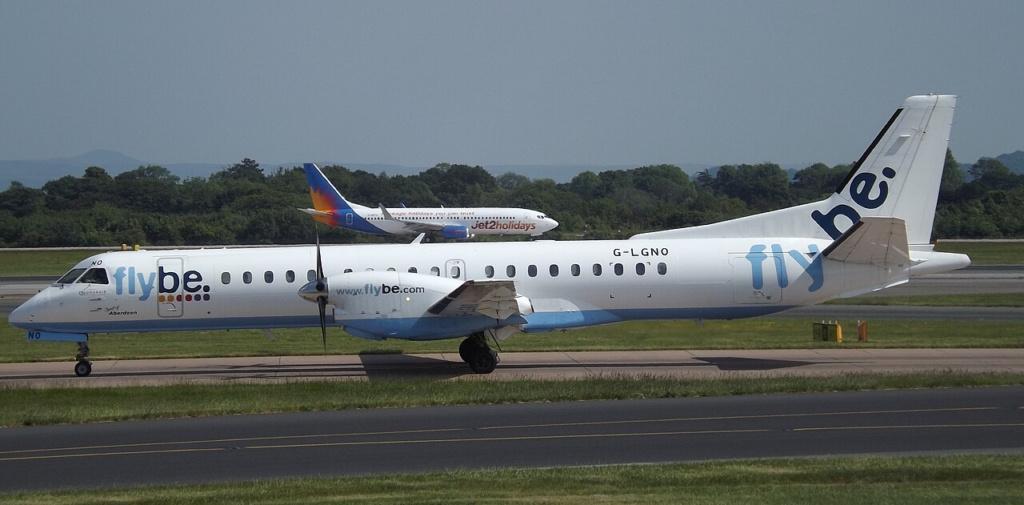
The transition to Flybe, combined with the continued codeshare with British Airways, marked a new chapter in Loganair’s evolution, offering greater flexibility and access to a broader range of destinations for its customers. The franchise ran until 2017.
In July 2011, Loganair expanded its fleet and operational capabilities through the acquisition of Suckling Airways, a Cambridge-based airline then trading as Scot Airways. This strategic move brought Dornier 328 aircraft into the Loganair fleet for the first time, with eight of the type joining the fleet.
The Dornier 328 aircraft provided Loganair with a significant operational and commercial advantage, as these aircraft offered superior speed and range compared to the Saab SF340s and Saab 2000s that the carrier now operated.
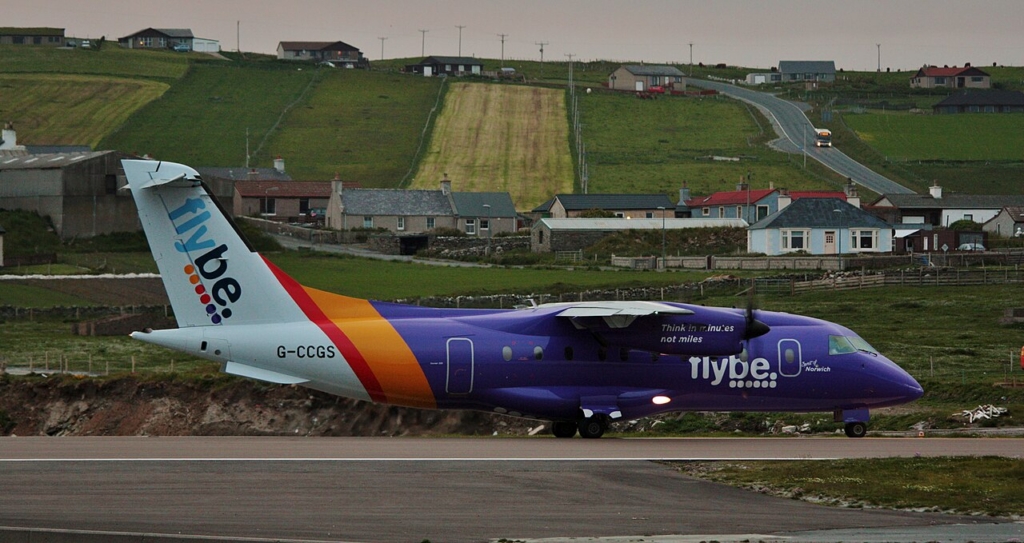
The Dornier 328 allowed Loganair to serve a wider range of routes with improved efficiency, especially on routes that required longer range or quicker turnarounds.
The acquisition not only expanded Loganair’s fleet but also strengthened its ability to serve both regional and intercontinental destinations, further cementing its position as a key player in the UK’s regional aviation market. The aircraft were retired in April 2019.
Loganair opts for Embraer regional jets for further expansion
By this time, Loganair had added its first two Embraer ERJ-145 regional jets from UK operator Flybmi. The pair would initially operate flights from Loganair’s Glasgow base to Derry in Northern Ireland and Stornoway in Scotland.
Loganair also planned to use the aircraft to launch new routes to European airports not previously served from Glasgow. In November 2018, the company announced that approximately twenty ATR aircraft would be added to replace its Saab turboprop fleet, with the last of the venerable Saab SF340s being retired by the start of 2024.
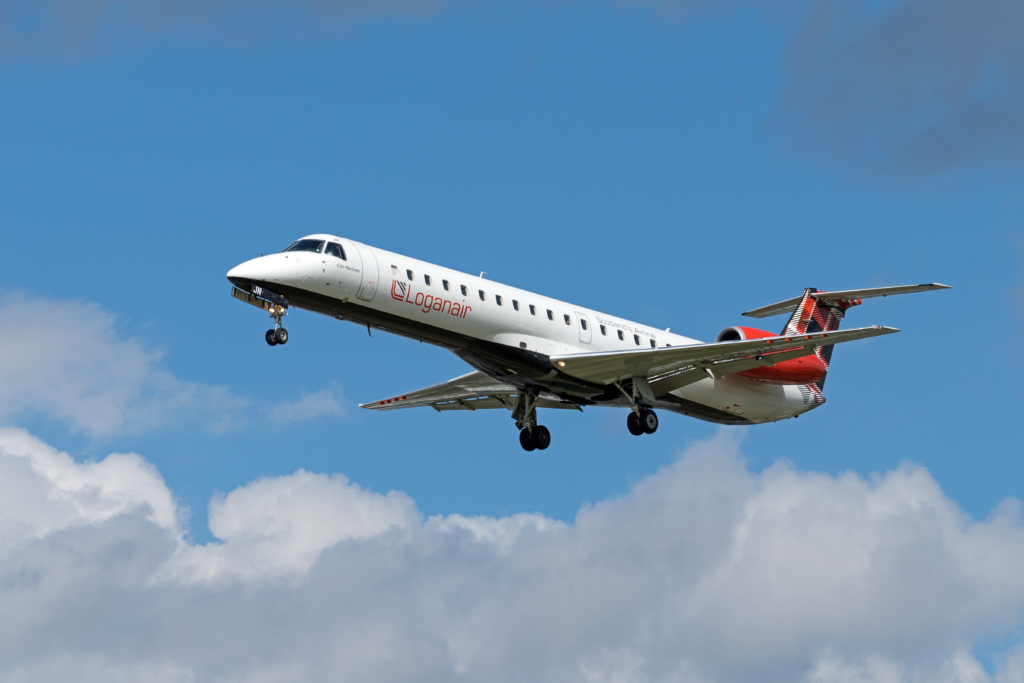
In October 2022, Loganair confirmed that its existing joint owners, brothers Stephen and Peter Bond, were seeking a buyer to act as the company’s “custodian for the next generation”.
However, this sale process was suspended in October 2023, with the Bond brothers retaining their stake while a fleet renewal programme, including the addition of more ATR aircraft, was completed.
2023: Loganair named ‘Airline of the Year’ by ERA
In October 2023, the European Regional Airline Association (ERA) named Loganair its 2023 ‘Airline of the Year’, in recognition of its “impressive performance” in returning to profitability following the pandemic, whilst at the same time improving terms for its staff.
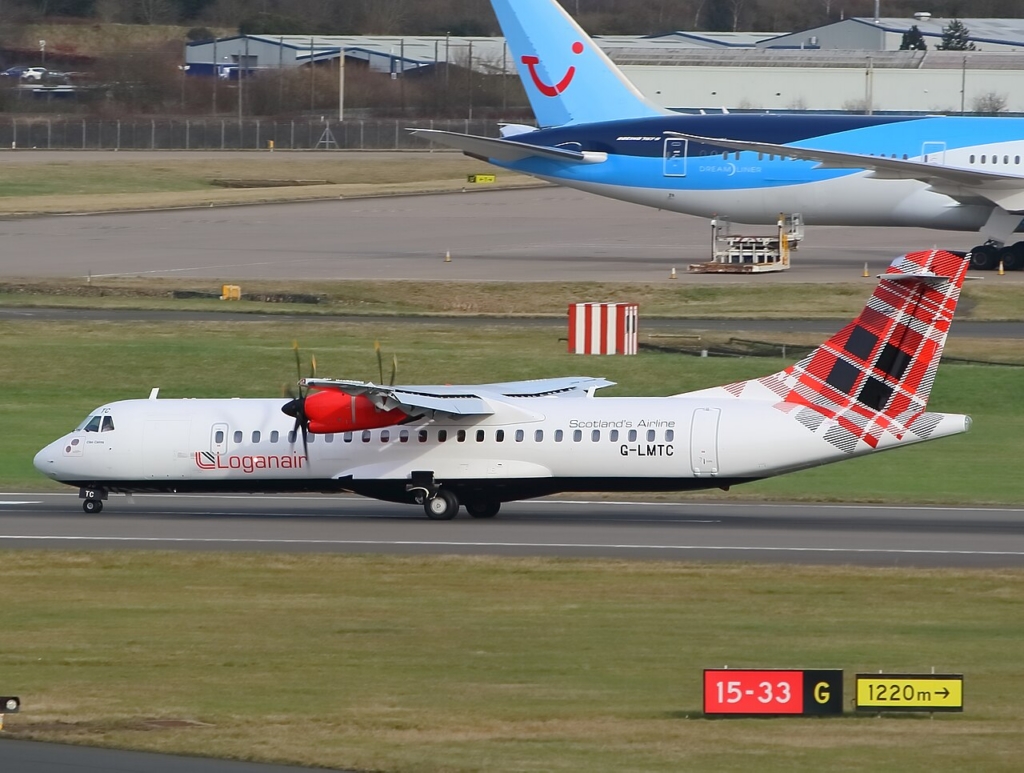
The independent panel of globally acclaimed judges also highlighted Loganair’s progressive approach to the environment, including its first-of-its-kind GreenSkies programme, introduced in 2021 to manage and mitigate the environmental impact of flying through a combination of carbon offsetting, renewables investment and sustainable aviation research.
Loganair today: The UK’s largest regional airline
Loganair has grown to become the UK’s largest regional airline. The carrier serves around 80 routes to 40 destinations using a fleet of 36 aircraft. The aircraft operated varies from the smallest, the eight-seat Britten-Norman Islander, to the 72-seat ATR72-600.
Famously, part of Loganair’s operations includes the world’s shortest commercial air service, which links the islands of Westray with Papa Westray, separated by just 1.7 miles of sea and taking 2 minutes to complete by Islander.
Equally iconic is the airline’s regular flights between Glasgow and Barra in the Outer Hebrides, where the aircraft (a Twin Otter) lands on the beach when the tide is out.
Most recently, in October 2025, Loganair opened its tenth UK base at Southampton Airport (SOU) with two ATR72-600 aircraft, resulting in an increase of the airline’s seat capacity by over 140,000 per year at the airport.

As part of this expansion, Loganair launched new routes and increased capacity on existing services. Flights between Southampton and Manchester, as well as Manchester and Exeter, have all been added to the airline’s schedule, while its Southampton to Edinburgh route has been upgraded from a 49-seat ERJ-145 aircraft to a 72-seat ATR 72-600 aircraft.
Looking ahead: Loganair’s future and fleet strategy
In September 2024, Heart Aerospace, the Swedish hybrid-electric aircraft manufacturer and Loganair announced a partnership that would be aimed at decarbonising regional air travel in the UK.
As part of the agreement, Loganair and Heart Aerospace said the partners would exclusively collaborate on establishing use cases for hybrid electric aircraft within Loganair’s extensive Scottish and UK network.
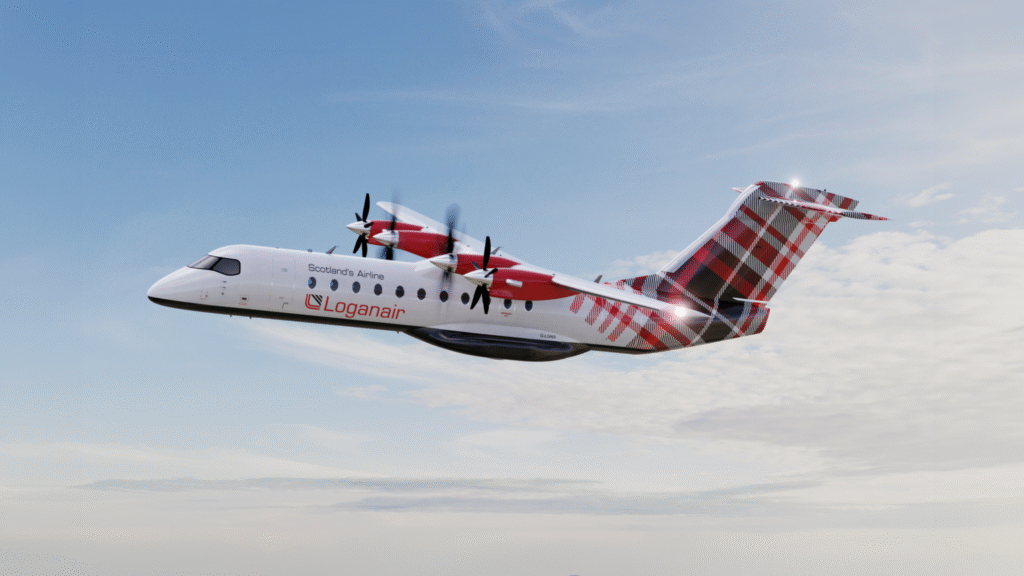
At the centre of this collaboration is the ES-30, a hybrid-electric aircraft being developed by Heart Aerospace. With the capacity to carry up to 30 passengers, Heart Aerospace says that the ES-30 has the potential to significantly reduce carbon emissions while offering cost-effective and accessible air travel.
Featured image: Loganair
Sign up for our newsletter and get our latest content in your inbox.


More from


September 25, 20264 min read

September 25, 20264 min read

September 24, 20262 min read


