


Product 177: Russia tests next-gen fighter jet engine on Su-57

4 min read
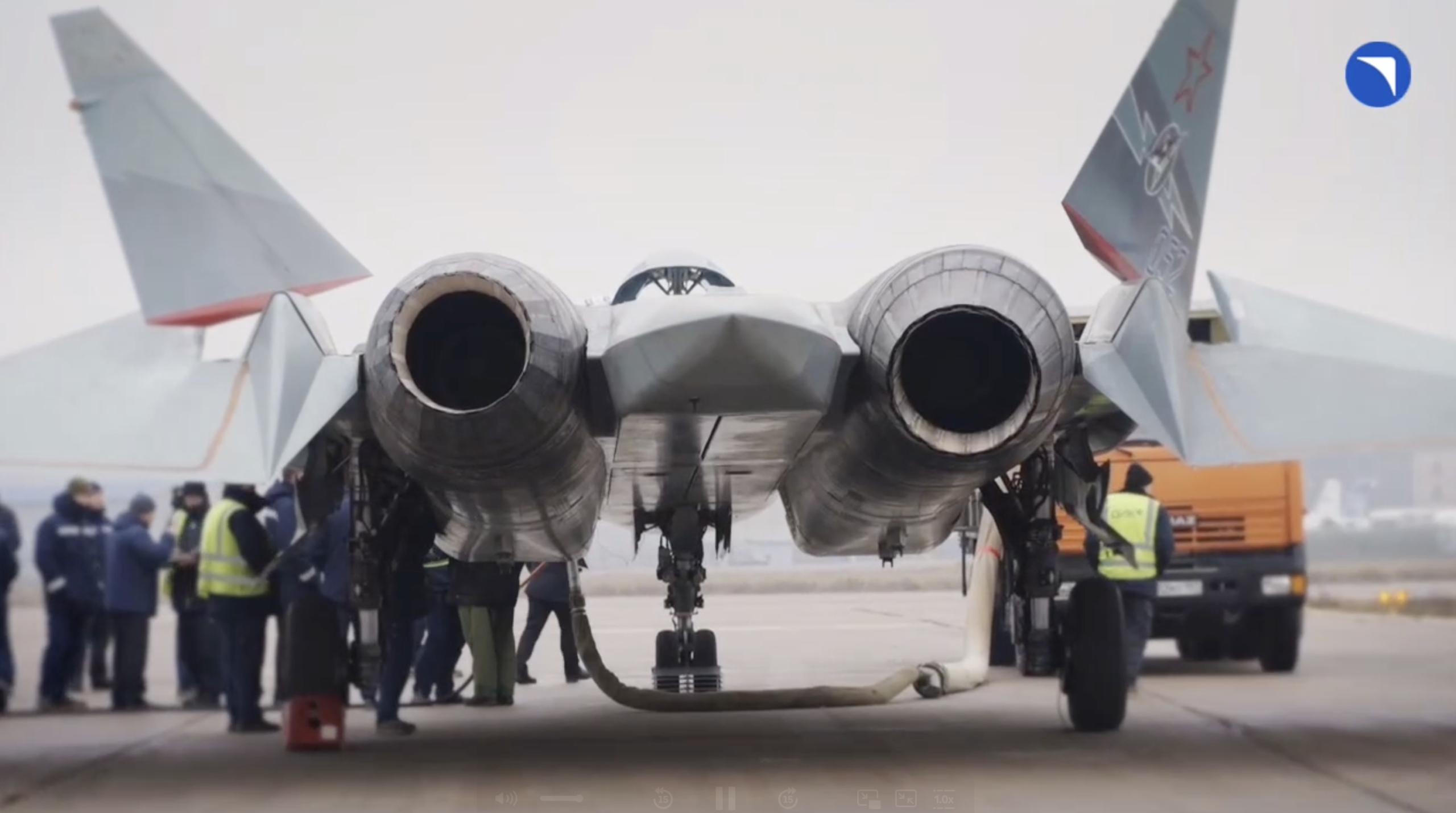
Russia has announced another incremental step in the long and often stop-start evolution of its flagship fifth-generation fighter. This time, the milestone is an engine, with the Su-57 completing its first flight using the new “Product 177” powerplant.
“The first test flight marked the beginning of joint work with colleagues from UAC on flight tests of the Su-57 with the latest engine,” says Yevgeny Marchukov, General Designer – Director of the A. Lulka Design Bureau. “During the flight, the new engine operated normally and showed reliable operation as part of the Su-57 aircraft.”
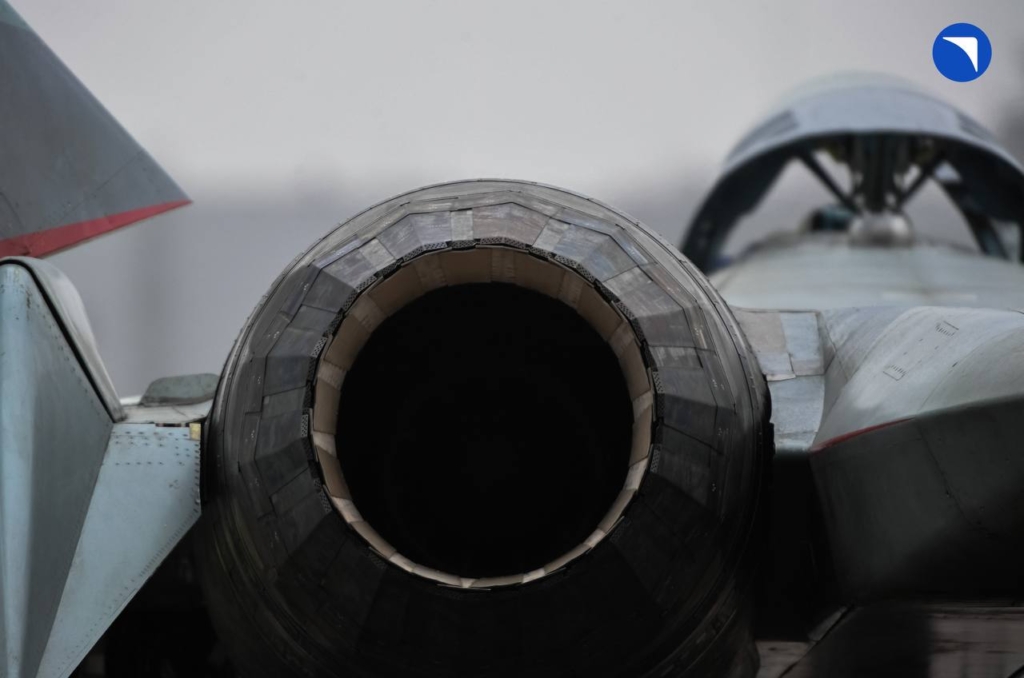
Product 177 (including derivatives such as the 177S and 177C) have been discussed sporadically for several years, but progress on the project has been secretive. Confirmation of a first flight aboard an Su-57 is a significant development.
Product 177: Russia’s clean sheet fighter jet engine
Russia’s flagship fighter jet, the Su-57, currently flies on AL-41F1 engines, an upgraded evolution of the AL-31 family that powers earlier Flankers jets like the Su-27 and Su-30.
It’s a capable engine, with around 14,500 kgf of thrust and 3D thrust vectoring nozzles, giving the Su-57 incredible low-speed agility. But it was always intended as a stop gap, until Russia could produce a fifth generation powerplant designed from scratch for the Su-57.
Russia floated the Product 30 engine for this purpose, flying it on an Su-57 in late 2017. Filight tests contiue, even in 2025, but the programme has been slow and sporadic. Now it seems Russia is willing to pursue a two-pronged approach, as it presses ahead with testing on an alternative engine, ‘Product 117’.
| Parameter | AL-41F1 (izdeliye 117) | “Product 177” |
|---|---|---|
| Primary role on Su-57 | Current operational engine on production Su-57s | Next-step engine now in flight testing on an experimental Su-57 |
| Programme status | In service | Flight test phase, maiden flight reported 22 December 2025 |
| Afterburning thrust | Approx ~14,500 kgf class | Up to 16,000 kgf (UEC/Rostec claim) |
| Military (dry) thrust | Not publicly stated | ~24,250 lbf (177 variant, Dubai Airshow data) |
| Fuel consumption | Baseline for current fleet | Claimed ~7% reduction vs previous-generation engines |
| Engine control | Digital FADEC | Upgraded digital FADEC with optimised operating modes |
| Thrust vectoring | Thrust-vectoring nozzles, proven in service | Thrust-vectoring retained, effectiveness likely improved through higher thrust and control integration |
| Materials and hot section | Evolved design rooted in Flanker-family engines | Advanced heat-resistant materials, coatings and refined turbine aerodynamics |
| Service life | Not disclosed | Claimed 6,000-hour design life, 1,500 hours between overhauls |
| Operational impact | Reliable stopgap enabling Su-57 service entry | Potential to unlock higher performance, efficiency and lower lifetime costs if serialised |
Note, Product 177 figures reflect manufacturer and state reporting claims. Independent verification is not yet available.
Promoted as a clean-sheet fifth generation engine, the 177 is positioned to replace the AL-41F1 with a higher thrust powerplant, delivering more fuel efficiency and a longer service life. Advanced FADEC controls and designed in thrust vectoring nozzles will strengthen the Su-57’s legendary agility.
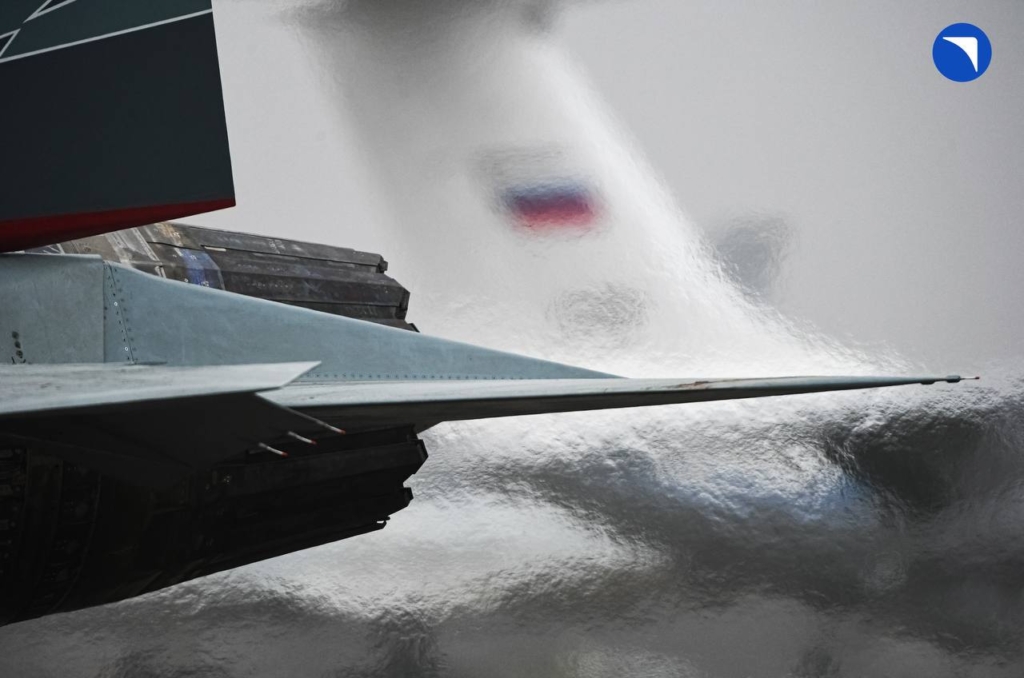
“The fifth-generation aviation engine “Product 177″ is an advanced development of for operational-tactical aircraft,” explains Marchukov. “The latest technologies and materials, innovative design solutions have allowed UEC to create an engine that has significantly improved technical characteristics compared to the power units of the previous generation.”
Upgrading the Su-57 to respond to modern challenges
Russia is actively upgrading various aspects of the Su-57 to boost the aircraft’s appeal in the export market, as well as strengthening its domestic capabilities.
“Today, the Su-57 is the most advanced fifth-generation fighter,” says Mikhail Strelets, Director of the Sukhoi Design Bureau. “Despite this, we are not resting on our laurels, and the Su-57 platform is undergoing evolutionary development to enhance its combat capabilities and incorporate the latest technologies.”
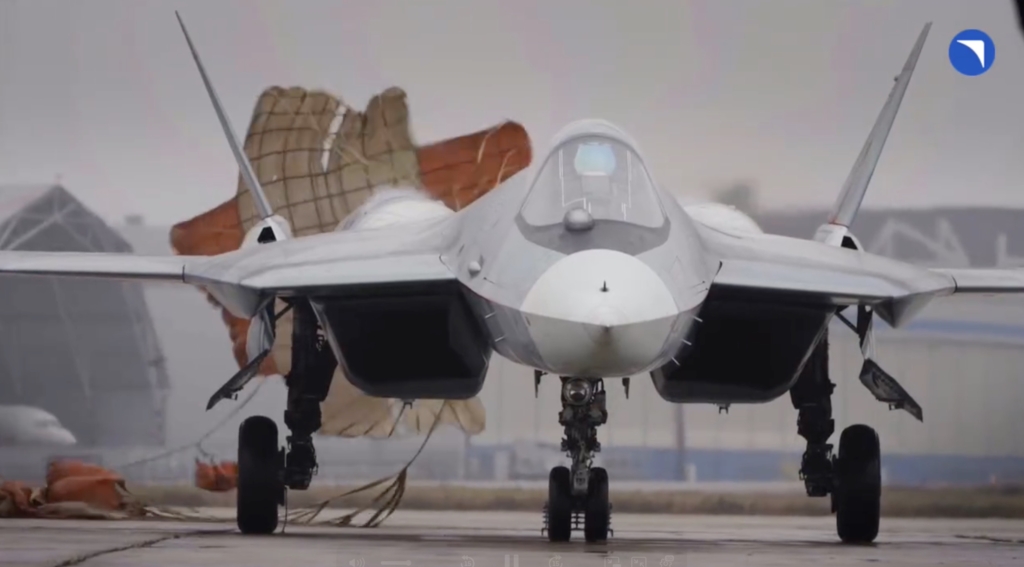
Throughout 2025, Russia has pointed to a series of incremental Su-57 upgrades, including the integration of new air-to-air missiles and guided bombs, the introduction of a wide-area cockpit display, and proposals for stealth-optimised two-dimensional exhaust nozzles.
Officials have also highlighted ongoing software and sensor updates, presented as iterative improvements informed by operational and test feedback rather than a single, clearly defined upgrade block.
“The solutions incorporated into the Su-57 platform allow it to respond to any modern challenges through the rapid integration of the technologies required at each stage of development,” Strelets adds.
Product 177: A milestone, not a breakthrough
For all the importance of Product 177’s first flight, there is good reason to keep expectations in check. Russian fighter engine programmes have a long history of moving forward in bursts, followed by years of slow, uneven progress.
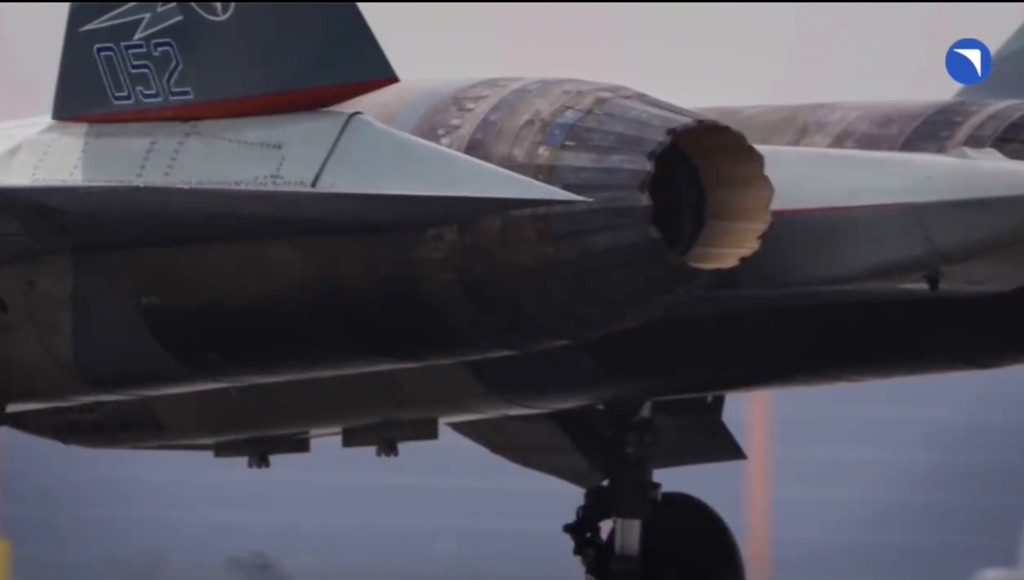
Product 30 is the obvious cautionary tale. It first flew on a Su-57 back in 2017 and is still in testing nearly a decade later, with no sign of widespread operational use. Against that backdrop, Product 177 looks less like an imminent fix and more like another parallel attempt to solve a problem that has proven stubbornly difficult.
The engine’s debut is a genuine milestone, but until it appears on production aircraft rather than a single test jet, it remains a promise rather than a payoff.
Sign up for our newsletter and get our latest content in your inbox.


More from


September 13, 20264 min read


September 12, 20264 min read


