Explained: How airlines know how much food and drink to take on a flight

December 26, 2025
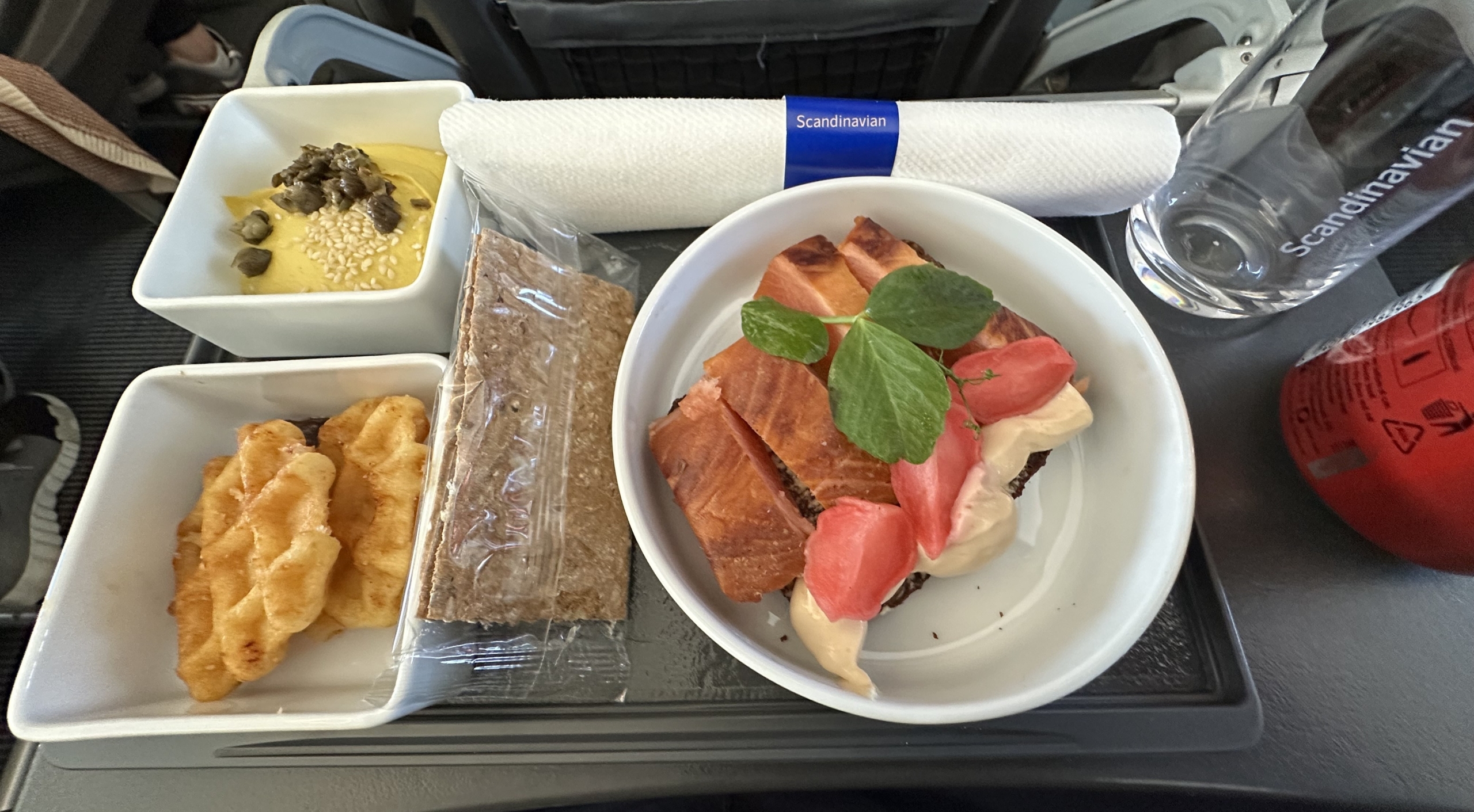
The airline catering industry is booming. In 2024, the market for in-flight meals topped $19.6 billion, and experts expect it to grow steadily, reaching about $35.1 billion by 2034 – growing at an average rate of 6% each year over the next decade.
But airlines don’t simply stock the galleys at random – they rely on thoughtful planning, solid data and the day-to-day insight of their crews to decide how much to bring.
Why airlines must carefully plan food and drink quantities onboard
An in-flight meal might look like nothing more than a small tray with a few packaged bits, but for airlines it’s a full-on operation.
They have to load just the right amount of food and drink – enough to keep everyone happy, but not so much that they waste money or end up carrying extra weight that burns more fuel.

It all adds up fast. An economy meal usually costs the airline $5-$15 to produce, business class meals jump to $30-$50, and a four-course first-class meal can run to over $100 per person. Across a whole flight, that becomes a serious expense, and waste is costly both financially and environmentally.
On long-haul routes, an aircraft might serve 800-1,000 meals, depending on how many people are on board and how long the flight is.
For example, take an Airbus A380 from New York to Dubai. It’s a 13-hour trip with two full meals and a snack.
With 14 first class seats, 70 in business, and more than 400 in economy, the airline ends up serving around 500 meals on that one flight. And because people in first and business expect something much more elaborate than those in economy, airlines have to plan carefully so everyone gets what they need without wasting food or money.
Passenger data drives airline catering decisions
Before a flight even pushes back from the gate, airlines already have a pretty good idea about who’s likely to eat what.
Booking systems show how full a flight is getting, which cabins are selling out, and whether passengers have requested anything special.
Vegan dishes, gluten or dairy-free or halal options have to be prepared individually and boarded in exact quantities. So the caterers start with a simple question: who are we feeding today, and what do they need?
Airlines use past flights to predict what passengers will eat and drink
Airlines love data, tracking what passengers eat and drink on specific routes, at different times, and across seasons.
Perhaps unsurprisingly, morning flights see more coffee. However, European daytime and evening routes involve more wine, and long-hauls need heartier meals and extra snacks.
These patterns help airlines avoid wasting items that aren’t popular while ensuring passenger favourites don’t run out. In a way, yesterday’s flights quietly shape tomorrow’s menus.
Catering software helps airlines forecast in-flight food demand
While experience matters, modern airline catering depends heavily on forecasting tools that analyse bookings, consumption trends, flight duration and operational factors like delays.
On routes prone to congestion or weather slowdowns, caterers might load extra in case flights run long.
Different aircraft have varying storage limits, so the software helps balance what’s needed with what can realistically fit in the galley. It’s a mix of technology and practicality that keeps everything running smoothly.
Cabin crew feedback plays a key role in airline catering planning
Even with advanced software, cabin crews play a crucial role. After each flight, they report what was used, left untouched, or ran out too quickly, helping catering teams adjust future flights. They spot trends in real time – like a drink that suddenly becomes popular or a snack consistently ignored – providing insights that data alone can’t capture.

Safety rules and real-world limits shape meal loading
Of course, airlines also have to follow strict regulations. They’re required to carry minimum amounts of drinking water, emergency food, and meals for the crew. And because diversions happen, they have to plan for the possibility that a “six-hour flight” becomes an eight or nine-hour one.
Essentially, every decision has to strike the right balance between being prepared and being practical.
In the end, the process is about data, tech, cost-saving, passenger experience and good old-fashioned planning.
Get all the latest commercial aviation news on AGN here.
Featured image: Emma Lewis / Scandinavian Airlines