Olympic Pipeline partially restarts as Seattle-Tacoma airlines restore flights ahead of holiday surge

4 min read

The Pacific Northwest’s fuel network moved a step closer to stability on Tuesday after the Olympic Pipeline resumed deliveries of jet fuel to Seattle-Tacoma International Airport, easing the disruption that had raised concerns ahead of one of the busiest air travel weeks of the year.
Airlines say they are now working to return schedules to normal as the Thanksgiving travel period peaks.
Delta and Alaska Airlines, which had added fuel stops to some flights, said late on 25 November that they were resuming normal operations while continuing to truck in fuel until the airport’s reserves are fully restored.
Captain on AS460 said there’s zero gas left at @SeaTacAirport. Stopped for gas at the other Logan airport. No ETA for the Olympic pipeline reopening. Thankfully no busy travel days coming up or anything 🪦
— Nicholas Andre (@nickandre) November 24, 2025
Good luck seattle 😂 pic.twitter.com/46EbRzQZ0B
Alaska Airlines said, “With the expected resumption of service from the Olympic Pipeline serving Seattle-Tacoma International Airport, we are returning to normal operations. We have discontinued all planned fuel stops but will continue to tanker and truck in additional fuel on a reduced basis as the pipeline increases to normal capacity. No other operational impacts are expected.”
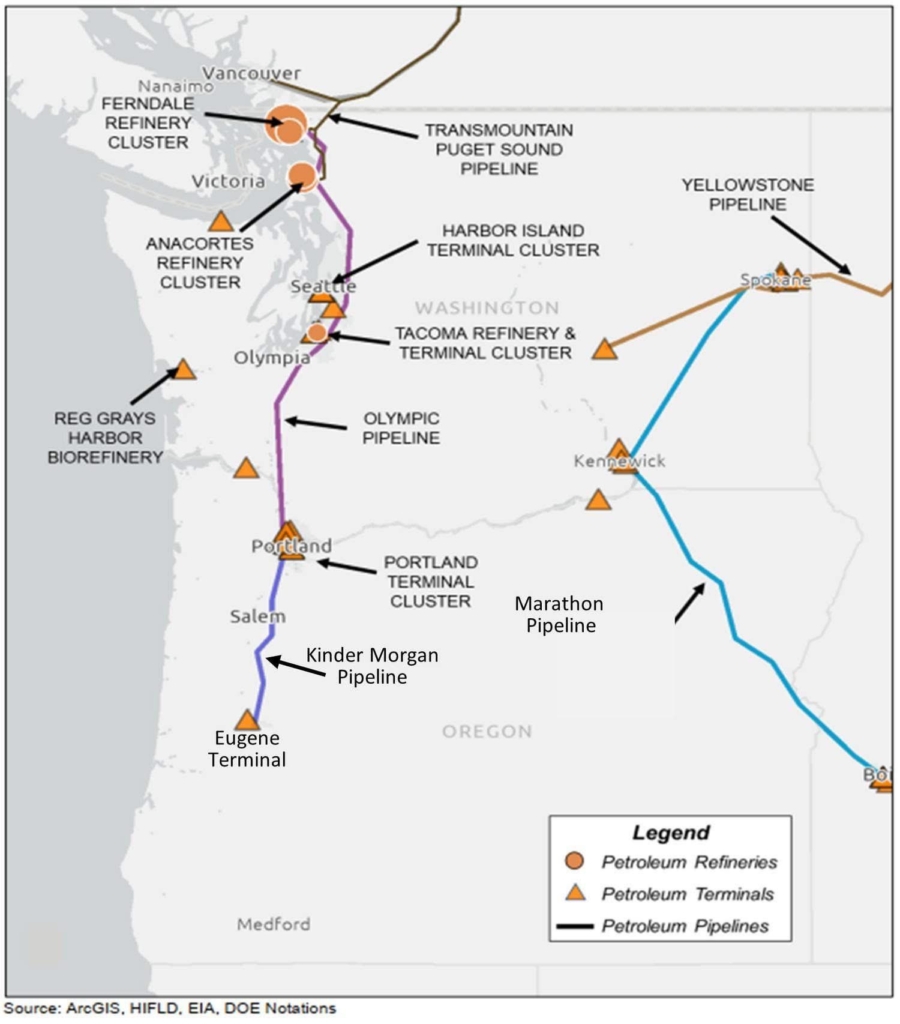
The pipeline, operated by BP, had been shut down for more than a week after workers confirmed a leak near Everett, Washington. The stoppage forced carriers at Seattle-Tacoma to divert flights for fuel stops and arrange trucking and barge deliveries to maintain supply.
Governor of Washington Bob Ferguson confirmed the restart on X, saying, “Great news today: The pipeline that supplies fuel to SeaTac Airport is back online.”
Great news today: The pipeline that supplies fuel to SeaTac Airport is back online.
— Governor Bob Ferguson (@GovBobFerguson) November 25, 2025
There are two lines in the Olympic Pipeline: One that delivers fuel to SeaTac and another that carries other types of fuel. BP, the pipeline owner, has identified a leak in the second line, and…
The Olympic system consists of two parallel lines: a 16-inch pipeline supplying jet fuel to Sea-Tac, and a larger 20-inch gasoline line. Both were closed as a precaution. Only the gasoline line remains shut while repairs continue.
Olympic Pipeline leak forces emergency fuel measures in Washington and Oregon
The shutdown had a wider impact beyond Washington. Oregon issued a fuel emergency order on Monday to avert supply shortages, allowing carriers and hauliers to operate under relaxed rules for trucking, barge movements and rail deliveries. The state has no refinery capacity, relying heavily on the 400-mile Olympic system for petroleum products.
Airlines’ contingency plans varied over the past week. Some long-haul flights made technical stops for fuel, while others tankered additional fuel into Seattle.
Alaska Airlines said it has now ended all such fuel stops but will continue limited tankering until pipeline flows stabilise. Delta also warned passengers that a small number of flights could be rerouted, although most carriers managed reserves without widespread cancellations.
Olympic Pipeline stoppage pit stops from Seattle in Spokane this evening DL474 DL1719 DL2108 AS16 AS460 pic.twitter.com/pZmzASKxJ7
— SpokaneSpots (@SpokaneSkyWatch) November 25, 2025
Airport officials said passenger flights were never at risk of running out of fuel, but the shutdown added pressure during a week when Seattle-Tacoma expects around 900,000 travellers.
Partial Olympic Pipeline restart restores jet fuel flow to Seattle-Tacoma Airport
BP confirmed on Tuesday that the leak was located on the gasoline line and that the jet fuel line had restarted late Monday. The company is developing a repair plan for the damaged segment and has not provided a timeline for full restoration.
The leak was discovered on 11 November by a farm owner who noticed discoloured ground on his property. Images from the site show a section of pipeline exposed in a blueberry field south of Everett as crews excavated soil to locate the breach. The scale of the fuel spill and full environmental impact are still being assessed.

The shutdown prompted both Washington and Oregon to grant temporary regulatory flexibility to fuel suppliers. Washington’s emergency declaration allows longer driver hours for tankers transporting supplies to the Port of Seattle.
Airlines stabilise flights as Sea-Tac fuel supply recovers
Seattle-Tacoma felt the sharpest effects because its main fuel supply normally comes from the Olympic system. Portland International Airport, by contrast, avoided delays thanks to established barge-based fuel options.
Airlines say the temporary shutdown shows how quickly disruption can ripple across the aviation network when the pipeline is offline. Airport officials stressed that passengers would be notified in advance if any flight changes were required.

Although the jet fuel line has partially resumed, the outage came just days before the peak holiday travel period and has revived questions about the resilience of fuel delivery networks across the region.
Officials in both states continue to monitor fuel prices and logistics while repairs proceed on the gasoline line.
The restart of the jet fuel pipeline means most air transport operations in the region are expected to return to regular schedules in the coming days, providing relief to passengers travelling for the holiday period.