Expert opinion: Defence spending alone won’t deliver war-fighting readiness

February 15, 2026

Phil Applegarth is director and head of Supacat, the UK defence engineering firm specialising in high-mobility military vehicles. A former British Army officer with more than two decades of service, he brings operational experience in land mobility and defence capability delivery to his leadership role, working closely with the UK Ministry of Defence and international partners.
The recently revealed £28bn gap in UK defence funding has naturally focused attention on budgets, affordability and the future of major programmes.
However, in modern conflicts, the more pressing issue is often not how much is allocated to defence, but how quickly useful capability can be put into the hands of those who need it, and how effectively it can be adapted.
War-fighting readiness is not defined by intent or long-term plans alone. It is shaped by what can be deployed, sustained and survived in the near term, under real operational pressure. In an increasingly contested and unpredictable environment, that distinction matters.
Mobility and adaptability in modern land warfare
Recent conflicts have reinforced a lesson long understood by those operating on the ground: mobility and adaptability are decisive advantages.
The widespread availability of accurate long-range weapons, electronic attack and persistent surveillance has made it increasingly risky for forces or equipment to remain in one place, or to operate in easily anticipated ways. Platforms that cannot adapt quickly risk losing relevance as conditions change.
As a result, land platforms increasingly need to do more than a single job. Vehicles designed with adaptability in mind can be reconfigured for different roles over their service life, whether that is mobility, logistics, command, protection or specialist mission systems. For commanders, this brings greater flexibility; for units, it reduces training burden and simplifies logistics and maintenance support.
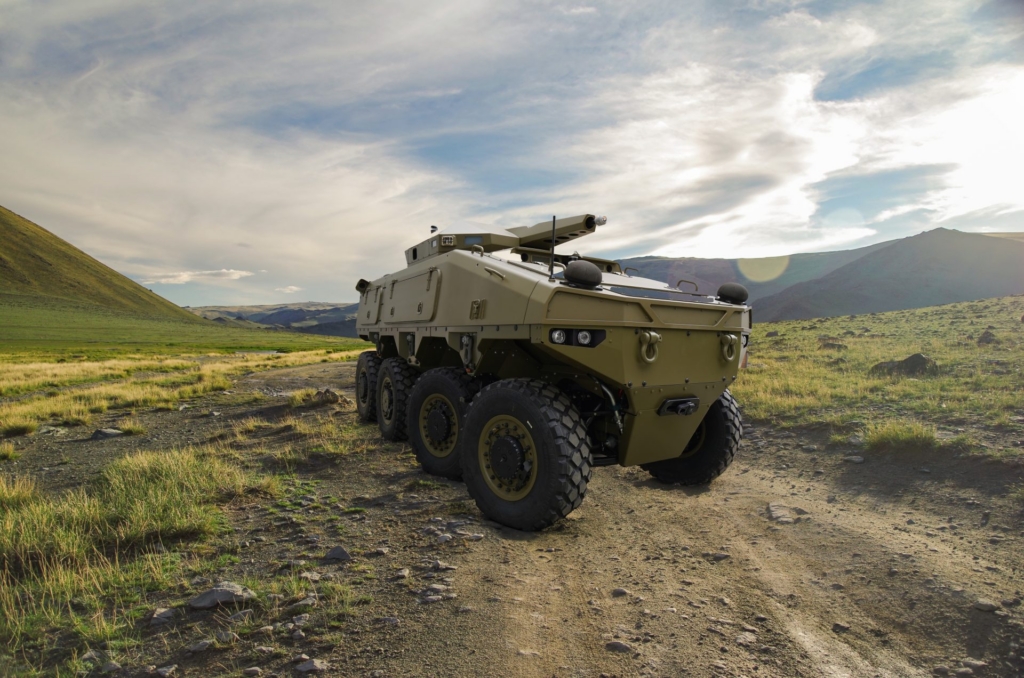
There is also a practical affordability consideration. When budgets are under pressure, adaptable platforms that can evolve incrementally often provide usable capability sooner than bespoke solutions tied to long development timelines.
In many cases, delivering a high proportion of required capability early, with the ability to develop it further in service, can be more operationally useful than pursuing a fully mature solution that arrives later and at greater cost.
A smaller number of flexible vehicle types, used intelligently, can also reduce whole-life costs compared with maintaining a larger and more fragmented fleet.
Delivering war-fighting readiness under operational pressure
Recent operations have highlighted the value of equipment that can be modified or re-roled in hours or weeks, rather than months or years. The ability to integrate new protection, payloads or communications rapidly, often in response to operational feedback, has proven to be as important as the original design.
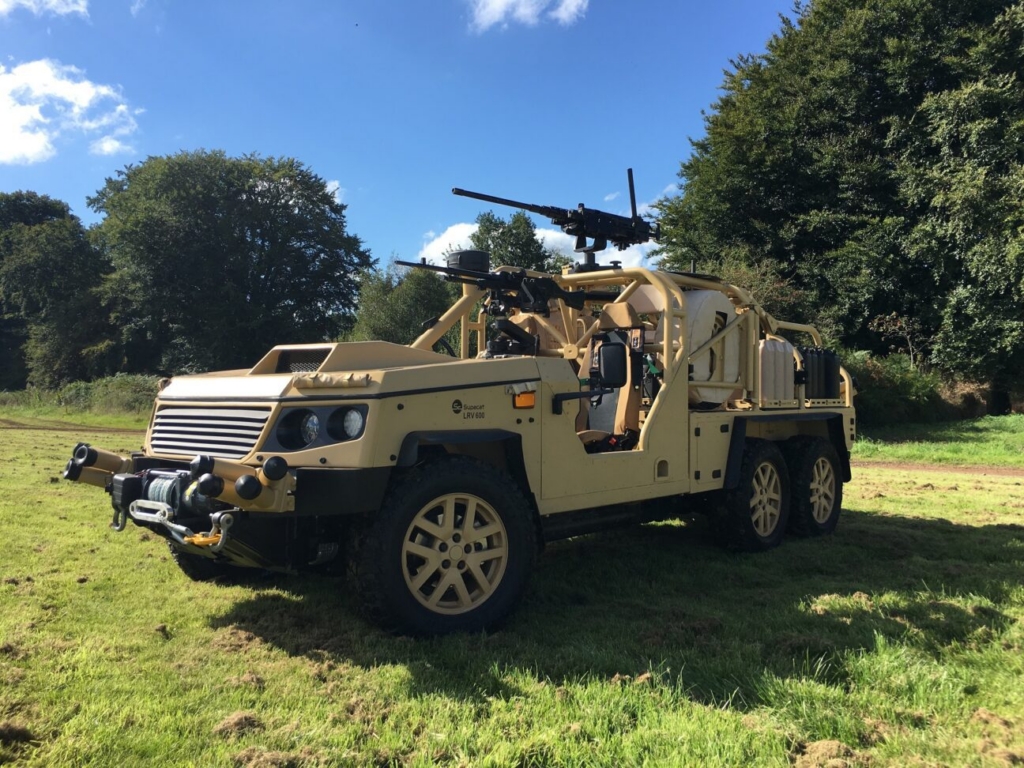
This has implications for defence acquisition priorities. Long-term programmes will always have a role, but they cannot be the sole answer to near-term readiness challenges.
Adaptable land capabilities, delivered early and improved over time, offer one way of balancing strategic ambition with operational need, particularly when resources are constrained.
Resilience, sovereignty and the UK defence industrial base
Operational readiness is closely linked to industrial resilience. Recent global disruption has underlined the vulnerability of extended supply chains, even among close allies, and the importance of assured access to critical equipment and support.
Maintaining a strong UK-based defence manufacturing capability is therefore about more than economic benefit. It supports freedom of action, assurance of supply and the ability to adapt equipment at pace. Sustaining a ‘warm’ industrial base, through low-rate production and ongoing support activity, can help preserve skills and capacity that may need to scale at short notice.

From a defence perspective, allowing critical capabilities to atrophy can increase long-term risk and cost, particularly if regeneration is required during periods of heightened demand. Agile domestic manufacturers, including small and medium-sized enterprises such as Supacat, can play an important role in maintaining this resilience over the life of a platform.
Where systems can be delivered without export control constraints, such as ITAR-free configurations, the benefits for deployability, collaboration and responsiveness are clear.
This is not an argument against international cooperation, which remains essential, but for a balanced approach that preserves practical sovereignty over key land capabilities.
Rethinking defence spending beyond headline budget figures
Strategic investment and long-term planning will always matter. But readiness is not an abstract future promise; it is a practical outcome, reflected in forces that are trained, equipped and able to adapt at pace.
As defence spending comes under closer scrutiny, there is value in broadening the discussion beyond headline figures alone. Adaptability, modularity and resilience should be considered alongside cost and scale as measures of war-fighting readiness. Ultimately, how capability is delivered matters just as much as how much is spent.