Why are aircraft lavatories sometimes locked below 16,000 ft?

February 8, 2026
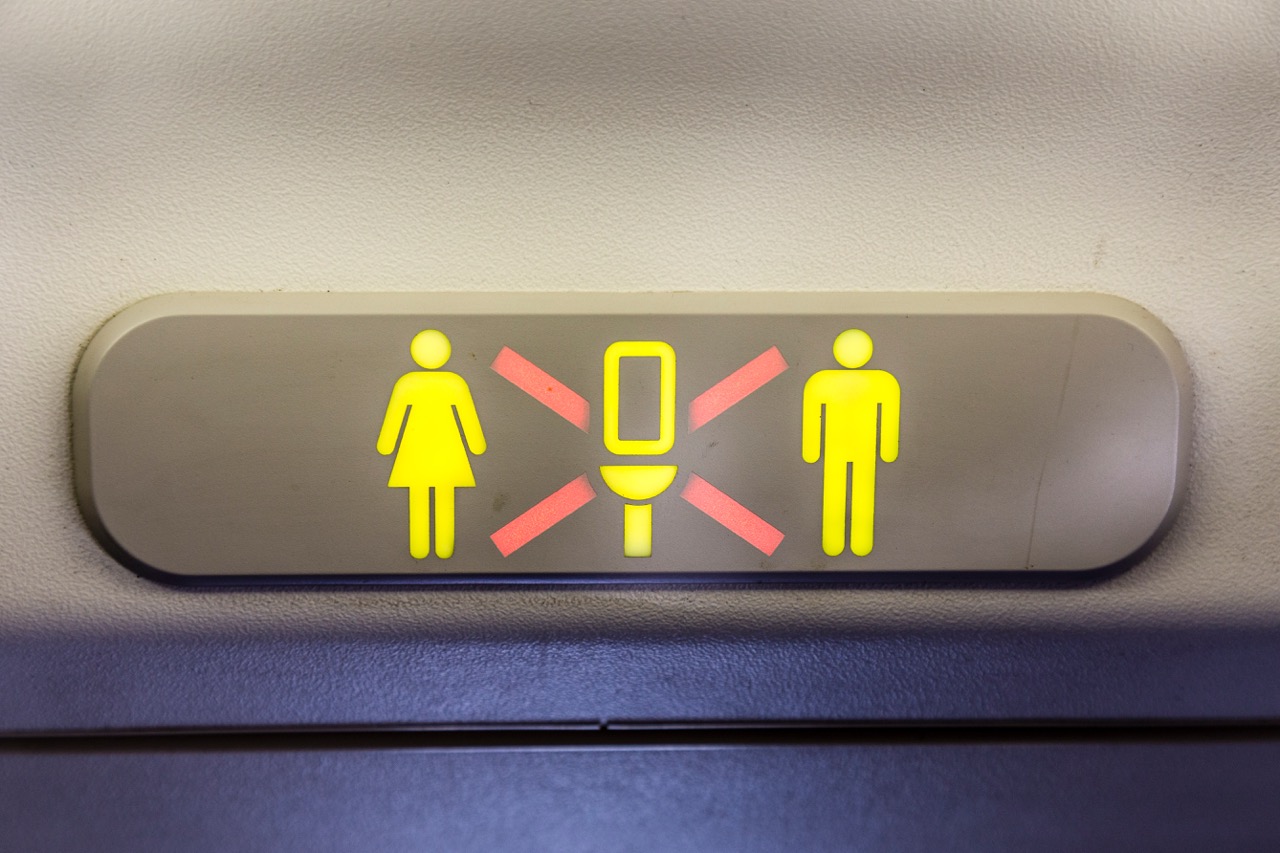
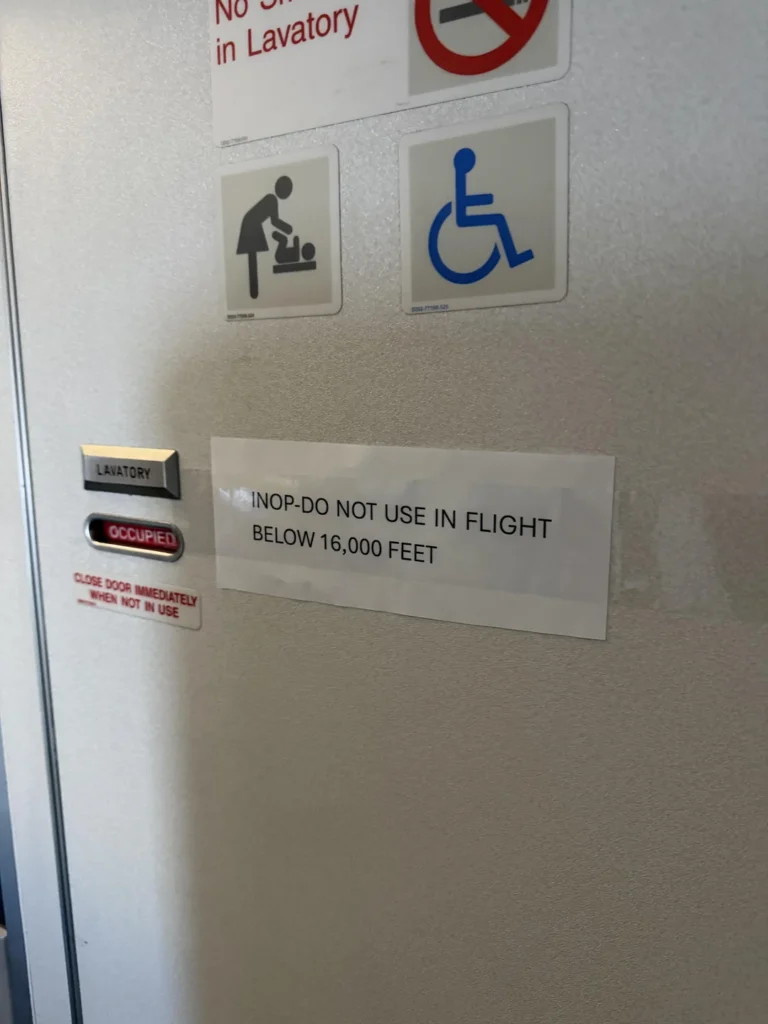
Passengers who notice a warning placard restricting lavatory access below 16,000 ft may be puzzled. Why can’t you use the aircraft toilet below that specific altitude?
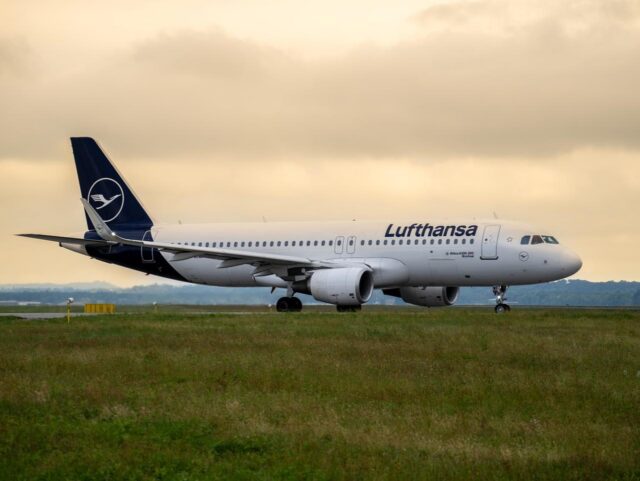
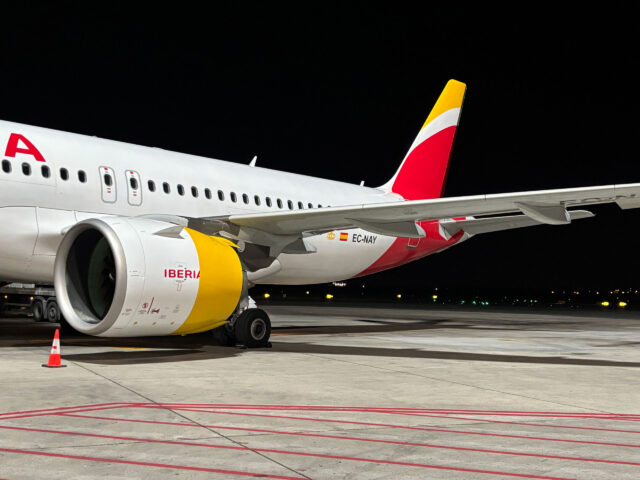
Such was the case for a recent poster on Reddit. “Flying PHX-SEA today, American Airlines, A319. Captain made an announcement before we left the gate that the lavatories would not be available until we hit 16,000′. The lavs were locked until he made the announcement that we were above that altitude,” they wrote. “What was wrong that would restrict their use at lower altitudes?”
The answer isn’t arbitrary. It’s rooted in physics, aircraft systems design, and occasionally a minor—but operationally important—maintenance issue.
Heavy water and gravity drive how aircraft toilets work
On the ground, toilets in homes, offices, and airports rely on gravity and large volumes of water to flush—often using as much as 6 gallons (23 litres) per flush.
That approach would be impractical on an aircraft for two key reasons:
- Water is extremely heavy, weighing about 8.23 lb per gallon (≈1 kg per litre), making large onboard supplies inefficient to carry.
- Gravity isn’t constant in flight. During climb, descent, or turbulence, varying g-forces would cause conventional water-flush systems to malfunction or spill.
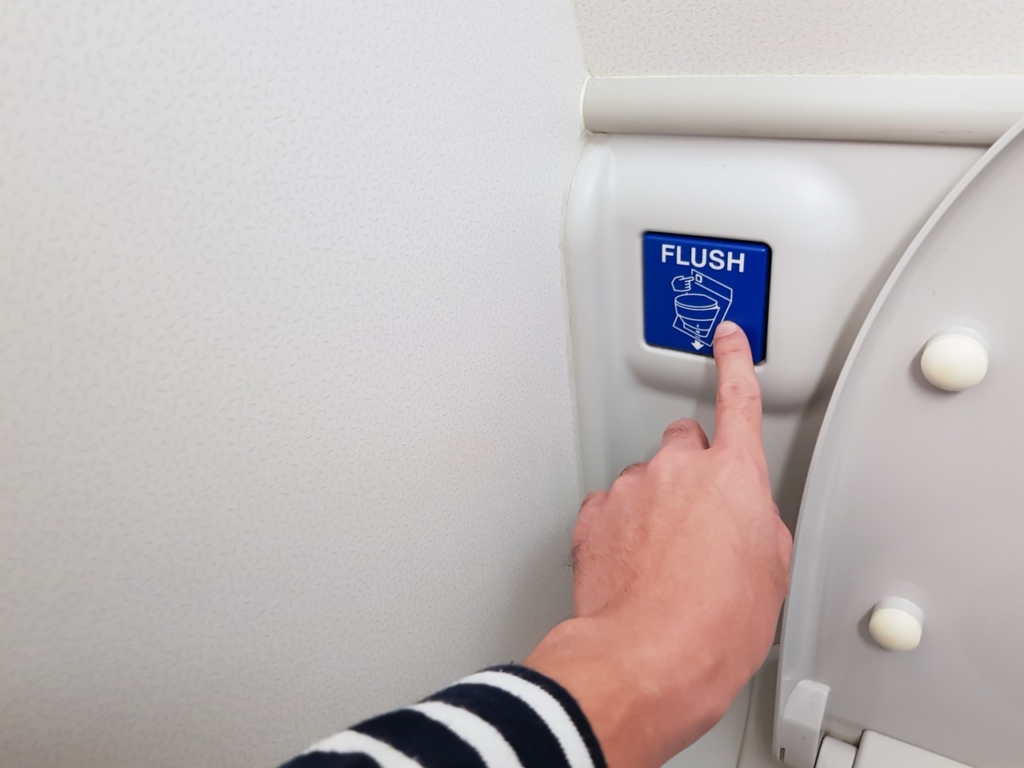
Instead, modern aircraft use vacuum toilet systems that require only 6–8 ounces (177–237 ml) of water to rinse the bowl. These systems rapidly remove waste using suction rather than gravity, dramatically reducing both water use and aircraft weight.
The suction is created by the pressure differential between the pressurised cabin and the lower outside air pressure at altitude. Once the aircraft climbs high enough—typically around 16,000 ft—that natural pressure difference provides sufficient vacuum force for the system to operate normally.
How aircraft vacuum systems actually move waste
Aircraft lavatory systems are more sophisticated than many passengers realise.
When the flush button is pressed:
- A flush valve opens momentarily, exposing the bowl to the vacuum line.
- Waste is pulled at high speed through narrow plumbing lines into a sealed holding tank in the aircraft’s lower fuselage.
- A small amount of rinse water and disinfectant helps clean the bowl and move waste efficiently through the system.
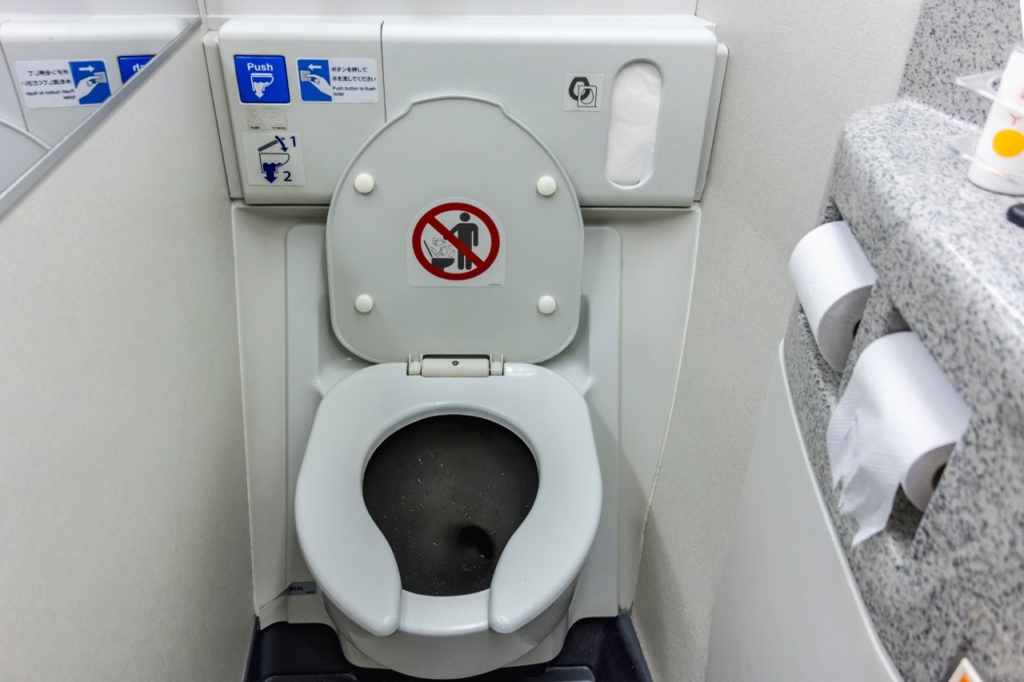
Because the system relies on vacuum pressure rather than gravity, plumbing can be lighter, narrower, and routed flexibly throughout the aircraft. For all these reasons, vacuum toilets became standard across commercial fleets.
The maintenance issue that can limit lavatory use below 16,000 ft
Passengers often point out that lavatories usually work at lower altitudes—or even on the ground.
That’s because when the natural pressure differential is insufficient, aircraft rely on an electrically powered vacuum pump (often called a blower motor) to create the necessary suction.
If this blower motor fails:
- The toilets still function normally above ~16,000 ft, where the ambient pressure creates a vacuum.
- But below that altitude, flushing may be weak or ineffective, increasing the risk of blockages or unsanitary conditions.
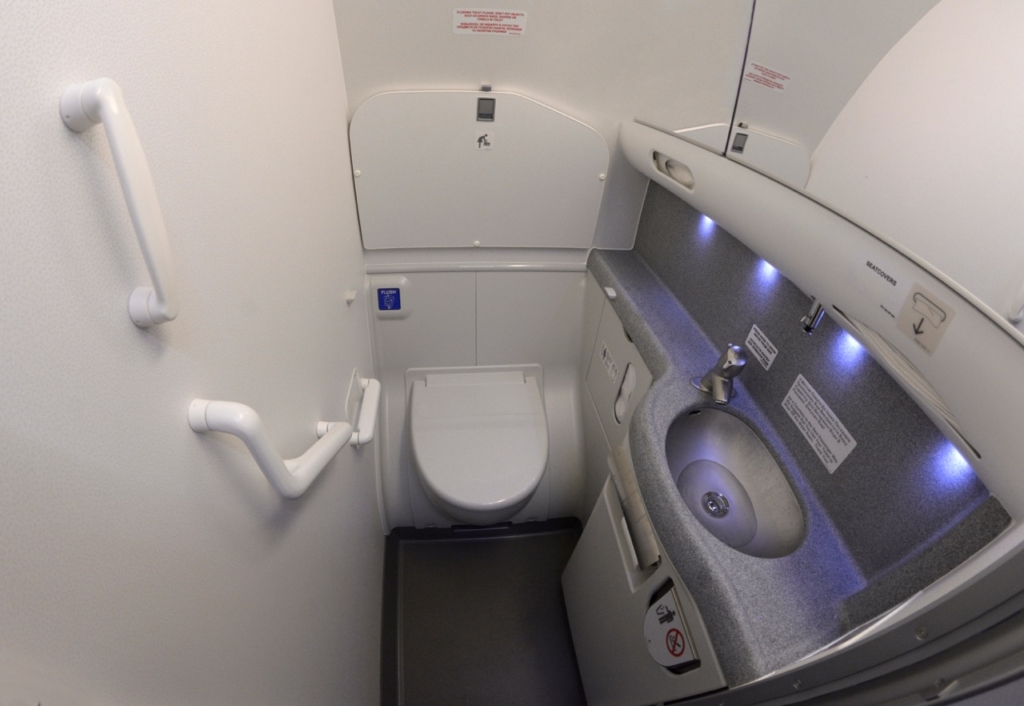
Because the failure is not flight-critical, airlines are generally permitted to operate the aircraft temporarily under maintenance deferral rules. Repairs may require specialised servicing at a major maintenance base rather than an outstation airport.
To avoid hygiene problems, crews may lock the lavatories during taxi, take-off, descent, and landing—all phases typically below the altitude where natural vacuum is strong enough.
The technical reason you can’t ‘spend a penny’ below 16,000 feet
So if you encounter a lavatory restriction sign on your next flight, it isn’t the airline being arbitrarily difficult. In aviation, even toilets depend on a precise balance of physics, pressure, weight, and aircraft maintenance—all working quietly in the background to keep air travel safe, sanitary, and efficient at 35,000 ft (and below).
Featured Image: Anthony | stock.adobe.com