From the Whisper Jet to leaf blowers: Aviation noise research has found a new testbed

January 6, 2026
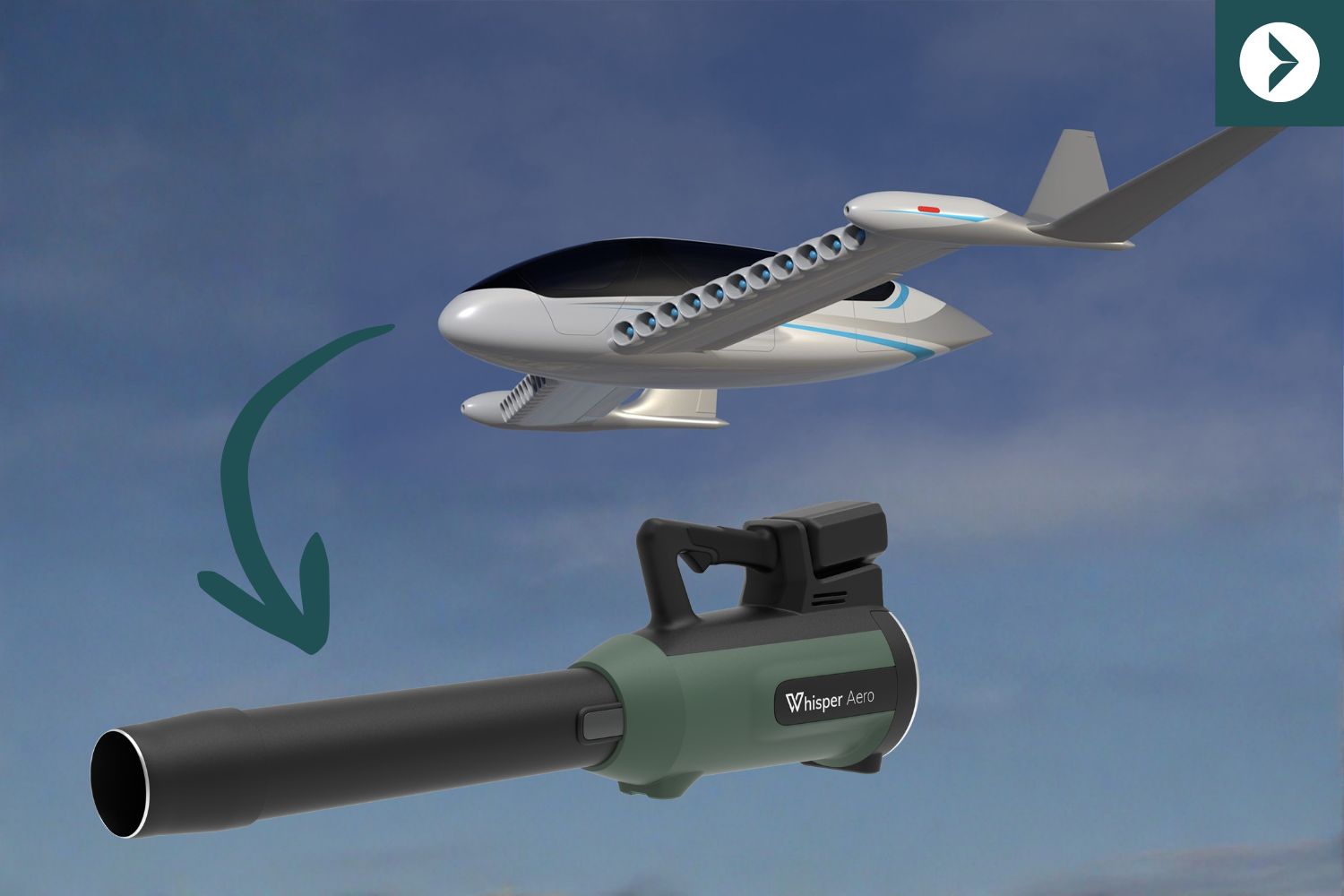
For Whisper Aero, the quiet leaf blower now taking pre-orders at CES is not a quirky side project. It is a workaround.
Founded by former NASA engineer Mark Moore, the company set out to solve one of aviation’s hardest problems: how to make electric aircraft quiet enough to operate over cities. But with no customer, regulator or investor ready to fund a clean-sheet aircraft programme built entirely around silence, the idea has stayed on the shelf.
So instead of abandoning the technology, the company took it somewhere far more accessible: a handheld leaf blower.
Why Whisper Aero’s ultra-quiet Whisper Jet struggled to get off the ground
Moore spent nearly four decades working on electric and distributed propulsion concepts at NASA, before later shaping early thinking around urban air mobility during his time at Uber Elevate.
Across those roles, one conclusion became unavoidable: electric aircraft will not scale in cities unless they are dramatically quieter than anything flying today.
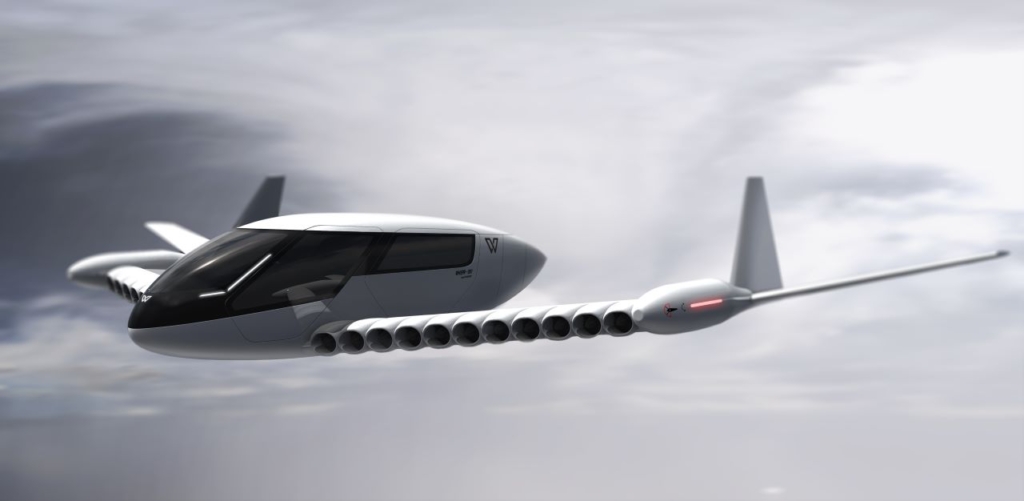
That insight underpins Whisper Aero’s long-term ambition: a small passenger aircraft concept known as the Whisper Jet, designed around ultra-quiet ducted fans rather than conventional propellers or turbofans.
But aircraft certification timelines, capital requirements, and risk aversion made the Whisper Jet a hard sell as a first product. Without an entry point to prove the technology at scale, the company faced a classic aviation chicken-and-egg problem.
How Whisper Aero repurposed aircraft propulsion technology for ground testing
Rather than waiting years for aviation funding to align, Whisper Aero looked for a platform where:
- noise is the primary problem,
- certification barriers are low, and
- products can be built, sold and iterated quickly.
The result is the Tone T1, a handheld electric leaf blower unveiled at CES 2026.
At first glance, it looks unremarkable. Internally, it is built around the same high-blade-count ducted fan architecture that Whisper Aero intends to use in aircraft.
Instead of a few fast-spinning exposed blades, the system uses many smaller blades rotating at lower tip speeds, reducing turbulent noise at its source. The remaining acoustic energy is shifted into ultrasonic frequencies that are largely inaudible to humans.
The company claims the T1 operates at 52 dB(A) at peak thrust, closer to conversational noise than the mechanical whine traditionally associated with outdoor power equipment.
Why aviation noise reduction is being tested through consumer hardware
Leaf blowers are a surprisingly good proxy for aviation noise problems. Like aircraft operating near communities, they produce complaints not because they exist, but because they are loud, persistent, and intrusive.
More than 100 US cities have restricted or banned gas-powered leaf blowers, and several states are phasing out new sales entirely. Noise, not emissions alone, has become the political driver.
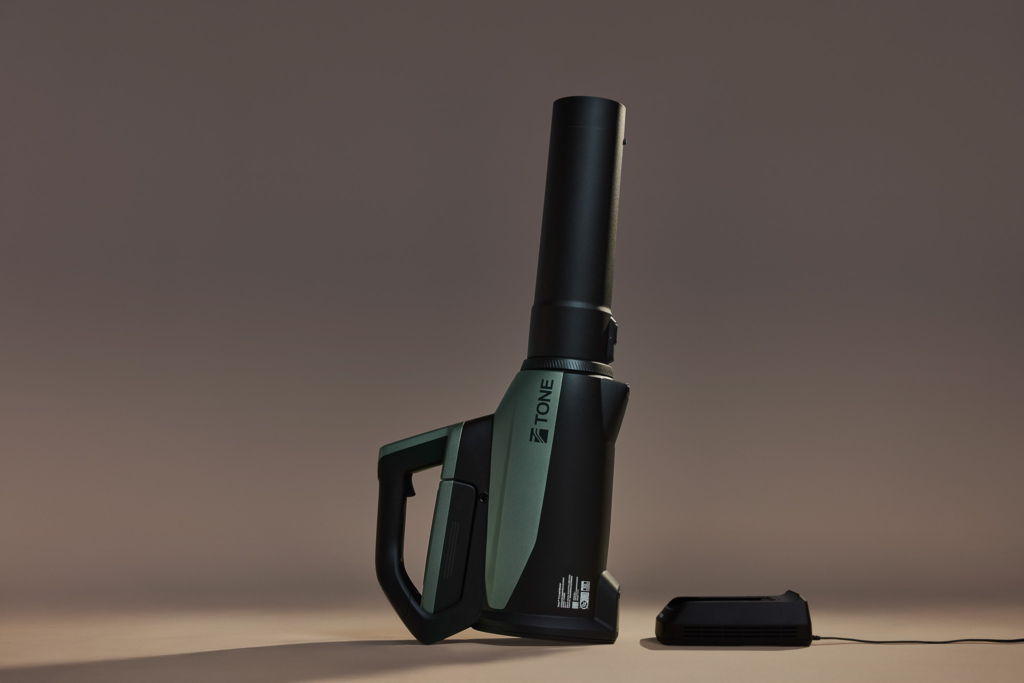
For Whisper Aero, that creates both market pull and engineering relevance. By shipping a consumer product, the company can:
- validate manufacturing techniques such as pressure injection moulding of blisk-like fan structures,
- gather real-world durability and reliability data,
- refine acoustic modelling at scale, and
- generate revenue while doing it.
This is aviation development by unconventional means.
Aircraft noise, not emissions, is the next design constraint
According to Whisper Aero, the T1 delivers 880 cfm of airflow and 25 newtons of force, placing it in professional territory while running on a 54V lithium-ion battery. Runtime reaches up to 50 minutes at low power, with variable speed control.
But unlike most tools, performance is not the headline feature. Silence is.
That inversion mirrors where aviation is heading. Community acceptance is increasingly as important as range, speed or efficiency, particularly for future electric and autonomous aircraft.
From consumer products to drones: Whisper Aero’s path back to aviation
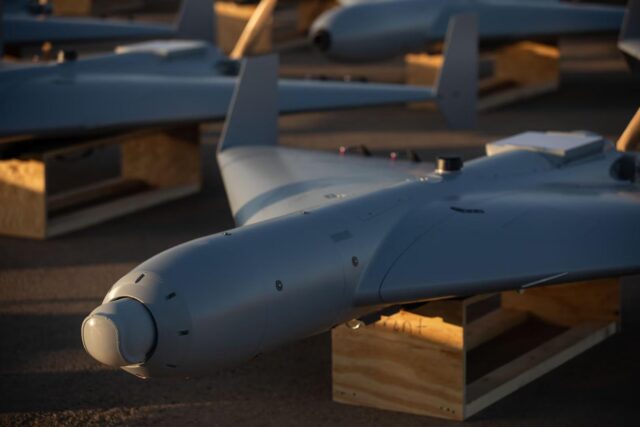
The leaf blower is not the end goal. Whisper Aero is already applying the same propulsion architecture to military drone programmes, working under US Air Force contracts focused on energy efficiency and operational capability.
Those efforts sit closer to the aviation domain and provide another bridge between consumer hardware and certified aircraft.
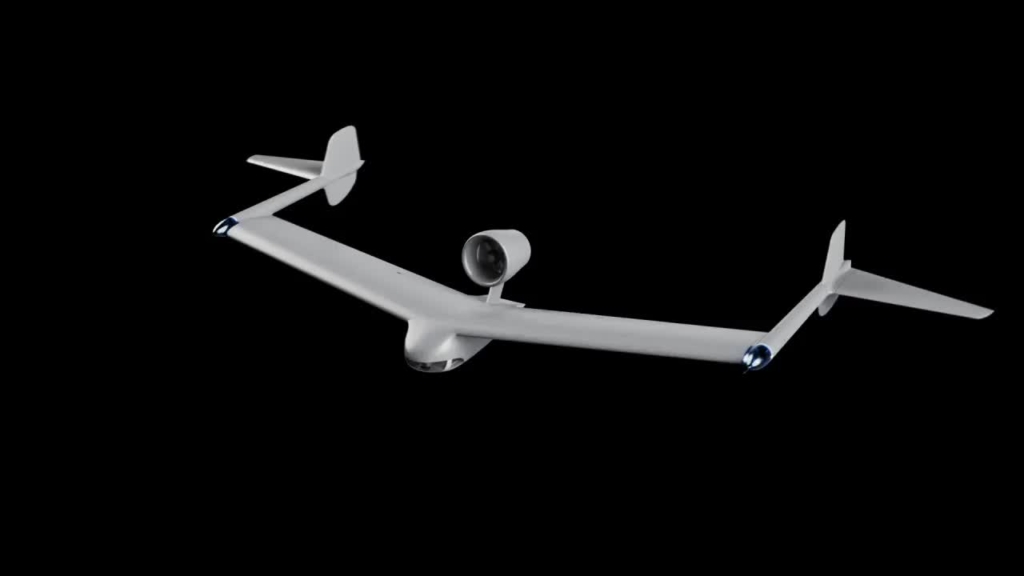
The long-term roadmap remains unchanged: consumer products first, then defence and industrial systems, and eventually civil aircraft.
Seen through that lens, the Tone T1 is less a garden tool than a strategic detour. It exists because building the Whisper Jet first was not commercially viable, but proving the technology somewhere else was.
If aerospace-grade thinking can make something as mundane as leaf blowing neighbour-friendly, Whisper Aero argues it strengthens the case that the same ideas could one day allow aircraft to operate over cities without provoking resistance.
Silence, in this case, is not a feature. It is the business plan.
Featured image: Whisper Aero